

Business casual sounds simple until you actually have to get dressed for it. One office treats dark jeans and clean sneakers as perfectly acceptable. Another expects trousers, leather shoes, and a blazer even when the dress code says “casual.” That confusion is exactly why business casual has become one of the most searched, debated, and misunderstood workplace dress codes. It sits somewhere between formal business attire and relaxed everyday clothing, but the exact meaning depends on your industry, company culture, role, location, and even the kind of meeting you have that day.
At its best, business casual helps you look professional without feeling stiff. It gives you room to dress comfortably, show some personal style, and still look prepared for work, interviews, client conversations, conferences, and office events. The goal is not to wear the most expensive outfit or copy a corporate uniform. The goal is to look polished, intentional, and appropriate for the room you are walking into. This guide breaks down what business casual really means, what to wear, what to avoid, how to style jeans and sneakers, and how to build outfits that work for modern professional life.
What Is Business Casual?
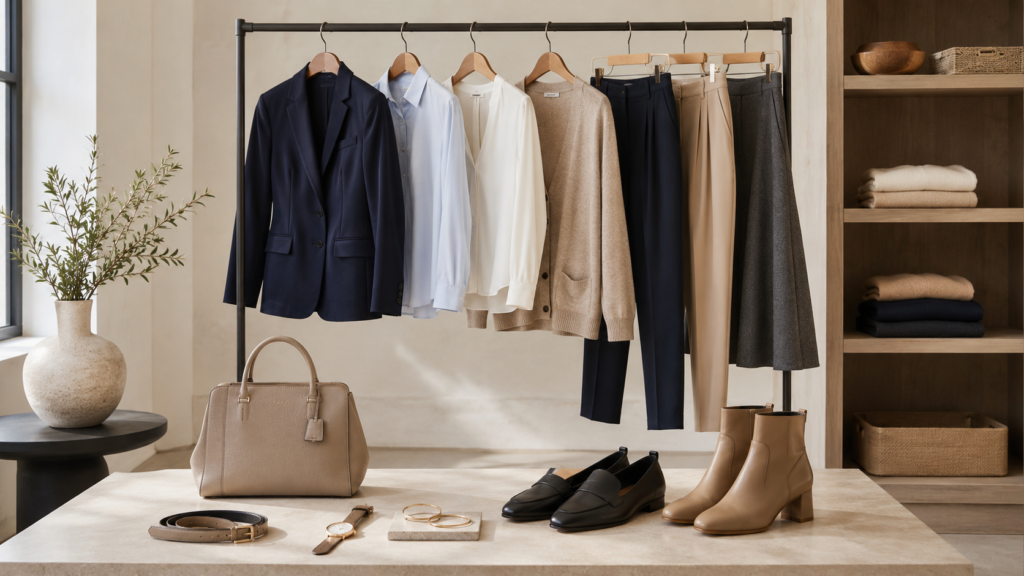
Business casual is a workplace dress code that blends professional clothing with more relaxed, comfortable pieces. It is less formal than a full suit or traditional business professional attire, but it should still look neat, polished, and suitable for an office environment. Common business casual pieces include blazers, tailored trousers, chinos, button-up shirts, blouses, cardigans, fine sweaters, midi skirts, simple dresses, loafers, flats, ankle boots, and clean leather shoes. The key word is balance. If one part of your outfit is relaxed, another part should bring structure.
A simple way to understand business casual is to think of it as “dressed-down professional,” not “dressed-up weekend casual.” A crisp shirt with chinos can feel business casual. A blazer over dark jeans can work in many modern offices. A fine knit sweater with tailored trousers can look polished without feeling formal. On the other hand, a hoodie, ripped jeans, gym sneakers, flip-flops, wrinkled clothing, or oversized graphic T-shirt usually pushes the outfit too far into casual territory. Business casual is flexible, but it is not careless.
The reason business casual creates confusion is that there is no universal rulebook. A marketing agency, law office, tech startup, university department, hospital administration office, and financial firm may all use the same phrase but expect different outfits. A junior employee on their first day may need to dress more carefully than someone who already understands the culture. A client-facing meeting usually requires more polish than a normal internal workday. When in doubt, it is safer to start slightly more professional, then adjust once you understand how people actually dress in that workplace.
Business Casual vs Business Professional vs Smart Casual
Business casual, business professional, and smart casual are related, but they are not the same thing. Business professional is the most traditional of the three. It usually means suits, dress shirts, ties, formal dresses, pumps, Oxfords, conservative colors, and a more structured appearance. You are most likely to see this in law, finance, executive environments, formal interviews, government offices, or high-stakes client meetings. It communicates seriousness, authority, and tradition, but it can feel too formal for many modern workplaces.
Business casual is a step down in formality while still staying work-appropriate. You might replace a full suit with a blazer and trousers, swap a tie for an open-collar shirt, or wear loafers instead of formal Oxfords. Women might choose a blouse with tailored pants, a cardigan with a midi skirt, or a structured dress with flats. Gender-neutral business casual can include relaxed trousers, collared shirts, knitwear, blazers, boots, or clean dress sneakers depending on the office. The outfit should look intentional, but it does not need to feel rigid.
Smart casual is usually more style-driven and slightly more relaxed than business casual. It often appears at dinners, creative events, casual networking gatherings, modern offices, or weekend occasions where you still want to look put together. Smart casual may allow more denim, fashion sneakers, relaxed silhouettes, and expressive accessories. Business casual, however, should still be judged through a workplace lens. If you are deciding between the two, ask yourself one question: “Would this outfit still feel appropriate if I had to speak to a manager, client, or interviewer today?” If the answer is yes, you are probably close to business casual.
| Dress Code | Best Description | Common Pieces |
| Business professional | Formal and traditional office wear | Suits, formal shirts, ties, pumps, Oxfords, tailored dresses |
| Business casual | Professional but more relaxed | Blazers, chinos, trousers, blouses, cardigans, loafers, flats |
| Smart casual | Stylish elevated casualwear | Dark denim, refined sneakers, knit polos, relaxed blazers |
Business Casual Wardrobe Essentials

A strong business casual wardrobe starts with versatile pieces that can be mixed, matched, and dressed up or down. You do not need a huge closet to look polished. In fact, a smaller wardrobe built around well-fitting basics usually works better than a crowded closet full of trendy pieces that do not coordinate. Start with neutral colors such as navy, black, gray, white, cream, beige, camel, brown, and olive. These colors are easy to combine and can be made more interesting with texture, accessories, or one accent color.
The most useful business casual pieces are the ones that create structure without feeling too formal. A blazer instantly sharpens a simple shirt or knit top. Tailored trousers make even a basic sweater look more professional. A button-up shirt can work alone, under a blazer, or layered with knitwear. Chinos are a reliable middle ground for men and gender-neutral outfits because they feel less formal than dress pants but more polished than jeans. For women, blouses, midi skirts, shirt dresses, cardigans, and wide-leg trousers offer flexibility without losing professionalism.
Shoes matter more than many people realize. A business casual outfit can fall apart if the shoes look too worn, too sporty, or too casual. Loafers, flats, Derbies, Chelsea boots, ankle boots, low heels, and clean minimalist sneakers can all work depending on the setting. Materials like leather, suede, and polished synthetic alternatives usually look more professional than mesh, rubber-heavy athletic shoes, or beach-style sandals. If your office allows sneakers, choose low-profile designs in neutral colors and keep them clean.
A practical starter wardrobe might include two pairs of trousers or chinos, one dark pair of jeans if your workplace allows denim, three polished tops, one blazer, one cardigan or sweater, and two pairs of work-appropriate shoes. Once you have those pieces, you can build many outfits without buying something new for every day. The more advanced version adds seasonal fabrics, better tailoring, a signature color palette, and accessories that feel personal but not distracting.
The Business Casual Outfit Formula
The easiest formula for business casual is this: combine one polished piece, one comfortable piece, one structured element, and clean shoes. For example, dark jeans alone may feel too casual, but dark jeans with a blazer, button-up shirt, and loafers can look workplace-ready. A soft sweater might feel relaxed, but when paired with tailored trousers and ankle boots, it becomes business casual. A simple dress can look too plain until you add a belt, structured bag, and polished shoes.
This formula works because business casual is about balance. You do not need every item to be formal. In fact, if every piece is formal, the outfit may become business professional rather than business casual. The trick is to avoid stacking too many casual items together. Jeans with a hoodie and running shoes will probably look too relaxed. Jeans with a blouse, blazer, and clean loafers can look intentional. Sneakers with joggers and a T-shirt are weekend clothes. Sneakers with tailored trousers, a fine knit top, and a blazer may work in a creative or tech office.
Fit is the quiet detail that separates good business casual from average business casual. Clothing does not need to be tight, but it should look deliberate. Trousers should not drag on the floor. Shirts should not pull across the chest or bunch heavily at the waist. Blazer shoulders should sit naturally. Sleeves should not cover half the hand. A simple outfit with good fit will almost always look more expensive and professional than a trendy outfit with poor proportions.
For real life, build outfits around the day ahead. For a first day at work, choose a blazer, button-up shirt or blouse, tailored trousers, and closed-toe shoes. For casual Friday, dark jeans with a polished top and structured layer may be enough. For a client meeting, move closer to business professional with dress pants, a blazer, and refined shoes. For a normal hybrid office day, a knit top with trousers and loafers often gives the right mix of comfort and credibility.
Business Casual for Women
Women’s business casual has more variety than traditional office dressing, but that variety can also make it harder to know what is appropriate. The safest foundation includes blouses, button-up shirts, tailored trousers, wide-leg pants, midi skirts, pencil skirts, cardigans, blazers, shirt dresses, wrap dresses, ankle boots, flats, loafers, and low heels. These pieces can be styled in many ways, from classic and conservative to modern and creative, depending on the workplace.
A classic women’s business casual outfit might be a white blouse, navy trousers, and loafers. A more modern version could be a relaxed blazer, straight-leg trousers, and pointed flats. A feminine option might include a midi dress with a cardigan and low heels. For creative offices, a printed blouse with neutral trousers can add personality without looking unprofessional. For casual Friday, dark jeans with a blazer and ankle boots can work if the jeans are clean, structured, and free from rips or heavy fading.
Dresses and skirts can be excellent business casual choices when the shape, length, and fabric feel appropriate for work. Shirt dresses, wrap dresses, sweater dresses, and tailored midi dresses usually work better than bodycon, party, sheer, or very short styles. Skirts should allow you to sit, walk, and move comfortably without needing constant adjustment. A midi skirt with a tucked blouse, belt, and flats can feel polished without looking overly formal. A pencil skirt with a soft knit top can work well in more traditional settings.
The best women’s business casual outfits usually have one clean focal point. That could be a sharp blazer, a beautiful blouse, a structured bag, a good pair of shoes, or a well-tailored trouser. Too many statement pieces at once can make the outfit feel busy. Too many casual pieces can make it feel unfinished. A stylist’s practical rule is to check the outfit from head to toe and ask, “What is making this look professional?” If the answer is not clear, add structure through shoes, tailoring, or a layer.
Business Casual for Men

Men’s business casual is often built around a few dependable pieces: Oxford shirts, button-down shirts, knit polos, chinos, tailored trousers, dark jeans, blazers, cardigans, sweaters, loafers, Derbies, Chelsea boots, chukka boots, and minimalist sneakers. The old version of business casual was often a tucked shirt and khakis. That still works in some offices, but modern business casual can look much sharper when you pay attention to fit, texture, and proportion.
A classic men’s business casual outfit is an Oxford shirt with chinos and leather loafers. It is simple, easy to repeat, and appropriate for many offices. To make it more polished, add a blazer or sport coat. To make it more relaxed, choose a knit polo instead of a button-up shirt. In cooler weather, a merino sweater over a collared shirt with tailored trousers and boots creates a clean professional look. In warmer months, lightweight chinos, a linen-blend shirt, and suede loafers can feel comfortable without looking sloppy.
Jeans can work for men’s business casual, but only when the rest of the outfit is doing enough professional work. Dark wash, black, straight-leg, or slim-straight denim is usually safest. Ripped jeans, heavy fading, oversized fits, and very casual washes are harder to justify in most workplaces. A blazer and dark jeans can be a strong modern combination, especially in tech, marketing, design, real estate, or startup environments. For finance, law, consulting, or formal interviews, chinos or trousers are safer.
Shoes are where men can quickly improve their business casual style. Loafers, Derbies, chukka boots, and Chelsea boots give a polished base without the formality of a full dress shoe. Clean minimalist sneakers can work in relaxed offices, but they should look intentional, not like gym shoes. A good belt, clean watch, and properly hemmed pants will do more for the outfit than loud branding. The most common mistake is dressing the top half for work and the bottom half for the weekend.
Gender-Neutral Business Casual Outfits
Gender-neutral business casual works best when it focuses on shape, fit, comfort, and polish rather than traditional menswear or womenswear categories. The core pieces are simple: collared shirts, relaxed trousers, chinos, blazers, fine sweaters, turtlenecks, cardigans, boots, loafers, and clean sneakers. The outfit can be more structured or more relaxed depending on personal style and workplace expectations. What matters most is that the final look feels neat, intentional, and suitable for professional interaction.
A strong gender-neutral outfit could be a button-up shirt with straight-leg trousers and loafers. A minimalist version might be a turtleneck with relaxed wool trousers and clean boots. A creative version could use a relaxed blazer, patterned shirt, neutral pants, and polished shoes. For interviews or formal workdays, a collared shirt, blazer, tailored trousers, and closed-toe shoes are a safe formula. For hybrid offices, a fine sweater with chinos and minimalist sneakers can work if the overall look stays clean.
Business casual should still leave room for personality. Color, jewelry, accessories, texture, and silhouette can make the outfit feel authentic without pushing it too far outside the dress code. A bold shirt can work when paired with neutral trousers. A relaxed blazer can soften a formal outfit. A unique pair of shoes can add character if the rest of the look is simple. The goal is not to erase personal style but to express it with enough polish for the workplace.
The best way to judge a gender-neutral business casual outfit is to look at the overall message. Does it say prepared, capable, comfortable, and professional? Or does it say rushed, unclear, or too casual? Business casual gives you flexibility, but flexibility still needs intention. A clean silhouette, neat grooming, good fit, and polished shoes will usually carry the outfit in the right direction.
Can You Wear Jeans for Business Casual?
Yes, jeans can be business casual in many modern workplaces, but not all jeans qualify. The safest business casual jeans are dark, clean, well-fitted, and free from rips, distressing, frayed hems, or heavy fading. Dark blue, black, charcoal, or deep indigo denim usually looks more professional than light wash or heavily worn denim. Straight-leg, slim-straight, trouser-style, or clean wide-leg jeans tend to work better than overly skinny, baggy, low-rise, or trend-heavy cuts.
The secret to wearing jeans at work is to style them with pieces that clearly belong in a professional setting. A blazer, blouse, Oxford shirt, cardigan, belt, structured bag, loafers, flats, Chelsea boots, or clean leather sneakers can make denim feel intentional. If you pair jeans with a hoodie, oversized T-shirt, athletic sneakers, and a backpack, the outfit will probably read as casual rather than business casual. Denim needs support from the rest of the look.
Jeans are more acceptable in tech, creative, marketing, education, startups, and relaxed corporate offices. They are riskier in law, finance, formal consulting, executive meetings, traditional interviews, or client-facing events where expectations are conservative. Even in a casual office, jeans may not be the best choice for your first day. It is smarter to start with trousers or chinos, observe the culture, then introduce denim later if it fits the environment.
A good rule is to use denim as the only casual piece in the outfit. If the jeans are relaxed, keep the top polished. If the top is more casual, choose trousers instead. This “one casual piece” rule prevents the outfit from drifting too far. Business casual is not about avoiding comfort; it is about making comfort look considered.
Are Sneakers Business Casual?
Sneakers can be business casual, but only in the right workplace and in the right style. The safest options are clean, low-profile, minimalist sneakers in leather, suede, or a refined material. White, black, tan, brown, gray, or navy sneakers are easier to style professionally than bright colors, chunky shapes, or athletic running shoes. The more a sneaker looks like it belongs in a gym, the less likely it is to work as business casual.
Sneakers work best when the rest of the outfit is polished. A pair of clean leather sneakers with tailored trousers, a fine knit top, and a blazer can look modern in a creative office. The same sneakers with jeans and a hoodie may look too casual. For men, minimalist sneakers can pair well with chinos, knit polos, unstructured blazers, and dark denim. For women, they can work with wide-leg trousers, shirt dresses, midi skirts, or blazers when the office culture allows it. For gender-neutral outfits, sneakers can soften tailoring and make the look more comfortable.
There are situations where sneakers are still risky. Interviews, client meetings, formal presentations, finance offices, law firms, and executive events usually call for more traditional shoes. When the stakes are high, loafers, flats, Derbies, Chelsea boots, or low heels are safer. Sneakers may be accepted in your office, but that does not mean they are always the best choice for every professional moment.
If you do wear sneakers, keep them clean. Scuffed, stained, worn-out, or overly casual sneakers can make even a good outfit look unfinished. Think of business casual sneakers as part of the outfit, not an afterthought. They should look chosen, maintained, and appropriate.
Best Business Casual Shoes
Business casual shoes should bridge comfort and polish. They need to be practical enough for commuting, standing, walking around the office, or moving between meetings, but they should still support a professional appearance. Loafers are one of the strongest choices because they work with trousers, chinos, skirts, dresses, and dark jeans. They can look classic, modern, masculine, feminine, or gender-neutral depending on the shape and styling.
For men, Derbies, loafers, Chelsea boots, chukka boots, and refined sneakers are reliable options. Oxfords can work, though some styles may look more business professional than business casual. Suede shoes often feel softer and less formal than shiny leather, which makes them useful for relaxed offices. For women, flats, loafers, ankle boots, low heels, mules, and polished sneakers can all work. The best choice depends on comfort, company culture, and the formality of the outfit.
Color matters. Black shoes are sharp and formal. Brown and tan feel versatile and slightly more relaxed. Burgundy can add personality while staying professional. White sneakers can work if they are clean and minimal. Shoes with heavy logos, neon colors, athletic soles, beach materials, or worn-out finishes usually make the outfit feel less professional. In business casual dressing, shoes do not need to be boring, but they should not fight the rest of the outfit.
A practical shoe wardrobe might include one polished pair and one comfortable everyday pair. For example, loafers and ankle boots, Derbies and minimalist sneakers, or flats and low heels. If you commute, keep a backup pair at work if possible. Shoes are often the first item people notice after the overall silhouette, so they deserve more attention than they usually get.
Business Casual by Industry
Business casual changes dramatically by industry. In tech, a blazer with dark jeans and clean sneakers may look perfectly normal. In finance, that same outfit may feel too relaxed unless the company has a clearly modern culture. In law, government, consulting, and executive environments, business casual often leans closer to business professional. In creative industries, employees may have more freedom with color, silhouette, denim, and accessories as long as the outfit still looks intentional.
Education and healthcare administration often require a practical version of business casual. Clothing needs to be comfortable, approachable, and easy to move in, but still neat. Real estate, sales, and client-facing roles usually call for more polish because your clothing becomes part of the first impression. Marketing, design, and media roles may allow more personality, but the best outfits still show control. A creative outfit should look styled, not random.
The best way to understand your workplace is to observe the people who are already trusted there. Look at managers, team leads, senior employees, and client-facing staff. Notice what they wear on normal days, meeting days, casual Fridays, and company events. If your company has an employee handbook, read it. If the dress code is vague, ask HR or a manager for examples. A clear question such as “Are dark jeans acceptable on regular office days?” is better than guessing.
When you are new, dress slightly more polished than required. You can always relax later, but it is harder to fix a first impression after showing up too casually. A blazer, trousers, and clean shoes are rarely a mistake on day one. Once you understand the culture, you can adjust your outfits to feel more personal and comfortable.
Business Casual for Interviews and First Day of Work
For interviews, business casual should be interpreted more carefully than everyday office wear. Even if a company says the workplace is casual, the interview is still a professional evaluation. You do not need to wear a full suit unless the industry expects it, but you should dress one level more polished than the average employee. That could mean tailored trousers instead of jeans, loafers instead of sneakers, or a blazer over a simple shirt.
A safe interview outfit for women might include a blouse, tailored trousers, blazer, and flats or low heels. A safe men’s outfit might include a button-up shirt, chinos or dress trousers, blazer, and loafers. A safe gender-neutral option might include a collared shirt, structured jacket, straight trousers, and closed-toe shoes. The goal is to look prepared without looking like you are wearing a costume. Neutral colors, clean lines, and good fit are more important than trendiness.
Your first day of work follows a similar rule. Dress slightly more professional than you think you need to. You are still learning the culture, and people are forming early impressions. Avoid anything that requires explanation: ripped denim, loud logos, strong fragrance, revealing cuts, dirty shoes, or overly casual sneakers. A first-day outfit should let people focus on your work and personality, not on whether your clothing fits the environment.
After the first week, you can adjust. Notice whether people wear denim, sneakers, prints, polos, sleeveless tops, or casual jackets. See how managers dress when they have meetings. Pay attention to what changes on Fridays. Business casual is easiest when you stop treating it as a fixed rule and start reading it as a professional context.
Seasonal Business Casual Outfits
Business casual should change with the season while keeping the same standard of polish. Spring is a good time for lightweight blazers, cotton shirts, trench coats, loafers, soft colors, and breathable trousers. A blouse with wide-leg pants and flats can feel fresh without being too casual. A button-up shirt with chinos and a light jacket works well for men or gender-neutral wardrobes. The key is to lighten the fabrics without losing structure.
Summer is the hardest season for business casual because comfort can quickly become too casual. Linen blends, cotton, lightweight trousers, airy blouses, knit polos, and breathable dresses can help. Pure linen wrinkles easily, so blends often look more office-ready. Sleeveless tops may work in some offices, but a cardigan or blazer nearby is useful for meetings and air-conditioned spaces. Shorts are rarely business casual unless the workplace clearly allows them, and even then they should be tailored rather than beach-style.
Fall is where business casual becomes easier. Sweaters, wool trousers, suede shoes, Chelsea boots, blazers, and layered textures all fit the dress code naturally. Earth tones such as camel, olive, chocolate, burgundy, navy, and charcoal work well. Winter business casual depends on smart layering. Turtlenecks, structured coats, knit dresses, wool trousers, boots, and heavier blazers can look polished while keeping you warm. The mistake to avoid in winter is letting outerwear and footwear become too rugged for the office.
Seasonal dressing is also about fabric. Cotton, linen blends, lightweight wool, merino, silk blends, ponte, twill, and structured knits often work well for business casual. Thin, clingy, transparent, overly shiny, or heavily distressed fabrics are harder to style professionally. A simple seasonal wardrobe built around good fabric choices will look more expensive and more intentional.
Business Casual for Hybrid and Remote Work
Hybrid work changed how many professionals think about getting dressed. You may spend part of the week at home, part in the office, and part on video calls. Business casual for hybrid work should be comfortable enough for a flexible day but polished enough that you are not scrambling before a meeting. A fine sweater, neat shirt, blouse, cardigan, or structured knit can work well on camera and still feel comfortable off camera.
For video meetings, the top half matters most visually, but that does not mean the rest of the outfit should be ignored. Dressing completely for work can improve focus and make transitions easier if plans change. Choose tops with clean necklines, solid colors, subtle patterns, and enough structure to look professional on camera. Avoid distracting prints, wrinkled fabric, and overly casual hoodies unless your company culture clearly supports them.
Hybrid office outfits should be easy to move in. Trousers with stretch, polished flats, loafers, comfortable boots, knit layers, and relaxed blazers can make the day feel manageable. Many professionals keep a blazer, cardigan, lint roller, stain pen, or backup shoes at the office. These small details help when an ordinary day suddenly turns into a meeting day.
The best hybrid business casual wardrobe is built around “camera-ready comfort.” You should feel like yourself, but a slightly more prepared version. If the outfit is comfortable enough for a long day and polished enough for an unexpected conversation with leadership or a client, it is doing its job.
Business Casual Capsule Wardrobe
A business casual capsule wardrobe is a small group of pieces that work together across many outfits. It saves time, reduces decision fatigue, and helps you avoid buying random items that never get worn. The ideal capsule depends on your gender expression, climate, industry, and style, but the principle is the same: choose versatile pieces in coordinated colors with enough variety in texture and silhouette.
A strong capsule might include one or two blazers, two pairs of trousers, one pair of chinos or dark jeans, three polished tops, two sweaters or cardigans, one dress or skirt option if that fits your style, two pairs of shoes, one structured bag, and a few accessories. With those pieces, you can create many combinations for regular workdays, interviews, casual Fridays, and meetings. The capsule becomes more powerful when most pieces share a color palette.
The best colors for a business casual capsule are usually navy, black, gray, cream, white, beige, brown, and one or two accents. For example, someone might build around navy, white, camel, and burgundy. Another person might choose black, gray, cream, and olive. A controlled palette makes outfits look more cohesive even when the individual pieces are simple. It also makes shopping easier because you know what colors fit the wardrobe.
Do not build a capsule only around what looks good online. Build it around your real week. If you walk a lot, shoes matter. If you sit in meetings, trousers need to be comfortable. If your office is cold, layers are essential. If you meet clients, keep more structured pieces available. A capsule wardrobe should support your actual work life, not an imaginary version of it.
Business Casual Outfit Examples
The easiest way to apply business casual is to think in outfit formulas. For a classic office look, try a white button-up shirt, navy trousers, and brown loafers. For a modern professional look, pair a relaxed blazer with straight-leg trousers and pointed flats or clean boots. For a comfortable day, wear a fine knit sweater with chinos and loafers. For a creative workplace, use a patterned shirt with neutral trousers and a structured jacket.
Dark jeans can work when styled carefully. Try black jeans with a turtleneck, blazer, and Chelsea boots. For women, dark straight-leg jeans with a blouse, belt, and ankle boots can look polished. For men, indigo jeans with an Oxford shirt, blazer, and loafers can work in relaxed offices. For gender-neutral styling, dark denim with a collared shirt, cardigan, and clean leather sneakers can feel modern without becoming sloppy.
For summer, try lightweight trousers with a tucked blouse or linen-blend shirt and loafers. For winter, wear wool trousers with a turtleneck, structured coat, and boots. For an interview, choose a blazer, tailored pants, polished top, and closed-toe shoes. For casual Friday, use one relaxed item, such as jeans or sneakers, and keep everything else refined. This keeps the outfit comfortable but still professional.
The best examples are not complicated. Most strong business casual outfits are built from simple pieces that fit well. A blazer, clean shirt, good trousers, and polished shoes will beat a loud trend almost every time. Once the basics are strong, you can add personality through color, jewelry, bags, watches, glasses, scarves, or texture.
What Not to Wear for Business Casual
Business casual gives you freedom, but some items are still risky in most workplaces. Ripped jeans, distressed denim, hoodies, sweatpants, gym leggings, flip-flops, beach sandals, dirty sneakers, overly revealing tops, wrinkled shirts, loud logos, clubwear, and athletic shorts usually fall outside the dress code. Some modern offices may accept parts of this list, but if you are unsure, avoid them until you understand the culture.
The problem with these items is not that they are always unattractive. Many can look stylish in the right setting. The issue is context. A hoodie may be perfect for a weekend coffee run, but it can look too relaxed in a client meeting. Running shoes may be comfortable, but they can make tailored trousers feel mismatched. Ripped jeans may be fashionable, but they rarely communicate professional readiness. Business casual is judged by the whole outfit and the environment.
Wrinkles, stains, poor fit, and worn-out shoes can damage an outfit more than the clothing category itself. A clean T-shirt under a blazer may work in some offices, but a wrinkled button-up shirt may still look careless. A simple pair of flats can look professional if they are clean and maintained. Expensive shoes can look bad if they are scuffed and neglected. Grooming and maintenance are part of the dress code.
Use the meeting test when unsure. Ask, “Would I feel comfortable wearing this if my manager introduced me to a client today?” If the answer is no, adjust the outfit. Add a blazer, change the shoes, swap jeans for trousers, or choose a more polished top. Business casual does not require perfection, but it does require awareness.
Expert Styling Insights
The most important expert-level business casual advice is simple: fit matters more than price. A moderately priced pair of trousers that fits well will usually look better than expensive pants that are too long, too tight, or poorly proportioned. Hemming trousers, adjusting sleeve length, choosing the right shoulder fit on a blazer, and avoiding fabric that pulls or collapses can change the entire impression of an outfit.
A stylist would usually start by identifying the outfit’s anchor piece. That might be the blazer, trousers, shoes, dress, or shirt. Once the anchor is clear, everything else should support it. If the blazer is strong and structured, the rest of the outfit can be softer. If the shoes are casual, the clothing should be more polished. If the top has pattern or color, the bottoms should probably stay neutral. This keeps the outfit from becoming visually messy.
From an HR or workplace perspective, the safest advice is to dress for access. Your outfit should not limit the rooms you can enter that day. If you might meet a client, speak with leadership, attend a presentation, or join an interview panel, dress for that possibility. A business casual wardrobe should include pieces that can move up or down in formality quickly. Keeping a blazer or polished shoes nearby can solve many last-minute problems.
The best business casual style looks natural, not forced. It should feel like a professional version of your personal style. If you hate stiff shirts, try fine knits or relaxed button-ups. If you dislike heels, wear loafers, flats, or boots. If you prefer simple outfits, focus on fit and fabric. If you enjoy fashion, use color and accessories carefully. Business casual works best when it supports both your confidence and your work environment.
FAQs About Business Casual
What does business casual mean?
Business casual means clothing that looks professional enough for work but feels more relaxed than traditional business professional attire. It usually includes polished basics such as trousers, chinos, button-up shirts, blouses, sweaters, cardigans, blazers, loafers, flats, boots, and simple dresses or skirts. The exact meaning depends on the workplace. A tech company may allow jeans and sneakers, while a finance office may expect trousers and leather shoes. The safest way to approach business casual is to combine comfort with structure. If the outfit looks clean, intentional, and appropriate for a meeting, it is usually moving in the right direction.
Are jeans business casual?
Jeans can be business casual, but the style and setting matter. Dark wash, black, straight-leg, slim-straight, or trouser-style jeans are usually the safest choices. They should be clean, well-fitted, and free from rips, fraying, heavy fading, or distressing. Jeans work best when paired with polished pieces such as a blazer, blouse, button-up shirt, cardigan, loafers, ankle boots, or clean leather sneakers. They are more accepted in creative, tech, startup, and relaxed office environments. For interviews, client meetings, finance, law, or traditional corporate settings, trousers or chinos are usually safer than denim.
Are sneakers business casual?
Sneakers can be business casual in some workplaces, especially creative, tech, hybrid, or relaxed office settings. The safest sneakers are minimalist, clean, low-profile, and neutral in color. Leather or suede styles usually look more polished than athletic running shoes. Sneakers should be styled with professional clothing, such as tailored trousers, a blazer, a button-up shirt, a blouse, or a fine knit top. If the entire outfit is casual, sneakers can make it look too relaxed. For interviews, formal meetings, client presentations, or conservative workplaces, loafers, flats, Derbies, boots, or low heels are safer choices.
What should women wear for business casual?
Women’s business casual can include blouses, button-up shirts, tailored trousers, wide-leg pants, midi skirts, pencil skirts, cardigans, blazers, shirt dresses, wrap dresses, flats, loafers, ankle boots, mules, and low heels. The best outfits usually balance comfort and polish. For example, a blouse with trousers and loafers is simple and professional, while a midi dress with a cardigan and flats can feel comfortable but still appropriate. Dark jeans may work in relaxed offices when styled with a blazer or polished top. Avoid anything too short, tight, sheer, wrinkled, or casual for the workplace.
What should men wear for business casual?
Men’s business casual usually includes Oxford shirts, button-down shirts, knit polos, chinos, tailored trousers, dark jeans, sweaters, cardigans, blazers, loafers, Derbies, Chelsea boots, chukka boots, and clean minimalist sneakers. A reliable outfit is a button-up shirt with chinos and loafers. To dress it up, add a blazer. To make it more relaxed, choose a knit polo or fine sweater. Jeans can work if they are dark and clean, but trousers or chinos are safer for interviews and formal offices. Fit is especially important. Properly hemmed pants and clean shoes can make a simple outfit look much more professional.
Is business casual the same as smart casual?
Business casual and smart casual overlap, but they are not identical. Business casual is designed for the workplace, so it should look professional, neat, and suitable for meetings or office interactions. Smart casual is usually more relaxed and style-focused, often used for dinners, events, creative workplaces, or social settings where you still want to look polished. Smart casual may allow more denim, sneakers, and trend-driven pieces. Business casual usually requires more structure. If you are unsure, choose the more professional option, especially for work, interviews, or client-facing situations.
What shoes are best for business casual?
The best business casual shoes are polished, comfortable, and appropriate for the workplace. Loafers are one of the most versatile options because they work with trousers, chinos, dresses, skirts, and dark jeans. Other strong choices include flats, Derbies, Chelsea boots, ankle boots, chukka boots, low heels, Oxfords, and clean minimalist sneakers. Black, brown, tan, burgundy, navy, and neutral colors are usually easiest to style. Avoid dirty sneakers, flip-flops, beach sandals, heavy athletic shoes, slippers, and shoes with loud logos or extreme designs unless your workplace clearly allows them.
What should you not wear for business casual?
For most workplaces, avoid ripped jeans, distressed denim, hoodies, sweatpants, gym leggings, flip-flops, dirty sneakers, beach sandals, wrinkled clothing, revealing tops, clubwear, athletic shorts, and loud graphic pieces. Some relaxed offices may allow certain casual items, but they are risky when you are new, interviewing, meeting clients, or attending formal workplace events. The issue is not only the item itself but the full message of the outfit. Business casual should look relaxed but not careless. If you are unsure, upgrade one part of the outfit with a blazer, trousers, polished shoes, or a structured layer.
Conclusion: Business Casual Should Look Relaxed, Not Careless
Business casual is not about following one rigid rule. It is about understanding balance. You want to look professional enough for work, comfortable enough for real life, and polished enough that your clothing supports your credibility instead of distracting from it. The strongest business casual outfits usually combine structure with ease: a blazer with dark jeans, a blouse with trousers, a knit polo with chinos, a cardigan with a midi skirt, or a fine sweater with loafers and tailored pants.
The most important lesson is that context matters. Your industry, company culture, role, meeting schedule, and level of experience all affect what business casual should look like. When you are new or unsure, start slightly more polished. Choose clean shoes, well-fitting clothes, neutral colors, and one structured piece. Once you understand the workplace, you can add more personality through color, accessories, denim, sneakers, or relaxed layers.
A good business casual wardrobe should make mornings easier, not harder. Build around versatile pieces, take care of fit and maintenance, and create outfit formulas you can repeat with confidence. Whether you are dressing for your first job, a hybrid office, an interview, a client meeting, or a normal workday, the goal is the same: look prepared, feel comfortable, and show up like someone who belongs in the room.
If you are building your wardrobe from scratch, start with one blazer, two polished bottoms, three professional tops, one comfortable layer, and two pairs of clean work-appropriate shoes. From there, you can create enough business casual outfits for almost any modern workplace.