Gyaru Anime Characters has introduced global audiences to countless Japanese subcultures, but few are as visually distinctive as Gyaru. With dramatic hairstyles, bold makeup, decorated nails, and confident personalities, Gyaru anime characters often stand out the moment they appear on screen. Yet many viewers only see the surface. The fashion, attitude, and social history behind these characters run much deeper than dyed hair and flashy accessories.
What makes Gyaru characters particularly interesting is how they reflect a real youth movement that challenged traditional beauty standards in Japan. Some anime portray them accurately, while others exaggerate certain traits for comedy or drama. Understanding that difference makes these characters far more fascinating.
For fashion enthusiasts, Gyaru anime characters offer a unique lens into Japanese street fashion. For anime fans, they often bring energy, humor, and unexpected depth to a story. Looking closely at how these characters are designed reveals a surprising amount about fashion trends, youth culture, and changing attitudes in Japanese media.
What Makes a Character Gyaru?
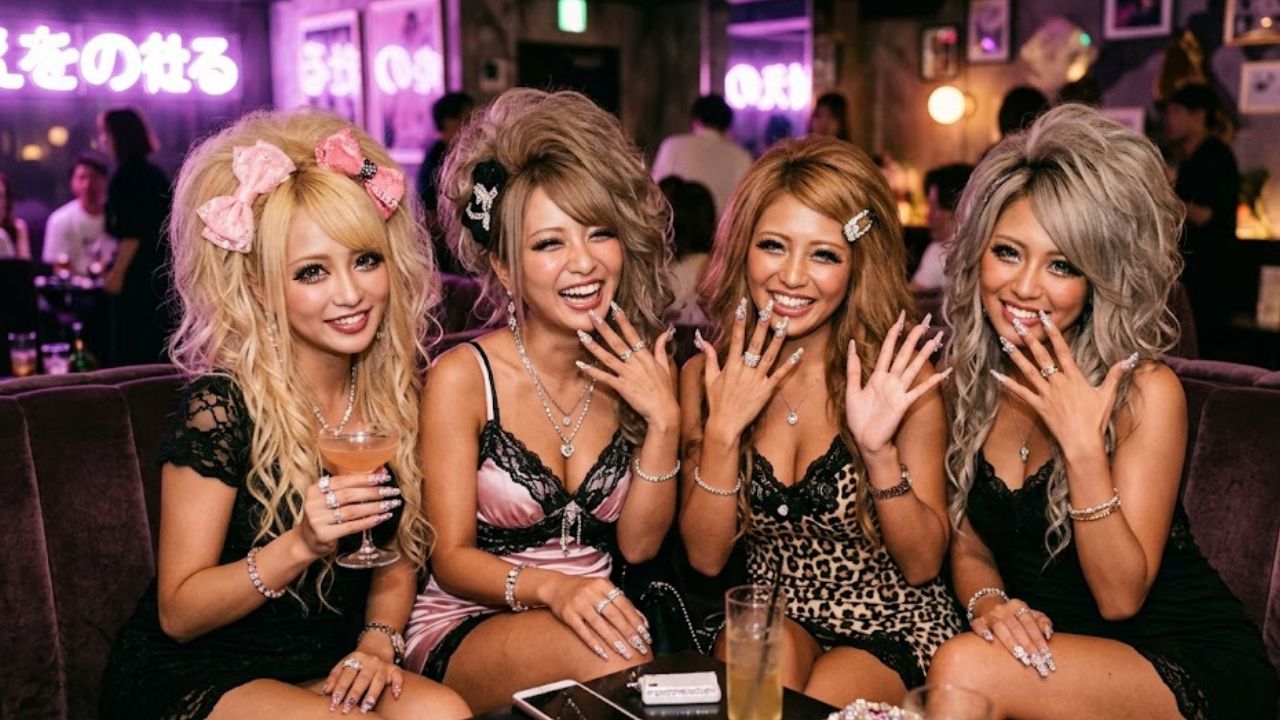
Gyaru Anime Characters One common misconception is that any anime girl with blonde hair automatically qualifies as Gyaru. In reality, hair color alone means very little. Gyaru is a fashion and lifestyle subculture that emerged from Japanese youth culture, particularly around Tokyo’s Shibuya district. The style became known for rejecting traditional expectations of how young women should look and behave.
A true Gyaru character usually displays several recognizable traits. Their appearance often includes heavily styled hair, visible makeup, fashionable clothing, decorative nails, and trendy accessories. Personality plays an equally important role. Many Gyaru characters are portrayed as confident, outspoken, sociable, and independent.
Gyaru Anime Characters frequently simplifies these traits into stereotypes, but the best-written Gyaru characters go beyond appearances. They may seem intimidating at first, only for viewers to discover kindness, loyalty, or vulnerability beneath their fashionable exterior. That contrast is often what makes them memorable.
The Connection Between Real Gyaru Fashion and Anime
The most interesting aspect of Gyaru anime characters is how closely they mirror actual fashion trends. During the peak of the Gyaru movement in the late 1990s and early 2000s, young women in areas like Shibuya helped popularize styles that challenged conventional beauty standards. Tanned skin, dyed hair, dramatic eye makeup, and highly personalized outfits became symbols of self-expression.
Gyaru Anime Characters creators noticed the cultural impact. As a result, Gyaru-inspired characters began appearing across different genres, from romance and comedy to slice-of-life series.
Several substyles appear in anime:
- Kogyaru, inspired by fashionable schoolgirls.
- Ganguro, known for darker tans and striking makeup.
- Hime Gyaru, featuring princess-inspired elegance.
- Onee Gyaru, which emphasizes a mature and sophisticated look.
- Agejo Gyaru, blending glamour with nightlife fashion.
Many anime borrow elements from these styles without explicitly labeling characters as Gyaru. That’s why viewers sometimes debate whether a particular character truly belongs to the subculture.
Fashion fans often appreciate these distinctions more than casual viewers because the details reveal how much research went into the character design.
The Most Famous Gyaru Anime Characters
Gyaru Anime Characters When discussing Gyaru anime characters, one name dominates modern conversations: Marin Kitagawa from the TV show My Dress-Up Darling.
Marin became enormously popular because she avoided many of the stereotypes traditionally associated with Gyaru characters. Rather than being portrayed as shallow or superficial, she is passionate, supportive, creative, and unapologetically enthusiastic about her hobbies. Her fashion reflects modern Gyaru influences while feeling realistic enough to resemble someone you might actually meet in contemporary Japan.
Another influential character is Momo Adachi from the TV show Peach Girl. Long before Marin’s popularity, Momo helped introduce many anime fans to the visual elements associated with Gyaru fashion. Her tanned skin and distinctive appearance frequently caused others to misunderstand her character, which became a central theme of the story.
Yuzu Aihara from Citrus represents a more polished and fashionable interpretation. Her stylish appearance reflects contemporary trends while maintaining a strong personality that drives much of the series’ drama.
Characters such as Junko Hattori also demonstrate how modern anime increasingly treats Gyaru characters with nuance. Instead of relying solely on visual stereotypes, newer series often explore their friendships, ambitions, and personal growth.
Why Gyaru Characters Are More Complex Than Their Reputation
Gyaru Anime Characters Many people unfamiliar with Japanese youth culture assume Gyaru characters exist primarily as comic relief. Older anime sometimes reinforced that impression by presenting them as loud, rebellious, or academically uninterested.
The reality is far more complicated.
The original Gyaru movement was rooted in self-expression. Participants intentionally experimented with fashion, beauty, and personal identity. That sense of individuality often appears in well-developed anime characters inspired by the subculture.
Gyaru Anime Characters One pattern that experienced anime viewers often notice is that Gyaru characters frequently challenge first impressions. A character may initially appear superficial because of her appearance, only to become one of the story’s most emotionally intelligent or supportive figures.
This trend reflects a broader shift within anime. As audiences became more interested in realistic characters, writers moved away from one-dimensional stereotypes. Modern Gyaru characters are often portrayed as confident people who simply happen to enjoy fashion.
That distinction matters because it transforms them from visual archetypes into believable individuals.
How Gyaru Fashion Shapes Character Design
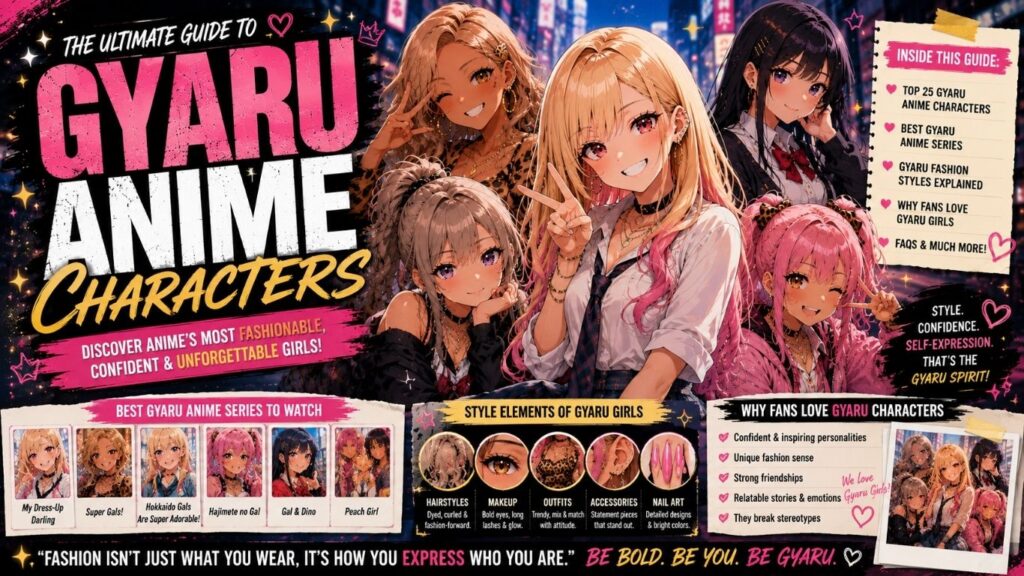
Character design is rarely accidental. Every hairstyle, accessory, and makeup choice communicates information to viewers before a character speaks a single line.
Gyaru-inspired designs are particularly effective because they instantly signal confidence and social awareness. Bright hair colors, decorated nails, layered accessories, and fashionable clothing create a strong visual identity.
Gyaru Anime Characters The table below highlights how common Gyaru fashion elements are used in anime.
| Fashion Element | Purpose in Character Design |
| Dyed Hair | Signals individuality and trend awareness |
| Dramatic Makeup | Creates a bold visual presence |
| Tanned Skin | References Ganguro influences |
| Nail Art | Highlights attention to personal style |
| Accessories | Reinforces fashion-conscious identity |
| Modified Uniforms | Shows creativity and self-expression |
One subtle detail competitors rarely discuss is how anime costume designers use fashion evolution to show character growth. A Gyaru character’s wardrobe often changes throughout a series, reflecting emotional development, new relationships, or increased confidence.
Fashion becomes part of the storytelling rather than simple decoration.
The Influence of Gyaru Anime Characters on Fashion Culture
Gyaru Anime Characters The relationship between anime and fashion works both ways. Real-world trends inspire anime, and anime often inspires new interest in those same trends.
Marin Kitagawa provides a perfect example. Following the success of her series, discussions about Gyaru fashion surged across social media platforms. Cosplayers recreated her outfits, makeup artists produced tutorials inspired by her look, and younger anime fans became curious about the history of the subculture.
This influence extends beyond Japan. Fashion communities in the United States increasingly discuss Gyaru aesthetics alongside other Japanese street fashion movements. Social media platforms have made it easier than ever for fans to discover historical photographs, fashion magazines, and styling techniques connected to the original movement.
Some enthusiasts even use anime as a gateway to explore broader aspects of Japanese fashion culture, including trends associated with Shibuya and Harajuku. What begins as admiration for a fictional character often develops into genuine interest in fashion history.
That cultural crossover helps explain why Gyaru remains relevant despite changing fashion trends.
Are Gyaru Characters Still Popular?
The popularity of Gyaru anime characters has evolved rather than disappeared. During the height of the subculture, anime often used Gyaru aesthetics as a visual shorthand. Modern series take a different approach.
Today’s audiences tend to appreciate authenticity. As a result, newer Gyaru characters are often written with greater depth and realism. Rather than serving as side characters defined entirely by fashion, they increasingly occupy central roles within their stories.
The resurgence of interest in Y2K fashion has also contributed to renewed attention. Many elements associated with classic Gyaru style have found new audiences through social media and fashion revival trends.
As long as anime continues exploring themes of identity, self-expression, and individuality, Gyaru-inspired characters will likely remain relevant. Their visual appeal is undeniable, but their lasting popularity comes from something deeper: the idea that fashion can be a powerful form of personal expression.
FAQ
What is a Gyaru anime character?
A Gyaru anime character is a character inspired by Japan’s Gyaru fashion subculture, often featuring trendy hairstyles, makeup, stylish clothing, and a confident personality.
Who is the most popular Gyaru anime character?
Marin Kitagawa is widely considered the most popular modern Gyaru anime character due to her popularity among anime fans and fashion enthusiasts.
Is Gyaru fashion still popular in Japan?
While it is no longer at its early-2000s peak, Gyaru fashion continues to exist through dedicated communities, fashion enthusiasts, and periodic trend revivals.
What’s the difference between Ganguro and Gyaru?
Ganguro is a specific substyle within the broader Gyaru movement. It is characterized by darker tans, lighter hair, and more dramatic makeup.
Which anime best represents Gyaru culture?
Many fans consider My Dress-Up Darling and Peach Girl among the strongest examples because they showcase both the fashion and personality aspects associated with Gyaru culture.
Gyaru anime characters remain some of the most visually recognizable figures in anime. Their appeal goes beyond fashionable outfits or colorful hairstyles. They represent a subculture built on individuality, creativity, and confidence. Understanding the cultural roots behind these characters makes them far more interesting than simple fashion archetypes. For anime fans and fashion enthusiasts alike, they offer a fascinating intersection between entertainment, self-expression, and Japanese street culture that continues to influence audiences around the world.