Korean fashion has moved far beyond a niche interest tied to K-pop fandom. Over the last decade, it has become one of the most influential style movements in the global fashion industry, shaping everything from streetwear silhouettes to luxury collections. What makes Korean fashion particularly appealing is that it rarely prioritises trends alone. Instead, it focuses on proportion, balance, layering, and personal expression.
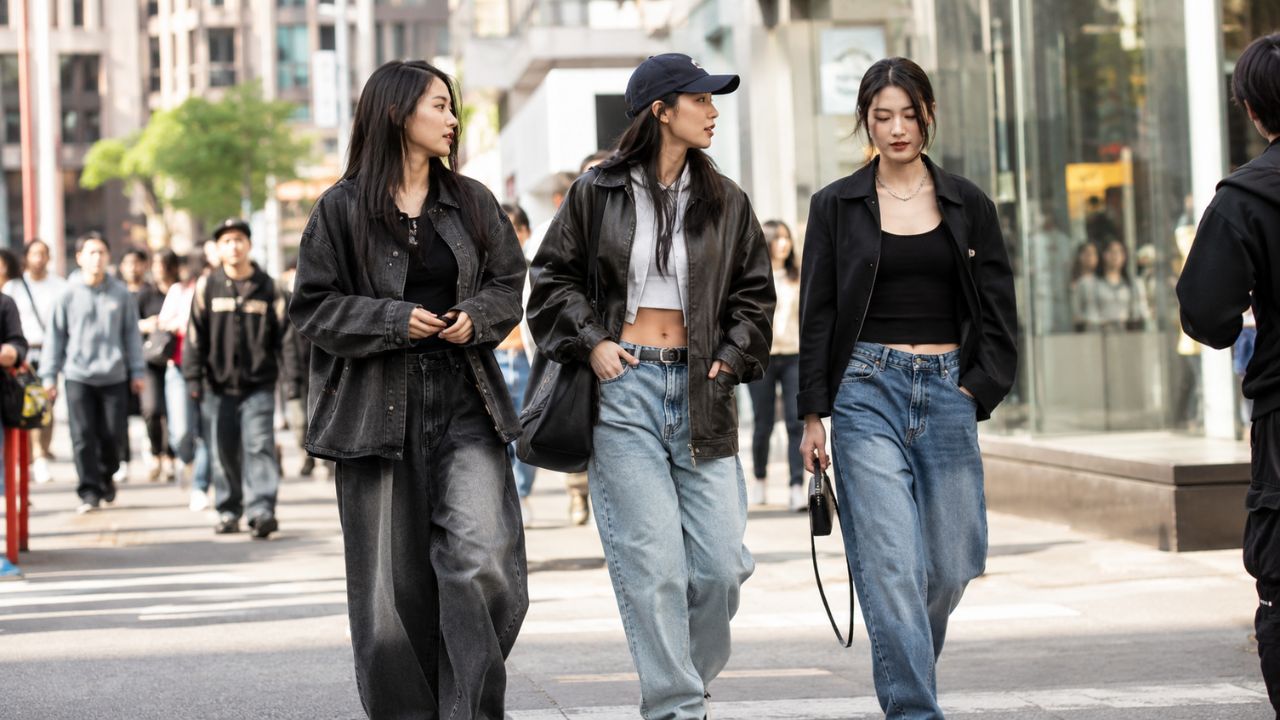
Spend a few minutes observing street style photos from Seoul, and you’ll notice something interesting: outfits often look effortless, yet highly considered. A simple oversized shirt paired with wide-leg trousers can appear polished because the proportions are carefully balanced. Accessories are subtle rather than excessive, and colours tend to work harmoniously rather than compete for attention.
For many Americans exploring Korean fashion for the first time, the challenge isn’t finding inspiration. Social media is overflowing with it. The real challenge is understanding why certain outfits work and adapting those principles to your own wardrobe, lifestyle, and body type. That’s where Korean style becomes genuinely useful rather than simply aspirational.
What Makes Korean Fashion Different?
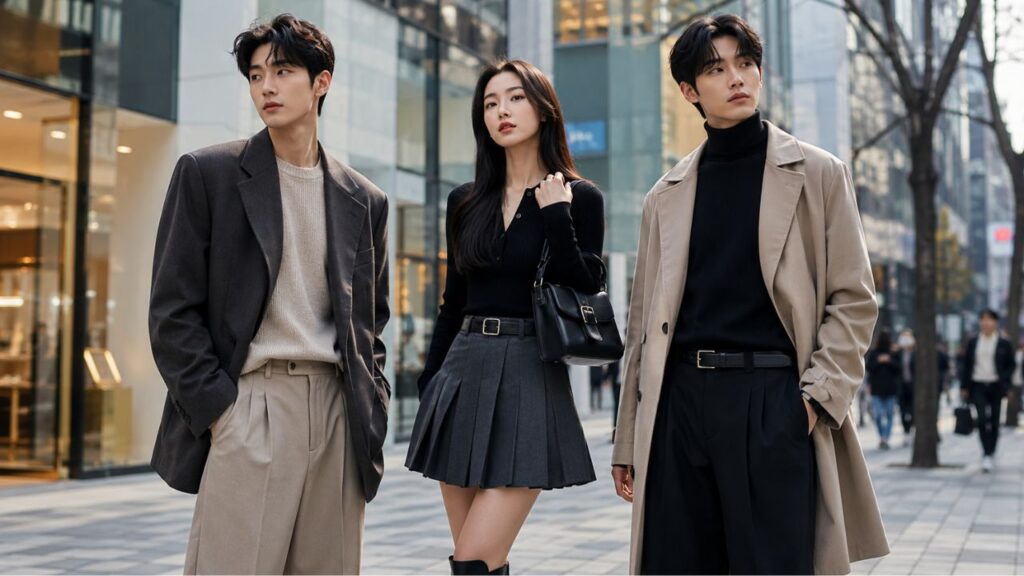
Korean fashion is often described as minimalist, but that’s only partly true. The style is actually built around versatility and thoughtful styling. Rather than relying heavily on bold prints or dramatic statement pieces, Korean outfits frequently emphasise silhouette and layering.
Oversized garments are one of the most recognisable features. Loose blazers, relaxed trousers, roomy knitwear, and oversized shirts dominate Korean street fashion. Yet the look rarely feels sloppy because volume is balanced intentionally. If the top is oversized, the trousers may have a structured fit. When both pieces are loose, careful tucking or layering creates definition.
Another defining characteristic is the preference for wearable trends. Korean fashion tends to reinterpret global trends in ways that feel practical for everyday life. Runway ideas are softened and adapted, making them easier to incorporate into a regular wardrobe.
Colour palettes also play an important role. Neutral shades such as beige, cream, black, grey, and white remain staples, while soft pastels frequently appear during spring and summer. These colours make mixing and matching considerably easier, which explains why many Korean-inspired wardrobes feel cohesive.
Popular Korean Fashion Aesthetics
One reason Korean fashion appeals to such a broad audience is the diversity of aesthetics available. There isn’t a single “correct” Korean style.
Minimalist Korean fashion focuses on clean lines, muted colours, and timeless pieces. Think tailored trousers, crisp button-down shirts, simple knitwear, and understated accessories. This aesthetic works particularly well for office settings and everyday wear.
Korean streetwear offers more experimentation. Oversized hoodies, cargo trousers, graphic tees, sneakers, and layered outerwear dominate this category. Seoul’s Hongdae district has become especially associated with youthful street style and trend experimentation.
The soft girl aesthetic remains extremely popular among younger fashion enthusiasts. Pleated skirts, cardigans, pastel shades, ribbon details, and delicate accessories create a feminine and youthful appearance. Many K-drama characters have helped popularise this look internationally.
Y2K-inspired Korean fashion has also experienced a major resurgence. Low-rise trousers, cropped cardigans, denim pieces, baby tees, and playful accessories reflect early-2000s nostalgia while maintaining the polished aesthetic often associated with Korean style.
K-pop idols frequently blend several aesthetics rather than adhering strictly to one. That’s an important lesson many newcomers overlook. Personal style usually develops by mixing influences rather than copying complete outfits.
Korean Fashion Trends Shaping 2026
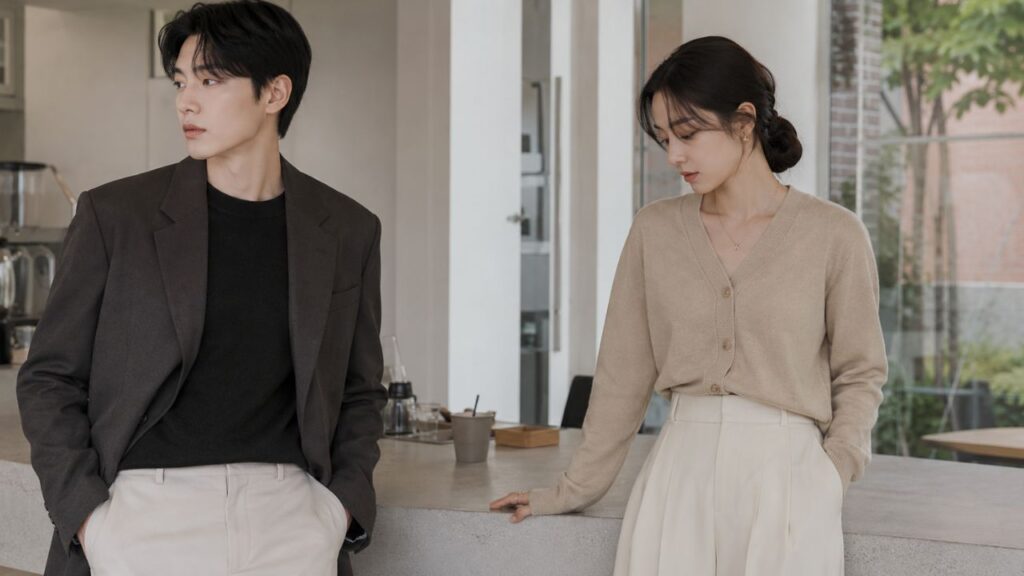
Fashion trends in Korea evolve quickly, yet certain themes continue to dominate.
Relaxed tailoring remains exceptionally strong. Oversized blazers paired with wide-leg trousers create an elegant but approachable silhouette suitable for both casual and professional environments. Many Korean brands have moved away from rigid tailoring in favour of softer construction and fluid fabrics.
Textured fabrics are becoming increasingly prominent. Bouclé jackets, ribbed knitwear, lightweight tweeds, and washed denim add visual interest without requiring bold colours or prints.
Another noticeable shift is the growing popularity of gender-neutral styling. Traditional distinctions between men’s and women’s fashion are becoming less significant, particularly among younger consumers. Relaxed fits, oversized outerwear, and minimalist accessories appeal across gender boundaries.
Current Korean fashion trends also emphasise practicality. Multi-functional pieces, comfortable footwear, and capsule wardrobes have gained momentum. This reflects changing consumer priorities rather than merely aesthetic preferences.
Some key wardrobe pieces appearing repeatedly include:
- Oversized blazers and structured jackets
- Wide-leg trousers and relaxed denim
- Lightweight cardigans and knitwear
- Long trench coats
- Loafers, ballet flats, and minimalist sneakers
Interestingly, fashion professionals in Seoul often recommend investing first in outerwear. A well-cut coat or blazer instantly elevates even the simplest outfit, which explains why outerwear receives so much attention in Korean styling.
Building a Korean-Inspired Wardrobe
Many people make the mistake of purchasing numerous trendy items immediately. A more effective approach is to start with versatile basics.
Begin with foundational pieces that can be styled repeatedly. A neutral oversized blazer, straight-leg jeans, white trainers, tailored trousers, and a quality knit sweater provide endless outfit possibilities.
Layering deserves special attention because it forms the backbone of Korean fashion. Successful layering isn’t about wearing more clothing. It’s about creating dimension. A fitted turtleneck beneath an oversized shirt, topped with a structured coat, creates visual depth while remaining practical.
Proportion matters even more than individual garments. One styling principle frequently used by Korean stylists is the “volume balance” approach. If you’re wearing oversized trousers, consider a slightly fitted or tucked-in top. If your top is extremely oversized, slimmer bottoms often create balance.
Accessories should complement rather than dominate. Minimal jewellery, simple handbags, baseball caps, and understated scarves are common choices. Korean fashion generally favours subtle refinement over dramatic accessorising.
Here’s a useful framework for beginners:
| Wardrobe Category | Essential Pieces |
| Tops | White shirt, fitted tee, oversized sweater |
| Bottoms | Wide-leg trousers, straight jeans, pleated skirt |
| Outerwear | Blazer, trench coat, cardigan |
| Shoes | White sneakers, loafers, ankle boots |
| Accessories | Structured bag, simple jewellery, cap |
This capsule approach makes outfit creation significantly easier while reducing unnecessary purchases.
Korean Fashion for Different Occasions and Seasons
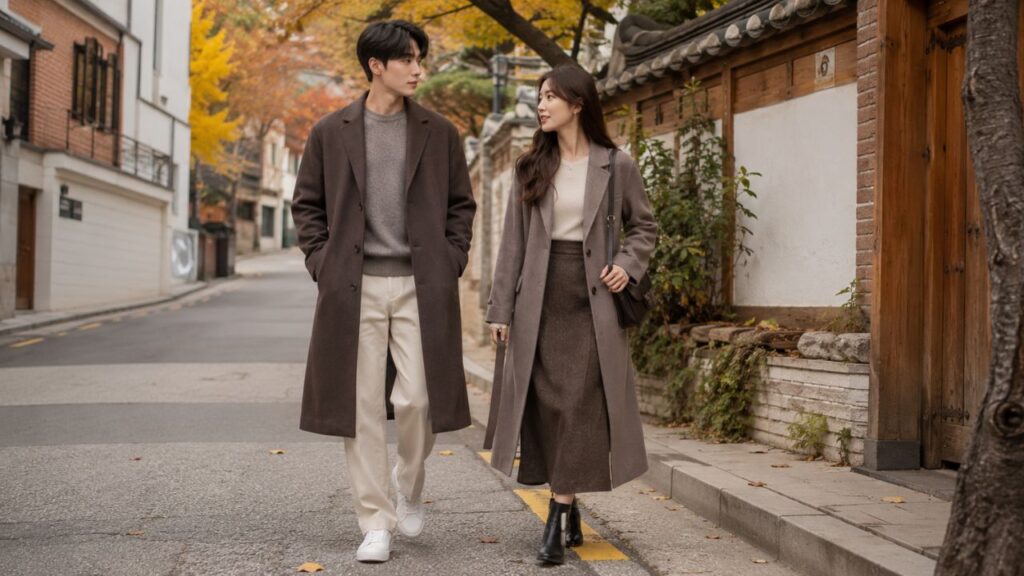
One strength of Korean fashion is its adaptability. The same core wardrobe can often transition across multiple occasions.
For casual everyday wear, Korean outfits frequently combine comfort with structure. Wide-leg denim paired with a tucked-in T-shirt and oversized cardigan creates an effortless look suitable for classes, errands, or social gatherings.
Office fashion in Korea tends to lean towards polished minimalism. Neutral blazers, midi skirts, tailored trousers, and elegant knitwear dominate professional settings. Unlike some Western office wardrobes, Korean workwear often prioritises soft silhouettes over sharply structured pieces.
Seasonal styling also deserves consideration.
Spring fashion typically embraces lighter fabrics and pastel colours. Trench coats, cardigans, and lightweight knitwear become essential transitional pieces.
Summer wardrobes focus on breathable fabrics such as cotton and linen. Oversized shirts, relaxed shorts, midi skirts, and loose dresses help maintain comfort without sacrificing style.
Autumn is arguably Korea’s strongest fashion season. Layering opportunities expand considerably, allowing for combinations of knitwear, jackets, scarves, and tailored outerwear.
Winter fashion places substantial emphasis on outerwear. Long wool coats, padded jackets, turtlenecks, and chunky knitwear dominate. In Seoul, winter outfits often demonstrate some of the most sophisticated layering techniques seen throughout the year.
K-Pop, K-Dramas, and the Global Rise of Korean Fashion
Ignoring the influence of entertainment on Korean fashion would be impossible. K-pop idols and K-drama actors shape consumer behaviour on a remarkable scale.
However, copying celebrity outfits exactly isn’t always practical. Stage costumes and editorial looks are designed for performance and visual impact rather than everyday life. The more useful approach is identifying recurring styling principles.
For example, many idols favour monochromatic outfits, oversized tailoring, and layered basics. These concepts translate easily into everyday wardrobes.
K-dramas have arguably had an even greater influence on mainstream consumers. Characters often wear highly wearable clothing that viewers can realistically recreate. Romantic dramas, in particular, have popularised soft feminine aesthetics, elegant outerwear, and sophisticated casualwear.
Several Korean fashion brands have also gained international recognition because of celebrity exposure. Online retailers now make Korean clothing considerably more accessible to American shoppers, although sizing differences remain important to consider.
Korean sizing typically runs smaller than standard US sizing. Checking measurements rather than relying solely on size labels can prevent disappointment. Reading customer reviews also provides valuable insight into fit and fabric quality.
Ultimately, the enduring appeal of Korean fashion isn’t simply about trends or celebrity influence. It’s the emphasis on balance, versatility, and thoughtful styling that keeps people returning to it year after year.
Korean style encourages experimentation while remaining practical enough for daily life. That combination is surprisingly rare in fashion, and perhaps explains why its influence continues to expand globally.
Frequently Asked Questions
What is Korean fashion style called?
There isn’t one official term. People commonly refer to it as K-fashion, which includes various aesthetics such as minimalist fashion, streetwear, soft girl style, and contemporary casualwear.
Why is Korean fashion so popular?
Korean fashion combines practicality with trend awareness. The global popularity of K-pop, K-dramas, and social media has also introduced Korean style to wider audiences.
Are Korean clothing sizes smaller than US sizes?
Yes. Korean sizing generally runs smaller than standard US sizing, so checking measurement charts before purchasing is strongly recommended.
How can I start dressing in Korean style?
Start with neutral basics, experiment with layering, prioritise balanced proportions, and gradually introduce Korean-inspired pieces rather than replacing your entire wardrobe immediately.
What are the essential pieces in a Korean wardrobe?
Key items include oversized blazers, relaxed trousers, quality knitwear, white sneakers, versatile outerwear, and simple accessories.