

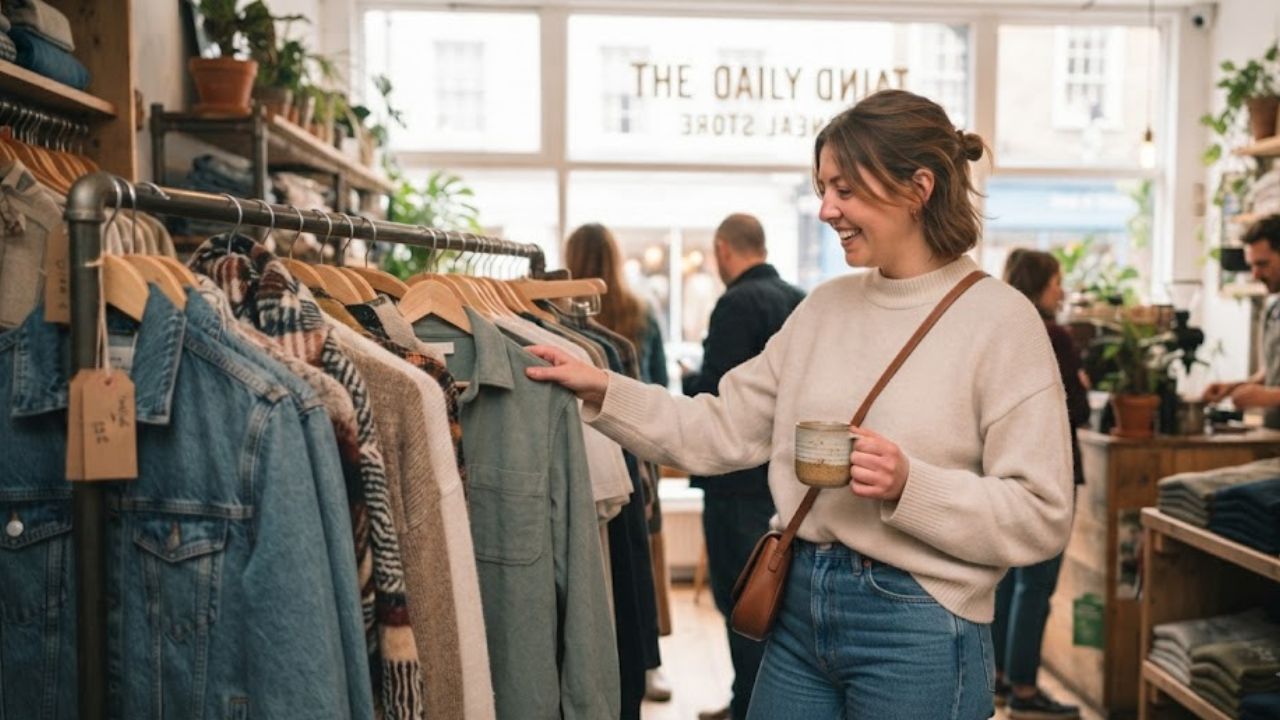
Casual Fashion & Everyday Style Explained sounds simple until you’re standing in front of your wardrobe wondering if jeans are too relaxed, trainers feel too sporty, or a jacket suddenly makes an outfit look overdressed. Most people don’t struggle because they lack clothing; they struggle because they haven’t learned how the pieces work together. Good casual style isn’t built around expensive brands or chasing every trend. It’s about creating outfits that feel comfortable, suit your lifestyle, and still look intentional.
Another misconception is that casual means careless. The strongest everyday outfits usually rely on clean fits, quality basics, balanced colours, and practical layers rather than loud statement pieces. Once you understand those principles, getting dressed becomes much easier. Instead of buying more clothes, you’ll start making better use of what you already own. That’s the real advantage of casual fashion—it gives you flexibility without sacrificing personal style.
What Casual Fashion Really Means
Casual Fashion & Everyday Style Explained is clothing designed for comfort, everyday activities, and relaxed social settings. That doesn’t mean every casual outfit looks the same. A white T-shirt with dark denim and white sneakers creates a very different impression from a hoodie paired with joggers, even though both fall into the casual category.
Casual Fashion & Everyday Style Explained The biggest mistake people make is treating casual clothing as random clothing. Experienced stylists look for balance. If the jeans have a relaxed fit, the top may be slightly more structured. If trainers are bold, the rest of the outfit often stays simple. Small adjustments like these create an outfit that appears thoughtful instead of thrown together.
Dress codes also influence what “casual” means. A weekend barbecue, an afternoon coffee meeting, and a creative office may all allow casual attire, but each calls for slightly different choices. Learning to read the occasion is just as valuable as knowing which clothes belong in a casual wardrobe.
Casual vs. Smart Casual vs. Business Casual
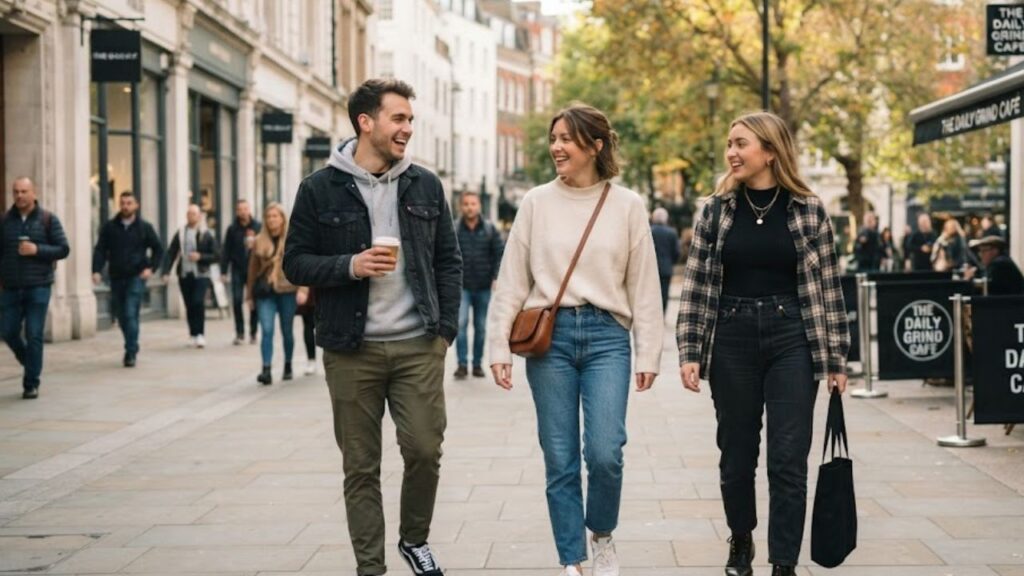
Casual Fashion & Everyday Style Explained Many people confuse these dress codes because they overlap.
| Style | Best For | Typical Clothing |
| Casual | Everyday activities, weekends, travel | T-shirts, jeans, sneakers, hoodies |
| Smart Casual | Restaurants, casual offices, dinners | Chinos, polo shirts, loafers, overshirts |
| Business Casual | Professional workplaces | Dress shirts, chinos, blazers, leather shoes |
Understanding these differences helps you avoid feeling overdressed or underdressed while making your wardrobe more versatile.
Building a Casual Wardrobe That Actually Works
Casual Fashion & Everyday Style Explained A stylish wardrobe doesn’t need dozens of options. It needs dependable pieces that combine easily. Many people keep buying individual items because they look attractive in a shop, only to discover they match almost nothing at home. A better approach is to build around versatile basics first and add personality later.
Start with neutral colours such as white, black, navy, grey, olive, and beige. These shades mix effortlessly, making outfit planning much easier. Then focus on quality rather than quantity. A well-made cotton T-shirt that keeps its shape after repeated washing offers more value than several cheaper alternatives that quickly lose their fit.
Casual Fashion & Everyday Style Explained Everyday essentials often include:
- Well-fitting jeans
- Chinos
- Plain T-shirts
- Polo shirts
- Oxford shirts
- Lightweight knitwear
- Denim jacket
- White sneakers
- Loafers
- A versatile bomber or overshirt
Notice that none of these pieces are particularly trendy. That’s intentional. Timeless clothing stays useful for years, while trend-driven purchases often feel outdated after one season.
Casual Fashion & Everyday Style Explained Fit deserves even more attention than style. Clothing that’s too loose can appear untidy, while clothing that’s too tight usually looks uncomfortable. The goal isn’t perfection; it’s proportion. Sleeves should finish neatly at the wrist, trousers should break naturally above the shoe, and shoulders should sit where they’re designed to.
Creating Casual Outfits for Different Occasions
One reason casual fashion remains popular is its adaptability. A few small changes can completely alter an outfit without requiring a different wardrobe.
For everyday errands, dark jeans, a fitted cotton T-shirt, and clean sneakers offer comfort while still looking polished. If you’re meeting friends for lunch, swapping the T-shirt for a polo shirt instantly makes the outfit feel more refined without becoming formal.
Weekend trips provide another opportunity to layer thoughtfully. A lightweight overshirt over a neutral tee creates visual interest while remaining practical if temperatures change throughout the day. During cooler months, adding a bomber jacket or denim jacket introduces texture without making the outfit feel heavy.
Casual Fashion & Everyday Style Explained Travel outfits deserve special attention because they combine comfort with functionality. Stretch chinos, breathable cotton tops, and lightweight trainers often outperform traditional jeans during long journeys. Layers are especially useful in airports and on flights, where temperatures can vary significantly.
Seasonal dressing follows the same principles. Summer outfits benefit from breathable fabrics such as cotton and linen, while autumn and winter rely more heavily on layering. Instead of replacing your wardrobe each season, experienced dressers simply adapt it with lightweight jackets, knitwear, scarves, or boots when needed.
Perhaps the most overlooked element is footwear. People often spend considerable money on clothing but neglect their shoes. Clean, well-maintained sneakers or loafers can elevate even a basic outfit, Casual Fashion & Everyday Style Explained while worn-out footwear can undermine an otherwise stylish look.
Casual Fashion for Women and Men
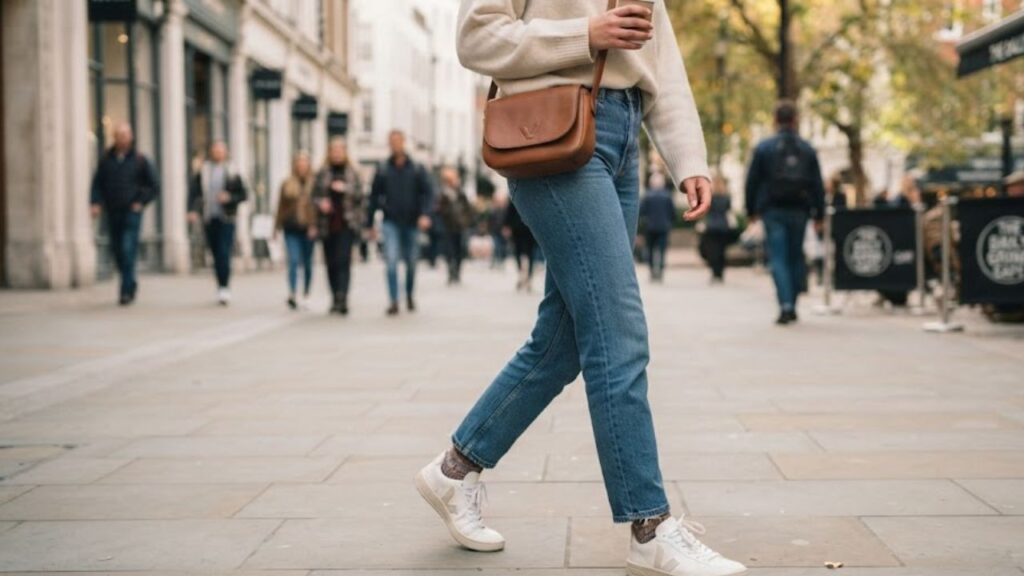
Casual Fashion & Everyday Style Explained Although fashion trends often differ, the foundations of casual style are remarkably similar for everyone: good fit, versatile basics, and clothing that suits your lifestyle. The details change, but the principles remain the same.
For women, a strong casual wardrobe might include well-cut jeans, straight-leg trousers, cotton T-shirts, knit jumpers, midi dresses, oversized shirts, trainers, loafers, and a lightweight trench or denim jacket. These pieces can be mixed into dozens of outfits without feeling repetitive. Accessories such as a leather crossbody bag, simple jewellery, or sunglasses add personality without overwhelming the look. Instead of following every seasonal trend, choose a few modern pieces that complement timeless staples.
Men benefit from the same approach. Dark denim, chinos, Oxford shirts, polo shirts, quality knitwear, and white sneakers provide countless combinations for everyday wear. An overshirt or bomber jacket can instantly make a simple outfit feel more complete. Grooming also plays a role. Casual Fashion & Everyday Style Explained Clean shoes, wrinkle-free clothing, and clothes that fit properly often make a bigger impression than wearing expensive designer labels.
A useful habit is to photograph outfits that work well. Over time, you’ll build a personal lookbook, making it easier to get dressed quickly without second-guessing your choices.
Fabrics, Colours, and the Details That Make a Difference
Casual Fashion & Everyday Style Explained Many articles focus almost entirely on clothing styles, yet fabric choice has a huge impact on comfort and appearance. Cotton remains one of the best everyday materials because it’s breathable, durable, and easy to care for. Linen is excellent in warm weather, offering excellent airflow even though it wrinkles naturally. Denim provides structure and durability, while lightweight wool and merino knitwear add warmth without excessive bulk during cooler months.
Colour coordination doesn’t need to be complicated. Most stylish casual wardrobes rely on a consistent palette rather than dozens of unrelated colours. Neutral shades create flexibility, Casual Fashion & Everyday Style Explained while one or two accent colours prevent outfits from feeling flat. Navy pairs well with white, grey, olive, beige, and light blue. Earth tones work beautifully together during autumn, while lighter colours often suit spring and summer wardrobes.
Texture deserves attention as well. Combining denim, cotton, knitwear, leather, and canvas creates visual interest even when the colour palette remains simple. That’s one reason monochrome outfits rarely look boring—they rely on texture instead of bright colours to create depth.
Accessories should support an outfit rather than dominate it. A classic watch, leather belt, quality sunglasses, or canvas tote bag usually adds enough character without making the outfit appear overly styled.
Common Mistakes and Expert Styling Tips
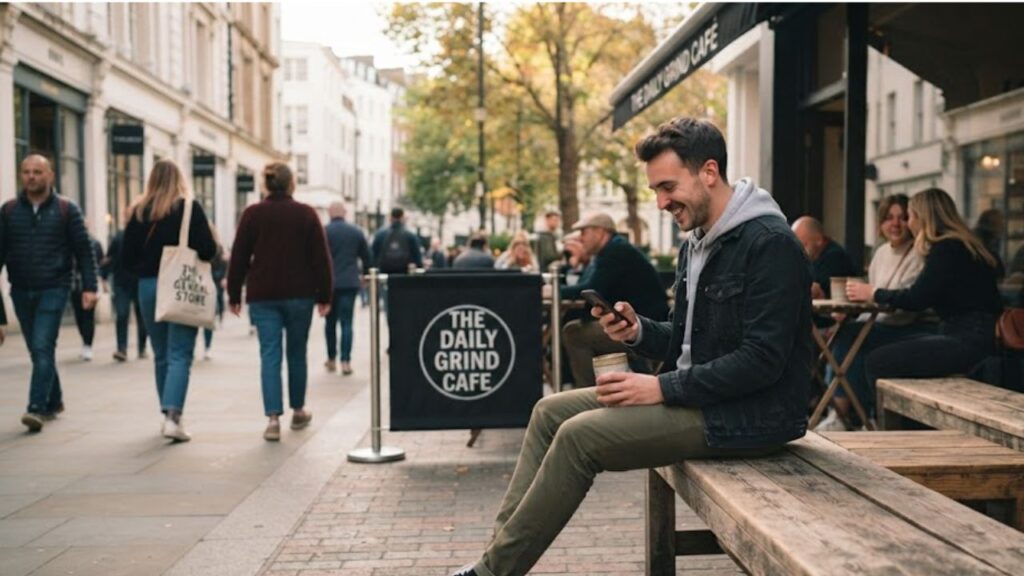
Casual Fashion & Everyday Style Explained Most wardrobe problems aren’t caused by buying the wrong clothes—they’re caused by styling them poorly. One of the most common mistakes is choosing size over fit. Oversized clothing can look fashionable when done intentionally, but garments that simply don’t fit rarely create the same effect.
Another frequent mistake is relying too heavily on trends. Fashion changes quickly, but personal style develops gradually. Building a wardrobe around timeless essentials gives you a reliable foundation, allowing you to introduce seasonal trends without replacing everything you own.
Experienced stylists also recommend dressing for your daily routine rather than your ideal lifestyle. If you spend most of your week commuting, walking, or travelling, comfortable shoes and durable fabrics deserve a larger share of your wardrobe than occasion wear. Clothes should support your life, not complicate it.
Quality doesn’t always mean luxury. A well-made pair of jeans that lasts five years usually offers better value than several cheaper pairs that lose their shape after a few months. Casual Fashion & Everyday Style Explained The same principle applies to trainers, jackets, knitwear, and everyday basics.
One practical exercise is the “three-outfit rule.” Before buying any new item, ask yourself if you can create at least three outfits using clothes you already own. If the answer is no, it may not be the best investment. This simple habit reduces impulse purchases and helps build a wardrobe where nearly everything works together.
Frequently Asked Questions
What is considered casual attire?
Casual Fashion & Everyday Style Explained Casual attire includes comfortable everyday clothing such as jeans, chinos, T-shirts, polo shirts, casual dresses, knitwear, trainers, loafers, and lightweight jackets. The exact outfit depends on the setting, weather, and occasion.
Can jeans be worn for a casual dress code?
Yes. Jeans are one of the most common pieces of casual clothing. Dark, well-fitting jeans generally appear more polished than distressed or heavily faded styles, making them suitable for a wider range of situations.
What’s the difference between casual and smart casual?
Casual style prioritises comfort and relaxed dressing, while smart casual introduces more structured garments such as blazers, chinos, Oxford shirts, and loafers. Smart casual looks more refined but still avoids the formality of traditional business wear.
How can I make casual outfits look more stylish?
Focus on fit, clean footwear, quality fabrics, coordinated colours, and thoughtful layering. Small improvements in these areas usually have a greater impact than buying expensive statement pieces.
Conclusion
Casual fashion isn’t about owning the biggest wardrobe or following every trend that appears on social media. It’s about understanding how clothing works together and choosing pieces that match your lifestyle. A handful of well-made basics, reliable footwear, and a consistent colour palette can produce far more outfits than a wardrobe filled with impulse purchases.
As your personal style develops, you’ll probably find yourself buying less but wearing more of what you own. That’s often the point where casual dressing becomes effortless. Instead of wondering what to wear each morning, you’ll have a collection of versatile clothes that feel comfortable, look polished, and reflect your personality without trying too hard.