
What Is Kogal? Fashion trends often begin as a reaction to something. Sometimes they’re a response to social expectations. Other times they’re simply young people finding new ways to express themselves. Kogal emerged from both impulses at once.
If you’ve spent any time exploring Japanese street fashion, you’ve probably come across the term “Kogal.” It’s frequently mentioned alongside Gyaru, Ganguro, and other iconic Japanese subcultures, yet many people outside Japan misunderstand what it actually represents. Some assume it’s just a school uniform trend. Others view it as a short-lived fashion craze from the 1990s.
The reality is far more interesting.
Kogal wasn’t merely about clothes. It became a cultural movement that challenged traditional ideas about youth, beauty, and self-expression in Japan. Its influence can still be seen today in fashion, beauty trends, social media aesthetics, and even global streetwear culture.
What Is Kogal?
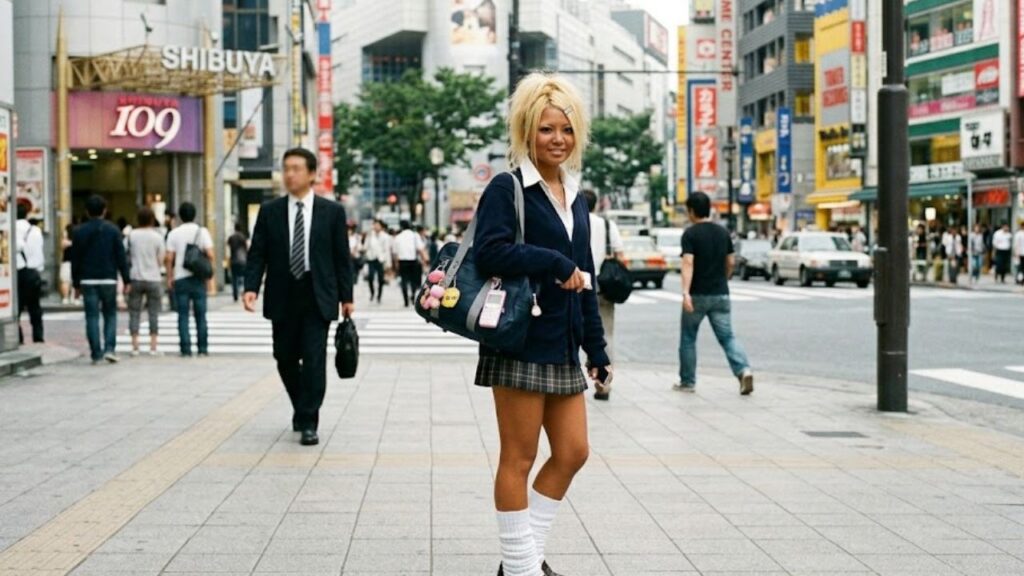
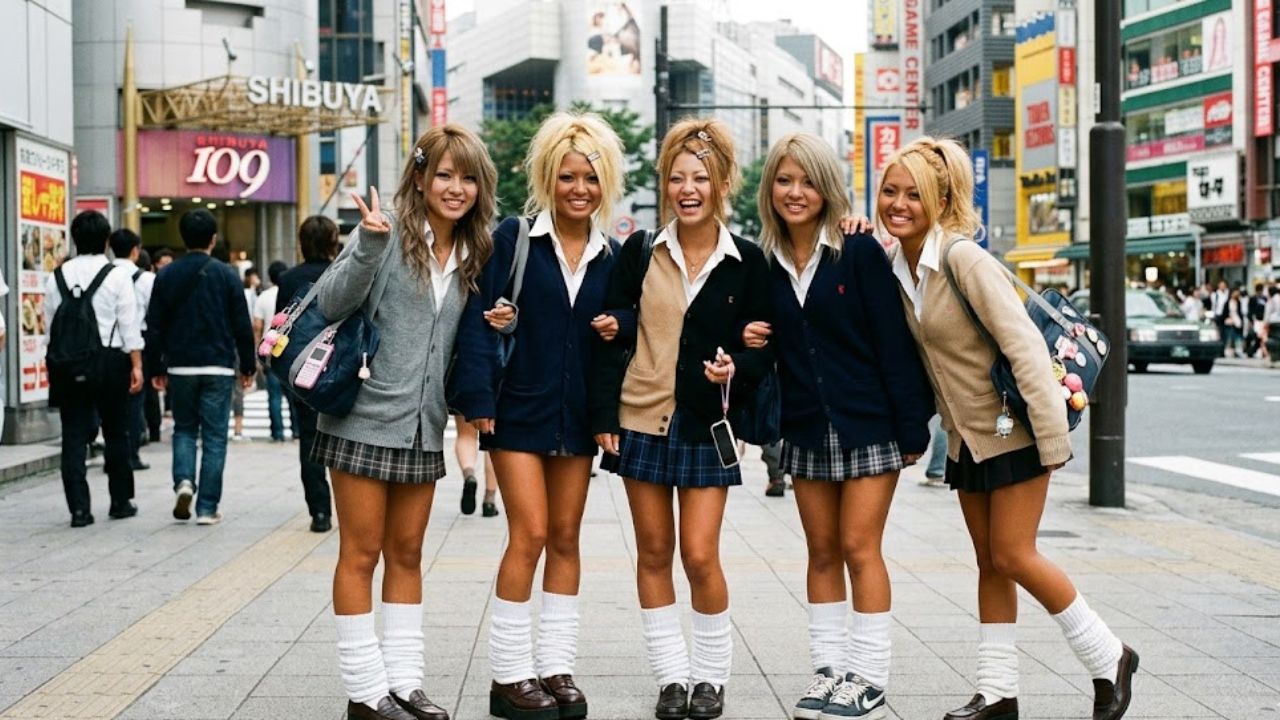
What Is Kogal? refers to a Japanese youth fashion subculture that became highly visible during the 1990s and early 2000s. The style is closely associated with teenage girls who customized school uniforms and combined them with trendy accessories, dyed hair, loose socks, and fashionable footwear.
Although Kogal is often grouped under the broader Gyaru umbrella, the two aren’t exactly the same thing. Gyaru developed into a large fashion movement with numerous substyles, while Kogal focused more specifically on school-age fashion and youth culture.
One reason people still find Kogal fascinating is that it transformed something ordinary—a school uniform—into a symbol of individuality. Instead of wearing uniforms exactly as intended, Kogal girls adapted them to create a look that felt personal and fashionable.
That small act of customization became surprisingly influential.
How Kogal Fashion Began
To understand Kogal, it helps to look at Japan during the 1990s.
The country was experiencing major economic and social changes. At the same time, young people were gaining greater influence over fashion trends and consumer culture. Areas such as Shibuya in Tokyo became gathering places for teenagers who wanted to create styles separate from mainstream expectations.
What Is Kogal? School uniforms already played a significant role in Japanese student life. Rather than rejecting them entirely, Kogal fashion reimagined them.
Typical modifications included:
- Shorter skirts
- Oversized cardigans
- Loose socks
- Platform shoes
- Dyed brown or blonde hair
- Trendy handbags and accessories
What made the style unique wasn’t any single item. It was the combination of youthful rebellion and fashion-conscious creativity.
Many fashion historians point out that Kogal represented one of the first major youth movements in Japan driven largely by teenage girls themselves rather than by designers or established fashion brands. That’s a detail competitors often overlook when discussing the trend.
Kogal wasn’t simply following fashion. It was creating it.
Why Kogal Became a Cultural Phenomenon
What Is Kogal? Fashion alone doesn’t explain why Kogal attracted so much attention.
The movement emerged during a period when young women were increasingly interested in defining their own identities outside traditional social expectations. Clothing became a visible way to communicate independence, confidence, and group belonging.
What made Kogal particularly influential was its relationship with consumer culture. Teenagers became major trendsetters. Popular brands, magazines, beauty products, and accessories quickly adapted to meet demand from this growing audience.
The media’s fascination with Kogal also amplified its visibility. Newspapers, television programs, and magazines frequently discussed the trend, sometimes celebrating it and sometimes criticizing it.
That attention only made the movement more recognizable.
A common misconception is that Kogal was entirely about rebellion. In reality, many participants simply enjoyed fashion and socializing with friends. Like most youth subcultures, it included a wide range of personalities and motivations.
Reducing it to a single stereotype misses much of what made the trend significant.
The Fashion Elements That Defined Kogal
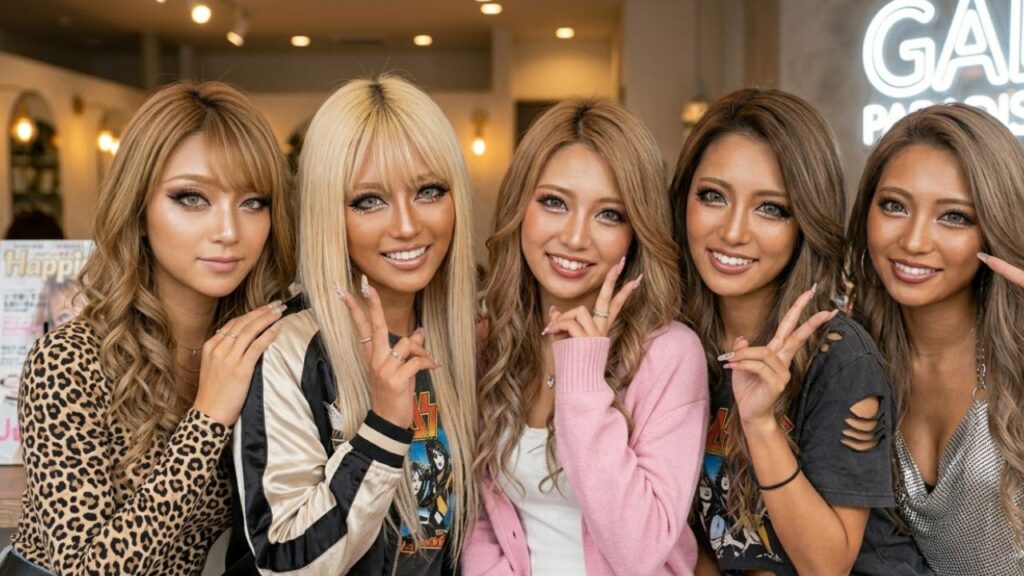
What Is Kogal? Certain pieces became strongly associated with the Kogal aesthetic.
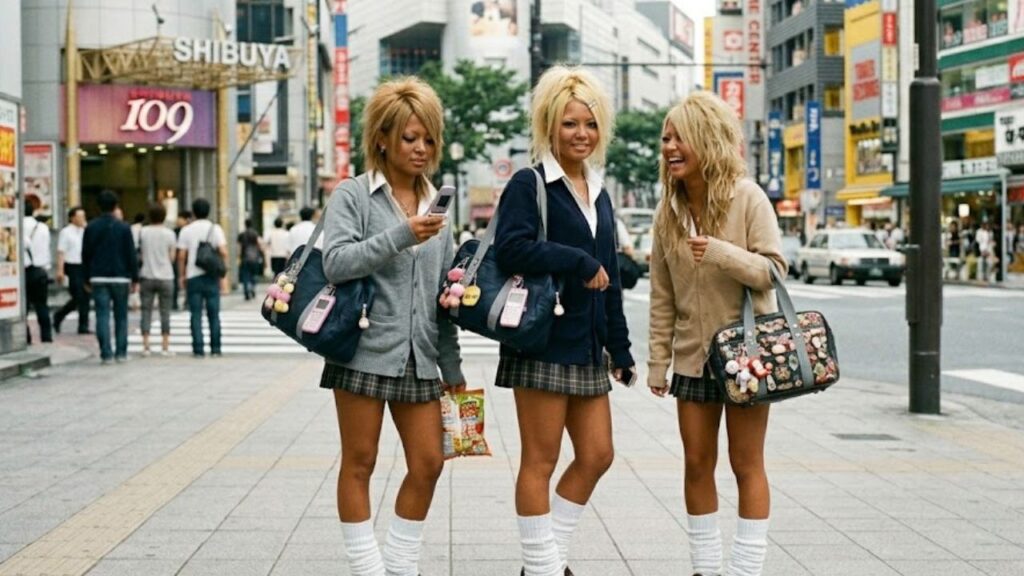
Loose socks are probably the most recognizable example. These oversized socks created a distinctive silhouette and became a status symbol among many students during the height of the trend.
The school uniform itself remained central, but it was rarely worn conventionally. Skirts were often altered, sweaters were styled differently, and accessories played a larger role than many outsiders realized.
Hair was another defining feature. While natural black hair remained common across Japan, many Kogal girls experimented with lighter shades such as brown, honey blonde, or caramel tones. This choice helped distinguish them from more traditional beauty standards.
Accessories also mattered.
Popular choices included:
- Designer handbags
- Hair clips and ribbons
- Mobile phone charms
- Jewelry
- Platform shoes
What Is Kogal? One interesting detail often overlooked is the role technology played in Kogal culture. Early mobile phones became fashion accessories in their own right. Decorative phone charms and customized devices helped shape youth identity long before smartphones existed.
In many ways, Kogal anticipated the personalized digital aesthetics that dominate social media today.
Makeup, Beauty, and Personal Expression
What Is Kogal? When people hear about Gyaru-related styles, they often picture dramatic makeup. Kogal makeup was generally more restrained than later substyles such as Ganguro.
The goal wasn’t necessarily to create an extreme transformation. Instead, many Kogal looks emphasized youthful glamour through carefully applied makeup and trendy hairstyles.
Popular beauty choices included subtle contouring, defined eyes, glossy lips, and carefully shaped eyebrows. The focus was often on looking fashionable and modern rather than theatrical.
Hair styling played an equally important role. Straightened hair, layered cuts, and soft curls became common among fashion-conscious teens. Lighter hair colors helped complete the overall aesthetic.
What stands out when looking back at Kogal beauty trends is how many techniques eventually entered mainstream fashion. Today, elements once considered rebellious are widely accepted across global beauty culture.
What Is Kogal? Fashion trends frequently begin at the edges before moving into the center.
Kogal provides a clear example of that process.
Kogal, Gyaru, and Other Japanese Fashion Styles
One of the biggest sources of confusion is the relationship between Kogal and Gyaru.
What Is Kogal? The simplest explanation is that Kogal can be viewed as part of the broader Gyaru movement, but not every Gyaru style is Kogal.
| Feature | Kogal | Gyaru |
| Main Focus | School-inspired fashion | Broad fashion movement |
| Typical Age Group | Teenagers | Teenagers and young adults |
| Uniform Influence | Strong | Varies by substyle |
| Makeup Intensity | Moderate | Can range from moderate to dramatic |
| Fashion Variations | Relatively focused | Many distinct substyles |
As Gyaru evolved, new substyles emerged. Ganguro became known for deep tans and dramatic makeup. Hime Gyaru embraced princess-inspired fashion. Agejo adopted a glamorous nightlife aesthetic.
What Is Kogal? Kogal remained closely tied to youth culture and school-inspired fashion.
Understanding these distinctions helps explain why Kogal occupies a unique place in Japanese street fashion history.
The Evolution and Revival of Kogal
Like most youth trends, Kogal eventually declined from its peak popularity.
By the mid-2000s, fashion tastes were changing. New trends emerged, and many former participants grew older. Yet the style never disappeared completely.
Instead, it evolved.
What Is Kogal? Social media has introduced Kogal to a new generation that wasn’t alive during the trend’s original rise. Platforms such as TikTok and Instagram have encouraged renewed interest in vintage Japanese fashion, nostalgic aesthetics, and Y2K-inspired styling.
This revival differs from the original movement in important ways.
Many modern enthusiasts approach Kogal through historical appreciation rather than direct participation in Japanese youth culture. They study fashion archives, collect vintage pieces, and recreate iconic looks while adding contemporary influences.
The result is a blend of old and new.
What Is Kogal? Rather than functioning as a large-scale social movement, modern Kogal often exists as a fashion niche celebrated by enthusiasts around the world.
Kogal’s Lasting Influence on Fashion
Fashion trends are often judged by how long they remain popular. A better measure is how much influence they leave behind.
By that standard, Kogal was remarkably successful.
The movement helped demonstrate the power of youth consumers, particularly young women, in shaping fashion markets. It showed that street style could influence mainstream culture rather than simply following it.
Many ideas associated with Kogal now feel familiar: personalized fashion, customized accessories, trend-driven beauty routines, and the blending of school-inspired clothing with streetwear elements.
Even contemporary fashion brands continue drawing inspiration from aesthetics that became popular during the height of Kogal culture.
More importantly, Kogal remains a reminder that fashion is rarely just about clothing. It reflects identity, social change, and the desire to stand out while belonging to a community at the same time.
That’s why people continue discussing Kogal decades after its peak.
Frequently Asked Questions
What does Kogal mean?
Kogal refers to a Japanese youth fashion subculture associated with fashionable teenage girls, customized school uniforms, trendy accessories, and a strong connection to 1990s youth culture.
Is Kogal the same as Gyaru?
No. Kogal is closely connected to Gyaru but is more specifically focused on school-inspired fashion and teenage culture. Gyaru includes many different fashion substyles.
Why are loose socks associated with Kogal?
Loose socks became one of the most recognizable symbols of Kogal fashion because they helped create the distinctive silhouette associated with the trend.
Is Kogal still popular today?
The original movement is no longer as widespread as it was during the 1990s and early 2000s, but interest has returned through social media, vintage fashion communities, and Japanese fashion enthusiasts.
How did Kogal influence modern fashion?
Kogal helped popularize youth-driven fashion trends, personalized accessories, beauty experimentation, and street-style influences that continue to shape fashion culture today.
Kogal may have begun as a fashion movement among Japanese teenagers, but its influence extends far beyond its original moment in history. What started with modified school uniforms evolved into a cultural phenomenon that challenged expectations, shaped beauty trends, and inspired future generations of fashion enthusiasts. Understanding Kogal isn’t just about understanding a style—it’s about understanding how young people use fashion to express identity, creativity, and independence.