

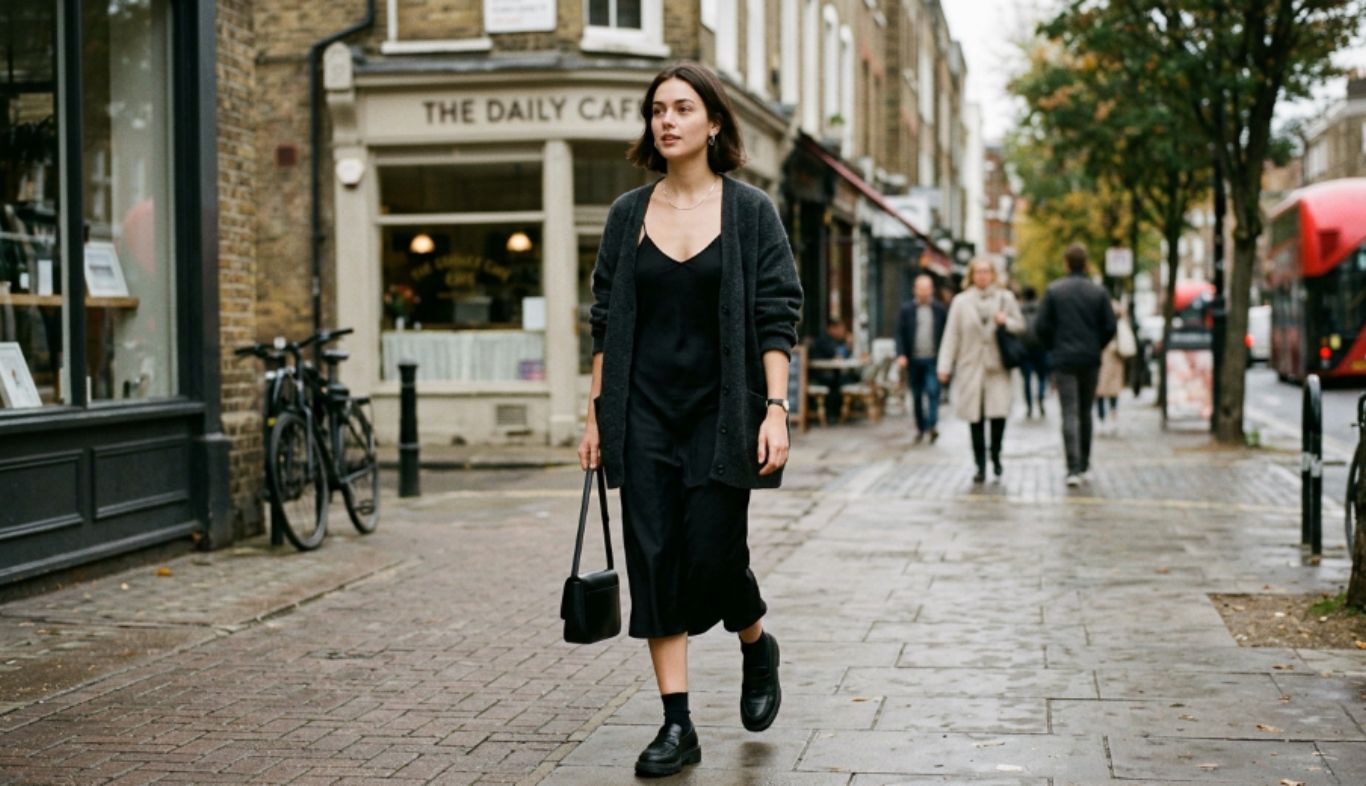
90s Minimalist Fashion is one of those style movements that proves you don’t need a complicated wardrobe to look polished. Instead of relying on loud patterns, excessive accessories, or constantly changing trends, this aesthetic focuses on clean silhouettes, understated colors, quality basics, and effortless styling. The look became especially recognizable during the 1990s, when fashion increasingly embraced simplicity. Straight-leg denim, fitted T-shirts, slip dresses, tailored trousers, simple button-down shirts, understated sneakers, and sleek accessories became wardrobe staples. The overall effect was relaxed without looking careless and sophisticated without appearing overly formal.
Today, the appeal is stronger than ever. Modern shoppers are increasingly interested in versatile clothing that can be worn in several ways. A simple black dress, for example, can work for a coffee date, office event, or evening dinner depending on the shoes and accessories. The good news? You don’t need an enormous budget to recreate the aesthetic. You also don’t need an exact vintage wardrobe. By understanding the principles behind the style, you can combine vintage-inspired pieces with contemporary basics.
What Is 90s Minimalist Fashion?
At its heart, 90s Minimalist Fashion is about reducing an outfit to its most useful and visually balanced elements. Rather than asking, “What else can I add?” the minimalist approach asks, “What can I remove while keeping the outfit interesting?” This philosophy created a distinctive 1990s look.
The Philosophy Behind the Style
Minimalist fashion emphasizes:
- Simple silhouettes
- Neutral and muted colors
- Functional clothing
- High-quality basics
- Subtle accessories
- Comfortable proportions
- Versatile wardrobe pieces
- Clean and uncluttered styling
The aesthetic isn’t necessarily plain. That’s an important distinction. A simple outfit can still have personality through fabric, fit, proportion, texture, and layering. For example, a white fitted T-shirt with straight-leg black trousers may look extremely simple. Add a structured leather bag, small sunglasses, and loafers, and suddenly the outfit has a strong visual identity.
Why the 1990s Remain Influential
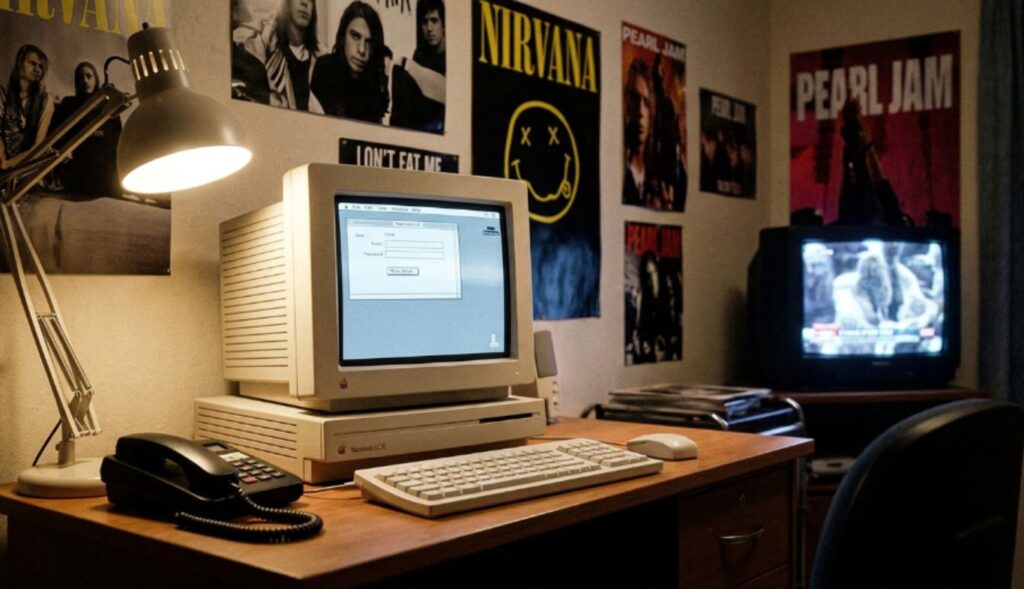
The 1990s offered a refreshing contrast to the highly decorated styles that dominated some earlier periods. Designers and celebrities helped popularize pared-back dressing, while everyday fashion embraced practical denim, simple tops, relaxed tailoring, and understated accessories.
The aesthetic has also benefited from modern nostalgia. Younger generations often reinterpret older fashion rather than copying it exactly. As a result, 90s-inspired minimalism continues to appear in contemporary wardrobes. For historical fashion context, the Metropolitan Museum of Art’s Costume Institute collection is a useful resource for exploring how clothing styles have evolved across different periods.
Key Characteristics of the 90s Minimalist Aesthetic
Several features immediately make an outfit feel authentically minimalist and 90s-inspired.
1. Clean Lines
Straight and uncomplicated shapes are essential. Think straight-leg jeans, simple skirts, tailored trousers, fitted tanks, and structured coats.
2. Neutral Colors
Black, white, gray, cream, navy, brown, and beige form the foundation. These colors make individual pieces easy to combine.
3. Simple Fabrics
Cotton, denim, wool, leather, silk, linen, and ribbed knits work particularly well. Texture becomes more important when prints are limited.
4. Understated Accessories
Instead of wearing several statement pieces at once, choose one or two subtle accessories. Small hoops, a simple watch, narrow sunglasses, or a structured handbag can be enough.
5. Effortless Proportions
The 90s look often mixes fitted and relaxed pieces. A fitted tank might be paired with loose trousers, while an oversized blazer can balance a slim skirt.
Essential Clothing Pieces for 90s Minimalist Fashion
Building a minimalist wardrobe starts with selecting versatile pieces. You don’t need dozens of items. In fact, having fewer pieces can make getting dressed easier because everything has a clear purpose.
The Classic White T-Shirt
A clean white T-shirt is arguably one of the most useful pieces in a minimalist wardrobe. Choose a shape that suits your preferred proportions. A fitted version creates a sleek silhouette, while a slightly oversized version produces a relaxed 90s feel.
Pair it with:
- Straight-leg jeans
- Black trousers
- Slip skirts
- Denim shorts
- Tailored pants
- Simple maxi skirts
The secret is quality and fit. A basic T-shirt should look intentional rather than like an afterthought.
Straight-Leg Jeans
Denim is central to the aesthetic. Straight-leg jeans are particularly versatile because they balance fitted tops and relaxed outerwear.
Classic washes work best:
- Medium blue
- Dark indigo
- Washed black
- Vintage-inspired faded denim
Avoid choosing denim simply because it’s trendy. The goal is to find a cut that works with several outfits.
Tailored Black Trousers
Black trousers instantly elevate a minimalist wardrobe. They can replace jeans when you want something slightly more polished. Try pairing them with a fitted tank, tucked white shirt, or simple knit sweater. Finish the outfit with loafers or minimalist sneakers.
Slip Dresses
The slip dress became an iconic minimalist garment because of its simple shape.
Look for:
- Thin straps
- Fluid fabric
- Minimal decoration
- Neutral or muted colors
- Midi or maxi lengths
A slip dress can be worn alone during warmer weather or layered with a T-shirt, cardigan, blazer, or leather jacket.
Simple Button-Down Shirts
A white, cream, or pale blue button-down shirt can add structure without overwhelming an outfit.
Wear it:
- Fully buttoned with trousers
- Open over a tank top
- Tucked into denim
- Tied loosely over a dress
- Layered under a sweater
That’s what makes minimalist fashion so practical: one garment can create multiple looks.
The Perfect 90s Minimalist Color Palette
Color plays a major role in making an outfit feel cohesive. A strong minimalist wardrobe typically starts with a neutral foundation.
| Color | Best Uses |
|---|---|
| Black | Dresses, trousers, jackets, shoes |
| White | T-shirts, shirts, tanks |
| Gray | Sweaters, coats, casual basics |
| Beige | Trousers, jackets, knitwear |
| Cream | Shirts, dresses, sweaters |
| Navy | Denim, tailoring, outerwear |
| Brown | Bags, leather pieces, shoes |
| Olive | Jackets and casual layers |
You don’t have to eliminate color entirely. Muted burgundy, forest green, dusty blue, or soft brown can work beautifully. The trick is to keep the overall palette controlled.
Try the Three-Color Rule
A simple way to maintain visual balance is to build an outfit around no more than three major colors.
For example: White T-shirt + black trousers + brown loafers or Cream sweater + blue jeans + black boots This isn’t a strict fashion law. It’s simply a useful starting point.
Tops That Define the Minimalist 90s Look
The right tops can transform basic bottoms into completely different outfits.
Fitted Tank Tops
Ribbed or plain tank tops work particularly well with relaxed denim and trousers.
Baby Tees
A simple fitted tee creates a youthful 90s silhouette. Keep the design understated rather than covered in large graphics.
Oversized Button-Down Shirts
These provide an easy layering option and create contrast against slimmer pieces.
Fine-Knit Sweaters
Neutral sweaters are ideal for transitional weather. Look for simple crewnecks, cardigans, or V-necks.
Mock Necks
A fitted black or gray mock neck can create a sophisticated minimalist outfit with almost no effort.
Bottoms That Define the Look
Bottoms establish the proportions of an outfit, so choosing the right silhouette matters.
Straight-Leg Denim
This is a reliable everyday option. It works with sneakers, loafers, boots, and sandals.
Relaxed Trousers
Wide or relaxed trousers can modernize a 90s-inspired outfit. Balance them with a fitted top.
Slip Skirts
A satin or silky slip skirt adds movement while maintaining simplicity.
Minimalist Midi Skirts
Straight or slightly A-line skirts work especially well with tucked-in shirts and fitted knits.
Denim Skirts
A simple denim skirt can create a casual 90s-inspired outfit when paired with a basic tank and sneakers.
Dresses and Layering Techniques
Layering is where minimalist fashion becomes especially interesting. A plain slip dress can look completely different depending on what you wear underneath or over it.
Try these combinations:
- Slip dress + fitted T-shirt
- Slip dress + oversized cardigan
- Slip dress + tailored blazer
- Midi dress + leather jacket
- Simple dress + long coat
The goal isn’t to create complicated layers. Instead, each layer should have a clear function.
The Fitted-and-Loose Formula
One of the easiest styling tricks is combining different proportions.
For example: Fitted tank + relaxed trousers or Oversized blazer + slim skirt This prevents the outfit from looking either too tight or too shapeless.
Shoes and Accessories That Complete the Look
Shoes can completely change the personality of a minimalist outfit.
Popular Choices
- White minimalist sneakers
- Black loafers
- Simple leather boots
- Ballet flats
- Low-profile sandals
- Classic ankle boots
Accessories should remain purposeful.
Useful Accessories
A small shoulder bag, leather belt, simple sunglasses, delicate jewelry, or understated watch can finish the outfit. You don’t need five necklaces and three bracelets. Sometimes one carefully selected accessory does more.
How to Build a 90s Minimalist Capsule Wardrobe
A capsule wardrobe makes the aesthetic easier to maintain. Start with approximately 15–25 versatile pieces rather than buying everything at once.
Suggested Capsule
| Category | Pieces |
|---|---|
| Tops | White tee, black tee, tank, button-down |
| Bottoms | Straight jeans, black trousers, midi skirt |
| Dresses | Slip dress, simple midi dress |
| Layers | Cardigan, blazer, leather jacket |
| Outerwear | Long coat or minimalist trench |
| Shoes | Sneakers, loafers, boots |
| Accessories | Belt, shoulder bag, sunglasses |
Before buying anything, ask three questions:
Can I wear it with at least three existing pieces?
Does the fit work with my body proportions?
Would I still want it if it weren’t trending?
If the answer is yes, it’s probably a worthwhile addition.
11 Powerful Ways to Style 90s Minimalist Fashion
1. Start With One Strong Basic
Build an outfit around a white tee, black trousers, or straight-leg jeans.
2. Mix Fitted and Relaxed Pieces
This creates visual balance without requiring complicated styling.
3. Use Neutral Colors as Your Foundation
Keep most of your wardrobe in shades that naturally coordinate.
4. Add Texture Instead of Loud Prints
Ribbed cotton, denim, suede, leather, wool, and silk can make a simple outfit more interesting.
5. Choose Minimalist Footwear
Loafers, sneakers, and simple boots reinforce the understated aesthetic.
6. Use Accessories Sparingly
Select one or two pieces that complement the outfit.
7. Prioritize Fit
A $30 garment with excellent proportions can look better than an expensive piece that fits poorly.
8. Experiment With Layering
Use cardigans, blazers, shirts, and jackets to create new combinations.
9. Don’t Overthink Matching
Minimalism doesn’t mean every item has to match perfectly. Similar tones and balanced proportions are usually enough.
10. Combine Vintage and Modern Pieces
A vintage-inspired jacket can work beautifully with contemporary denim and modern sneakers.
11. Let the Outfit Breathe
One of the biggest minimalist secrets is leaving visual space. Not every area of an outfit needs decoration.
Common 90s Minimalist Fashion Mistakes to Avoid
Even a simple aesthetic can go wrong.
Mistake 1: Confusing Minimalism With Boring Clothes
Minimalism is about intentionality, not lack of personality. Interesting textures, silhouettes, and accessories can keep an outfit visually appealing.
Mistake 2: Buying Too Many Basics
A minimalist wardrobe can still become cluttered if you own ten nearly identical white T-shirts. Buy according to actual needs.
Mistake 3: Ignoring Proportion
A loose top with loose trousers can sometimes make the entire outfit look shapeless. Try balancing proportions.
Mistake 4: Overusing 90s Trends
You don’t need to recreate an entire decade from head to toe. One or two references are often enough.
Mistake 5: Forgetting Modern Comfort
Today’s clothing options offer improved fabrics and construction. There’s no reason to sacrifice comfort simply to achieve a retro appearance.
How to Make 90s Minimalist Fashion Feel Modern
The easiest way to update the aesthetic is to preserve its principles while changing the proportions.
For example, instead of wearing a completely vintage-looking outfit, combine: 90s-inspired straight jeans + modern fitted knit + contemporary sneakers
Or try: Classic slip dress + oversized blazer + minimalist boots This approach prevents the outfit from looking like a costume. Modern minimalism also allows more relaxed silhouettes, sustainable materials, technical fabrics, and gender-neutral styling. The key is to borrow the idea of the 1990s rather than copying every detail.
Sustainable Shopping Tips for a Minimalist Wardrobe
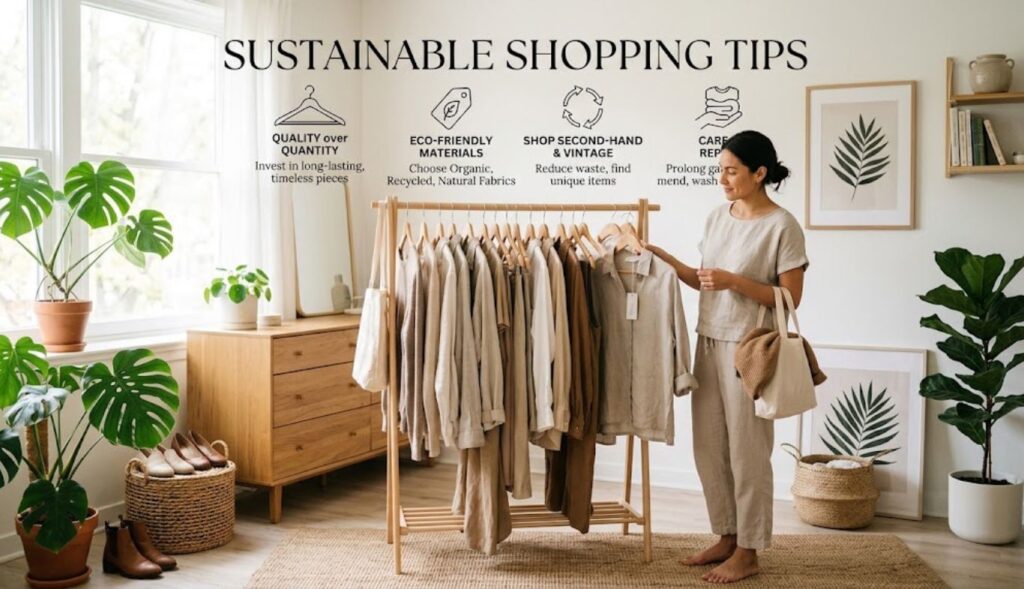
Minimalist fashion naturally works well with more thoughtful shopping habits. Instead of buying a large number of inexpensive trend pieces, consider investing in garments you’ll actually wear.
Shop Secondhand
Thrift stores, vintage shops, and resale platforms can be excellent places to find authentic 90s-inspired pieces.
Check Fabric Quality
Look for durable cotton, denim, wool, linen, and leather alternatives that suit your budget and lifestyle.
Consider Cost Per Wear
A versatile jacket worn 50 times can be a better purchase than a trendy piece worn twice.
Repair Before Replacing
Small repairs can extend the life of jeans, shirts, jackets, and bags.
Build Slowly
There’s no rush to complete your wardrobe. Add pieces when you identify a genuine gap.
90s Minimalist Fashion Outfit Ideas
Casual Everyday Look
- White fitted T-shirt
- Straight-leg blue jeans
- Black loafers
- Small shoulder bag
- Simple sunglasses
Office-Inspired Look
- Black trousers
- Cream button-down shirt
- Structured blazer
- Minimalist loafers
- Small watch
Weekend Look
- Ribbed tank
- Relaxed denim
- Lightweight cardigan
- White sneakers
Evening Look
- Black slip dress
- Simple heels or boots
- Small leather bag
- Minimal jewelry
Cool-Weather Look
- Fine-knit sweater
- Straight jeans
- Long coat
- Ankle boots
These combinations demonstrate why the aesthetic remains so practical. A relatively small wardrobe can produce many different outfits.
Frequently Asked Questions
1. What is 90s Minimalist Fashion?
90s Minimalist Fashion is a style based on simple silhouettes, neutral colors, versatile basics, subtle accessories, and effortless proportions inspired by minimalist clothing trends of the 1990s.
2. What colors are common in 90s minimalist outfits?
Black, white, gray, beige, cream, navy, brown, and muted earthy colors are common. Soft blues, olive, and burgundy can also work as accent colors.
3. What jeans fit the 90s minimalist aesthetic?
Straight-leg, relaxed, vintage-wash, and classic high- or mid-rise jeans generally work well. The best choice depends on your preferred proportions and comfort.
4. Can 90s minimalist fashion be affordable?
Absolutely. The aesthetic relies heavily on basic pieces, so you can build it gradually. Secondhand shopping can also help you find quality pieces at lower prices.
5. Is 90s minimalist fashion still trendy?
Yes. Its focus on versatile basics and timeless silhouettes makes it adaptable to modern fashion. The style can be updated with contemporary proportions, footwear, and fabrics.
6. What shoes work best with minimalist 90s outfits?
Loafers, simple sneakers, ankle boots, ballet flats, and understated sandals are excellent choices.
7. How can I make my outfit look more 90s without looking outdated?
Use one or two recognizable elements, such as straight-leg denim, a slip dress, narrow sunglasses, or a simple fitted tank. Combine them with contemporary pieces.
8. Do minimalist outfits have to be neutral?
No. Neutral colors are common, but minimalism is primarily about simplicity and intentional styling. Muted or carefully selected colors can work beautifully.
9. How many pieces do I need for a minimalist wardrobe?
There’s no fixed number. A useful starting point is around 15–25 versatile garments, but your ideal wardrobe depends on your lifestyle, climate, work requirements, and personal style.
Conclusion
90s Minimalist Fashion continues to influence modern wardrobes because its central ideas are remarkably practical. Clean lines, neutral colors, versatile basics, thoughtful layering, and understated accessories create outfits that don’t depend on fast-changing trends. You don’t need to copy the 1990s exactly. Instead, take the elements that appeal to you and make them your own. Start with a few reliable basics, pay attention to fit and proportion, and experiment with simple combinations.
Most importantly, remember that minimalist style isn’t about owning less for the sake of owning less. It’s about making better choices and creating a wardrobe where your clothes actually work together. When every piece has a purpose, getting dressed becomes easier—and looking effortlessly stylish becomes much more achievable.