

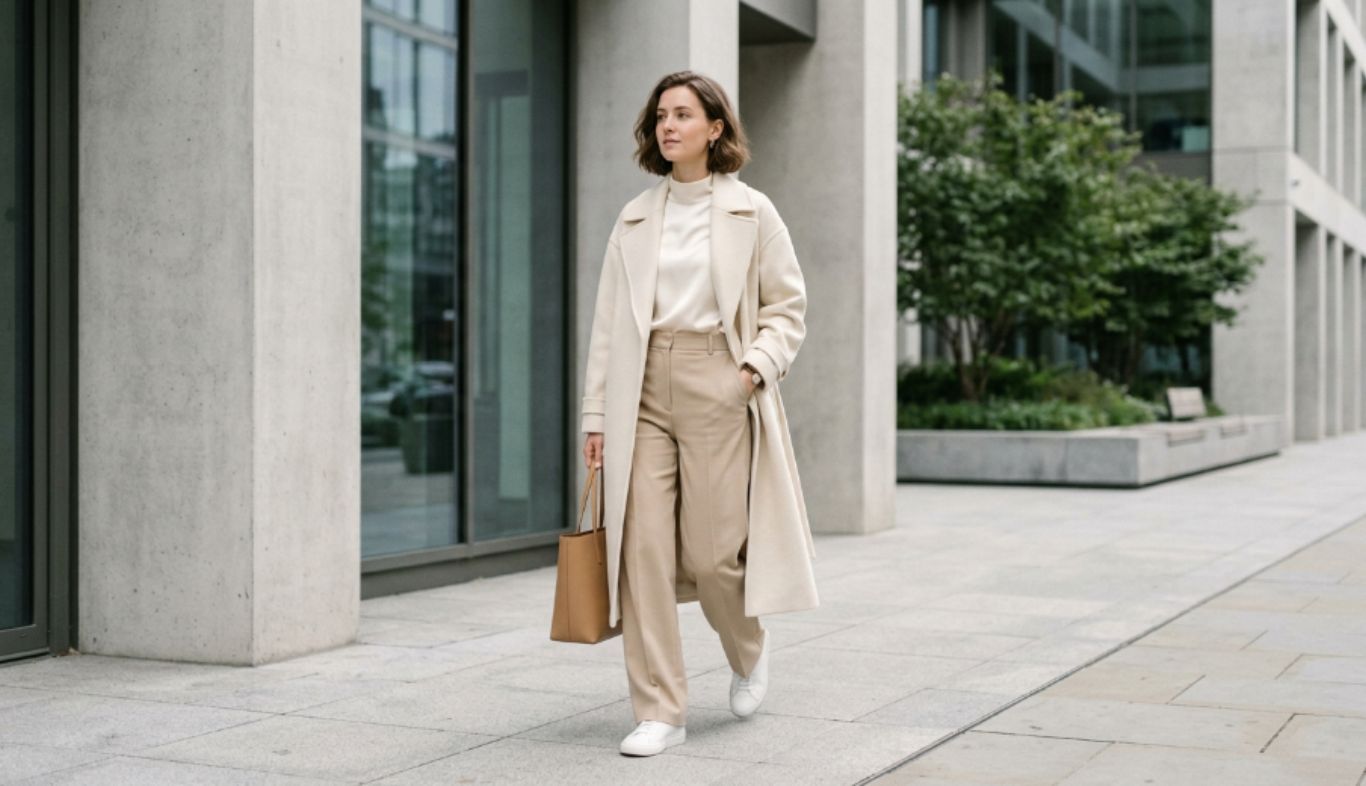
Minimalist Fashion Aesthetic is more than wearing plain clothes or filling your closet with neutral colors. It’s a thoughtful approach to dressing that focuses on simplicity, versatility, quality, and personal confidence. Instead of chasing every trend, minimalist fashion encourages you to choose pieces that work together and remain useful for years. The idea is refreshingly simple: less clutter, more style. A minimalist wardrobe doesn’t need to look boring. In fact, when it’s planned carefully, simple clothing can create some of the most polished and memorable outfits. A well-cut blazer, crisp shirt, straight-leg trousers, clean sneakers, or elegant coat can make a strong impression without loud logos or excessive decoration.
The minimalist approach also makes getting dressed easier. When most of your clothes coordinate naturally, you spend less time wondering what to wear. Your wardrobe becomes a practical collection rather than a storage space packed with items you rarely use. This guide explores the foundations of minimalist fashion, from colors and fabrics to outfit formulas, accessories, seasonal styling, and common mistakes. Whether you’re starting from scratch or simply trying to make your current wardrobe more intentional, these principles can help.
What Is Minimalist Fashion Aesthetic?
The minimalist fashion aesthetic is a style approach built around clean silhouettes, restrained colors, useful clothing, and intentional choices. It typically avoids unnecessary decoration while emphasizing shape, texture, fit, and quality. However, minimalism doesn’t mean owning only ten pieces of clothing or wearing black every day. There’s no universal number of items required. Instead, the goal is to make every purchase and outfit serve a purpose.
The Philosophy Behind Minimalist Fashion
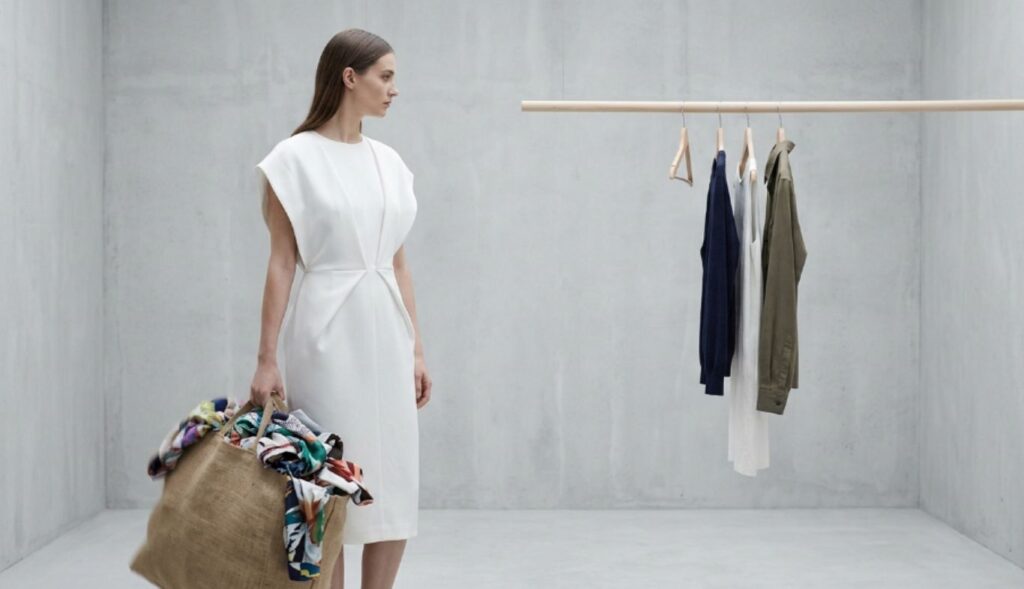
Traditional fashion can encourage constant consumption. New collections appear frequently, trends change quickly, and social media can make yesterday’s clothes feel outdated. Minimalist fashion takes another route.
It asks questions such as:
- Do I actually need this?
- Can I wear it in several ways?
- Does it fit my existing wardrobe?
- Is the quality good enough to justify the price?
- Will I still enjoy wearing it next year?
- Does it reflect my personal style?
These questions shift the focus from having more to choosing better.
Minimalism Doesn’t Mean Boring
One of the biggest misconceptions is that minimalist clothing has to be plain. That’s not necessarily true.
You can create visual interest through:
- Layering
- Interesting textures
- Different fabric weights
- Subtle patterns
- Structured silhouettes
- Jewelry
- Footwear
- Bags
- Proportions
- Tonal color combinations
For example, a cream knit sweater with tailored charcoal trousers and leather loafers may look simple, but the combination can feel sophisticated because the proportions and materials work together.
The Difference Between Minimalist and Basic Style
Basic clothing and minimalist fashion overlap, but they aren’t identical. A basic wardrobe might simply contain common essentials such as T-shirts, jeans, hoodies, and sneakers. A minimalist wardrobe considers how those pieces interact as a complete system. That’s the key distinction. Minimalism is less about individual garments and more about intentional wardrobe design.
11 Powerful Principles of a Minimalist Fashion Aesthetic
The following principles can help you build a wardrobe that looks polished without becoming complicated.
1. Prioritize Versatility
A versatile item can be worn in several different situations.
A white button-down shirt, for example, can work with:
- Tailored trousers
- Straight-leg jeans
- Skirts
- Layered sweaters
- Blazers
- Casual shorts
Before buying something, think about at least three outfits you could create with it.
2. Focus on Fit
Fit often matters more than branding. Even an expensive garment can look disappointing if the shoulders, sleeves, waist, or length don’t work properly. Meanwhile, a reasonably priced piece can look elevated when it fits beautifully.
Pay attention to:
- Shoulder seams
- Trouser length
- Sleeve length
- Waist placement
- Overall silhouette
When necessary, simple tailoring can make a dramatic difference.
3. Build Around a Consistent Palette
A coordinated color palette makes outfit planning much easier.
Popular minimalist colors include:
| Base Colors | Accent Colors |
|---|---|
| Black | Burgundy |
| White | Olive |
| Cream | Navy |
| Beige | Chocolate brown |
| Gray | Muted blue |
| Navy | Forest green |
You don’t need to eliminate bright colors. Instead, use stronger colors intentionally so they don’t overwhelm the wardrobe.
4. Choose Quality Over Quantity
Minimalism encourages you to buy fewer pieces, which can make investing in quality more practical.
Look for:
- Strong stitching
- Reliable zippers
- Durable fabric
- Good construction
- Comfortable materials
- Consistent shape after washing
Quality doesn’t always mean expensive. The goal is to judge a garment by how well it performs rather than by its price tag.
5. Keep Silhouettes Clean
Clean silhouettes are central to minimalist dressing.
Think about:
- Straight-leg trousers
- Relaxed shirts
- Structured coats
- Simple knitwear
- A-line skirts
- Tailored jackets
- Straight or slightly oversized outerwear
The best silhouette depends on your body, comfort preferences, and personal style.
6. Avoid Excessive Branding
Minimalist clothing often uses subtle branding or no visible branding at all. This allows the garment’s design to take center stage.
7. Embrace Texture
Texture prevents neutral outfits from looking flat.
Try combining:
- Cotton
- Linen
- Wool
- Denim
- Leather
- Suede
- Knitwear
A monochromatic outfit becomes much more interesting when several textures are combined.
8. Repeat Successful Outfit Formulas
You don’t need a brand-new outfit every day. If a combination works, repeat it.
For example: White shirt + dark trousers + loafers + simple watch That’s not a failure of creativity. It’s an efficient personal uniform.
9. Make Comfort Part of the Style
Clothing that looks good but feels uncomfortable often stays in the closet. Choose garments that allow you to move naturally. Comfortable minimalist fashion tends to become more wearable, which means you’ll actually get value from your wardrobe.
10. Shop With a Plan
Impulse shopping is one of the fastest ways to destroy a minimalist wardrobe. Before purchasing anything, check whether you already own something similar.
11. Let Personal Style Lead
Minimalism should support your personality rather than erase it. You can be minimalist and romantic, minimalist and edgy, minimalist and sporty, or minimalist and classic. The aesthetic is flexible.
Essential Pieces for a Minimalist Wardrobe
A successful minimalist wardrobe usually begins with dependable foundations.
| Clothing Item | Why It Works |
|---|---|
| Plain T-shirt | Easy for layering and casual outfits |
| Button-down shirt | Works for casual and formal styling |
| Straight-leg trousers | Versatile and polished |
| Dark jeans | Easy everyday foundation |
| Knit sweater | Adds warmth and texture |
| Tailored blazer | Instantly elevates an outfit |
| Simple coat | Useful across multiple outfits |
| Neutral sneakers | Comfortable everyday footwear |
| Loafers | Smart and versatile |
| Simple dress or jumpsuit | Easy one-piece outfit |
| Minimal handbag or tote | Practical and polished |
You don’t need every item immediately. Start with the pieces that match your lifestyle.
Best Colors for a Minimalist Fashion Aesthetic
Neutral colors are popular because they coordinate easily. Black, white, gray, beige, cream, brown, and navy can create a flexible foundation. However, minimalist style isn’t restricted to neutrals.
Monochromatic Dressing
A monochromatic outfit uses different shades of the same color.
For example: Cream sweater + beige trousers + tan shoes This approach creates visual harmony while remaining simple.
Tonal Dressing
Tonal outfits use related colors rather than exactly the same shade.
For example: Charcoal trousers + gray sweater + black shoes It’s subtle but sophisticated.
Adding Accent Colors
A single accent can bring personality to a minimalist outfit. Try a burgundy handbag, olive jacket, blue scarf, or dark green sweater with otherwise neutral clothing.
Choosing Fabrics for Minimalist Clothing
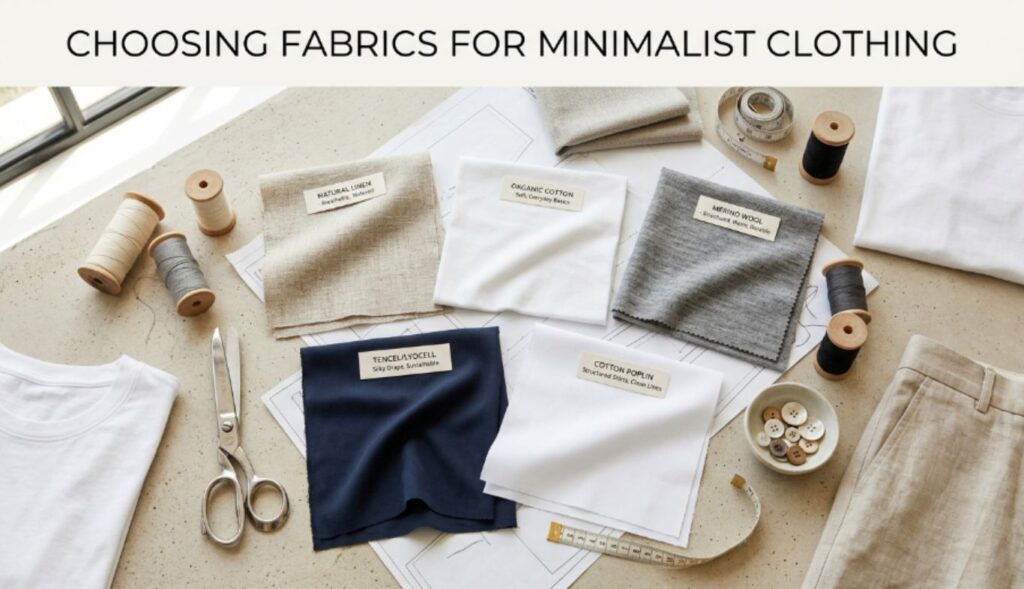
Fabric plays a major role in how simple clothing looks. Natural materials such as cotton, linen, wool, and leather can provide texture and depth. Modern technical fabrics can also be excellent when durability, stretch, or easy care matters.
Consider the season and purpose before choosing materials. For warm weather, lightweight cotton and linen can provide breathability. During colder months, wool, heavier cotton, and layered knits can create warmth without requiring excessive visual detail. The important thing is to understand what you’re buying and how you’ll care for it.
How to Create Minimalist Outfits
Creating a minimalist outfit doesn’t require complicated styling. Start with one foundation piece, add one complementary item, and finish with simple accessories.
Casual Outfit Formula
T-shirt + straight-leg jeans + clean sneakers + simple bag This combination is comfortable and easy to personalize.
Smart-Casual Formula
Button-down shirt + tailored trousers + loafers Add a lightweight blazer when you want a more polished appearance.
Layered Formula
T-shirt + overshirt + trousers + sneakers Layering adds dimension without requiring bold patterns.
Monochrome Formula
Same-color top + matching or related trousers + tonal shoes This is one of the easiest ways to create a refined minimalist appearance.
Minimalist Fashion for Women
Women’s minimalist fashion can include everything from relaxed everyday clothing to elegant office wear.
Useful foundations include:
- Straight-leg jeans
- Tailored trousers
- Simple dresses
- Button-down shirts
- Fine-knit sweaters
- Blazers
- Long coats
- Neutral skirts
- Leather or structured bags
- Simple flats, loafers, or sneakers
A simple dress can become several different outfits depending on the shoes, jacket, bag, and jewelry. For example, a black midi dress can be styled with sneakers for daytime, loafers for work, or elegant flats for dinner. The trick is to avoid buying separate clothing for every occasion when a few adaptable pieces can cover several situations.
Minimalist Fashion for Men
Men can build a minimalist wardrobe around versatile staples.
Consider:
- Oxford or button-down shirts
- Plain T-shirts
- Dark denim
- Chinos
- Tailored trousers
- Knit sweaters
- Unstructured or tailored blazers
- Simple overshirts
- Neutral sneakers
- Loafers
- Minimal watches
A navy blazer, white shirt, gray trousers, and brown or black shoes can create numerous combinations. The goal isn’t to make every outfit look identical. Instead, the pieces should naturally work together.
Accessories in a Minimalist Wardrobe
Accessories can make or break a minimalist outfit. Too many accessories can compete with the clean aesthetic, while too few can make an outfit feel unfinished. Choose pieces with clear purpose.
Good options include:
- Simple watches
- Small earrings
- Thin necklaces
- Leather belts
- Structured bags
- Minimal sunglasses
- Simple scarves
A single statement accessory can also work. The important thing is balance.
Minimalist Shoes That Work With Everything
Shoes often determine the overall mood of an outfit.
A practical minimalist shoe collection might include:
- Clean white or neutral sneakers
- Black or brown loafers
- Simple ankle boots
- Comfortable flats
- A seasonal sandal or formal shoe
Choose footwear according to your lifestyle. Someone who walks frequently may prioritize supportive sneakers, while someone working in a formal office may need polished dress shoes.
Seasonal Minimalist Styling
Minimalism works in every season because it focuses on coordination rather than trends.
Spring
Try lightweight shirts, relaxed trousers, loafers, sneakers, and light jackets.
Summer
Choose breathable fabrics, simple dresses, linen shirts, tailored shorts, and sandals.
Autumn
Layer knitwear, overshirts, trousers, denim, and lightweight coats.
Winter
Build warmth through wool coats, sweaters, scarves, boots, and layered basics. The same neutral foundation can transition through the entire year by changing fabrics and layers.
Common Minimalist Fashion Mistakes
Minimalist dressing can go wrong when simplicity becomes overly rigid.
Buying Too Many “Minimalist” Pieces
Buying every neutral garment you see isn’t minimalism. It simply creates a different type of clutter.
Ignoring Fit
A neutral color can’t fix poor fit.
Wearing Only Black
Black is useful, but a wardrobe based entirely on black may feel restrictive. Cream, beige, gray, brown, navy, and muted colors can add variety.
Confusing Expensive With High Quality
Price alone doesn’t determine durability.
Following Minimalist Trends Too Closely
Minimalism itself can become a trend. Don’t buy something simply because social media says it’s a minimalist essential.
Forgetting Personality
A wardrobe should feel like yours.
Sustainable Minimalist Fashion
Minimalist fashion naturally connects with more conscious consumption because it encourages thoughtful purchasing. Instead of buying ten inexpensive items you may rarely wear, consider investing in a few useful garments.
You can also:
- Repair damaged clothing
- Donate wearable items responsibly
- Shop secondhand
- Rewear outfits
- Maintain garments correctly
- Avoid impulse purchases
- Choose versatile designs
For more information about responsible clothing practices, the United Nations Sustainable Development Goals provide useful background on responsible consumption and production. Sustainability isn’t about creating a perfect wardrobe overnight. Small improvements can add up.
Expert Tips for a More Polished Minimalist Look
Once you’ve mastered the basics, small details can elevate your outfits.
Pay Attention to Proportion
Pair an oversized top with straighter trousers, or balance wide trousers with a more fitted top. Proportion creates structure.
Use the Rule of Three
Try combining three visual elements: Top + bottom + outer layer
For example: White T-shirt + black trousers + beige trench coat The third layer adds depth while keeping the outfit simple.
Keep Your Wardrobe Cohesive
Before buying something new, imagine it with at least three pieces you already own. If it only works with one specific outfit, it may not be the best minimalist purchase.
Create a Personal Uniform
If you consistently prefer certain silhouettes, colors, and shoes, lean into them. A personal uniform saves time and can make your style instantly recognizable.
FAQs
1. What is a minimalist fashion aesthetic?
A minimalist fashion aesthetic focuses on simple silhouettes, versatile clothing, coordinated colors, quality materials, and intentional styling. It emphasizes wearing useful pieces rather than constantly following trends.
2. Does minimalist fashion have to be neutral?
No. Neutral colors are common because they’re easy to coordinate, but minimalist wardrobes can include muted or even bold colors. The key is intentionality and versatility.
3. How many clothes should a minimalist wardrobe have?
There is no fixed number. The right wardrobe size depends on your lifestyle, climate, work requirements, hobbies, and laundry routine. A minimalist wardrobe simply avoids unnecessary pieces.
4. Is minimalist fashion expensive?
It doesn’t have to be. You can create a minimalist wardrobe at many price points. Focus on fit, durability, versatility, and cost per wear rather than brand names.
5. Can minimalist fashion still be trendy?
Yes, but minimalist dressing generally prioritizes timeless pieces over rapidly changing trends. You can introduce current trends through one or two carefully chosen items.
6. What colors are best for minimalist clothing?
Black, white, cream, gray, beige, brown, and navy are popular choices. However, olive, burgundy, muted blue, and forest green can also work beautifully.
7. How do I start a minimalist wardrobe?
Begin by reviewing what you already own. Keep the pieces you wear regularly, identify gaps, and create a small list of useful additions. Don’t rush to replace everything.
8. Can minimalist fashion work for different body types?
Absolutely. Minimalism is about simplicity and intention, not one specific body shape. Choose silhouettes that make you feel comfortable and confident.
9. Are minimalist outfits boring?
They don’t have to be. Texture, proportions, layering, footwear, accessories, and subtle color differences can make simple outfits visually interesting.
10. Is minimalist fashion sustainable?
It can support more conscious consumption by encouraging people to buy fewer, more useful garments and care for them longer. However, sustainability depends on purchasing, manufacturing, material, and disposal choices as well.
Conclusion
The minimalist fashion aesthetic offers a practical way to build personal style around simplicity, versatility, and confidence. Rather than filling your wardrobe with endless trends, you can create a carefully considered collection of pieces that work together naturally. Start with versatile basics, establish a color palette, prioritize fit, experiment with texture, and choose accessories thoughtfully. Most importantly, don’t feel pressured to follow a strict minimalist formula. Your wardrobe should support your real life.
Whether you prefer classic tailoring, relaxed streetwear, elegant feminine outfits, or modern casual clothing, minimalist principles can help you make better style decisions. And once your wardrobe becomes easier to coordinate, getting dressed can become less of a chore and more of a pleasure. In the end, true minimalism isn’t about having the fewest clothes. It’s about having the right clothes for you.