What Is Kogyaru? Fashion trends come and go, but some leave a lasting mark on culture. Kogyaru is one of those rare examples. Ask someone familiar with Japanese street fashion about the styles that shaped modern youth culture, and Kogyaru will almost always come up.
The term refers to a fashion movement that emerged in Japan during the 1990s, particularly among high school girls who transformed traditional school uniforms into highly individualised fashion statements. What started as a youth-driven style evolved into a cultural phenomenon that influenced beauty standards, retail trends, media coverage, and eventually the broader Gyaru movement.
Many people outside Japan encounter the term and assume Kogyaru was simply a rebellious schoolgirl trend. The reality is more nuanced. Kogyaru reflected changing attitudes toward identity, self-expression, and social expectations at a time when Japanese society was experiencing significant cultural shifts. Understanding Kogyaru requires looking beyond the clothing and makeup to see why the movement resonated with an entire generation.
What Does Kogyaru Mean?
What Is Kogyaru? The word “Kogyaru” combines two concepts. “Ko” comes from the Japanese word for high school, while “gyaru” is derived from the English word “girl.” Together, the term became associated with fashionable teenage girls who developed a distinctive style centred around modified school uniforms and contemporary beauty trends.
Although Kogyaru is often discussed as part of Gyaru fashion, it represents a specific branch of the broader movement. Not every Gyaru was a Kogyaru, but Kogyaru played a major role in establishing many of the trends that later became associated with Gyaru culture.
One misconception is that Kogyaru was a carefully organised subculture with strict rules. In reality, much of its appeal came from experimentation. Young women borrowed elements from fashion magazines, celebrity culture, street style, and Western influences, then adapted them into something uniquely their own.
How Kogyaru Emerged in 1990s Japan
What Is Kogyaru? To understand why Kogyaru became so influential, it helps to look at Japan during the 1990s. The country was experiencing economic uncertainty following the collapse of its asset bubble. At the same time, young people were gaining greater access to media, fashion publications, and consumer culture.
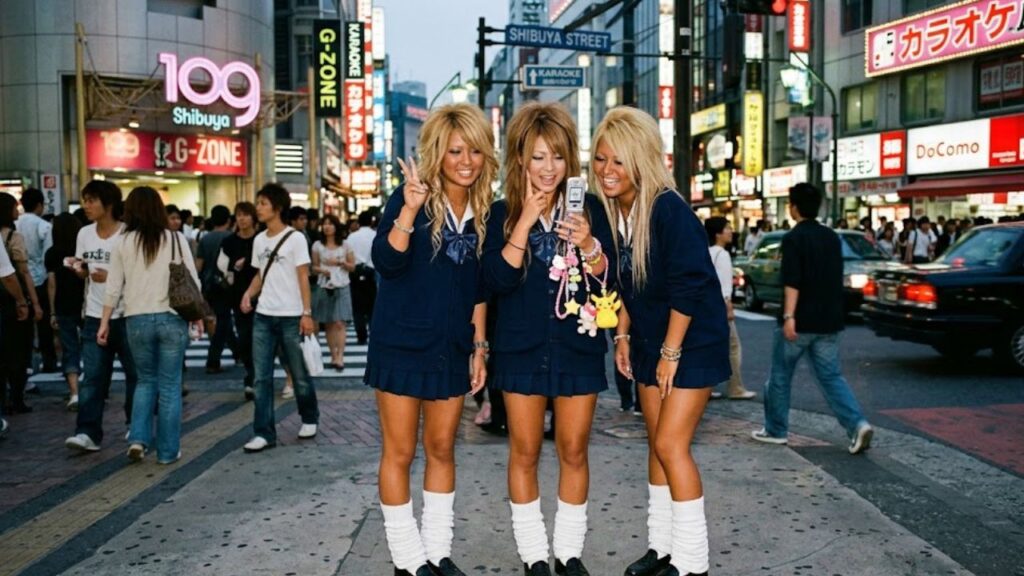
What Is Kogyaru? The district of Shibuya in Tokyo became a central gathering place for trend-conscious teenagers. Department stores, boutiques, arcades, and fashion retailers created an environment where new styles spread quickly. Unlike previous generations, teenagers increasingly viewed fashion as a way to communicate personality and independence.
School uniforms became an unexpected canvas for creativity. Since students were required to wear uniforms during the school day, modifying them offered a subtle but visible way to stand out. This practice evolved into a defining characteristic of Kogyaru fashion.
What Is Kogyaru? What many competitors fail to mention is that Kogyaru wasn’t purely about rebellion. For many participants, it was about belonging. Fashion created social connections, shared identities, and communities that extended beyond school environments. The style became a cultural language among young people.
The Signature Elements of Kogyaru Fashion
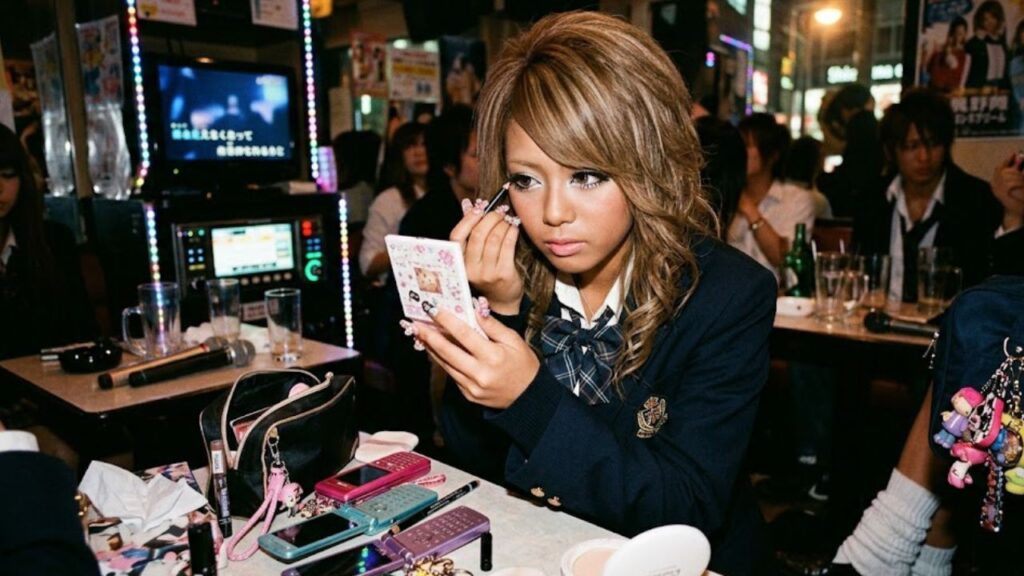
When people picture Kogyaru, certain visual elements immediately come to mind. Yet the style was more sophisticated than many assume.
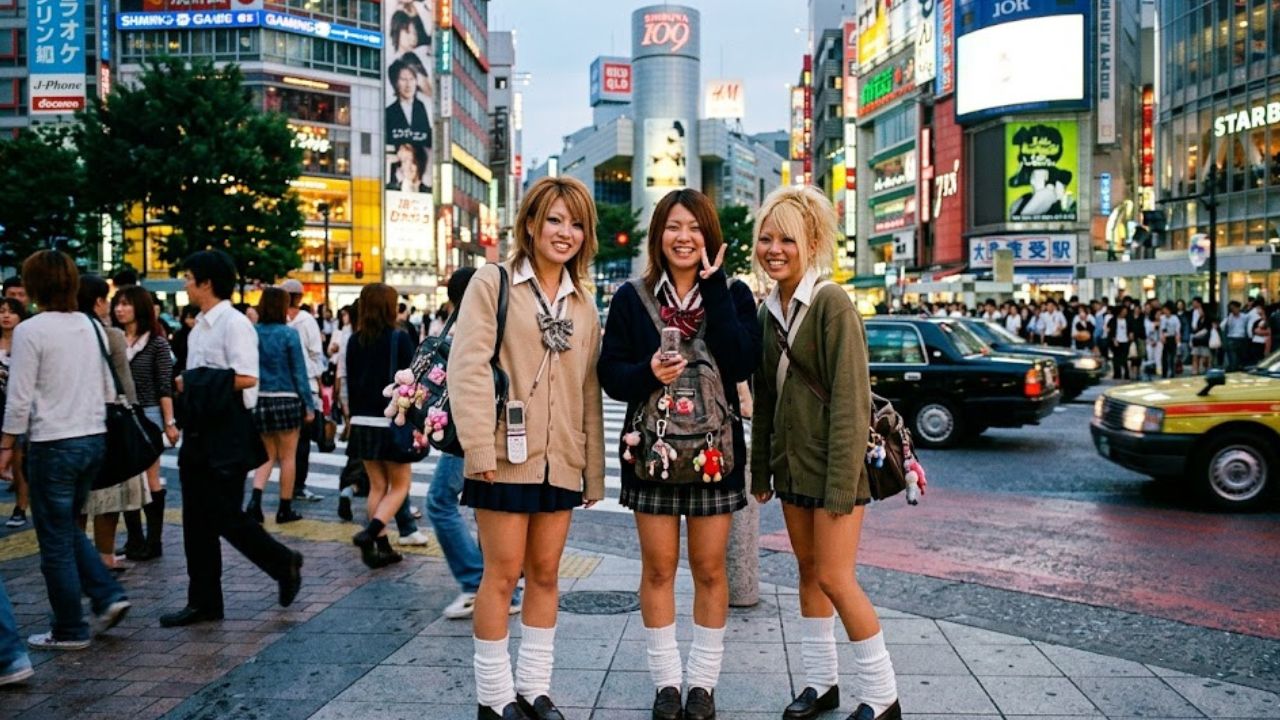
What Is Kogyaru? Modified school uniforms formed the foundation of the look. Rather than wearing uniforms exactly as intended, students personalised them in ways that reflected contemporary trends.
Common features included:
- Shortened skirts paired with loose-fitting sweaters or cardigans
- Oversized loose socks that gathered around the calves
- Platform shoes or fashionable loafers
- Branded handbags and accessories
- Dyed brown or light-coloured hair
Loose socks became particularly iconic. Their popularity seems unusual from a modern perspective, but they symbolised individuality during a period when conformity was often expected. A simple fashion choice became a visual marker of youth culture.
Hair also played an important role. Many Kogyaru girls lightened their hair colour, which contrasted with traditional expectations surrounding dark hair in Japanese schools. The choice was noticeable, intentional, and often controversial.
What Is Kogyaru? Fashion magazines helped accelerate these trends by showcasing popular looks and featuring street photography from Shibuya. Readers could see how real people interpreted emerging styles rather than simply following runway fashion.
Makeup, Beauty Standards, and Self-Expression
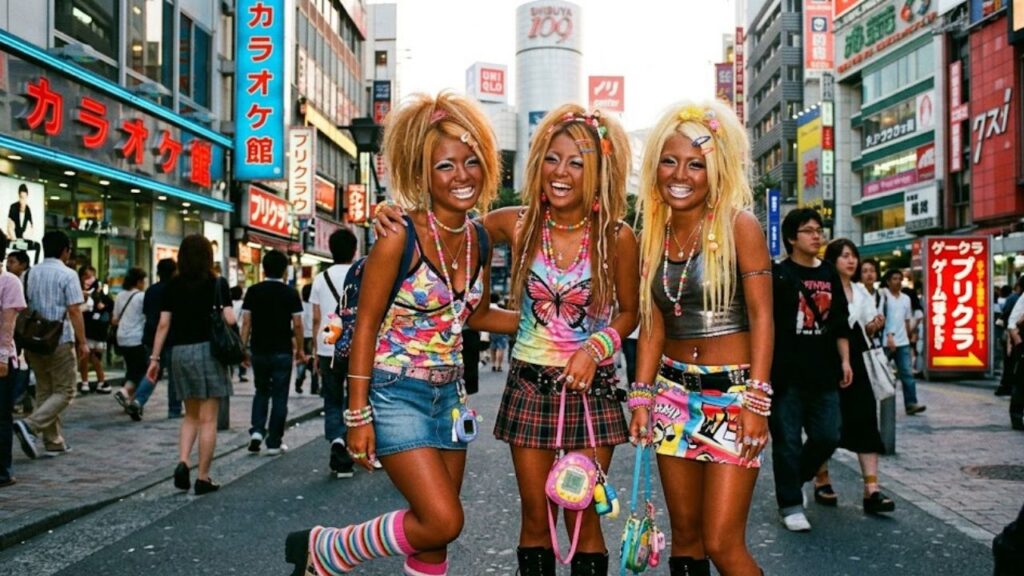
Kogyaru makeup differed significantly from the dramatic styles that later emerged within Ganguro and Yamanba fashion. The emphasis was usually on creating a glamorous appearance while maintaining some connection to mainstream beauty trends.
What Is Kogyaru? Eye makeup received considerable attention. Larger-looking eyes, defined lashes, and carefully shaped brows became key features. Lip colours tended to remain relatively natural compared to later Gyaru variations.
An interesting aspect of Kogyaru beauty culture is how it challenged established standards. Traditional Japanese beauty ideals often favoured modest presentation and understated styling. Kogyaru moved in a different direction, embracing visibility rather than subtlety.
This shift helps explain why the movement attracted criticism. Adults frequently interpreted these beauty choices as signs of declining social values. Teenagers, meanwhile, often viewed them as expressions of confidence and personal identity.
The tension between those perspectives became part of the cultural story surrounding Kogyaru.
Why Kogyaru Became Controversial
What Is Kogyaru? Fashion movements often attract criticism when they challenge social norms, and Kogyaru was no exception.
Media coverage during the late 1990s frequently portrayed Kogyaru girls as rebellious or irresponsible. Newspapers and television programmes sometimes connected the trend to broader concerns about changing youth behaviour. As a result, public perceptions were often shaped by sensational stories rather than the experiences of participants themselves.
What Is Kogyaru? The reality was considerably more complex. Most Kogyaru girls were simply teenagers interested in fashion, socialising, and expressing themselves through personal style.
Several factors contributed to controversy:
- Visible modification of school uniforms
- Hair colouring and makeup choices
- Perceived rejection of traditional expectations
- Growing influence of youth-driven consumer culture
Looking back, the criticism reveals as much about generational anxieties as it does about the fashion itself. Every era tends to have a youth movement that older generations struggle to understand. Kogyaru became one of those movements in Japan.
What Is Kogyaru? Many modern fashion historians now view the phenomenon as an important example of young people shaping cultural trends rather than simply consuming them.
Kogyaru vs Gyaru vs Ganguro
One reason people become confused about Kogyaru is the overlap between related fashion styles. While these terms are connected, they are not interchangeable.
| Style | Main Focus | Appearance |
| Kogyaru | School-inspired fashion | Modified uniforms, loose socks, fashionable accessories |
| Gyaru | Broad fashion category | Glamorous styling, trend-driven looks |
| Ganguro | Extreme Gyaru substyle | Deep tans, dramatic makeup, bleached hair |
What Is Kogyaru? is best understood as one branch within the larger Gyaru ecosystem. It helped establish the foundation upon which later styles developed.
Ganguro pushed many beauty trends to more dramatic extremes, while other substyles such as Hime Gyaru focused on princess-inspired elegance. Kogyaru remained closely connected to teenage culture and school-based fashion.
Understanding these distinctions makes it easier to appreciate the diversity within Japanese street fashion rather than viewing it as a single movement.
The Modern Revival of Kogyaru
Although Kogyaru’s peak popularity occurred decades ago, the style never completely disappeared.
What Is Kogyaru? Social media has introduced a new generation to Japanese fashion history. Platforms such as Instagram, TikTok, and fashion forums have sparked renewed interest in archival trends, including Kogyaru. Vintage photographs from 1990s Shibuya are regularly shared and analysed by fashion enthusiasts around the world.
Modern interpretations tend to be less strict and more adaptable. Rather than recreating every historical detail, contemporary fans often borrow specific elements and combine them with current fashion trends.
This revival highlights something fascinating about fashion cycles. Styles that once seemed tied to a particular era often return because they represent ideas that remain relevant. In the case of Kogyaru, those ideas include creativity, individuality, and the desire to reshape familiar clothing into something personal.
Fashion designers continue drawing inspiration from Japanese street culture, and traces of Kogyaru can still be seen in contemporary collections, youth-oriented brands, and global streetwear aesthetics.
Kogyaru’s Lasting Influence
Kogyaru’s significance extends beyond clothing and makeup. The movement demonstrated how young people could influence mainstream fashion rather than simply following it.
Many trends that originated among teenagers eventually reached magazines, retailers, advertisers, and popular culture. The relationship between consumers and trend creators shifted, with youth culture becoming a driving force in the fashion industry.
Perhaps the most enduring lesson from Kogyaru is that fashion often functions as a form of communication. Clothing choices can express belonging, independence, creativity, and cultural identity all at once.
Even decades after its emergence in Shibuya, Kogyaru remains one of the most recognisable and influential chapters in Japanese street fashion history. Its legacy continues to shape conversations about style, self-expression, and the power of youth culture.
Frequently Asked Questions
What is Kogyaru?
Kogyaru is a Japanese fashion subculture that emerged during the 1990s and became known for modified school uniforms, loose socks, fashionable accessories, and distinctive beauty trends.
Is Kogyaru the same as Gyaru?
No. Kogyaru is a specific branch of the broader Gyaru fashion movement. While the two are closely related, Gyaru includes multiple substyles beyond Kogyaru.
Why was Kogyaru controversial?
Many adults viewed the style as a challenge to traditional social expectations. Modified uniforms, dyed hair, and makeup choices often attracted criticism from schools and the media.
What did Kogyaru girls typically wear?
Common items included shortened skirts, oversized cardigans, loose socks, platform shoes, branded accessories, and trendy hairstyles inspired by youth fashion magazines.
Is Kogyaru still popular today?
The original movement is no longer as widespread as it was in the 1990s, but social media has helped revive interest in Kogyaru fashion among modern fashion enthusiasts worldwide.