

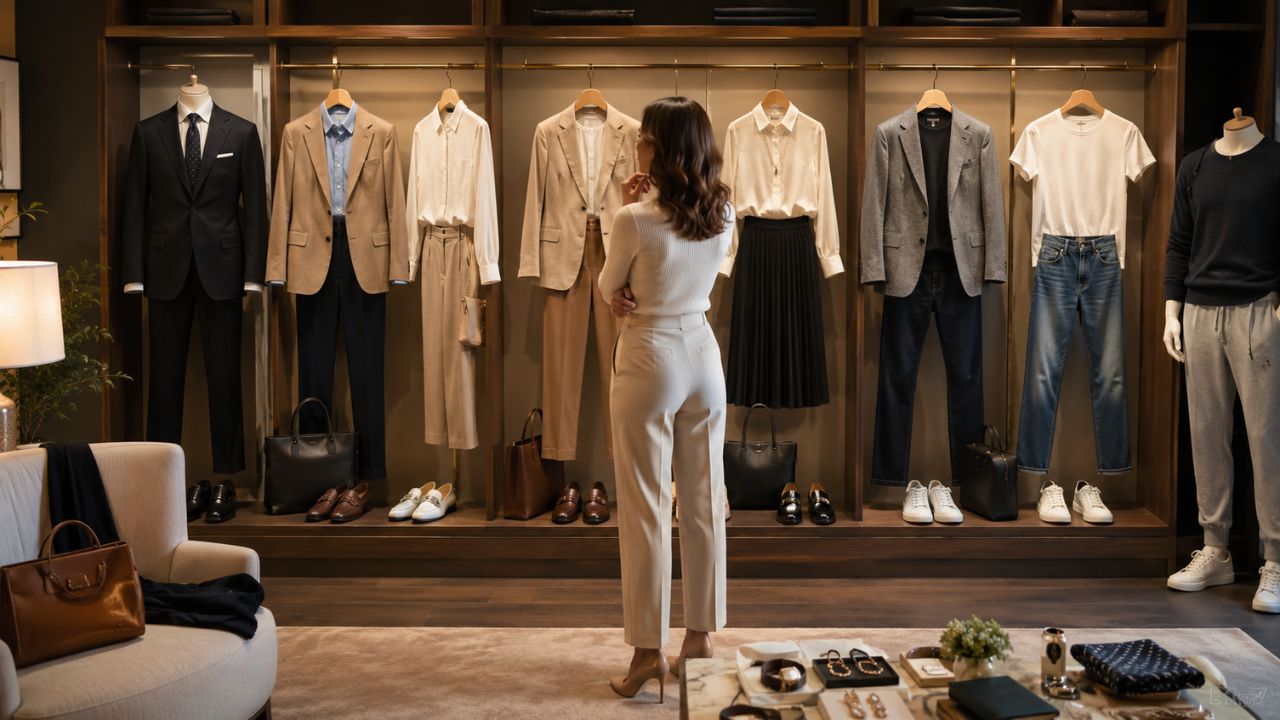
Business Casual vs Other Dress Codes Getting dressed for work used to be straightforward. You either wore a suit or you didn’t. Over the last decade, though, workplace attire has shifted dramatically. Hybrid schedules, changing company cultures, and a growing emphasis on comfort have blurred the lines between business casual, smart casual, and traditional professional dress.
That flexibility sounds great until you’re standing in front of your wardrobe wondering whether dark jeans are acceptable, if trainers are pushing it too far, or whether a blazer is necessary for a client meeting.
The reality is that dress codes aren’t simply about clothing. They’re signals. They communicate professionalism, awareness of company culture, and respect for the people you’re working with. The same outfit that feels perfectly appropriate in a marketing agency could look out of place in a law firm.
Business Casual vs Other Dress Codes Understanding the differences between business casual and other dress codes makes daily decisions easier and helps you project the right image without overthinking every outfit.
What Exactly Is Business Casual?
Business casual occupies the middle ground between formal corporate wear and relaxed everyday clothing. It allows professionals to look polished without requiring a full suit and tie.
Business Casual vs Other Dress Codes For men, business casual often includes chinos or tailored trousers paired with collared shirts, polo shirts, knitwear, or an unstructured blazer. Women typically have more flexibility, with options including tailored trousers, blouses, midi dresses, skirts, cardigans, and blazers.
The defining feature isn’t a specific garment. It’s refinement. Clothes should fit properly, appear intentional, and maintain a professional appearance.
Many people mistakenly assume business casual simply means “dress casually at work.” That’s rarely true. In practice, business casual still demands a level of polish. Wrinkled clothing, gym trainers, distressed denim, and oversized graphic T-shirts generally don’t belong in a business casual office.
A useful rule is to ask yourself a simple question: would you feel comfortable unexpectedly meeting an important client in this outfit? If the answer is yes, you’re probably close to business casual standards.
Understanding Other Workplace Dress Codes

Business Casual vs Other Dress Codes Not all offices interpret clothing expectations the same way. Knowing where business casual sits on the workplace attire spectrum removes much of the uncertainty.
| Dress Code | Formality Level | Typical Clothing | Common Industries |
| Corporate Formal | Very High | Dark suits, ties, formal dresses | Executive leadership, diplomacy |
| Business Professional | High | Suits, dress shirts, conservative footwear | Finance, law, consulting |
| Business Casual | Moderate | Blazers, chinos, tailored separates | Corporate offices, education |
| Smart Casual | Moderate to Low | Stylish separates, premium denim | Creative industries, tech |
| Casual | Low | Jeans, T-shirts, trainers | Startups, remote workplaces |
Business Casual vs Other Dress Codes Business professional remains common in sectors where trust, authority, and tradition are central. Financial services, legal firms, and executive environments often favour conservative attire because appearance influences client perception.
Smart casual, meanwhile, prioritises style and individuality more than business casual does. Premium denim, fashion-forward footwear, and trend-driven pieces frequently appear in smart casual settings.
Casual dress codes offer the greatest freedom, although “casual” at work still differs from weekend wear. Even relaxed organisations generally expect employees to look neat and presentable.
Business Casual vs Smart Casual: The Most Common Source of Confusion
Business Casual vs Other Dress Codes Ask ten professionals to define smart casual and you’ll probably receive ten different answers. The overlap between smart casual and business casual explains why so many employees struggle with these categories.
Business casual is workplace-first. Smart casual is style-first.
That’s the simplest distinction.
A business casual wardrobe prioritises professionalism. A smart casual wardrobe prioritises personality while remaining polished. For example, tailored chinos, an Oxford shirt, and loafers fit comfortably within business casual standards. Swap those loafers for minimalist white trainers and add dark premium denim, and you’ve moved closer to smart casual territory.
Creative agencies, media companies, and technology firms often blur these boundaries. In many startups, dark jeans paired with a blazer are entirely acceptable. In traditional corporate environments, the same outfit may feel underdressed.
Business Casual vs Other Dress Codes One practical observation that competitors rarely mention is that workplace hierarchy often influences acceptable attire. Senior employees usually enjoy more flexibility because they’ve already established credibility. New hires should lean slightly more formal until they understand company culture.
When uncertain, begin with business casual and adjust after observing colleagues for several weeks.
Business Casual vs Business Professional

Business professional attire reflects structure, authority, and consistency. Think matching suits, conservative colours, formal shoes, and minimal experimentation.
Business casual removes some of that rigidity.
Business Casual vs Other Dress Codes For example, a financial adviser meeting high-net-worth clients may wear a navy suit, white dress shirt, silk tie, and leather Oxford shoes every day. A project manager in a corporate office may wear tailored trousers, a polo shirt, and a blazer without appearing underdressed.
Several factors influence which dress code organisations adopt:
- Degree of client interaction.
- Industry traditions.
- Corporate culture.
- Leadership expectations.
- Geographic location.
Interestingly, many companies that previously required daily suits have shifted toward business casual since hybrid work became widespread. Employees increasingly expect comfort alongside professionalism.
However, client-facing situations still frequently require upgrading from business casual to business professional. Presentations, executive meetings, interviews, and important negotiations generally justify dressing one level above the office norm.
Business Casual vs Other Dress Codes Professionals who advance into management often discover that appearance becomes increasingly strategic. Dressing slightly more formally than peers can subtly reinforce leadership presence without appearing excessive.
Industry Expectations Matter More Than Labels
One mistake employees make is relying solely on generic dress code definitions. Industry culture almost always overrides textbook explanations.
A software engineer in Silicon Valley may attend meetings wearing dark jeans, minimalist trainers, and a merino wool sweater. The same outfit could seem surprisingly informal in an accounting firm in Chicago.
Consider these examples:
- Law firms: predominantly business professional, especially for client meetings.
- Technology companies: business casual or smart casual, often highly flexible.
- Education: business casual with seasonal variations.
- Healthcare administration: professional yet practical attire.
- Creative industries: smart casual with significant personal expression.
Business Casual vs Other Dress Codes Company size also plays a role. Startups often embrace relaxed workplace fashion because informality aligns with entrepreneurial culture. Larger corporations usually maintain clearer dress expectations to ensure consistency across departments.
Remote and hybrid work have added another layer of complexity. Many professionals now maintain what stylists jokingly call a “video-call wardrobe”—professional tops paired with significantly more casual clothing outside camera view.
Despite these changes, visible professionalism still matters. Studies consistently show that clothing influences perceptions of competence, credibility, and leadership potential. Appearance alone won’t secure promotions, but it can shape first impressions and workplace confidence.
Building a Modern Business Casual Wardrobe
A strong business casual wardrobe doesn’t require dozens of outfits. It requires versatile pieces that work together.
Business Casual vs Other Dress Codes For most professionals, these essentials provide an excellent foundation:
- Tailored chinos or trousers in neutral colours.
- Well-fitted blazers.
- Oxford shirts and quality polo shirts.
- Neutral knitwear and cardigans.
- Professional footwear such as loafers, brogues, or flats.
- Structured dresses or skirts for women.
- Minimal, understated accessories.
Fit deserves more attention than fashion trends. Expensive clothing that fits poorly rarely looks professional. Conversely, affordable garments tailored correctly often appear far more polished.
Business Casual vs Other Dress Codes Colour selection matters too. Navy, charcoal, beige, white, black, and soft earth tones create a cohesive office wardrobe. Once core pieces are established, accent colours can add personality without compromising professionalism.
Many style experts recommend adopting a capsule wardrobe approach. Fewer high-quality pieces often outperform overflowing wardrobes filled with trend-driven items that quickly lose relevance.
Common Mistakes Professionals Still Make

The most frequent business casual mistakes have little to do with fashion and everything to do with judgment.
Overly casual footwear remains one of the biggest issues. Athletic trainers, flip-flops, and worn-out shoes instantly reduce an otherwise professional outfit.
Another common problem is misunderstanding company culture. Employees sometimes interpret “casual Friday” as permission to wear anything. In reality, most organisations still expect neat, workplace-appropriate clothing.
Poor fit also undermines professional appearance. Oversized blazers, excessively tight trousers, and ill-fitting shirts distract from an otherwise competent image.
Business Casual vs Other Dress Codes Finally, many professionals underestimate grooming. Clothing and personal presentation work together. Neat grooming, pressed garments, and attention to detail communicate reliability and professionalism in ways that clothing alone cannot.
Frequently Asked Questions
Is business casual more formal than smart casual?
Generally, yes. Business casual prioritises workplace professionalism, while smart casual allows more personal expression and trend-driven pieces.
Can jeans be considered business casual?
Sometimes. Dark, well-fitted jeans without distressing may qualify in modern workplaces, particularly in technology and creative industries.
Are sneakers acceptable in business casual offices?
Business Casual vs Other Dress Codes Minimalist leather or premium trainers may be acceptable in some offices. Traditional corporate environments typically prefer loafers, brogues, or other dress shoes.
Is a polo shirt business casual?
Yes. A well-fitted, high-quality polo shirt is widely accepted within business casual dress codes, especially when paired with tailored trousers or chinos.
What should never be worn in a business casual office?
Avoid ripped jeans, athletic wear, flip-flops, overly revealing clothing, graphic T-shirts, and clothing that appears wrinkled or unkempt.
Understanding workplace dress codes isn’t about memorising rigid rules. It’s about reading the environment, recognising expectations, and adapting accordingly. When uncertainty exists, err slightly on the side of formality. You can always dress down once you understand the culture, but recovering from a poor first impression is far more difficult.