

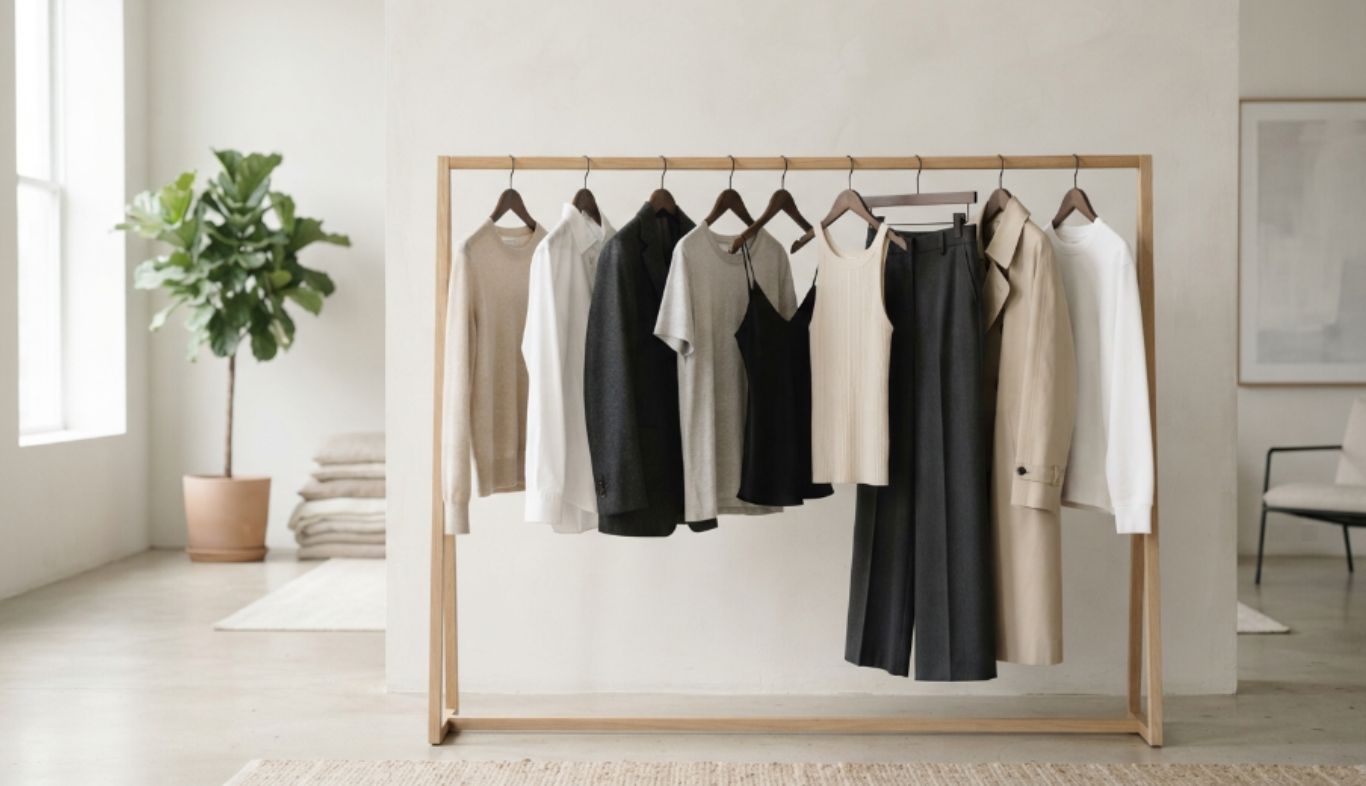
Fashion doesn’t always have to be loud to make an impression. In fact, some of the most memorable outfits rely on simple shapes, thoughtful proportions, neutral colors, and carefully selected details. That’s where Minimalist Clothing comes into the picture. Minimalist fashion is built around the idea of owning and wearing pieces that are useful, versatile, comfortable, and visually clean. Instead of filling a wardrobe with clothes that work for only one occasion, minimalist dressing encourages you to choose garments that can be combined in several ways. The result is a wardrobe that feels easier to manage. You don’t need hundreds of pieces to create a stylish look.
A well-fitted shirt, quality trousers, clean sneakers, a structured jacket, and a simple accessory can go a surprisingly long way. Minimalism also doesn’t mean dressing in nothing but black and white. You can wear earthy colors, soft pastels, denim, stripes, textured fabrics, or even an occasional bold shade. The important thing is that each item has a purpose and works naturally with the rest of your wardrobe. The broader minimalist design philosophy is closely associated with simplicity, functionality, and the removal of unnecessary elements. These same ideas translate beautifully into personal style. If you’re interested in the wider concept of minimalism in design and culture, Britannica’s overview of minimalism offers useful background.
1. What Is Minimalist Clothing?
Minimalist Clothing refers to apparel designed or styled around simplicity, versatility, functionality, and intentional choices. Rather than chasing every passing trend, minimalist dressers usually focus on garments that remain useful across seasons and occasions. Think of a white button-down shirt.
On Monday, you could wear it with tailored trousers for work. On Saturday, pair it with jeans and sneakers. During cooler weather, layer it under a sweater. For an evening event, combine it with dark trousers, a belt, and refined shoes.
That’s the power of a versatile garment. Minimalist fashion isn’t necessarily about buying fewer clothes simply for the sake of having fewer clothes. It’s about making better decisions about what enters your wardrobe.
1.1 The Philosophy Behind Minimalist Fashion
At its heart, minimalist fashion is intentional.
Instead of asking, “Is this trendy?” you might ask:
- Will I wear this regularly?
- Does it work with my existing clothes?
- Is the fit flattering?
- Is the fabric suitable for my lifestyle?
- Can I style it in at least three ways?
- Will I still want to wear it next year?
These questions can prevent unnecessary purchases. Minimalism can also reduce decision fatigue. When your wardrobe contains coordinated pieces, choosing an outfit becomes much easier.
1.2 Key Characteristics of Minimalist Style
Several characteristics appear repeatedly in minimalist wardrobes:
| Feature | What It Looks Like |
|---|---|
| Neutral colors | Black, white, gray, beige, navy, brown |
| Clean silhouettes | Straight, relaxed, tailored, or structured shapes |
| Simple details | Minimal logos, decoration, and hardware |
| Quality fabrics | Cotton, wool, linen, denim, durable blends |
| Versatility | Pieces that work across multiple outfits |
| Balanced proportions | Clothing that fits the body appropriately |
| Timeless design | Styles that aren’t dependent on short trends |
The goal isn’t to make every outfit look identical. Instead, the wardrobe should have visual consistency.
1.3 Minimalist vs. Basic Clothing
These terms are sometimes confused. Basic clothing simply refers to foundational garments such as T-shirts, jeans, sweaters, and shirts. Minimalist clothing involves a more intentional approach to selecting, combining, and maintaining those garments.
A plain T-shirt can be basic. A high-quality T-shirt selected because it fits perfectly, works with six outfits, complements your wardrobe palette, and can be worn throughout multiple seasons becomes part of a minimalist strategy. That distinction matters.
2. 11 Powerful Ways to Build a Minimalist Wardrobe
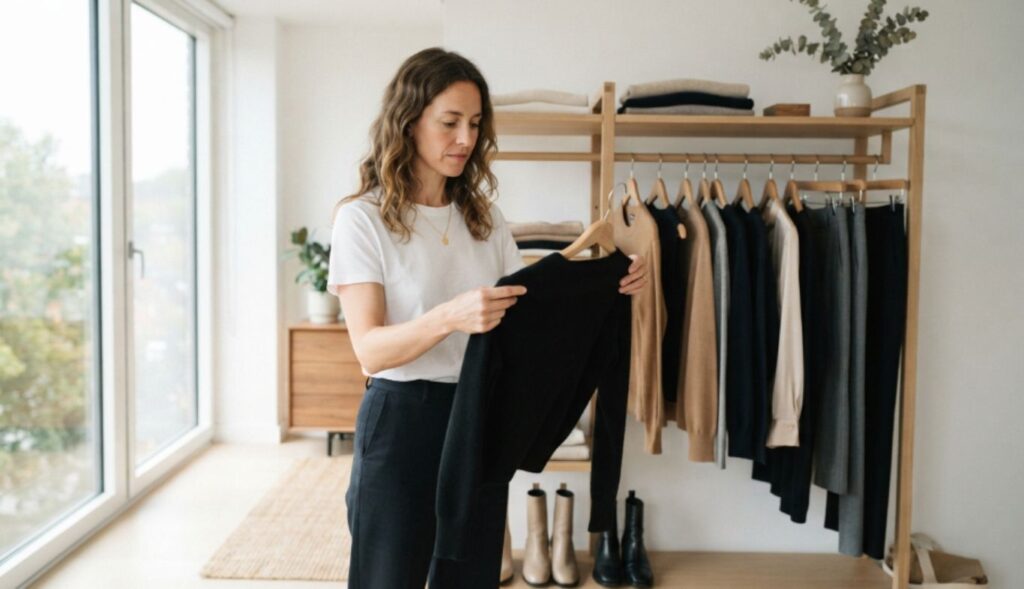
Building a minimalist wardrobe doesn’t happen overnight. You don’t need to throw away half your closet and start again on Monday morning. A better approach is gradual.
Look at what you already own, identify what you actually wear, and then make deliberate improvements. Over time, unnecessary pieces naturally disappear while useful garments become the foundation of your style.
2.1 Start With a Neutral Color Palette
Neutral colors make coordination much easier. Black, white, gray, beige, cream, navy, olive, and brown can work together in countless combinations. They also make it easier to introduce one statement color without creating visual chaos.
For example, a beige overshirt can work with:
- Black trousers
- Blue jeans
- White denim
- Gray chinos
- Navy trousers
That’s five outfits from one garment. You don’t have to eliminate color, though. If red, green, pink, or cobalt blue reflects your personality, use it strategically. The key is balance.
2.2 Choose Quality Over Quantity
One well-made jacket can provide more value than three poorly constructed jackets.
When shopping, inspect:
- Stitching
- Fabric weight
- Seams
- Buttons and zippers
- Lining
- Fit
- Care requirements
A higher price doesn’t automatically mean better quality. Look at construction rather than relying solely on a brand name. Also consider cost per wear. A $150 jacket worn 100 times costs $1.50 per wear. A $40 jacket worn twice costs $20 per wear. The numbers tell an interesting story.
2.3 Invest in Timeless Basics
A minimalist wardrobe benefits from dependable foundation pieces.
Consider building around:
- Plain T-shirts
- Oxford or button-down shirts
- Straight-leg or tailored trousers
- Well-fitting jeans
- Knit sweaters
- A simple overshirt
- A versatile blazer
- A practical coat
- Clean sneakers
- Simple loafers or boots
You don’t necessarily need every item on the list. Choose according to your lifestyle. Someone working from home will have different priorities from someone who wears business attire every day.
2.4 Prioritize a Good Fit
Fit can transform a simple outfit. Even inexpensive clothing can look polished when the proportions are right. Conversely, an expensive garment can look awkward if the shoulders, sleeves, waist, or trouser length are wrong.
Pay attention to:
- Shoulder seams
- Sleeve length
- Trouser break
- Waist comfort
- Shirt length
- Overall silhouette
Tailoring can also make a significant difference. You don’t need dramatic alterations. Small adjustments, such as shortening trousers or adjusting a sleeve, can make an ordinary garment look considerably more refined.
2.5 Use Layering to Create Variety
Minimalist dressing doesn’t have to become repetitive. Layering creates new combinations without requiring a larger wardrobe.
Try: T-shirt + overshirt + jeans Shirt + knit sweater + trousers Turtleneck + blazer + tailored pants T-shirt + cardigan + relaxed trousers A neutral base makes layering especially easy.
2.6 Select Versatile Footwear
Shoes can determine the character of an outfit.
A minimalist footwear collection might include:
- Clean white or neutral sneakers
- Simple loafers
- Minimal boots
- Practical seasonal footwear
The exact choices depend on your lifestyle. Someone living in a rainy climate may prioritize boots, while someone in a warm city may rely heavily on loafers, sandals, and lightweight sneakers.
2.7 Keep Accessories Intentional
Accessories should support an outfit rather than overwhelm it. A simple watch, leather belt, structured bag, subtle necklace, or pair of understated sunglasses may be enough.
Try using the one-focus rule. If your outfit already includes an interesting jacket, keep the accessories restrained. If the clothing is extremely simple, a distinctive watch or bag can add personality.
2.8 Embrace Clean Silhouettes
Minimalist fashion often looks polished because of its proportions.
Popular silhouettes include:
- Straight
- Relaxed
- Tailored
- Slightly oversized
- Structured
- Fluid
You don’t need to wear tight clothing to look polished. A relaxed shirt with straight trousers can look just as intentional as a fitted shirt with tailored pants. The trick is understanding proportion.
2.9 Build a Capsule Wardrobe
A capsule wardrobe is a carefully selected group of garments that work together.
For example, you might create a small capsule containing:
| Category | Example |
|---|---|
| Tops | 3 T-shirts, 2 shirts |
| Knitwear | 2 sweaters |
| Bottoms | 2 trousers, 1 pair of jeans |
| Outerwear | 1 jacket, 1 coat |
| Shoes | Sneakers, loafers, boots |
| Accessories | Belt, watch, everyday bag |
The numbers aren’t rules. They’re simply a starting point.
2.10 Avoid Impulse Purchases
Before buying something, wait. If you still want the item after several days, evaluate it again. Ask yourself whether it fills a genuine gap.
A useful shopping rule is: If you can’t style a new garment with at least three things you already own, think twice before buying it. This simple habit can dramatically reduce wardrobe clutter.
2.11 Add Personality Without Losing Simplicity
Minimalism shouldn’t erase individuality.
You can express yourself through:
- Texture
- Jewelry
- Footwear
- Proportions
- Bags
- Subtle prints
- Unique vintage pieces
- A signature color
- Interesting fabrics
For example, a simple black outfit can become distinctive through a textured wool coat, silver jewelry, sculptural shoes, or a statement bag. The wardrobe stays simple, but the person wearing it doesn’t disappear.
3. How to Style Minimalist Clothing
Once you have versatile pieces, styling becomes much easier. The goal isn’t to create a new outfit from scratch every morning. Instead, develop a handful of reliable outfit formulas that you can adapt.
3.1 Casual Minimalist Outfits
For everyday wear, try: White T-shirt + straight jeans + sneakers This classic combination works because the pieces don’t compete with one another.
For cooler weather: T-shirt + overshirt + trousers + sneakers
Or: Knit sweater + relaxed jeans + simple boots The secret is keeping the color palette coordinated.
3.2 Minimalist Workwear
For professional settings, structure becomes more important.
Try: Button-down shirt + tailored trousers + loafers
Or: Blazer + plain top + straight trousers + minimal shoes Navy, charcoal, cream, black, and beige are particularly useful for professional wardrobes.
However, workplace expectations vary. A creative studio may allow relaxed denim, while a corporate office may require more formal tailoring. Always dress for the environment.
3.3 Minimalist Evening Looks
Evening outfits don’t need excessive decoration.
For a polished look, consider: Black trousers + fitted or relaxed shirt + loafers
For a more formal setting: Tailored suit + simple shirt + refined shoes
For women, minimalist evening styling might include: Slip-style dress + structured bag + simple jewelry or Tailored trousers + elegant blouse + understated heels The focus should remain on silhouette and quality.
3.4 Seasonal Minimalist Dressing
Minimalism works throughout the year.
Spring: Lightweight shirts, trousers, cotton jackets, sneakers.
Summer: Linen shirts, breathable cotton, relaxed trousers, simple sandals.
Fall: Knitwear, overshirts, denim, wool trousers, boots.
Winter: Wool coats, turtlenecks, sweaters, structured outerwear. The trick is choosing seasonally appropriate fabrics rather than simply changing colors.
4. Best Fabrics for Minimalist Clothing
Fabric plays a major role in how minimalist outfits look and feel.
Cotton
Cotton is versatile, breathable, and useful for T-shirts, shirts, and casual trousers.
Linen
Linen is excellent for warm weather. Its natural texture can make an otherwise simple outfit look more interesting.
Wool
Wool works especially well for sweaters, trousers, coats, and winter accessories. It provides warmth while maintaining a refined appearance.
Denim
Good denim can become one of the most frequently worn pieces in a wardrobe. Choose a wash and silhouette that complements your existing clothing.
Knitwear
Knitwear adds texture without requiring bold patterns. A simple gray, cream, brown, or navy sweater can work with multiple outfits. When selecting fabrics, consider durability, comfort, climate, maintenance, and how the material changes with wear.
5. Common Minimalist Fashion Mistakes
Minimalism sounds simple, but there are a few traps.
Mistake 1: Thinking Minimalism Means Only Black and White
Neutral colors are useful, but minimalism isn’t a strict color restriction.
Mistake 2: Buying Too Many “Basics”
A wardrobe filled with 20 nearly identical T-shirts isn’t necessarily minimalist.
Mistake 3: Ignoring Fit
Simple clothing puts more attention on silhouette. Poor fit becomes obvious.
Mistake 4: Chasing Trends
If something feels fashionable today but doesn’t suit your lifestyle, it may quickly become wardrobe clutter.
Mistake 5: Confusing Expensive With High Quality
Price alone isn’t proof of craftsmanship.
Mistake 6: Removing All Personality
Your wardrobe should reflect you. Minimalist doesn’t mean boring.
6. How to Shop for Minimalist Clothing on a Budget
You don’t need a luxury budget to dress minimally. Start by auditing your current wardrobe.
Separate clothing into four categories:
| Category | Action |
|---|---|
| Frequently worn | Keep and maintain |
| Occasionally worn | Evaluate |
| Never worn | Consider removing |
| Damaged/unusable | Repair, recycle, or replace |
Then identify genuine gaps. Maybe you don’t need another jacket. Perhaps you actually need better trousers. Shopping secondhand can also be useful for finding quality coats, denim, knitwear, and accessories at lower prices.
Another smart strategy is to buy fewer pieces during sales rather than buying many things simply because they’re discounted. A 50% discount isn’t a saving if you didn’t need the item.
FAQs
1. What is Minimalist Clothing?
Minimalist Clothing focuses on simple, versatile, functional garments that can be combined easily. It typically emphasizes clean silhouettes, coordinated colors, quality materials, and intentional purchasing.
2. Does minimalist fashion have to be black and white?
No. Black and white are popular, but minimalist wardrobes can include beige, navy, brown, olive, gray, cream, pastels, and carefully selected brighter colors.
3. How many clothes should a minimalist own?
There’s no universal number. The right wardrobe size depends on your lifestyle, climate, profession, laundry routine, and personal preferences.
4. Is minimalist clothing expensive?
It doesn’t have to be. Minimalism is primarily about intentional selection, not price. You can build a minimalist wardrobe with affordable, secondhand, and mid-range clothing.
5. Can minimalist fashion be colorful?
Absolutely. A colorful garment can become a statement piece within an otherwise simple wardrobe. The key is coordination.
6. What colors work best for minimalist outfits?
Black, white, gray, beige, cream, navy, brown, and olive are versatile choices. However, your ideal palette should reflect your complexion, lifestyle, and personal taste.
7. How can I make minimalist outfits more interesting?
Use texture, layering, accessories, proportions, and subtle variations in color. A simple outfit can become visually rich without adding excessive decoration.
8. Is minimalist fashion the same as a capsule wardrobe?
Not exactly. A capsule wardrobe is a limited collection of coordinated garments. Minimalist fashion is a broader philosophy centered on simplicity and intentionality. A capsule wardrobe can be one way to practice minimalist dressing.
9. What should I buy first for a minimalist wardrobe?
Start with versatile essentials you genuinely need, such as well-fitting trousers, simple tops, a versatile jacket, comfortable footwear, and quality layering pieces.
10. How do I keep minimalist clothes looking good?
Follow care labels, wash garments appropriately, repair small problems early, store clothing properly, and avoid excessive washing when unnecessary.
Conclusion
Minimalist Clothing isn’t about following a rigid fashion rulebook. It’s about making your wardrobe work harder for you. The best minimalist wardrobe contains pieces that fit well, feel comfortable, coordinate easily, and suit your real life. Instead of constantly replacing clothes because a new trend appears, you can focus on developing a personal style that feels consistent and authentic. Start small.
Choose a practical color palette. Improve your basics. Pay attention to fit. Buy fewer pieces with greater purpose. Experiment with layering. Add personality through texture and accessories. Most importantly, don’t confuse minimalism with restriction. Your wardrobe should make getting dressed easier, not make you feel trapped by rules. When every piece has a purpose and every outfit feels intentional, simplicity becomes a strength. That’s the real appeal of minimalist fashion: less clutter, more versatility, and a style that can stand the test of time.