

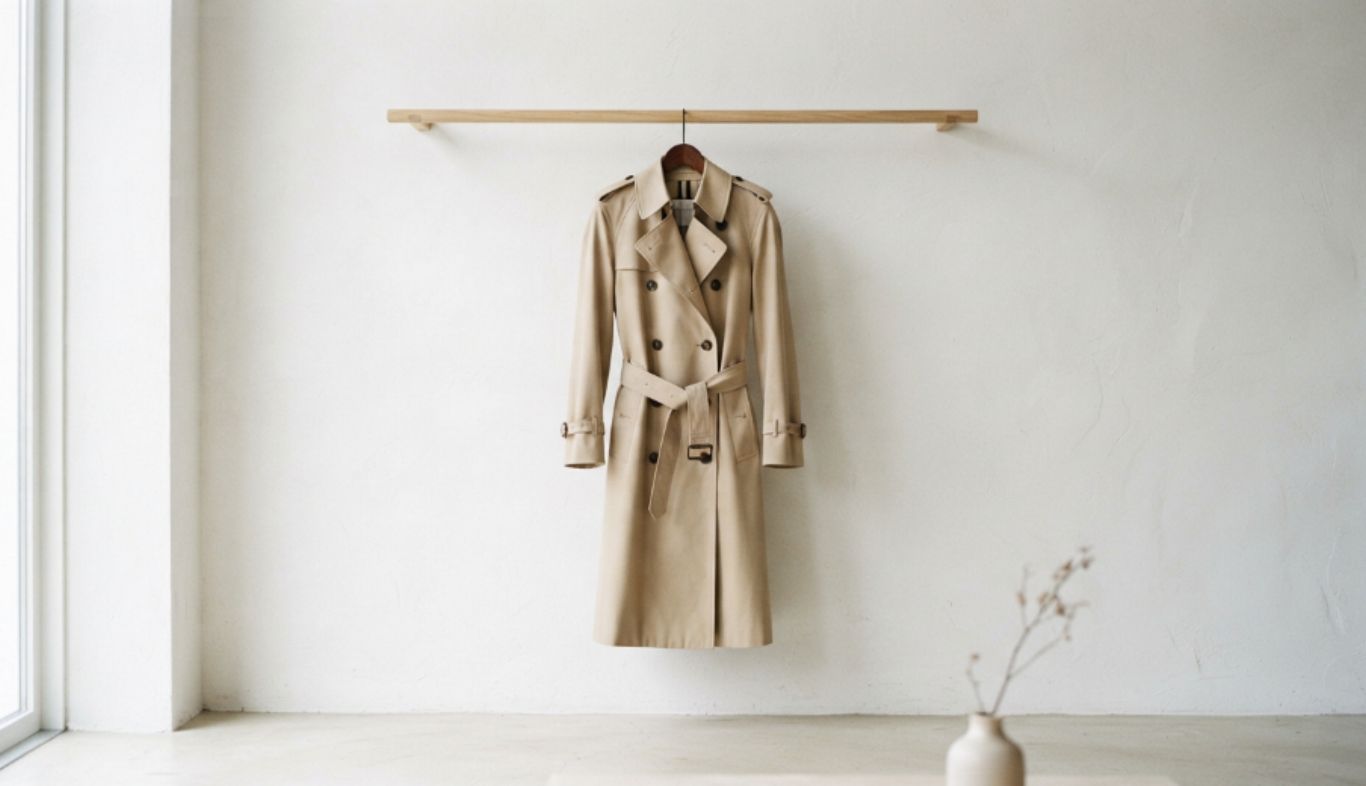
Minimalist fashion is an approach to dressing that focuses on simplicity, versatility, clean design, thoughtful choices, and lasting appeal. Instead of filling a closet with clothes that are rarely worn, minimalist fashion encourages you to choose pieces that work well together and genuinely suit your lifestyle. At first glance, the concept can seem almost too simple. A plain shirt, tailored trousers, a structured coat, and understated shoes don’t sound revolutionary. Yet when those pieces have the right fit, color, fabric, and proportions, the result can look remarkably polished.
That’s the secret: What Is Minimalist Fashion? isn’t about having boring clothes. It’s about removing what doesn’t add value. The style often uses neutral colors such as black, white, gray, navy, beige, cream, brown, and muted tones. However, there’s no requirement to dress entirely in beige or black. A minimalist wardrobe can include bold colors when they’re chosen deliberately. Modern fashion coverage also emphasizes that minimalism is less about rigid rules and more about intention, proportion, texture, and pieces that can be repeatedly styled.
The Core Ideas Behind Minimalism
Four principles sit at the heart of minimalist fashion:
- Simplicity: Clothes have clean lines and limited unnecessary decoration.
- Versatility: Individual pieces can be worn in several combinations.
- Quality: Construction, fabric, and fit matter more than constant novelty.
- Intention: Every item has a reason for being in your wardrobe.
This doesn’t mean you have to own only 20 pieces. Minimalism isn’t a mathematical competition. Someone may feel perfectly comfortable with 30 garments, while another person may need 80 because of work, climate, hobbies, or lifestyle. The goal is to create a wardrobe that feels useful rather than overwhelming.
Minimalist Fashion vs. Simple Clothing
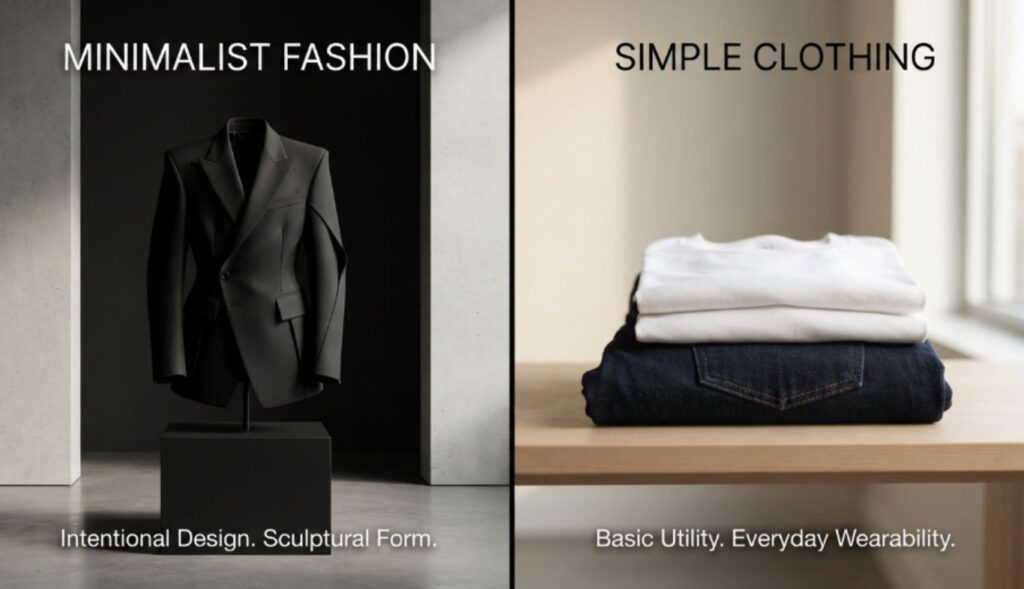
Simple clothing and minimalist fashion aren’t necessarily the same thing. You can wear a plain T-shirt with jeans and still have an outfit that doesn’t feel particularly minimalist. Perhaps the proportions clash, the colors compete, or the clothes don’t fit properly. Minimalism considers the entire composition.
For example, imagine a white cotton shirt, straight-leg trousers, leather loafers, and a simple watch. Each item is understated. Together, however, they create a cohesive visual language. That’s why fit and proportion matter so much. When there are fewer decorative elements, the eye notices the silhouette, fabric, seams, and overall balance more clearly. In other words, minimalist fashion makes the details count.
Why Minimalist Fashion Remains Popular
Minimalist fashion has remained relevant because it solves a very modern problem: having too many choices. Fashion moves quickly. New collections arrive every season, social media constantly introduces new aesthetics, and trends can appear and disappear almost overnight. A minimalist wardrobe offers an alternative. Instead of chasing every new look, you can develop a reliable personal uniform. That doesn’t mean rejecting fashion altogether. Quite the opposite. Minimalism can give you more freedom to experiment because your foundation remains consistent.
Less Decision-Making
Think about the number of decisions you make before leaving home. What shirt should you wear? Which trousers match it? Which shoes? Does this jacket work? What about the bag?
A crowded wardrobe can turn getting dressed into a daily puzzle. A curated wardrobe reduces that friction. If most of your clothing works together, you can get dressed quickly without looking careless. For busy professionals, students, travelers, and anyone who simply doesn’t want to spend half an hour staring into a closet, that’s a real advantage.
Better Cost Per Wear
Minimalist fashion can also encourage more thoughtful spending. Suppose you buy five inexpensive shirts because they’re trendy, but each gets worn only twice. Compare that with one well-made shirt that you wear 50 times.
The second item may cost more initially, but its cost per wear can be considerably lower. Of course, expensive doesn’t automatically mean high quality. Price is only one factor. Construction, fabric, durability, comfort, and how often you’ll actually wear something are more useful questions.
Before buying, ask:
- Will I wear this regularly?
- Does it work with at least three outfits?
- Does it fit my lifestyle?
- Will I still like it next year?
- Is the quality appropriate for the price?
- Am I buying it because I love it or because it’s trending?
Those questions can prevent a surprising number of regrettable purchases.
Personal Style and Confidence
One of the biggest benefits of minimalist fashion is that it can help you identify what you actually like. When your wardrobe isn’t dominated by trends, your preferences become clearer.
Perhaps you love oversized shirts. Maybe tailored trousers make you feel confident. Perhaps your signature is monochrome dressing with silver jewelry. Or maybe you prefer relaxed linen, warm earth tones, and simple sandals.
Minimalism gives those preferences room to breathe. Recent Vogue guidance similarly frames minimalist dressing around personal foundations rather than a rigid universal formula.
A Practical Wardrobe Can Still Be Stylish
There’s a common misconception that minimalism means sacrificing personality. It doesn’t.
You can express personality through:
- A distinctive silhouette
- A favorite color
- Interesting textures
- Vintage accessories
- Statement shoes
- Jewelry
- Eyewear
- Layering
- Unique tailoring
- Carefully chosen prints
The difference is that these elements become intentional focal points instead of competing with one another. A minimalist outfit doesn’t have to whisper. It simply doesn’t need to shout.
10 Powerful Ways to Build a Minimalist Wardrobe
Creating a minimalist wardrobe doesn’t require throwing everything away on Saturday afternoon. In fact, a dramatic closet purge can lead to regret and unnecessary spending. A better approach is gradual. Examine what you already own, identify patterns, and build from there.
1. Define Your Personal Color Palette
Start with colors that naturally work together.
A classic palette might include:
| Base Colors | Supporting Colors | Accent Colors |
|---|---|---|
| Black | Navy | Burgundy |
| White | Gray | Red |
| Cream | Beige | Forest green |
| Brown | Camel | Cobalt |
| Denim | Olive | Deep purple |
You don’t need to choose only neutral shades. The important point is coordination. If most of your wardrobe is navy, white, gray, and denim, adding one red sweater can create several outfits without requiring an entirely new wardrobe.
2. Invest in Wardrobe Essentials
Wardrobe essentials form the foundation of minimalist dressing.
Depending on your lifestyle, these may include:
- A well-fitting white or neutral T-shirt
- A quality button-down shirt
- Straight or wide-leg trousers
- A versatile pair of jeans
- A simple knit sweater
- A tailored blazer
- A practical coat
- A versatile dress
- Comfortable everyday shoes
- A structured or functional bag
You don’t necessarily need every item. The best minimalist wardrobe is personalized. For example, someone who works remotely may have little use for formal blazers. Someone who works in a corporate office may need several.
Recent capsule-wardrobe guides continue to emphasize adaptable pieces such as crisp shirts, jeans, tailored trousers, dresses, knitwear, and versatile outerwear.
3. Prioritize Fit and Proportion
Fit can make a $30 garment look refined and a $300 garment look disappointing.
Pay attention to:
- Shoulder placement
- Sleeve length
- Trouser break
- Waist position
- Overall garment length
- Ease around the body
- Relationship between oversized and fitted pieces
For example, an oversized shirt often looks more balanced with a slimmer or structured bottom. Conversely, wide-leg trousers can work beautifully with a fitted knit or tucked-in shirt. There are no universal rules, but balance matters.
4. Choose Quality Fabrics
Minimalist clothing often relies heavily on fabric because there are fewer visual distractions.
Look for materials appropriate to the garment and climate, including:
- Cotton
- Linen
- Wool
- Cashmere
- Denim
- Silk
- Leather
- Quality blends
Check the fabric weight, stitching, seams, buttons, zippers, and finishing. Also consider comfort. The most beautiful shirt in the world isn’t a minimalist wardrobe essential if you never want to wear it.
5. Build a Capsule Wardrobe
A capsule wardrobe is a small, coordinated collection designed to create many outfits from relatively few pieces.
For example, imagine you have:
- 3 tops
- 2 shirts
- 2 trousers
- 1 pair of jeans
- 1 blazer
- 1 sweater
- 1 dress
- 2 pairs of shoes
Those pieces can potentially create dozens of combinations. The trick is compatibility. If everything works with everything else, your wardrobe becomes dramatically more flexible.
6. Use Texture Instead of Excess Decoration
When minimalist clothing doesn’t rely on large logos, sequins, or elaborate prints, texture becomes important.
Consider:
- Ribbed knits
- Crisp cotton
- Soft wool
- Washed denim
- Smooth leather
- Linen
- Suede
- Pleated fabrics
A cream knit sweater with tailored trousers can look far more interesting when the sweater has a rich ribbed texture. Texture creates depth without making the outfit visually chaotic.
7. Style With Restraint
Accessories can make or break minimalist outfits. You don’t need to wear every accessory you own. Choose one or two elements that support the outfit.
For example:
Option A: Watch + leather bag
Option B: Small earrings + structured handbag
Option C: Sunglasses + simple belt
Option D: Statement ring + understated shoes
Interestingly, fashion stylists interviewed by Vogue have pointed out that accessories can strengthen minimalist dressing precisely because the clean foundation gives them room to stand out.
8. Buy Less and Shop With Purpose
Before purchasing something, pause. Ask yourself whether you’re filling a genuine wardrobe gap or simply responding to a momentary desire.
A useful rule is the three-outfit test: Can I create at least three outfits with this item using clothes I already own? If the answer is no, think twice. You can also use a waiting period. Put desirable items on a list and wait several days before purchasing. If you still want the item and can explain exactly how you’ll wear it, it may be worth buying.
9. Care for Your Clothes
Minimalism doesn’t end at the checkout. Good care can extend the useful life of clothing. Read care labels, wash garments according to their instructions, avoid unnecessary washing, repair small problems early, and store pieces appropriately.
A missing button is a five-minute repair. A neglected garment can become a permanent loss. Clothing care also changes your relationship with your wardrobe. When you maintain your clothes, you’re more likely to value them.
10. Make Minimalism Your Own
This is perhaps the most important rule. Don’t copy someone else’s minimalist wardrobe exactly. Minimalism should make your life easier, not turn your closet into another source of pressure.
If you love color, use color. If you enjoy prints, keep prints. If sneakers are your everyday shoes, don’t buy loafers just because someone online says they’re essential. Minimalist fashion works best when it reflects your actual life.
Minimalist Outfit Ideas for Every Occasion
Once your wardrobe foundation is in place, styling becomes much easier.
Minimalist Casual Outfits
For everyday wear, try:
Look 1: White T-shirt + straight-leg jeans + clean sneakers + simple tote
Look 2: Oversized shirt + tailored trousers + loafers
Look 3: Knit sweater + relaxed jeans + leather flats
Look 4: Neutral tank + wide-leg trousers + sandals The key is not to make every item identical. Combine relaxed and structured pieces to create balance.
Minimalist Workwear
Professional minimalist style can be particularly effective because clean silhouettes naturally look polished.
Try:
- Tailored trousers + button-down shirt + loafers
- Straight trousers + fine knit + blazer
- Midi skirt + fitted top + structured bag
- Simple dress + low heels + understated jewelry
Choose fabrics that hold their shape and colors that coordinate easily. For a more modern look, experiment with proportion. A slightly oversized blazer can make traditional office clothing feel current without relying on loud trends.
Minimalist Evening Style
Evening minimalism can be incredibly elegant. A simple black dress, sculptural earrings, sleek shoes, and a small bag can create a sophisticated outfit without excessive decoration.
Alternatively, combine:
- Satin top + tailored trousers
- Long dress + minimal jewelry
- Structured blazer + simple dress
- Monochrome separates + statement shoes
The secret is contrast. If the clothing is simple, one beautiful detail can become the focal point.
Minimalist Style for Different Seasons
Minimalist fashion works throughout the year because layering provides variety.
Spring: Lightweight shirts, trousers, loafers, cotton dresses
Summer: Linen, cotton, simple dresses, sandals, lightweight tailoring
Autumn: Knitwear, denim, structured jackets, boots
Winter: Wool coats, sweaters, tailored trousers, scarves, leather footwear You don’t need four completely different wardrobes. A strong foundation can adapt with seasonal layers.
Minimalist Fashion and Sustainable Style
Minimalist fashion is often associated with sustainable fashion because both can encourage thoughtful consumption. However, it’s important not to assume that minimalist automatically means sustainable.
Buying fewer items can reduce unnecessary consumption, but material sourcing, manufacturing, transportation, labor practices, and garment longevity also matter. A better approach is to focus on buying less, wearing more, and caring for what you own.
Is Minimalist Fashion Sustainable?
It can be more sustainable in practice when minimalism encourages:
- Fewer impulse purchases
- Longer garment use
- Repair rather than replacement
- Secondhand shopping
- Better wardrobe planning
- Versatile clothing
- Reduced trend chasing
Still, a minimalist wardrobe made entirely from poorly produced disposable clothing isn’t necessarily responsible. Sustainability requires looking beyond aesthetics. For additional perspective on contemporary minimalist dressing and wardrobe building, see Vogue’s guide to mastering minimalist fashion.
Common Minimalist Fashion Mistakes
Even a good idea can go sideways if you take it too literally.
Mistake 1: Wearing Only Beige
Neutral colors are common in minimalist wardrobes, but beige isn’t a requirement. Use colors that flatter you and make you happy.
Mistake 2: Buying Expensive Basics Automatically
A high price doesn’t guarantee quality. Examine construction, materials, comfort, and expected wear instead.
Mistake 3: Throwing Away Too Much
Decluttering can be useful, but don’t discard perfectly wearable clothing just to achieve an arbitrary minimalist aesthetic. Donate or sell items responsibly when appropriate.
Mistake 4: Ignoring Personality
If your wardrobe looks like everyone else’s, you may have followed the trend instead of developing your style. Keep the unusual item you genuinely love.
Mistake 5: Confusing Minimalism With Boring
A monochrome outfit with excellent tailoring, beautiful texture, and strong proportions can be far more striking than an outfit covered in decorations. Minimalism is about editing, not erasing.
Frequently Asked Questions
1. What is minimalist fashion in simple terms?
Minimalist fashion is a way of dressing that focuses on fewer unnecessary details and more thoughtful choices. It usually emphasizes versatile clothing, clean silhouettes, coordinated colors, good fit, and pieces that can be worn repeatedly.
2. Does minimalist fashion mean wearing only neutral colors?
No. Neutral colors are common because they’re easy to combine, but minimalist fashion can include bright or bold colors. The important thing is intentionality and overall balance.
3. How many clothes should a minimalist own?
There’s no fixed number. The right wardrobe size depends on your lifestyle, climate, occupation, laundry routine, hobbies, and personal preferences. Minimalism is about usefulness rather than hitting a specific number.
4. Is minimalist fashion expensive?
It doesn’t have to be. You can create a minimalist wardrobe at many price points. The focus should be on versatility, fit, durability, and how frequently you’ll wear each item rather than the brand name or price tag.
5. What are the most important minimalist wardrobe essentials?
Common foundations include a well-fitting T-shirt, versatile shirt, jeans, tailored trousers, knitwear, outerwear, comfortable shoes, and a practical bag. However, your essentials should reflect your lifestyle.
6. Is minimalist fashion the same as a capsule wardrobe?
They’re related but not identical. Minimalist fashion is a broader philosophy of intentional dressing. A capsule wardrobe is a practical system involving a relatively limited, coordinated collection of clothing.
7. Can minimalist fashion include patterns?
Absolutely. Stripes, checks, subtle prints, and other patterns can work beautifully. The key is to choose patterns that complement the rest of your wardrobe rather than creating constant outfit conflicts.
8. How can I start minimalist fashion without buying new clothes?
Start with what you already own. Remove damaged or unsuitable pieces from your active rotation, identify your favorite garments, create outfits from existing items, and notice which pieces you repeatedly reach for.
9. Is minimalist fashion still fashionable?
Yes. Minimalist dressing continues to influence contemporary fashion because its focus on versatility and understated silhouettes can adapt to changing trends. Current fashion coverage continues to feature minimalist capsules, outfits, and styling approaches.
10. What’s the biggest benefit of minimalist fashion?
For many people, the biggest benefit is simplicity. A well-designed wardrobe can make getting dressed faster, reduce unnecessary purchases, and make personal style feel more consistent.
Conclusion
So, what is minimalist fashion? At its heart, it’s the art of making thoughtful choices. It’s not about owning as little as possible, dressing exclusively in black, or following a strict set of fashion rules. Instead, it’s about building a wardrobe where your clothes work for you. Choose pieces you genuinely enjoy. Prioritize fit. Look for versatility. Pay attention to fabric and construction. Resist buying something simply because the internet says it’s essential.
And most importantly, leave enough room for your personality. The strongest minimalist wardrobe isn’t the emptiest one. It’s the one where almost everything earns its place. When you approach clothing this way, getting dressed can become simpler, shopping can become more intentional, and your personal style can become clearer. That’s the real power of minimalist fashion: less clutter, more choice, and a wardrobe that feels unmistakably yours.