
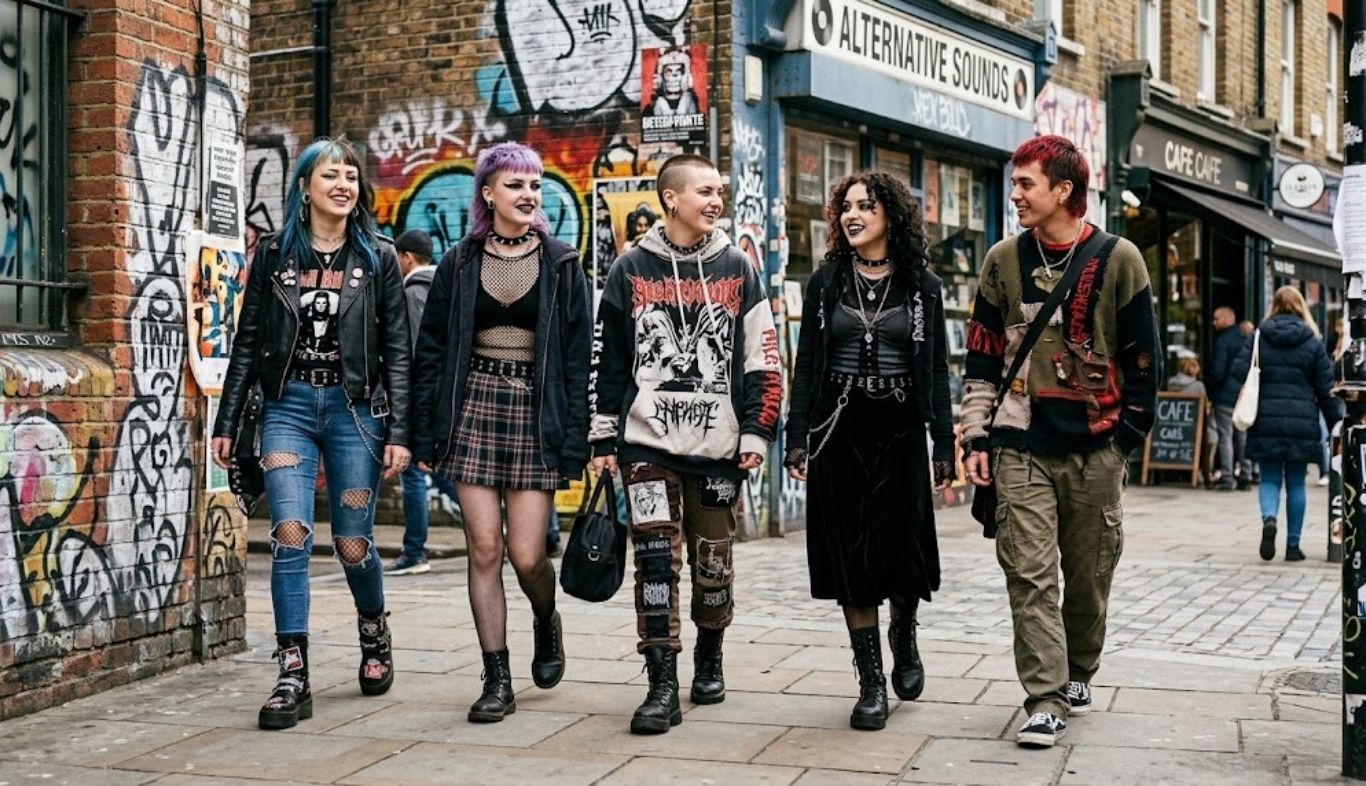
Alternative Fashion is more than wearing unusual clothes. It’s a way to communicate personality, creativity, interests, and individuality through what you wear. Instead of following mainstream trends exactly as they’re presented, alternative dressers often mix different influences to create something that feels personal. That might mean pairing a vintage leather jacket with ripped denim, wearing a dramatic Gothic outfit, styling oversized grunge pieces, or combining Japanese street fashion with modern basics. There isn’t one strict uniform. In fact, the freedom to experiment is one of the biggest attractions.
Alternative style has also changed dramatically over time. Youth movements, music scenes, art communities, street culture, and independent designers have all helped shape it. The Fashion Institute of Technology notes that youth subcultures such as punk, goth, and Lolita have influenced fashion and identity through distinctive visual styles. Today, alternative fashion can be subtle or dramatic. You don’t have to dress head-to-toe in one aesthetic. A simple black outfit with statement boots can create an alternative feel, while someone else might build an elaborate outfit around corsets, layered skirts, chains, or bold makeup. The key is intentionality.
What Is Alternative Fashion?
Alternative fashion refers to clothing and styling that sits outside, challenges, or creatively reinterprets mainstream fashion. It often draws inspiration from subcultures, music, art, historical clothing, underground communities, and street style.
Unlike conventional trend-based dressing, alternative style tends to focus heavily on individual expression. Someone might choose a particular garment because it represents a favorite band, artistic movement, subculture, or personal attitude rather than because it’s currently popular.
Key Characteristics of Alternative Style
Although there are countless variations, several characteristics appear repeatedly:
- Individuality
- Creative layering
- Dark or unusual color palettes
- Vintage influences
- DIY customization
- Statement accessories
- Unconventional silhouettes
- Subcultural references
- Mixing old and new pieces
- Experimental styling
Importantly, alternative fashion doesn’t always mean wearing black. Bright colors, unusual prints, metallic fabrics, pastel shades, and contrasting textures can all be part of an alternative wardrobe. The strongest looks usually have one thing in common: they feel intentional rather than accidental.
Why Alternative Fashion Became Important
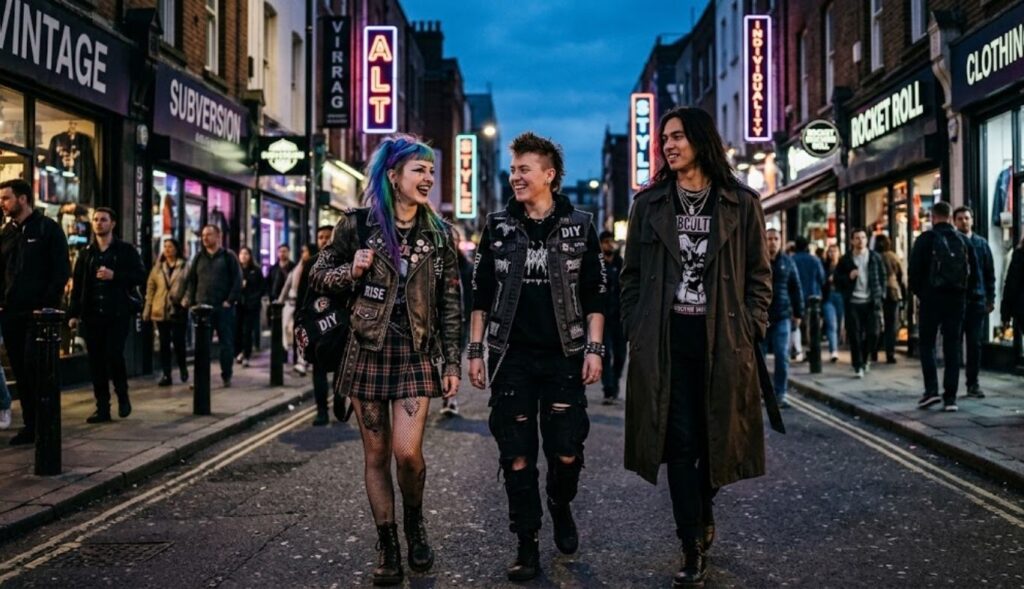
Fashion has historically been connected to social identity. Clothing can tell people where someone belongs, what communities they identify with, and which cultural ideas influence them.
During the 1960s, for example, youth culture began challenging traditional fashion authority. The Fashion Institute of Technology’s Youthquake! exhibition explains how young people helped reshape fashion by challenging established systems and experimenting with new silhouettes, materials, and gender expression. Punk later pushed this idea much further.
Punk clothing transformed ordinary garments through rips, safety pins, studs, slogans, leather, and deliberate distressing. The Met describes punk as having a lasting influence on fashion, particularly through its DIY philosophy and anti-establishment attitude. That history helps explain why DIY remains such an important part of alternative dressing.
12 Powerful Alternative Fashion Styles to Explore
There isn’t a single definition of what an alternative outfit should look like. Instead, there are numerous aesthetics that overlap, borrow from one another, and continue evolving.
1. Punk Fashion
Punk is one of the most influential foundations of modern alternative style.
Typical punk clothing includes:
- Leather jackets
- Band T-shirts
- Ripped jeans
- Combat boots
- Studded belts
- Safety pins
- Plaid trousers
- Distressed fabrics
- Graphic slogans
Punk’s influence is particularly important because it challenged the idea that fashion had to be polished or expensive. Vivienne Westwood and Malcolm McLaren’s designs are frequently associated with the development of punk fashion. Their early London boutique used clothing as a form of visual provocation and DIY experimentation. You don’t need an entire punk wardrobe, though. Try adding one distressed jacket or a pair of chunky boots to an otherwise simple outfit.
2. Goth Fashion
Goth fashion emphasizes darker, dramatic, romantic, and sometimes Victorian-inspired elements.
Common pieces include:
- Black dresses
- Lace tops
- Long coats
- Corsets
- Velvet
- Fishnet tights
- Platform shoes
- Silver jewelry
- Dramatic makeup
The Museum at FIT has documented goth as a major fashion influence, including old-school goth, Victorian goth, industrial, cyber-goth, and Japanese Gothic Lolita. Goth style can be minimalist, romantic, theatrical, or industrial. That’s why it offers plenty of room for experimentation.
3. Grunge Fashion
Grunge became strongly associated with relaxed silhouettes and deliberately unpolished styling.
Think:
- Oversized flannel shirts
- Loose jeans
- Graphic T-shirts
- Knit sweaters
- Worn sneakers
- Boots
- Layered tops
- Vintage clothing
The secret to grunge is avoiding an overly perfect appearance. A slightly oversized shirt or casually layered sweater can make an outfit feel more authentic.
4. Emo Fashion
Emo fashion developed closely alongside alternative music culture.
Its visual language often includes:
- Slim or skinny trousers
- Band shirts
- Dark colors
- Layered tops
- Converse-style sneakers
- Studded belts
- Graphic accessories
- Side-swept hairstyles
Modern interpretations don’t need to reproduce the exact looks of the 2000s. Instead, you can borrow the emotional, music-inspired aesthetic and combine it with contemporary clothing.
5. Scene Style
Scene fashion is brighter and more playful than many darker alternative aesthetics.
It can feature:
- Neon colors
- Graphic prints
- Skinny jeans
- Colorful accessories
- Bold hairstyles
- Statement jewelry
- Layered tops
The fun part is the contrast. Dark clothing can be combined with bright accessories for a dramatic result.
6. Japanese Alternative Fashion
Japan has developed some of the world’s most recognizable alternative street styles.
Examples include:
- Gothic Lolita
- Visual Kei
- Decora
- Harajuku-inspired styles
- Punk Lolita
- Dark streetwear
The Fashion Institute of Technology’s Japan Fashion Now exhibition highlights the relationship between Japanese designers, youth fashion, avant-garde clothing, and subcultural street styles.
Japanese alternative fashion is particularly interesting because it can combine historical references, fantasy, craftsmanship, street culture, and extreme attention to detail.
7. Gothic Lolita
Gothic Lolita combines a doll-like silhouette with darker colors and Gothic details.
Typical elements include:
- Bell-shaped skirts
- Lace
- Bows
- Knee-high socks
- Platform shoes
- Headpieces
- Structured dresses
- Black-and-white combinations
The style demonstrates how alternative fashion can be highly detailed without relying on distressed clothing.
8. Visual Kei
Visual Kei is strongly connected to Japanese music culture and theatrical presentation.
Its fashion can involve:
- Dramatic hairstyles
- Heavy makeup
- Layered clothing
- Leather
- Decorative accessories
- Asymmetrical silhouettes
- Dark or vibrant colors
The emphasis is often on creating a complete visual identity rather than simply selecting fashionable individual pieces.
9. Dark Academia
Dark Academia draws from old libraries, classic literature, academic clothing, and vintage tailoring.
Popular pieces include:
- Wool trousers
- Turtlenecks
- Blazers
- Oxford shirts
- Loafers
- Long coats
- Sweaters
- Earth tones
Brown, charcoal, cream, navy, and black work especially well together.
10. Alternative Streetwear
Alternative streetwear combines underground aesthetics with modern casual clothing.
Try:
- Oversized hoodies
- Cargo trousers
- Graphic tees
- Platform sneakers
- Utility jackets
- Crossbody bags
- Chains
This is one of the easiest versions of alternative fashion for everyday wear because comfort remains central.
11. Cyber and Industrial Style
Cyber and industrial aesthetics use futuristic details and utilitarian clothing.
Common elements include:
- Cargo trousers
- Buckled garments
- Metallic accessories
- Technical fabrics
- Utility vests
- Platform footwear
- Harness-inspired details
You don’t need every element at once. One utility vest or pair of cargo trousers can create the foundation for a futuristic outfit.
12. DIY Alternative Style
DIY may be the most important alternative fashion principle of all.
Instead of purchasing everything ready-made, you can personalize clothing through:
- Patches
- Embroidery
- Fabric paint
- Pins
- Distressing
- Sewing
- Reworked hems
- Vintage alterations
Repurposing clothing has a long relationship with alternative style. FIT’s Fashion History Timeline documents examples of punk and New Romantic clothing being repurposed to create distinctive individual looks.
Building an Alternative Wardrobe
You don’t need to replace your entire closet overnight. Start with versatile pieces and build gradually.
| Clothing Item | Why It Helps | Styling Ideas |
|---|---|---|
| Black jeans | Versatile foundation | Tees, jackets, boots |
| Leather jacket | Adds edge | Dresses, denim, skirts |
| Graphic T-shirt | Shows personality | Jeans, cargos, skirts |
| Oversized hoodie | Comfortable layering | Cargos, shorts, boots |
| Combat boots | Strong statement | Dresses, denim, trousers |
| Flannel shirt | Grunge influence | T-shirts, jeans |
| Long coat | Dramatic silhouette | Almost any dark outfit |
| Plaid trousers | Pattern and texture | Sweaters, graphic tees |
| Platform shoes | Adds height and attitude | Dresses, skirts, trousers |
| Statement jewelry | Personal detail | Simple outfits |
Start With a Base Color
Black is popular, but it isn’t mandatory.
You can build around:
- Black
- Charcoal
- Burgundy
- Brown
- Navy
- Olive
- Cream
- Deep purple
Then add one contrasting color. For example, a black outfit with red accessories instantly feels more expressive than a completely neutral look.
Layer With Purpose
Layering is one of the easiest ways to make an outfit look alternative.
Try combinations such as:
Graphic T-shirt + mesh top + oversized jacket or Turtleneck + slip dress + boots or Band shirt + flannel + cargo trousers The trick is to vary proportions. Pairing an oversized top with slimmer trousers, for example, creates visual balance.
Alternative Accessories That Transform an Outfit
Accessories can completely change a basic outfit.
Jewelry
Consider:
- Chunky rings
- Chain necklaces
- Chokers
- Silver earrings
- Charm bracelets
- Statement pendants
Bags
Alternative bags can include:
- Mini backpacks
- Crossbody bags
- Canvas messenger bags
- Studded bags
- Vintage shoulder bags
Footwear
Shoes often become the strongest visual element.
Popular options include:
- Combat boots
- Platform boots
- Chunky sneakers
- Loafers
- Skate shoes
- Mary Janes
A simple black dress with platform boots and silver jewelry can create a completely different impression from the same dress worn with traditional heels.
How to Create an Alternative Outfit
A simple formula can make styling easier.
Step 1: Choose a Foundation
Start with jeans, trousers, a skirt, or a simple dress.
Step 2: Add One Statement Piece
Choose a jacket, unusual top, dramatic boots, or distinctive accessory.
Step 3: Introduce Texture
Leather, denim, lace, mesh, velvet, knitwear, and distressed fabrics can add depth.
Step 4: Add Accessories
Use jewelry, belts, bags, or headwear to reinforce your chosen aesthetic.
Step 5: Check Proportions
If everything is oversized, your silhouette can become difficult to read. If everything is extremely fitted, the look may lose the relaxed quality associated with some alternative styles. Mixing proportions usually works best.
Alternative Fashion on a Budget
Alternative fashion doesn’t have to be expensive. In fact, buying fewer pieces and customizing what you already own can produce more distinctive results.
Shop Secondhand
Thrift stores and secondhand marketplaces can be excellent sources for:
- Vintage jackets
- Oversized shirts
- Denim
- Leather pieces
- Old band-style tees
- Unique accessories
Older garments often have textures and silhouettes that are difficult to reproduce with mass-produced clothing.
Customize Basic Clothing
A plain denim jacket can become an alternative statement piece with patches or embroidery. An ordinary pair of jeans can also be transformed through carefully planned distressing or fabric details. The goal isn’t to destroy clothing randomly. Think about placement and balance.
Build Slowly
Instead of purchasing ten pieces at once, start with three or four:
- A statement jacket
- Versatile trousers
- Strong footwear
- Interesting accessories
Once you know which elements you enjoy wearing, expand from there.
Common Alternative Fashion Mistakes
Alternative fashion is about experimentation, but a few common mistakes can make outfits feel less intentional.
1. Copying an Aesthetic Too Literally
You don’t need to recreate a Pinterest or social-media outfit exactly. Take inspiration, then adapt it to your personality.
2. Adding Too Many Statement Pieces
If every item demands attention, nothing becomes the focal point. Choose one or two major elements and allow the rest of the outfit to support them.
3. Ignoring Comfort
If you can’t comfortably move, walk, or spend several hours wearing something, you’ll probably avoid it. Personal style should be wearable.
4. Buying Everything New
Secondhand clothing, vintage pieces, and DIY modifications can often create more personality than buying an entire matching outfit.
5. Treating Subcultures Like Costumes
Alternative styles have real cultural and historical roots. Understanding where an aesthetic comes from can help you approach it respectfully rather than treating it as a temporary costume.
Modern Alternative Fashion Trends
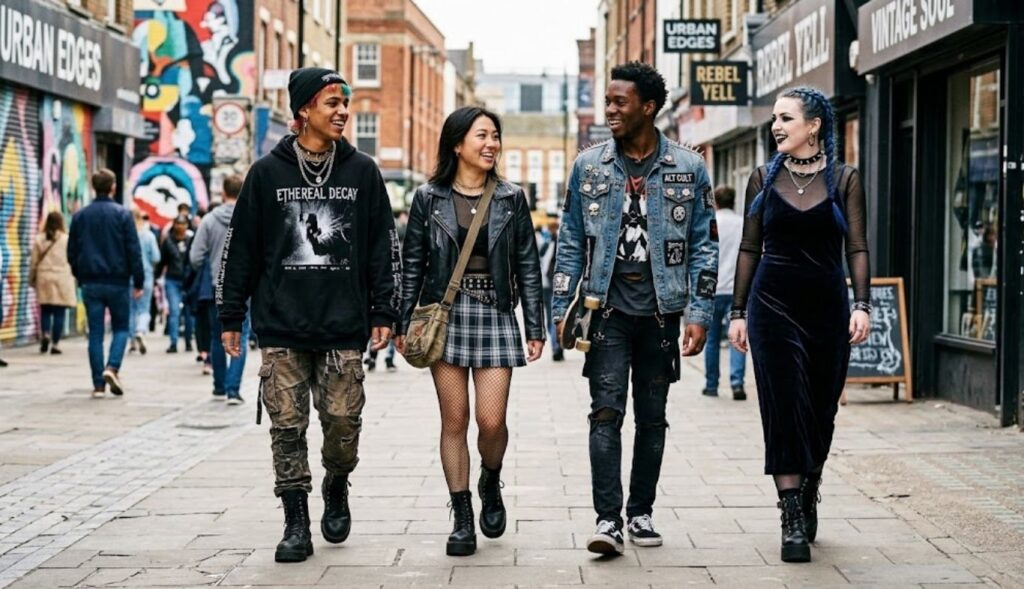
Alternative fashion continues to evolve because it constantly absorbs new influences. Social media has made it easier for people around the world to discover niche aesthetics. At the same time, older styles are frequently reinterpreted. Punk, for example, has moved from underground clothing into mainstream designer collections while still retaining its visual vocabulary. The Met has specifically explored punk’s movement from DIY subculture into couture and high fashion. Japanese street fashion has similarly influenced international designers and fashion enthusiasts.
Meanwhile, contemporary alternative dressing increasingly combines:
- Vintage clothing
- Sustainable shopping
- Gender-fluid styling
- Digital aesthetics
- Streetwear
- DIY customization
- Nostalgic fashion
- Experimental makeup
This mixture makes modern alternative fashion less about belonging to one fixed category and more about creating a personal visual language.
For historical and educational fashion references, the Fashion Institute of Technology’s Fashion History Timeline is a useful external resource for exploring garments, designers, and fashion movements.
Frequently Asked Questions
1. What is alternative fashion?
Alternative fashion is a broad category of clothing that challenges or moves beyond mainstream fashion. It includes styles influenced by punk, goth, grunge, emo, Japanese street fashion, industrial aesthetics, and other subcultures.
2. Does alternative fashion have to be black?
No. Black is common, especially in goth and punk-inspired wardrobes, but alternative fashion can include bright colors, pastels, metallics, earth tones, and bold patterns.
3. How can beginners start wearing alternative fashion?
Start with one statement piece. Try combat boots, a graphic T-shirt, oversized jacket, unusual jewelry, or distressed denim. Gradually add pieces as you discover what feels comfortable.
4. Is alternative fashion expensive?
It doesn’t have to be. Thrift stores, secondhand marketplaces, vintage shops, and DIY customization can make alternative outfits affordable.
5. What shoes work best with alternative outfits?
Combat boots, platform boots, chunky sneakers, loafers, skate shoes, and Mary Janes can all work. Choose footwear according to the specific aesthetic you’re creating.
6. Can alternative fashion be casual?
Absolutely. An oversized graphic T-shirt, black jeans, sneakers, and a simple chain can create a subtle alternative look that’s suitable for everyday wear.
7. Can I mix different alternative styles?
Yes. Mixing aesthetics is one of the best ways to create an original wardrobe. For example, you could combine grunge layers with goth accessories or streetwear with punk-inspired footwear.
8. How do I make alternative fashion look more personal?
Use pieces that reflect your interests. Customize clothing, wear meaningful accessories, experiment with silhouettes, and combine new items with vintage or secondhand finds.
Conclusion
Alternative Fashion gives people an opportunity to step outside predictable style formulas and create something that feels genuinely personal. From punk’s DIY attitude to goth’s dramatic elegance, grunge’s relaxed layers, Japanese street fashion’s creativity, and modern alternative streetwear, there are countless directions to explore. You don’t need to follow one aesthetic perfectly. Start with clothing you already enjoy, add a few distinctive pieces, experiment with proportions, and gradually develop your own visual identity. Most importantly, don’t worry about whether your outfit fits someone else’s definition of alternative. The best alternative style is the one that feels authentically yours.