Why Did Gyaru Become Popular? Fashion trends come and go, but some become cultural movements that leave a lasting mark on society. Gyaru is one of those rare examples. What began as a youth-driven fashion rebellion in Japan eventually evolved into one of the country’s most recognizable subcultures. Even people with only a casual interest in Japanese fashion have likely encountered the dramatic makeup, dyed hair, glamorous outfits, and confident attitude associated with Gyaru.
Yet focusing only on the appearance misses the real story. Gyaru was never just about clothing or beauty products. At its core, it represented a generation of young women pushing back against expectations and creating space for individuality. Its popularity wasn’t driven by a single trend or celebrity endorsement. Instead, it grew because it offered something many young people were searching for: identity, freedom, community, and self-expression.
Why Did Gyaru Become Popular? Understanding why Gyaru became popular requires looking beyond fashion and examining the social and cultural environment that allowed it to thrive.
The Origins of Gyaru and the Conditions That Helped It Grow
Why Did Gyaru Become Popular? The roots of Gyaru can be traced back to the late 1970s and 1980s, when Western fashion and pop culture began influencing Japanese youth more visibly. During this period, many young people were exposed to foreign beauty ideals, music, magazines, and lifestyles that contrasted sharply with traditional Japanese expectations.
At the time, mainstream beauty standards in Japan emphasized pale skin, natural hair colors, modest fashion choices, and reserved behavior. Young women were often expected to present themselves in ways that reflected conformity and social harmony. For some teenagers, these expectations felt restrictive.
This tension created the perfect environment for alternative fashion movements to emerge. Rather than accepting established standards, many young women experimented with bolder appearances and new forms of self-expression. Gyaru gradually became one of the most visible outcomes of this cultural shift.
What’s often overlooked is that Gyaru didn’t appear overnight. It developed slowly through youth culture, shopping districts, fashion magazines, and social networks long before social media existed. By the 1990s, the movement had gained enough momentum to become a major force within Japanese street fashion.
Rebellion Played a Bigger Role Than Fashion
One reason Gyaru became popular was its ability to challenge social expectations without requiring direct political activism. Clothing, makeup, hairstyles, and beauty choices became tools for expressing independence.
Many young women embraced tanned skin, bleached hair, dramatic eye makeup, and flashy clothing because these choices stood in direct contrast to conventional beauty ideals. The look itself communicated a message: “I decide how I want to present myself.”
Why Did Gyaru Become Popular? This element of rebellion made Gyaru particularly appealing during the 1990s and early 2000s. Unlike previous fashion trends that focused mainly on aesthetics, Gyaru carried a deeper emotional appeal. It offered participants a sense of control over their identity.
A useful way to understand Gyaru is to compare it to youth subcultures in other countries. Punk fashion in the United Kingdom and certain alternative movements in the United States also gained popularity because they allowed young people to reject social norms. Gyaru served a similar function within Japan, although it expressed that resistance through glamour, beauty, and fashion rather than aggressive anti-establishment imagery.
For many participants, the style was less about standing out visually and more about refusing to blend in.
The Influence of Shibuya, Magazines, and Fashion Media
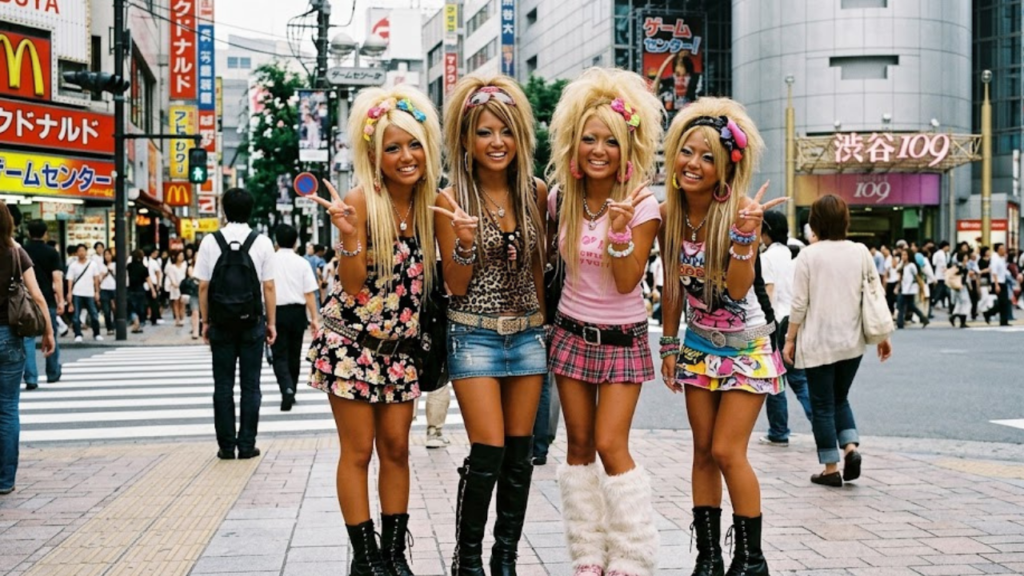
Why Did Gyaru Become Popular? Fashion movements rarely succeed without visibility. Gyaru benefited enormously from the rise of fashion-focused media and the influence of Tokyo’s Shibuya district.
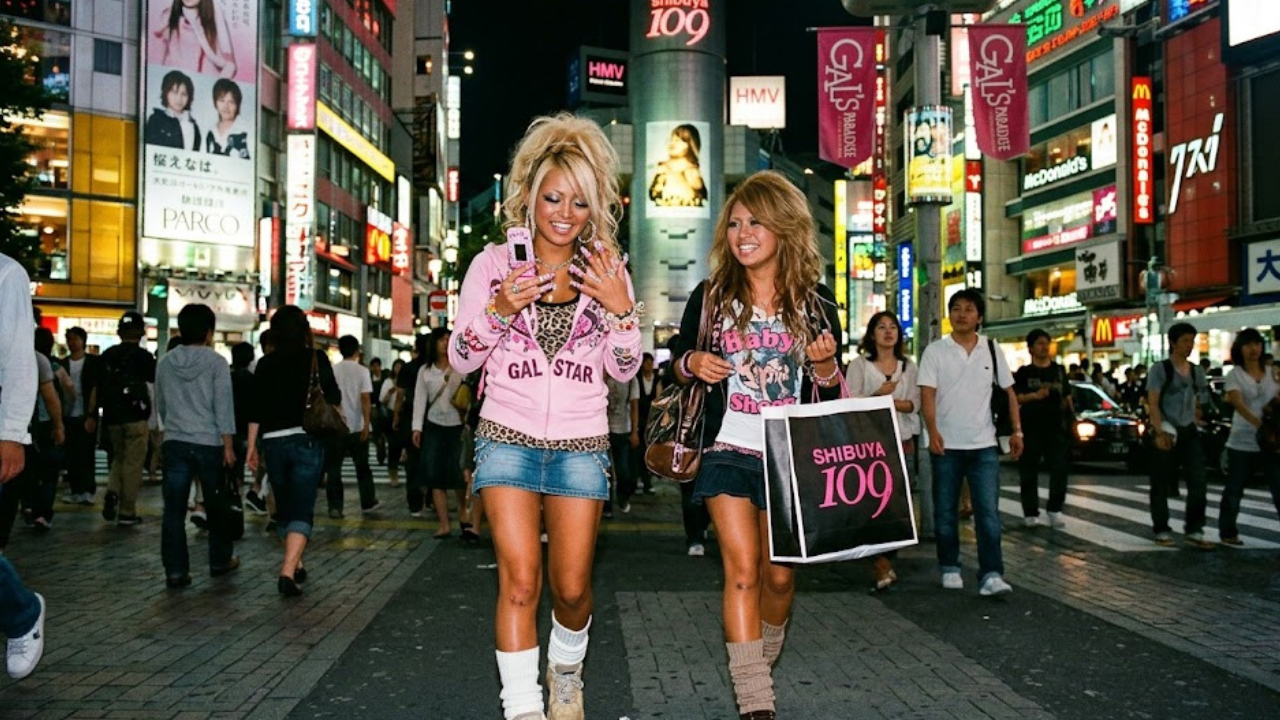
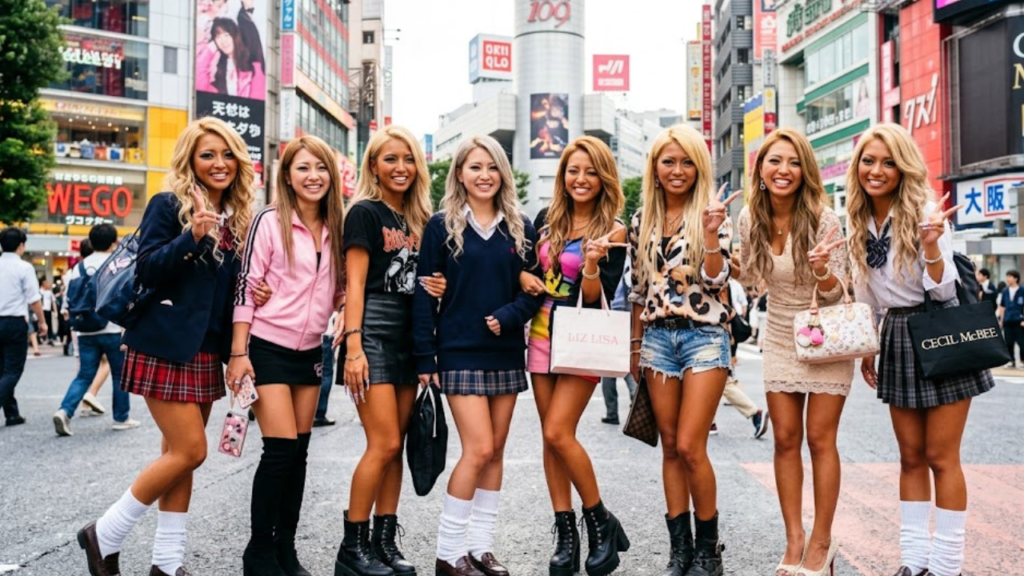
Shibuya became the unofficial headquarters of Gyaru culture. Young people gathered there to shop, socialize, observe trends, and experiment with new styles. The district functioned as a real-world social media platform long before smartphones existed. Fashion ideas spread rapidly through face-to-face interaction.
Magazines amplified this process. Publications such as Egg, Popteen, and Ranzuki became cultural institutions within the community. Unlike traditional fashion magazines that featured distant celebrities, many Gyaru publications highlighted relatable young women whose styles readers could realistically recreate.
This created a powerful feedback loop. Readers copied magazine styles, visited Shibuya, adapted trends to their own tastes, and then inspired others. As participation grew, the movement became increasingly self-sustaining.
Why Did Gyaru Become Popular? Competitors often focus only on the visual influence of these magazines, but their real contribution was community building. They gave participants a shared language, common references, and a sense of belonging. That emotional connection was just as important as the fashion itself.
Gyaru Offered Identity, Confidence, and Community
One of the strongest explanations for Gyaru’s popularity is surprisingly simple: it made people feel good about themselves.
Why Did Gyaru Become Popular? Youth subcultures often thrive because they provide social acceptance during periods of uncertainty. Teenagers and young adults frequently struggle with questions about identity, belonging, and personal expression. Gyaru offered answers to those questions.
Participants could join a community that celebrated individuality while still providing social support. There was room for personal creativity, but there was also a shared culture that connected members to one another.
Several factors contributed to this appeal:
- A strong sense of belonging within the community.
- Greater freedom to experiment with appearance.
- Increased confidence through self-expression.
- Opportunities to build friendships around shared interests.
- A visible identity that differentiated members from mainstream culture.
This psychological dimension helps explain why Gyaru became more than a temporary fashion trend. People weren’t simply buying clothes. They were participating in a culture that reinforced confidence and self-worth.
Even today, former Gyaru participants often describe the community aspect as one of the most meaningful parts of the experience.
The Rise of Gyaru Substyles Expanded Its Popularity
Why Did Gyaru Become Popular? Another reason Gyaru grew so rapidly was its ability to evolve. Rather than remaining a single look, it developed numerous substyles that attracted different personalities and preferences.
| Gyaru Substyle | Key Characteristics |
| Kogal | School-inspired fashion and youthful styling |
| Ganguro | Deep tans, dramatic makeup, and bold expression |
| Manba | Extreme makeup and highly colorful aesthetics |
| Agejo Gyaru | Glamorous, luxurious, and nightlife-inspired fashion |
| Hime Gyaru | Princess-inspired elegance and feminine styling |
| Onee Gyaru | Sophisticated and mature interpretations of Gyaru |
This diversity allowed the movement to appeal to a wider audience. Someone who disliked the dramatic appearance of Ganguro might be drawn to the elegance of Hime Gyaru or the sophistication of Onee Gyaru.
The flexibility of the culture helped extend its lifespan. Trends that remain rigid often fade quickly. Gyaru survived because it continuously adapted while maintaining its core values of confidence and individuality.
Economic and Cultural Factors Behind the Movement
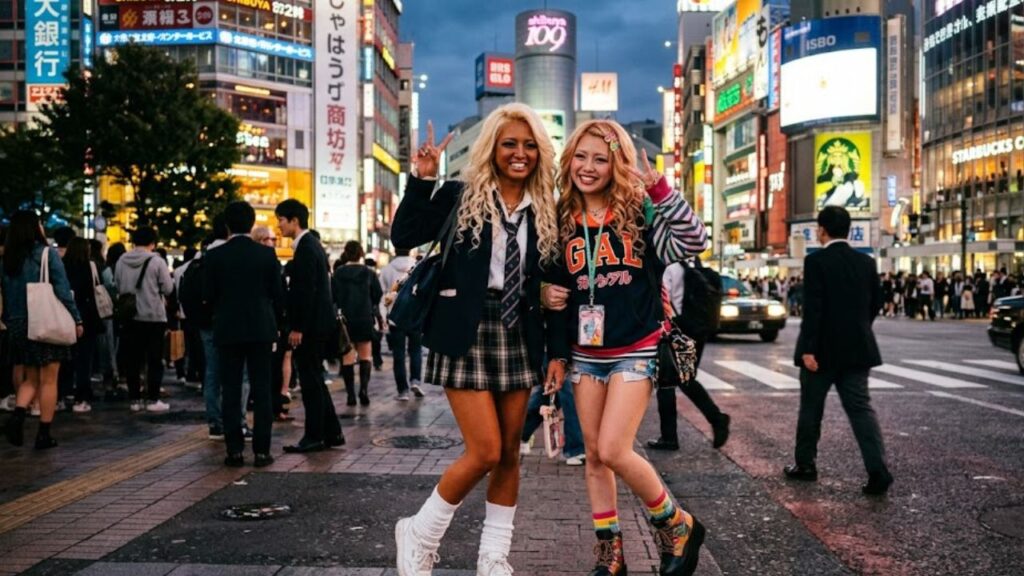
Why Did Gyaru Become Popular? Fashion trends don’t exist in isolation. They are often influenced by broader economic and cultural conditions.
Japan’s economic environment during the late twentieth century played an important role in supporting youth consumer culture. Fashion retailers, cosmetics brands, accessory companies, and magazines all recognized the purchasing power of young consumers.
As Gyaru gained popularity, businesses responded by creating products specifically for the community. Specialized clothing stores, beauty salons, makeup brands, and fashion publications emerged to serve growing demand.
Why Did Gyaru Become Popular? This commercial support accelerated the movement’s expansion. Young people could easily find products, inspiration, and social spaces that reinforced their participation.
At the same time, Japanese society was undergoing cultural changes. Younger generations were increasingly interested in personal identity and individual expression. Gyaru aligned perfectly with those evolving attitudes.
The movement succeeded because cultural demand and commercial opportunity developed simultaneously. Each strengthened the other.
How Gyaru Influenced Global Fashion
Although Gyaru originated in Japan, its influence eventually spread internationally through magazines, internet forums, anime communities, fashion blogs, and social media platforms.
Outside Japan, many people were attracted to Gyaru because it represented a different approach to beauty and style. The emphasis on confidence and self-expression resonated with fashion enthusiasts around the world.
Why Did Gyaru Become Popular? The global appeal wasn’t necessarily about copying every aspect of the look. Instead, people connected with the broader philosophy behind the movement. The idea that beauty standards could be challenged and redefined felt empowering.
Today, online communities in the United States, Europe, and other regions continue to celebrate Gyaru culture. Tutorials, fashion inspiration pages, and dedicated social groups keep the tradition alive while adapting it for contemporary audiences.
This international interest demonstrates that Gyaru’s influence extends far beyond a single era or location.
Why Gyaru Declined and Why It Still Matters
Why Did Gyaru Become Popular? Like most youth subcultures, Gyaru eventually lost some of its mainstream visibility. Fashion trends changed, new styles emerged, and social priorities evolved. By the 2010s, minimalist aesthetics and different forms of self-expression had become more popular among younger generations.
Yet describing Gyaru as “dead” would be inaccurate.
The movement continues to influence fashion, beauty trends, and discussions about individuality. Social media has introduced Gyaru to new audiences who may never have encountered the original magazines or street scenes of Shibuya.
Why Did Gyaru Become Popular? Perhaps the most lasting part of Gyaru isn’t any specific hairstyle or makeup technique. It’s the message behind the movement. Gyaru showed that fashion could be a form of personal empowerment and cultural expression rather than simple trend-following.
That idea remains just as relevant now as it was during the movement’s peak.
FAQ
Why did Gyaru become popular in Japan?
Gyaru became popular because it allowed young women to challenge traditional beauty standards, express individuality, and connect with a supportive community that celebrated personal freedom.
When was Gyaru most popular?
The movement reached its peak during the late 1990s and early 2000s, when Gyaru fashion magazines, models, and substyles became highly influential throughout Japan.
What role did Shibuya play in Gyaru culture?
Shibuya served as the center of Gyaru fashion. It was where trends emerged, communities gathered, and styles spread across the country.
Is Gyaru still popular today?
While it is no longer as mainstream as it once was, Gyaru continues to thrive through online communities, fashion enthusiasts, and social media-driven revivals.
What made Gyaru different from other Japanese fashion subcultures?
Gyaru combined bold fashion, beauty experimentation, self-expression, and community identity in a way that challenged traditional expectations while remaining highly adaptable through multiple substyles.