Himekaji Fashion Guide Some fashion styles are built around making a statement. Himekaji takes a different approach. It borrows the softness and femininity associated with princess-inspired fashion but translates it into something practical enough to wear outside of special occasions. That’s one reason it has remained a favourite within Gyaru culture long after many trends from the 2000s faded away.
For newcomers, Himekaji can be confusing at first. It often gets mixed up with Hime Gyaru because both styles embrace feminine details such as lace, ribbons, florals, and soft colours. The difference lies in execution. Hime Gyaru tends to be glamorous and dramatic, while Himekaji feels more relaxed and wearable. Think of it as romantic casual fashion rather than full princess fantasy.
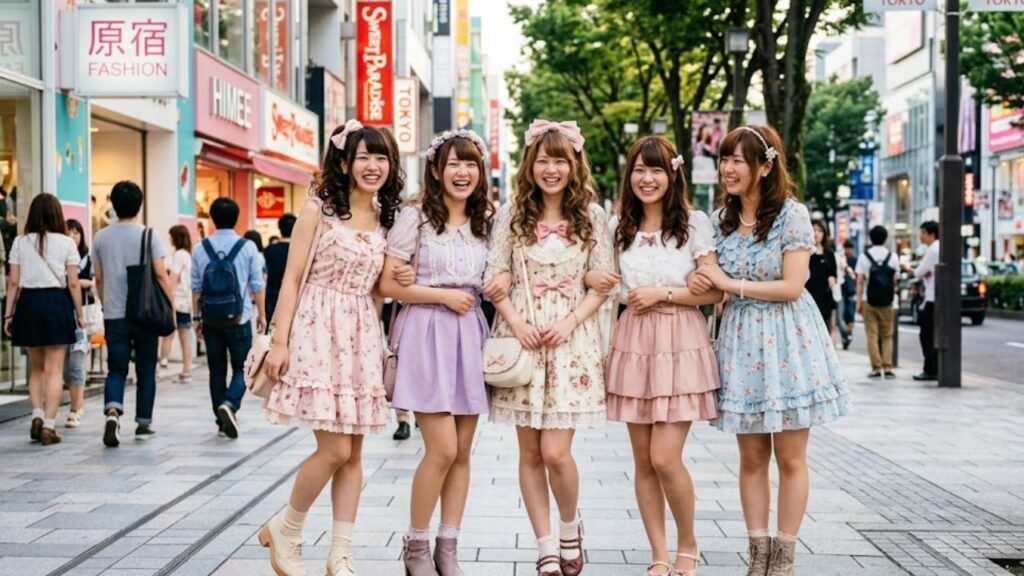
Its appeal extends beyond Japan because the style adapts surprisingly well to everyday wardrobes. A floral dress, a cosy cardigan, and a pair of boots can create an authentic Himekaji outfit without looking like a costume. That balance between fantasy and practicality is what continues to attract fashion enthusiasts around the world.
What Is Himekaji Fashion?
Himekaji Fashion Guide The word “Himekaji” combines two Japanese terms. “Hime” means princess, while “kaji” comes from casual. Together, they describe a style that blends elegant, feminine aesthetics with comfortable everyday clothing.
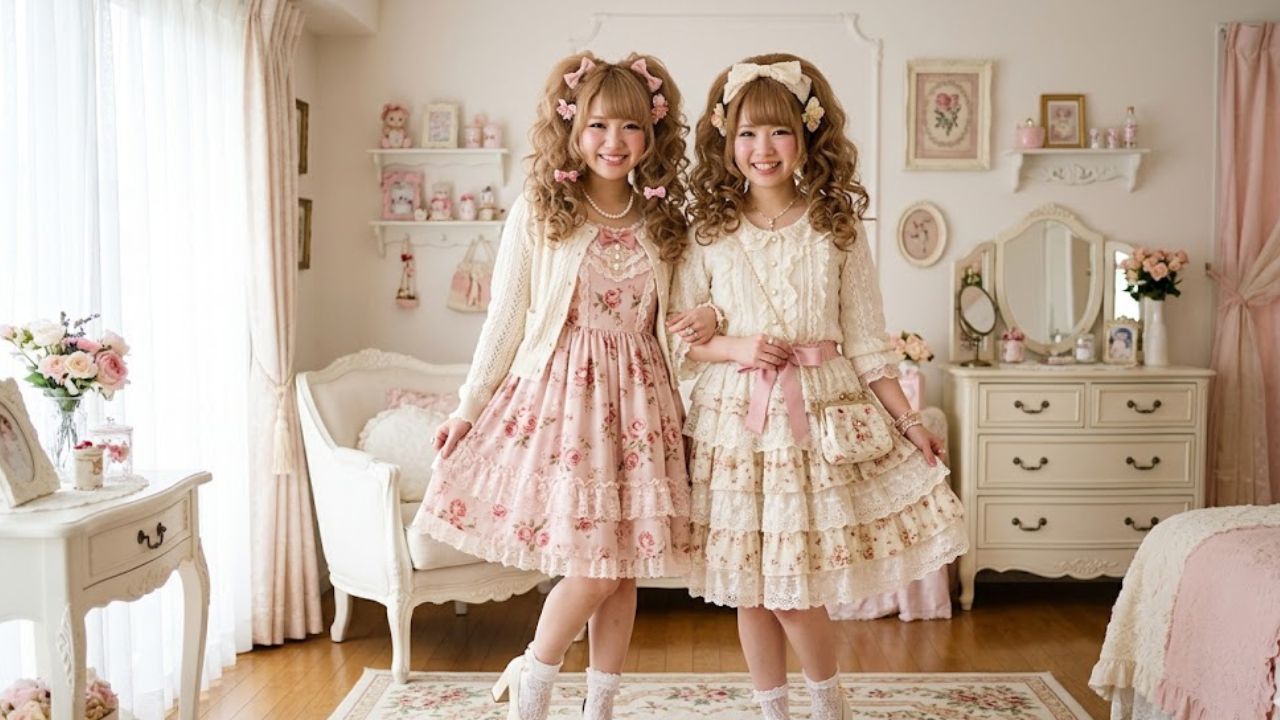
Within the broader family of Gyaru fashion styles, Himekaji occupies a softer and more approachable space. While many Gyaru substyles focus on bold makeup, dramatic hairstyles, or highly noticeable outfits, Himekaji relies on subtle details. Lace trims, floral prints, knit cardigans, ruffled skirts, and delicate accessories are far more important than flashy trends.
One aspect competitors often overlook is that Himekaji is less about individual garments and more about mood. An outfit can include ordinary pieces found in many wardrobes, yet still feel distinctly Himekaji because of its colour palette, layering choices, and feminine silhouette. The overall impression should feel sweet, polished, and effortless rather than extravagant.
The style became particularly popular among young women who admired princess-inspired fashion but wanted something practical enough for daily life. That practicality remains one of its greatest strengths.
The History of Himekaji and Its Place in Gyaru Culture
Himekaji Fashion Guide emerged during the rise of Japanese street fashion in the late 1990s and early 2000s. Fashion districts such as Shibuya became laboratories for experimentation, where numerous Gyaru substyles developed alongside one another.
As Gyaru culture evolved, some enthusiasts moved toward more glamorous looks such as Agejo and Hime Gyaru. Others preferred a softer interpretation that retained feminine elements without requiring extensive styling every day. Himekaji filled that gap.
Several fashion brands helped define the aesthetic. Liz Lisa became particularly influential, producing floral dresses, lace blouses, knitwear, and accessories that embodied the romantic charm associated with the style. Other brands contributed similar pieces, helping establish visual consistency across the community.
Himekaji Fashion Guide Social media later introduced Himekaji to international audiences. Fashion blogs, online communities, and photo-sharing platforms allowed enthusiasts outside Japan to discover the style. Interestingly, many modern followers encountered Himekaji years after its original peak popularity. Instead of treating it as a nostalgic trend, they embraced it as an alternative to minimalist fashion.
That renewed interest explains why Himekaji continues to appear in conversations about contemporary Japanese fashion despite changing trends.
The Core Elements That Define Himekaji
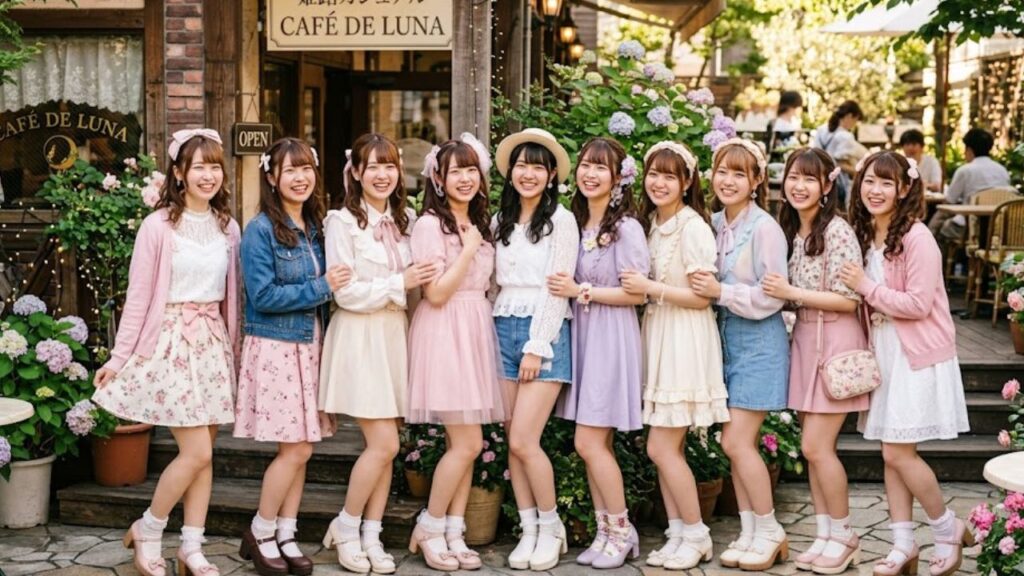
Many people focus on individual clothing items when trying to recreate Himekaji fashion. In reality, the styling principles matter more than any specific garment.
The colour palette typically revolves around soft, romantic shades. Cream, ivory, blush pink, beige, light brown, and muted pastels appear frequently. Dark colours aren’t forbidden, but they’re usually used sparingly to maintain the gentle aesthetic.
Himekaji Fashion Guide Fabrics also play a significant role. Lace, chiffon, cotton, knits, and lightweight materials create texture without adding visual heaviness. Floral prints remain one of the most recognisable features, although subtle patterns often work better than bold designs.
A successful Himekaji outfit usually includes:
- Soft feminine colours
- Floral or lace details
- Layered knitwear
- Romantic accessories
- Comfortable yet elegant footwear
The silhouette should feel relaxed rather than restrictive. Dresses and skirts often have gentle movement, while cardigans and outerwear contribute warmth and softness. The goal isn’t to look extravagant. The goal is to appear naturally feminine and effortlessly coordinated.
One mistake beginners frequently make is adding too many decorative elements at once. Himekaji works best when individual details complement one another instead of competing for attention.
Building a Himekaji Wardrobe
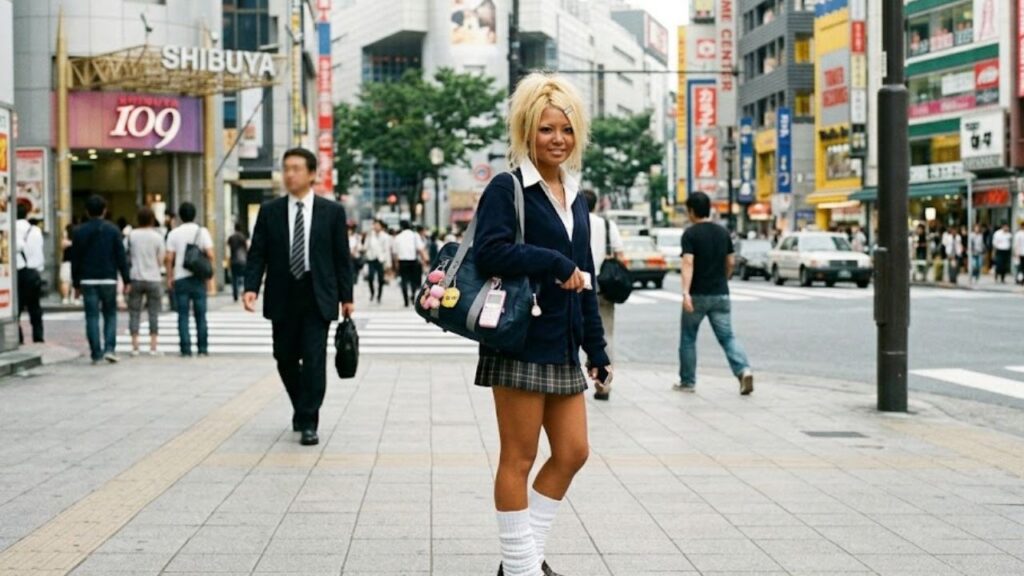
Himekaji Fashion Guide A common misconception is that creating a Himekaji wardrobe requires purchasing dozens of specialised pieces. In practice, a relatively small collection of carefully selected items can produce a surprising number of outfits.
Start with versatile foundation pieces. A floral dress, a neutral cardigan, a lace-trimmed blouse, and a soft-coloured skirt provide enough flexibility to experiment with different combinations. From there, accessories can dramatically expand outfit possibilities.
Rather than chasing rare vintage items immediately, focus on proportions and styling. Many newcomers spend significant amounts of money trying to replicate archived magazine looks exactly. Experienced enthusiasts usually recommend the opposite approach. Learn the aesthetic first, then invest in more specific pieces later.
Popular wardrobe staples include:
- Floral dresses
- Ruffled skirts
- Knit cardigans
- Lace blouses
- Knee-high boots
- Feminine handbags
- Ribbon accessories
This approach keeps the wardrobe functional while preserving the romantic character that defines Himekaji fashion.
Another overlooked factor is seasonal adaptability. Unlike some niche fashion styles, Himekaji transitions smoothly throughout the year. Lightweight dresses work during warmer months, while layered knitwear and boots create equally convincing autumn and winter outfits.
Popular Himekaji Brands and Modern Alternatives
Himekaji Fashion Guide For many enthusiasts, Liz Lisa remains the brand most closely associated with Himekaji. Its collections helped establish many of the visual conventions still linked to the style today. Floral patterns, delicate lace details, bows, and soft silhouettes became signatures that influenced countless followers.
Other notable names include Tralala, Cecil McBee, and Ank Rouge. Although each brand developed its own identity, they collectively shaped the feminine and romantic aesthetic that characterises Himekaji.
Modern shoppers face a slightly different landscape. Some classic pieces are no longer produced, making second-hand markets particularly valuable. Online resale platforms often provide access to authentic garments from earlier eras.
At the same time, strict brand loyalty isn’t necessary. Many contemporary retailers offer clothing that captures the essence of Himekaji without being explicitly connected to Gyaru culture. A carefully chosen floral dress or lace cardigan can contribute just as effectively to the overall aesthetic.
Himekaji Fashion Guide The most successful outfits usually prioritise styling over labels. Someone wearing affordable pieces with a strong understanding of Himekaji principles will often look more authentic than someone wearing expensive brand-name items without considering balance or coordination.
Modern Himekaji Styling Tips
Himekaji Fashion Guide Fashion trends rarely remain unchanged, and Himekaji is no exception. Modern interpretations tend to be slightly more streamlined than their early-2000s counterparts.
Current enthusiasts often combine traditional Himekaji elements with contemporary fashion trends. A floral skirt might be paired with minimalist accessories. A lace blouse may be styled alongside modern outerwear. These combinations help the aesthetic feel relevant without losing its identity.
Hair and makeup have also evolved. Heavy Gyaru-inspired makeup is less common among modern Himekaji followers. Softer eye makeup, natural-looking lashes, and healthy skin tend to complement the romantic aesthetic more effectively.
Perhaps the most useful advice is to avoid treating Himekaji as a strict set of rules. The original appeal of the style came from its ability to balance fantasy with practicality. If an outfit feels comfortable, feminine, and effortlessly elegant, it is probably moving in the right direction.
Himekaji Fashion Guide Fashion communities often become preoccupied with authenticity debates. Yet Himekaji’s history shows that personal interpretation has always been part of the style. Adaptation isn’t a departure from tradition; it’s one reason the aesthetic has survived for so long.
FAQ
Is Himekaji a type of Gyaru?
Yes. Himekaji is generally considered a Gyaru substyle, although it is softer and less dramatic than many other forms of Gyaru fashion.
What is the difference between Himekaji and Hime Gyaru?
Hime Gyaru focuses on glamorous princess-inspired fashion with elaborate styling, while Himekaji adopts a more casual and wearable approach to feminine fashion.
Can Himekaji be worn every day?
Himekaji Fashion Guide Absolutely. Everyday wearability is one of the defining characteristics of the style, making it easier to incorporate into regular wardrobes than many alternative fashion trends.
What colours are most common in Himekaji fashion?
Cream, ivory, beige, blush pink, light brown, and soft pastel shades appear most frequently in Himekaji outfits.
Is Himekaji still popular?
Himekaji Fashion Guide While it is no longer at its early-2000s peak, Himekaji continues to attract dedicated followers worldwide and remains one of the most recognisable Gyaru substyles.
Himekaji occupies a unique place within Japanese fashion because it balances elegance with practicality. It embraces romantic details without becoming overly theatrical and allows personal creativity without abandoning its core identity. That combination has helped the style remain relevant long after many fashion trends disappeared. For anyone drawn to feminine aesthetics, floral patterns, and effortless sophistication, Himekaji remains one of the most approachable entry points into the wider world of Gyaru fashion.