Gyaru Culture in Japan Fashion trends often come and go, but some become cultural movements that leave a lasting mark on society. Gyaru is one of those rare examples. What began as a rebellious fashion trend among Japanese youth evolved into a powerful form of self-expression that challenged traditional beauty standards and created its own identity. While many people outside Japan recognize Gyaru for its dramatic makeup and bold hairstyles, the culture runs much deeper than appearance alone.
One reason Gyaru continues to fascinate fashion enthusiasts is its refusal to fit neatly into expectations. It emerged during a period when conformity played a significant role in Japanese society, and its followers deliberately chose styles that stood out rather than blended in. Decades later, the influence of Gyaru can still be seen in Japanese street fashion, online beauty communities, and social media trends. Understanding the movement requires looking beyond the makeup and clothing to appreciate the attitudes, creativity, and confidence that helped define it.
The Origins of Gyaru Culture
Gyaru Culture in Japan The word “Gyaru” comes from the English word “girl,” adapted into Japanese pronunciation. While the term is widely associated with fashion today, its roots are closely connected to youth culture and changing attitudes toward individuality.
During the late 1980s and early 1990s, many young Japanese women began rejecting conventional beauty ideals. Traditional expectations often favored natural dark hair, modest fashion, and understated makeup. Gyaru emerged as a response to these standards. Instead of following accepted norms, participants embraced dyed hair, bold cosmetics, flashy clothing, and a highly visible personal style.
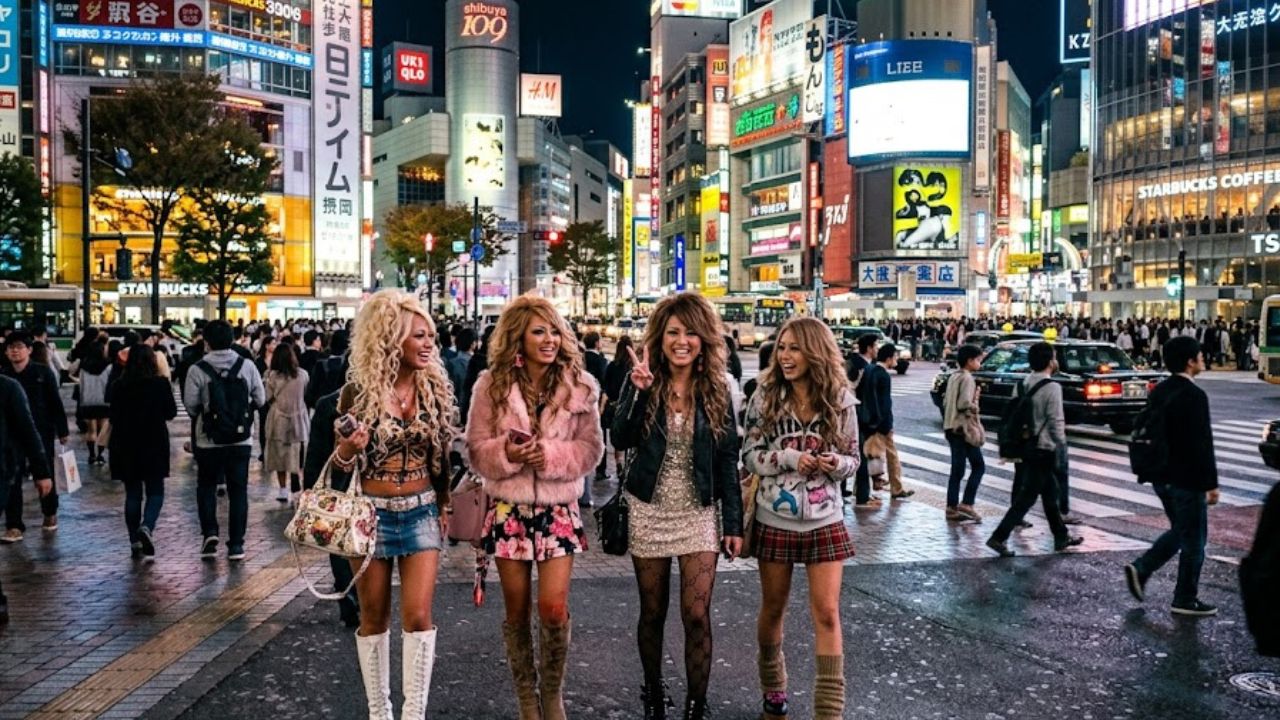
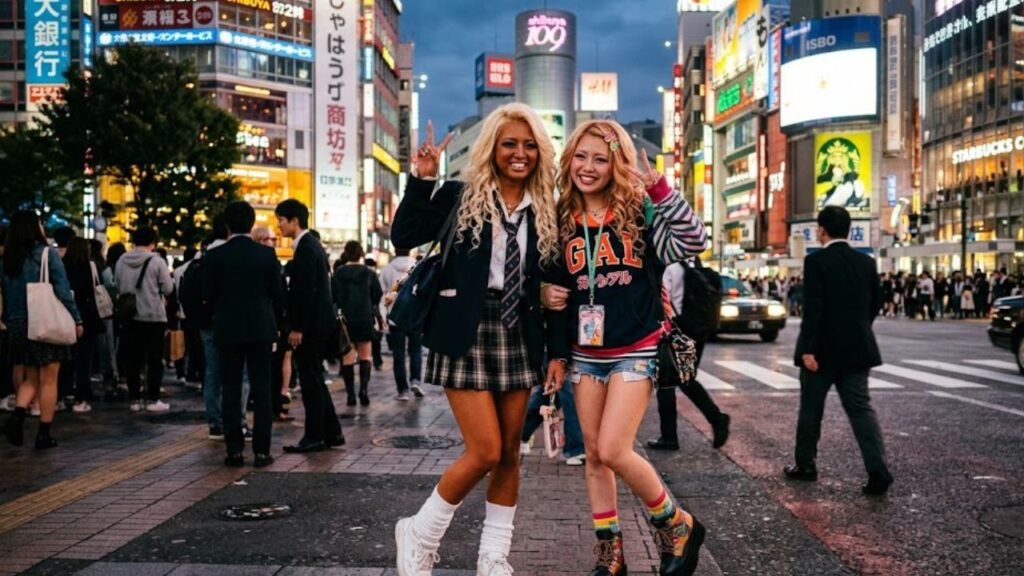
Gyaru Culture in Japan The movement gained momentum in Tokyo, particularly in the Shibuya district. Shopping centers, fashion magazines, and youth-oriented brands helped shape what would become one of Japan’s most recognizable fashion subcultures. Unlike many fashion trends created by designers, Gyaru was largely driven by young women themselves. Their creativity influenced magazines, brands, and eventually mainstream culture.
What competitors often overlook is that Gyaru was never simply about attracting attention. For many participants, it represented freedom. The fashion became a visual statement that individuality mattered more than fitting into established expectations.
How Gyaru Fashion Evolved Over Time
Gyaru Culture in Japan Gyaru did not remain a single style for long. As the movement grew, different interpretations emerged, each with its own personality and aesthetic.
The 1990s established the foundation of the culture. Brightly dyed hair, platform shoes, tanned skin, and fashionable clothing became increasingly popular among young women in urban areas. By the early 2000s, Gyaru entered what many enthusiasts consider its golden age. Fashion magazines dedicated to the style reached large audiences, and specialized brands flourished.
As popularity increased, numerous substyles appeared. Some emphasized glamour and luxury, while others embraced edgy or princess-inspired looks. This diversity helped Gyaru remain relevant because individuals could adapt the fashion to suit their own tastes.
Gyaru Culture in Japan The 2010s brought significant changes. Social media transformed how fashion trends spread, and some classic Gyaru styles became less common in everyday life. However, rather than disappearing, the culture evolved. Modern interpretations often combine traditional Gyaru elements with contemporary fashion influences.
A common misconception is that Gyaru no longer exists. In reality, it has simply become more flexible. Today’s enthusiasts frequently blend vintage Gyaru aesthetics with modern trends, creating a new generation of fashion inspired by the movement’s original spirit.
Understanding the Major Gyaru Styles
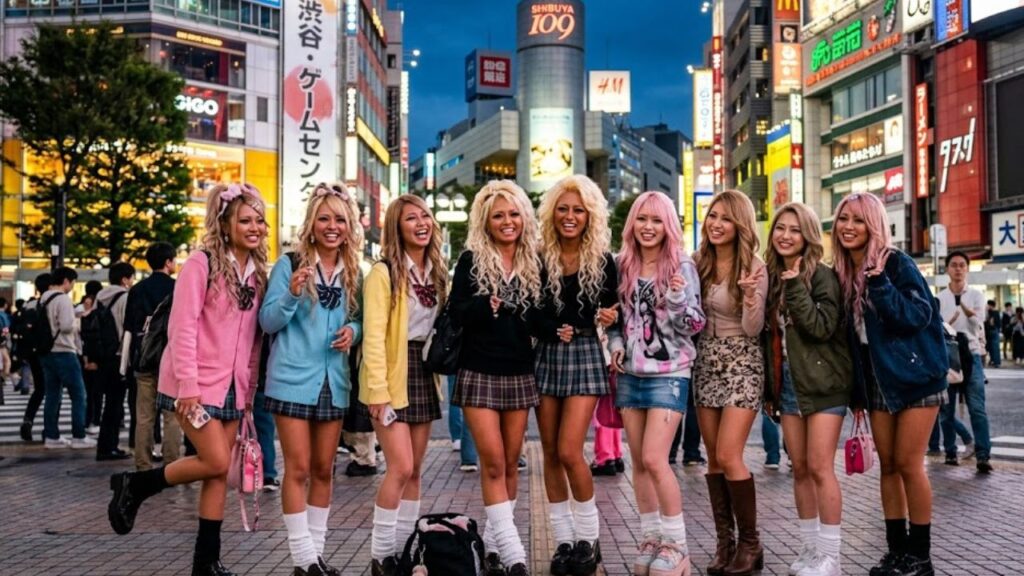
Gyaru Culture in Japan One of the reasons Gyaru remains fascinating is the variety of substyles that developed within the culture. Each reflects different fashion priorities and aesthetic preferences.
| Style | Main Characteristics |
| Hime Gyaru | Princess-inspired fashion, lace, ribbons, elegant hairstyles |
| Agejo Gyaru | Glamorous clothing, luxury influences, dramatic makeup |
| Ganguro | Deep tans, bold makeup, striking contrast effects |
| Kogal | School-uniform-inspired fashion and youthful styling |
| Onee Gyaru | Sophisticated, mature, feminine appearance |
| Rokku Gyaru | Rock-inspired fashion mixed with Gyaru aesthetics |
Hime Gyaru remains one of the most recognizable styles. Inspired by fairy tales and European princess imagery, it features elaborate hairstyles, pastel colors, lace details, and decorative accessories. The look is highly feminine yet unmistakably connected to Gyaru culture.
Agejo Gyaru developed a more glamorous image. Followers often favored fitted dresses, luxury-inspired accessories, and polished makeup techniques. Compared to other substyles, Agejo frequently projected sophistication and nightlife elegance.
Gyaru Culture in Japan Ganguro became one of the most controversial variations. Deep tanning, light makeup highlights, and dramatic contrasts challenged conventional Japanese beauty standards. While outsiders often focus exclusively on Ganguro, it represents only one branch of the broader Gyaru movement.
Kogal, Onee Gyaru, and Rokku Gyaru demonstrate how adaptable the culture became. Each maintained core Gyaru influences while developing distinct visual identities that appealed to different personalities.
The Makeup and Beauty Philosophy Behind Gyaru
People often assume Gyaru makeup exists solely to create dramatic appearances. In reality, its purpose is more nuanced. The makeup style focuses on transformation, creativity, and self-expression.
Gyaru Culture in Japan Large, expressive eyes became a defining characteristic of many Gyaru looks. Techniques such as false eyelashes, circle lenses, eyeliner extensions, and highlighting were used to create a doll-like appearance. These methods were not intended to imitate natural beauty. Instead, they celebrated artistic enhancement and personal style.
Hair also played a central role. Blonde, brown, caramel, and other lighter shades became common choices. Voluminous curls, extensions, and elaborate styling techniques helped create the bold aesthetic associated with the culture.
Several beauty elements frequently appeared in classic Gyaru styling:
- Dramatic false eyelashes
- Circle lenses for enlarged-eye effects
- Dyed or lightened hair
- Contouring and highlighting techniques
- Decorative nail art
- Statement accessories
Gyaru Culture in Japan An interesting observation often missed by casual discussions is that Gyaru makeup anticipated many beauty trends now considered mainstream. Techniques such as contouring, lash layering, and eye enlargement became widely popular years after Gyaru communities had already embraced them.
Gyaru as a Cultural Movement
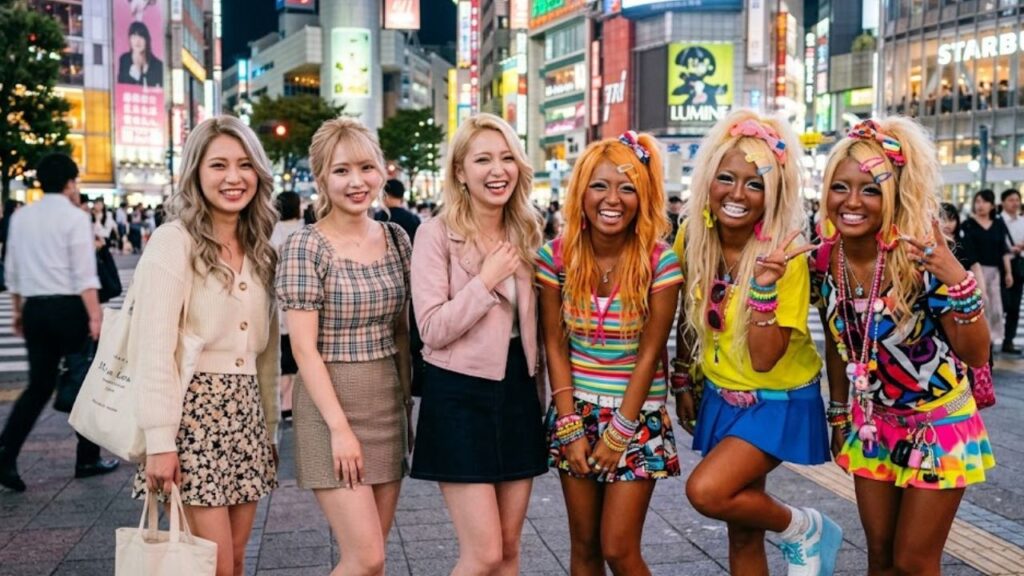
Reducing Gyaru to clothing and cosmetics overlooks what made the movement influential. At its core, Gyaru reflected changing attitudes among young people who wanted greater control over their appearance and identity.
Japanese youth culture has long produced distinctive fashion movements, but Gyaru stood out because of its scale and visibility. It challenged assumptions about femininity, beauty, and social expectations. Participants often created supportive communities centered around fashion experimentation and shared interests.
Gyaru Culture in Japan Fashion magazines played a major role in spreading the culture. Publications featured makeup tutorials, styling advice, and photographs of real enthusiasts rather than distant celebrities. Readers could see people who looked like them participating in the movement, which made the style feel accessible.
The rise of social media created a new chapter for Gyaru. Platforms such as Instagram, TikTok, and YouTube introduced the fashion to international audiences who may never have encountered it through traditional Japanese media. Today, creators from around the world share tutorials, outfit inspiration, and discussions about the culture.
The global appeal of Gyaru comes from something deeper than fashion trends. Many people connect with its message of self-expression. While the specific clothing and makeup may change over time, the desire to challenge expectations and develop a personal style remains highly relevant.
Why Gyaru Still Matters Today
Gyaru Culture in Japan Fashion enthusiasts often view Gyaru as a relic of the early 2000s, but that perspective overlooks its lasting influence. Many contemporary beauty trends borrow techniques that Gyaru communities popularized years earlier. Social media aesthetics, dramatic eye makeup, bold hair colors, and highly curated personal styles all reflect ideas that were central to the movement.
The modern revival of Gyaru demonstrates how fashion subcultures evolve rather than disappear. New generations reinterpret older trends through contemporary lenses. Some adopt only specific elements, while others embrace the culture in a more traditional form.
Perhaps the most enduring lesson from Gyaru is that fashion can function as a language. Clothing, makeup, hairstyles, and accessories communicate values, attitudes, and identity. The movement encouraged people to experiment with that language rather than accept predefined rules.
Gyaru Culture in Japan Its influence extends far beyond Japan. From alternative fashion communities in the United States to online beauty creators worldwide, traces of Gyaru continue to appear in unexpected places. The style’s visual impact may draw attention first, but its emphasis on individuality is what has allowed it to endure.
Frequently Asked Questions
What does Gyaru mean?
Gyaru is derived from the English word “girl” and refers to a Japanese fashion subculture known for bold beauty choices, distinctive fashion styles, and strong self-expression.
Is Gyaru fashion still popular?
While it is less dominant than during its peak in the early 2000s, Gyaru remains active through online communities, fashion enthusiasts, and modern revivals on social media platforms.
What is the difference between Gyaru and Ganguro?
Gyaru Culture in Japan Ganguro is a substyle within Gyaru culture. Gyaru refers to the broader movement, while Ganguro represents a specific look characterized by deep tanning and dramatic makeup contrasts.
Which Gyaru style is easiest for beginners?
Many newcomers start with Onee Gyaru because it incorporates sophisticated fashion elements that can be adapted easily to everyday wardrobes.
Can people outside Japan participate in Gyaru fashion?
Yes. Gyaru has developed an international following, and enthusiasts worldwide participate while learning about the culture’s history and significance.
Gyaru remains one of the most influential fashion movements to emerge from Japan. Its history reveals far more than changing clothing trends. It tells a story about identity, creativity, and the willingness to challenge expectations. From the streets of Shibuya to global online communities, the culture continues to inspire people who see fashion as a form of personal expression rather than a set of rules. That spirit of individuality is ultimately what keeps Gyaru relevant long after its original rise to popularity.