Agejo Gyaru Guide Some fashion trends fade after a season. Others become part of a larger cultural story. Agejo Gyaru falls into the second category.
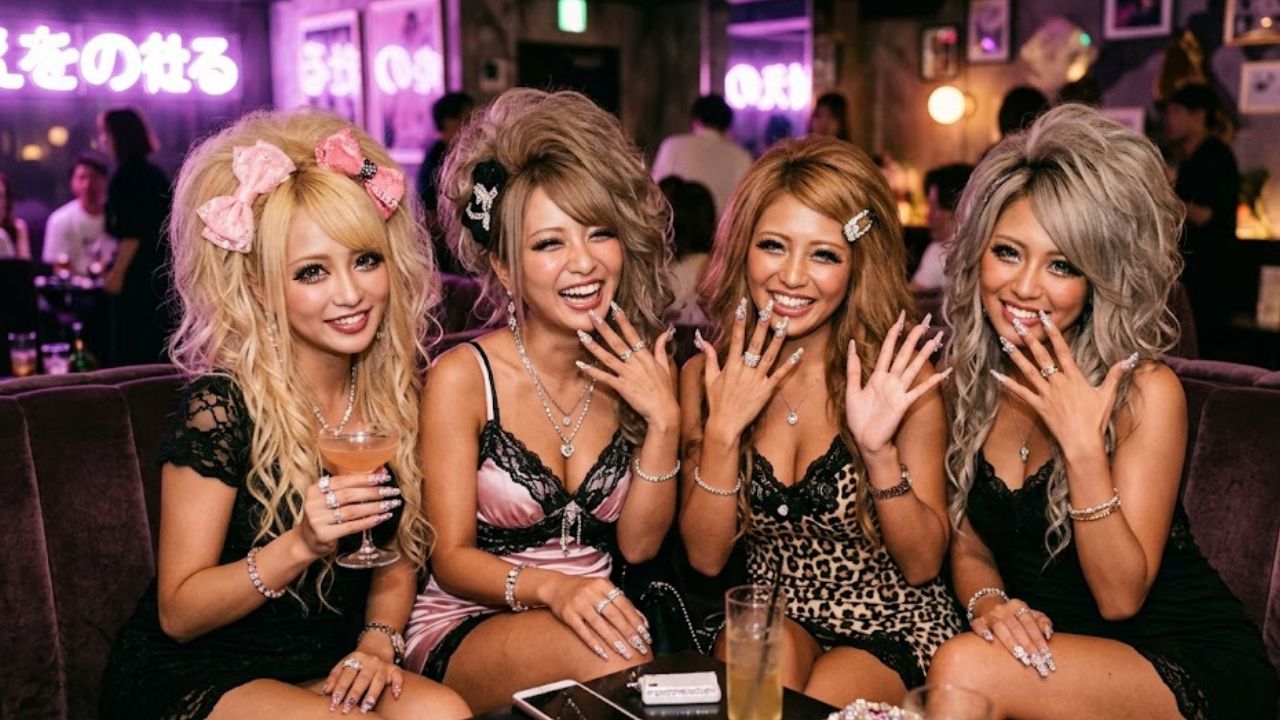
At first glance, Agejo Gyaru is easy to recognise. The dramatic lashes, voluminous hair, glamorous dresses and ultra-feminine styling create a look that feels unapologetically bold. Yet reducing it to oversized hair and heavy makeup misses what made the style so influential. Agejo emerged during a period when Japanese fashion subcultures were constantly evolving, and it offered a more luxurious, mature interpretation of traditional Gyaru aesthetics.
Agejo Gyaru Guide For many people discovering the style today, the appeal lies in its balance of glamour and confidence. Unlike minimalist beauty trends that emphasise looking effortless, Agejo celebrates transformation. Every element—from makeup to accessories—is intentionally designed to create impact. Understanding how those elements work together is the difference between wearing Agejo-inspired pieces and truly capturing the aesthetic.
What Is Agejo Gyaru?
Agejo Gyaru is a glamorous substyle within Japanese Gyaru fashion. The look became especially popular during the late 2000s and was strongly associated with elegance, luxury-inspired fashion and dramatic beauty techniques.
Agejo Gyaru Guide One reason Agejo is often misunderstood is that many newcomers confuse it with Hime Gyaru. Both styles embrace femininity, but they approach it differently. Hime Gyaru leans heavily into princess-inspired fashion with bows, lace and fairy-tale influences. Agejo, by contrast, feels more sophisticated and nightlife-oriented. The styling is glamorous rather than whimsical.
Fashion magazine culture played a major role in shaping the aesthetic. Publications focused on Gyaru trends showcased models wearing fitted dresses, statement accessories and elaborate hairstyles. These images helped establish the visual identity that many people still associate with Agejo today.
What made the style stand out was its emphasis on looking polished from head to toe. Hair, makeup, nails, clothing and accessories were treated as equally important parts of the final appearance.
The History Behind the Style
To understand Agejo, it helps to understand the broader Gyaru movement.
Agejo Gyaru Guide Gyaru culture emerged as a response to traditional beauty expectations in Japan. Instead of conforming to conventional standards, many young women embraced bold makeup, dyed hair and fashion choices that expressed individuality. Over time, the movement expanded into numerous substyles, each developing its own identity.
Agejo appeared as Gyaru fashion matured. Rather than focusing on youthful rebellion, it embraced glamour, luxury and refinement. The style became closely linked with nightlife fashion and hostess-inspired aesthetics, though many followers adapted it for everyday wear.
A detail often overlooked by competitors is that Agejo wasn’t simply about looking expensive. It was about creating a carefully curated image. Followers paid close attention to coordination. Hair colour complemented makeup. Accessories matched clothing. Nothing appeared random.
Agejo Gyaru Guide This attention to visual harmony helped Agejo develop a distinctive identity that separated it from other Gyaru substyles.
The Makeup That Defines Agejo Gyaru
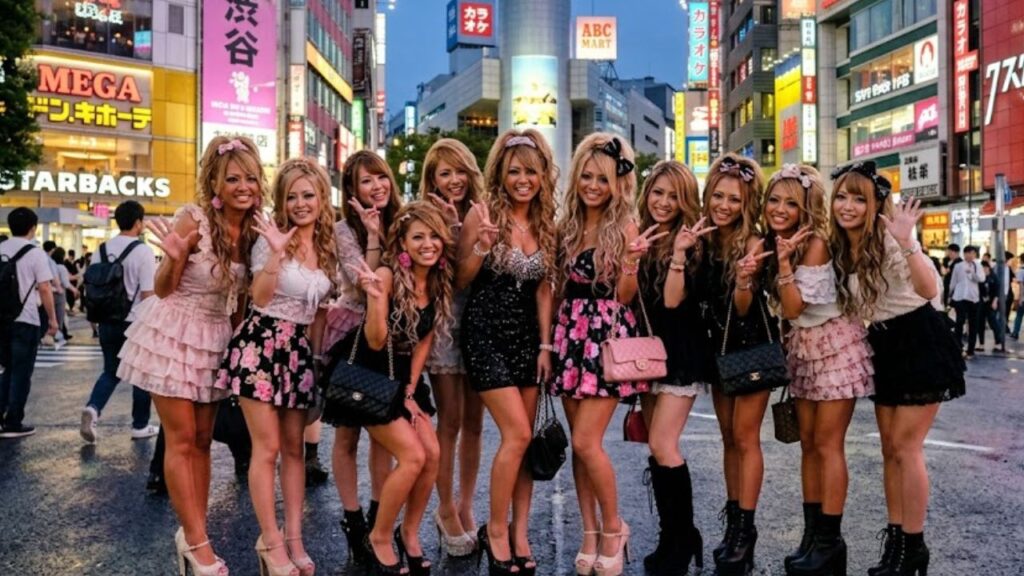
If there’s one element that immediately identifies an Agejo look, it’s the makeup.
Agejo Gyaru Guide The goal isn’t natural beauty. The goal is enhancement. Eyes appear larger, lashes longer and facial features more defined. The finished result should look glamorous without becoming chaotic.
Eye makeup serves as the centrepiece. Thick eyeliner, dramatic false lashes and carefully blended eyeshadow work together to create the signature doll-like effect. Many enthusiasts spend more time perfecting eye makeup than any other part of their routine.
One common mistake beginners make is assuming more makeup automatically creates a better result. In reality, balance matters. Heavy eyeliner paired with poorly blended shadow often looks messy rather than glamorous.
Key Agejo makeup elements include:
- Dramatic upper and lower lashes
- Defined eyeliner with enlarged eye effects
- Soft contouring for facial structure
- Highlighted cheekbones
- Glossy or softly coloured lips
- Bright, polished skin finish
Agejo Gyaru Guide Circle lenses are another feature frequently associated with classic Agejo styling. They enhance the illusion of larger eyes and contribute to the distinctive doll-inspired appearance that became popular throughout Gyaru culture.
The most successful Agejo makeup looks create harmony. Every product supports the overall effect rather than competing for attention.
Hair: The Feature That Many Beginners Ignore
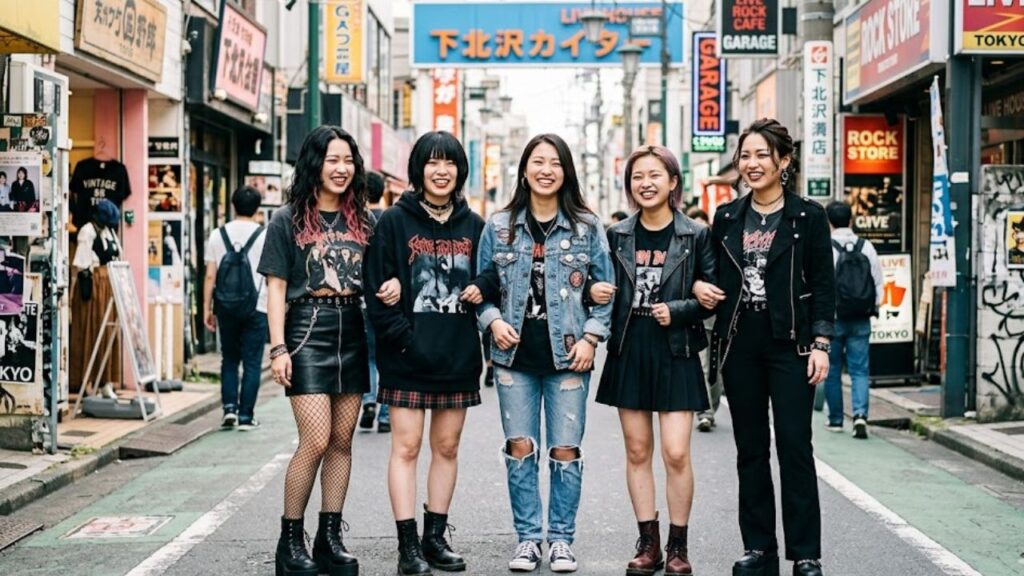
Agejo Gyaru Guide Ask experienced members of the Gyaru community about common beginner mistakes and many will mention hair before makeup.
A surprising number of newcomers focus exclusively on cosmetics while overlooking one of the most important elements of the aesthetic.
Traditional Agejo hairstyles prioritise volume. Large curls, teased roots and layered styling create movement and drama. Flat hair rarely complements the look, regardless of how well the makeup is executed.
Hair extensions became popular partly because they made it easier to achieve the desired fullness. Long, voluminous styles created a glamorous silhouette that balanced dramatic eye makeup and statement fashion pieces.
Popular hair colours have included:
- Golden blonde
- Honey blonde
- Light brown
- Ash brown
- Caramel highlights
Agejo Gyaru Guide Modern interpretations have expanded these options significantly, but the principle remains the same. Hair should contribute to the overall glamorous impression.
An interesting observation from long-time enthusiasts is that excellent hair styling can elevate an average outfit, while poor hair styling can weaken even the most carefully coordinated look. That’s why many consider hair one of the foundations of successful Agejo fashion.
Fashion Essentials of the Agejo Aesthetic
Agejo Gyaru Guide embraces glamour without becoming overly theatrical.
The clothing often features fitted silhouettes, luxurious textures and feminine details. Dresses remain among the most recognisable pieces associated with the style, though skirts, tailored tops and coordinated sets also appear frequently.
Colour palettes vary, but certain shades became particularly associated with Agejo culture. Pink, black, white, beige and jewel tones frequently appeared in magazine editorials and street fashion photography.
Agejo Gyaru Guide Accessories play a larger role than many people realise. Rather than serving as afterthoughts, they help complete the visual story. Rhinestone details, statement jewellery, decorative belts and embellished handbags all contribute to the polished appearance.
The following table highlights some of the most recognisable Agejo fashion elements:
| Fashion Element | Common Characteristics |
| Dresses | Fitted, feminine, glamorous |
| Footwear | Heels, platforms, embellished shoes |
| Accessories | Rhinestones, jewellery, decorative details |
| Outerwear | Faux fur, fitted jackets, elegant coats |
| Bags | Luxury-inspired designs |
| Nails | Long, detailed, decorative nail art |
A useful way to think about Agejo fashion is through visual consistency. Every piece should feel like it belongs in the same outfit. Random combinations rarely achieve the desired effect.
Agejo Gyaru vs Other Gyaru Styles
Agejo Gyaru Guide One challenge facing newcomers is distinguishing Agejo from other Gyaru substyles.
The differences become easier to understand when focusing on overall mood rather than individual items.
Hime Gyaru creates a princess-inspired image. Ganguro embraces extreme tanning and highly exaggerated makeup. Kogal draws inspiration from school uniform fashion. Rokku Gyaru incorporates rock influences and darker aesthetics.
Agejo occupies a unique position between elegance and glamour.
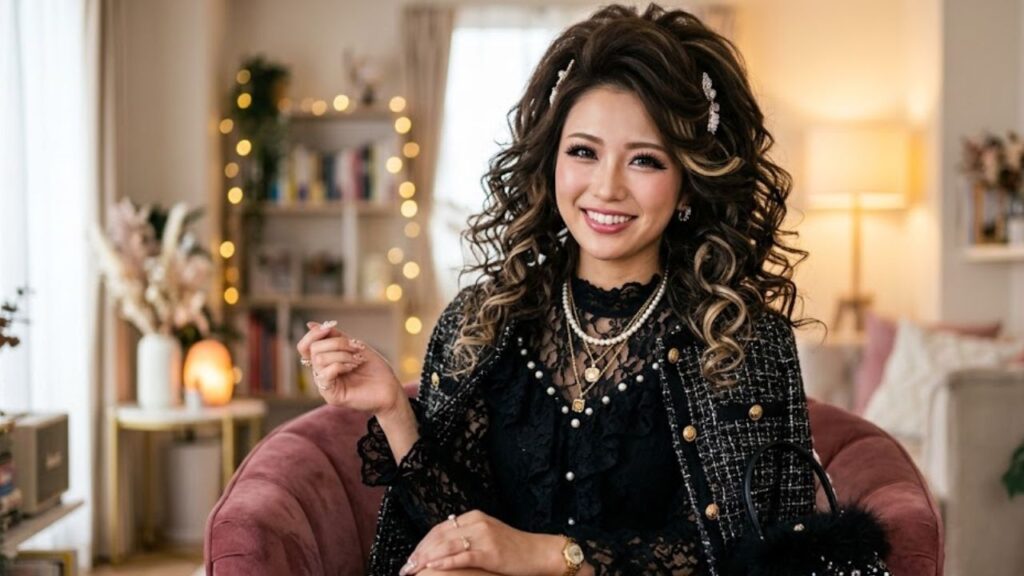
Instead of chasing fantasy themes or rebellious extremes, it emphasises confidence, sophistication and visual impact. That’s one reason the style remains appealing years after its peak popularity. The aesthetic can be adapted without losing its core identity.
Modern creators frequently reinterpret Agejo using contemporary fashion trends. Softer makeup, updated hairstyles and more wearable clothing combinations have helped introduce the style to new audiences around the world.
The strongest modern interpretations respect the original principles while adjusting specific details for current tastes.
Building an Authentic Agejo Look Today
Many people assume recreating Agejo requires an unlimited budget. That’s rarely true.
What matters more is understanding priorities. Dramatic lashes, styled hair and coordinated outfits typically create a stronger Agejo impression than expensive designer items alone.
A practical starting point includes:
- Quality false lashes
- A reliable eyeliner
- Hair volumising products
- One statement outfit
- Coordinated accessories
As skills improve, additional pieces can be added gradually.
Another overlooked tip is studying original magazine photography rather than relying solely on social media recreations. Older editorial images reveal how styling choices were coordinated and provide valuable insight into the aesthetic’s foundations.
The people who consistently achieve convincing Agejo looks tend to focus less on individual products and more on overall presentation. They understand that the style is built through the combination of many elements working together.
Conclusion
Agejo Gyaru remains one of the most glamorous and recognisable branches of Gyaru fashion. Its combination of dramatic makeup, voluminous hair and luxury-inspired styling continues to attract fashion enthusiasts long after its peak popularity.
The style’s lasting appeal comes from its attention to detail. Successful Agejo fashion isn’t created by a single makeup technique or clothing item. It’s the result of coordination, confidence and a clear understanding of the aesthetic. Those principles remain just as relevant now as they were when Agejo first captured the attention of the Japanese fashion world.
Frequently Asked Questions
What is Agejo Gyaru?
Agejo Gyaru is a glamorous substyle of Japanese Gyaru fashion known for dramatic makeup, voluminous hairstyles, feminine clothing and luxury-inspired aesthetics.
How is Agejo Gyaru different from Hime Gyaru?
Hime Gyaru focuses on princess-inspired fashion and romantic details, while Agejo emphasises glamour, sophistication and nightlife-influenced styling.
Is Agejo Gyaru still popular?
Although it is no longer at its peak, Agejo continues to influence modern Gyaru communities and fashion enthusiasts worldwide.
What makeup is essential for an Agejo look?
False lashes, eyeliner, contour products and eye-enlarging techniques are among the most important components of traditional Agejo makeup.
Can Agejo Gyaru be adapted for everyday wear?
Yes. Many modern enthusiasts create softer interpretations by using lighter makeup, more practical clothing and contemporary styling techniques while maintaining the aesthetic’s glamorous character.