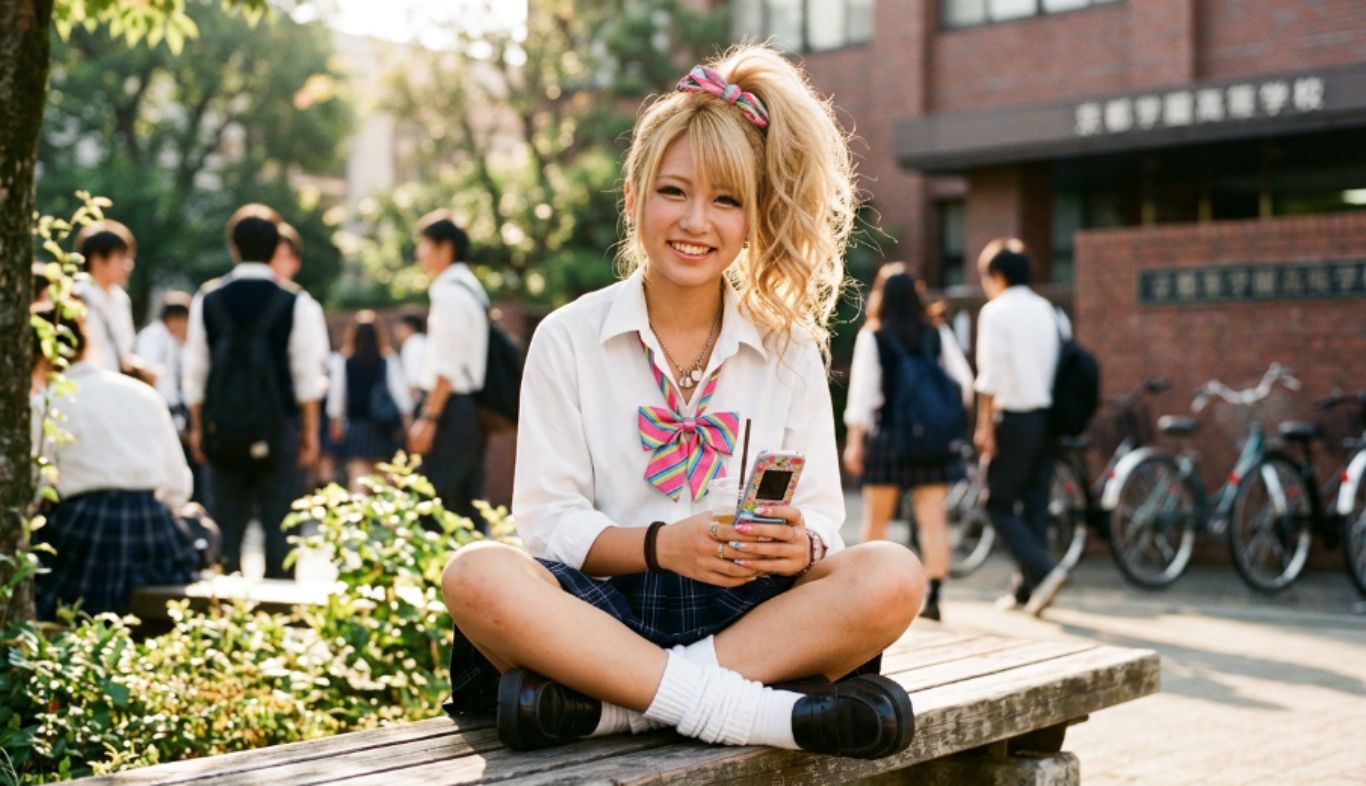
The Kogal Inspired Ponytail is a playful hairstyle influenced by the youthful Japanese kogal fashion movement. Known for its energetic attitude, polished appearance, and carefully styled details, the look combines simplicity with personality. A ponytail might sound basic at first, but the right height, volume, accessories, and finishing touches can transform it into a statement hairstyle.
Kogal fashion became associated with Japanese youth culture, particularly during the 1990s and early 2000s. Its recognizable aesthetic often included school-inspired clothing, loose socks, fashionable accessories, dyed hair, and expressive beauty choices. The hairstyle itself wasn’t necessarily limited to one exact formula. Instead, it represented a broader approach to youthful, confident styling.
Today, you don’t need to copy the original look exactly. A modern Kogal Inspired Ponytail can borrow its most recognizable elements while fitting contemporary fashion and personal preferences. You can make it sleek and minimal, bouncy and playful, or soft and romantic. The best part? You don’t need professional salon skills to recreate the general effect. With a few simple tools and some practice, you can create a ponytail that feels polished without looking overly complicated. Let’s explore the essential secrets behind this distinctive Japanese-inspired hairstyle.
What Is a Kogal Inspired Ponytail?
A Kogal Inspired Ponytail is a ponytail hairstyle influenced by the youthful, playful styling associated with kogal fashion in Japan. Rather than being a single officially defined hairstyle, it is better understood as a style interpretation. The ponytail often emphasizes volume, movement, youthful proportions, and accessories. Depending on the version, the hair may be positioned high on the head or around the middle-back area.
Common elements include:
- A lifted ponytail
- Smooth or lightly textured hair
- Noticeable volume
- Face-framing strands
- Ribbons or scrunchies
- Decorative hair clips
- Soft waves or curled ends
- Playful styling details
The modern version can be adapted to different hair lengths and textures.
For historical context on Japanese youth fashion and related subcultures, can provide additional background.
The Origins of Kogal Fashion
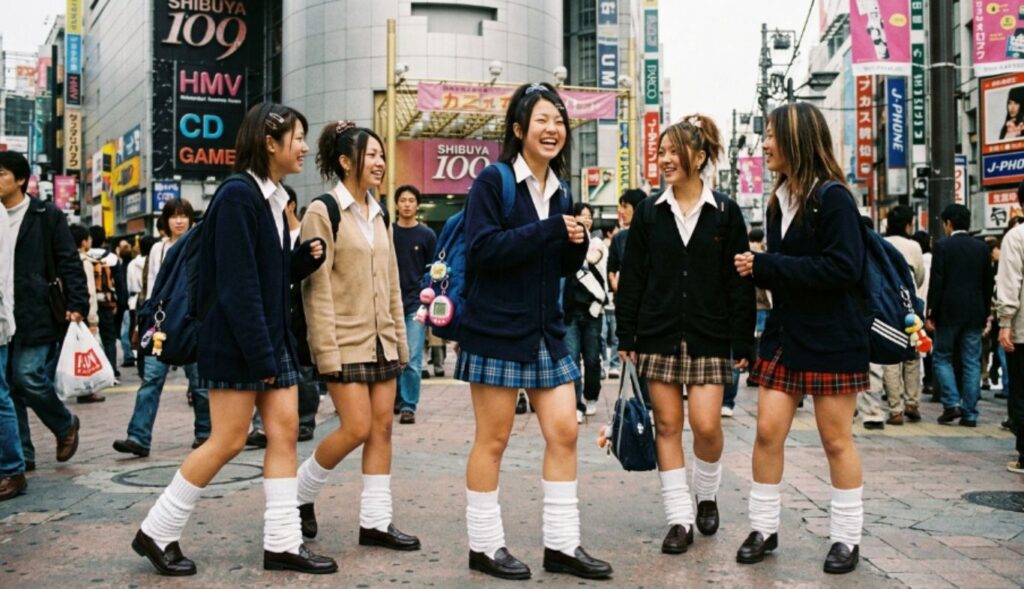
Kogal, sometimes written as kogyaru, developed as a Japanese youth fashion and cultural movement that became especially visible during the 1990s. The style was strongly connected with young women who modified conventional school-inspired fashion. Instead of following traditional expectations exactly, they experimented with clothing, accessories, makeup, hair, and personal expression.
Hair played an important role because it was an immediately visible way to personalize an appearance. The ponytail fits naturally into this environment because it is practical while still offering plenty of room for customization. A simple ponytail could become more expressive through volume, ribbons, loose strands, dyed hair, or decorative accessories.
It’s important to distinguish historical kogal culture from modern internet interpretations. Today’s “kogal-inspired” hairstyles often borrow visual elements without representing the complete original subculture. That distinction helps you approach the aesthetic respectfully while still enjoying its fashion influence.
Why the Ponytail Became Popular
Ponytails have always had an advantage: they’re easy to style and work well with active lifestyles. For a youthful fashion aesthetic, that practicality is especially useful. A ponytail keeps much of the hair away from the face while creating a recognizable silhouette. The style can also change dramatically depending on its position.
A high ponytail feels energetic and playful. A mid-height ponytail looks more relaxed. A low ponytail can create a softer, more polished appearance. Accessories make another major difference. A plain elastic produces a functional hairstyle, while a ribbon, scrunchie, or decorative clip can immediately make the look more expressive. In other words, the ponytail acts as a blank canvas.
Key Features of the Hairstyle
Before styling, it helps to understand what makes this look visually appealing.
| Feature | Effect |
|---|---|
| Ponytail height | Controls the overall personality |
| Volume | Creates a fuller silhouette |
| Smooth roots | Keeps the hairstyle polished |
| Curled ends | Adds movement |
| Face-framing pieces | Softens the appearance |
| Ribbon | Adds a playful fashion element |
| Scrunchie | Creates a casual youthful effect |
| Hair clips | Adds personality |
| Layered ends | Enhances movement |
The goal isn’t perfection. A slightly relaxed finish can actually make the hairstyle feel more natural.
11 Powerful Styling Secrets for a Kogal Inspired Ponytail
Creating a convincing Kogal Inspired Ponytail is less about following rigid rules and more about controlling a few important details.
The following 11 techniques can help you build the look from the ground up.
1. Start With Clean, Detangled Hair
Begin with hair that’s clean and thoroughly detangled. Use a wide-tooth comb or gentle brush to remove knots. If your hair is extremely silky, avoid applying too much conditioner immediately before styling because excessive softness can make the ponytail slip.
For dry or coarse hair, however, a small amount of lightweight smoothing product can make the process easier. he objective is a balance: your hair should be manageable without becoming so slippery that your ponytail loses its shape.
2. Decide on Your Ponytail Height
Ponytail height dramatically changes the final result. A high ponytail creates a lively, youthful effect. A medium-height ponytail is easier to wear every day and works particularly well with longer hair. Try holding your hair at different positions before securing it. Look at the overall silhouette from the front and side. The best position is the one that complements your face shape and outfit.
As a general guide:
- High: energetic and playful
- Medium: versatile and casual
- Low: elegant and understated
Don’t feel pressured to choose the highest possible position. Proportion matters more than height.
3. Create Controlled Volume
Volume is one of the easiest ways to make an ordinary ponytail look more styled. After securing your ponytail, gently pull small sections upward to loosen the roots slightly. You can also use a fine-tooth comb to create subtle teasing near the crown.
Be careful, though.
Aggressive teasing can create tangles and unnecessary breakage. Controlled volume should look intentional rather than messy. For extra lift, apply a lightweight volumizing product before styling.
4. Smooth the Crown
Volume doesn’t mean the entire hairstyle should be fluffy. The crown usually looks better when it remains relatively smooth. Use a soft brush to gently control flyaways while keeping the underlying volume intact.
A small amount of styling cream or lightweight hairspray can help.
Think of the effect as smooth structure with playful movement.
5. Curl the Ponytail Ends
Straight hair works beautifully, but curled ends can give the hairstyle more character.
Use a curling iron or heatless curling technique to create loose bends at the ends.
Avoid extremely tight curls unless you’re deliberately going for a dramatic retro interpretation.
Soft curls or flipped ends tend to look more natural and wearable.
If you’re using heat, always use an appropriate heat-protectant product and avoid excessive temperatures.
6. Leave a Few Face-Framing Pieces
A completely pulled-back hairstyle can sometimes look severe.
Leaving a few controlled strands around the face creates softness and movement.
The pieces shouldn’t look accidentally forgotten. Instead, gently shape them with a curling tool or styling product.
This technique works especially well with layered hair.
7. Choose a Playful Hair Accessory
Accessories are one of the easiest ways to personalize the style.
Consider:
- Oversized ribbons
- Fabric scrunchies
- Decorative clips
- Small bows
- Pearl-style pins
- Colorful elastics
- Minimal barrettes
For an authentic-inspired feel, avoid adding every accessory at once.
One statement accessory can often have more impact than five competing pieces.
8. Coordinate Your Hair Accessory With Your Outfit
Your hairstyle shouldn’t exist separately from your clothing.
If your outfit contains a strong color, consider repeating that color in your ribbon or scrunchie.
For example, a navy outfit could pair beautifully with a navy or white ribbon. A pastel outfit might work better with a soft pink, lavender, or cream accessory.
Color repetition creates visual consistency.
9. Add Texture for Movement
Texture can prevent a ponytail from looking flat.
If your hair is naturally straight, use loose waves or a texture spray. If your hair is already wavy, enhance the natural pattern instead of trying to completely change it.
The idea is to create movement without making the hairstyle appear overly styled.
10. Secure the Base Properly
A beautiful ponytail won’t last if its foundation is weak.
Use a strong elastic designed for your hair thickness. For heavy hair, consider using two elastics or a ponytail-support accessory.
After securing the ponytail, gently tug the hair upward and outward to create the desired shape.
If your ponytail feels loose after a few minutes, fix the base rather than continually spraying the entire hairstyle.
11. Finish With a Light Hold
Finally, use a light mist of hairspray if needed.
Heavy products can make the hair stiff and reduce its natural movement.
A good finish should allow the ponytail to move when you walk while keeping the overall shape intact.
That’s the sweet spot.
Choose the Right Ponytail Height
Ponytail placement deserves special attention because it affects the entire silhouette. A high ponytail tends to visually lift the face and create a more energetic appearance. It works especially well for casual outfits, youthful styling, and sporty looks. A medium ponytail is arguably the easiest option for everyday wear. It balances volume and comfort while working with many different outfits. A low ponytail offers a more mature interpretation. If you want a hairstyle inspired by kogal aesthetics without looking like a direct historical recreation, this can be an excellent choice.
High Ponytail
Best for:
- Playful outfits
- Casual styling
- Longer hair
- Maximum movement
Mid Ponytail
Best for:
- Everyday wear
- School-inspired outfits
- Layered hair
- Balanced proportions
Low Ponytail
Best for:
- Modern interpretations
- Dressier outfits
- Minimal styling
- Softer aesthetics
Your face shape also matters, but don’t treat conventional beauty rules as strict requirements. Experimentation is part of fashion.
Create Volume Without Losing Shape
Volume is useful, but uncontrolled volume can make the hairstyle look untidy.
Start by creating lift at the crown rather than aggressively teasing the entire head.
One practical approach is to separate a small crown section, gently tease underneath, and then smooth the surface.
For the ponytail itself, use your fingers to separate sections slightly. This creates the illusion of greater fullness without requiring excessive backcombing.
If your hair is thin, a ponytail extension can also create additional volume. Choose one that matches your natural color and texture.
If your hair is thick, focus more on shape and weight distribution. Excessive volume can make a thick ponytail difficult to manage.
The key is balance.
Add Kogal-Inspired Accessories
Accessories can instantly change the personality of your hairstyle.
Ribbons are especially useful because they create a strong visual focal point. A large bow can make the hairstyle dramatic, while a narrow ribbon can create a subtle reference to the aesthetic.
Scrunchies are another easy choice. They provide volume around the base and can make the ponytail feel more relaxed.
Clips and barrettes work well when you want something smaller.
| Accessory | Style Effect |
|---|---|
| Large ribbon | Bold and playful |
| Small bow | Cute and subtle |
| Scrunchie | Casual and youthful |
| Barrette | Polished |
| Decorative clip | Modern |
| Pearl pin | Soft and elegant |
When selecting accessories, think about scale.
A huge bow with a highly detailed outfit may create visual competition. Likewise, a tiny clip may disappear in very thick hair.
Choose the Right Hair Texture
The Kogal Inspired Ponytail can work with almost any hair texture.
Straight Hair
Straight hair creates a clean, graphic silhouette. Add volume at the crown or curl the ends for extra movement.
Wavy Hair
Naturally wavy hair can create a softer, more relaxed interpretation. Enhance the waves rather than fighting them.
Curly Hair
Curly hair can produce a dramatic and highly textured ponytail. Instead of trying to make every strand straight, allow the natural curl pattern to become part of the design.
Layered Hair
Layers are excellent for creating movement. Shorter pieces can frame the face while longer layers form the ponytail.
The best version is the one that works with your natural texture rather than constantly battling it.
Match the Hairstyle With Your Outfit
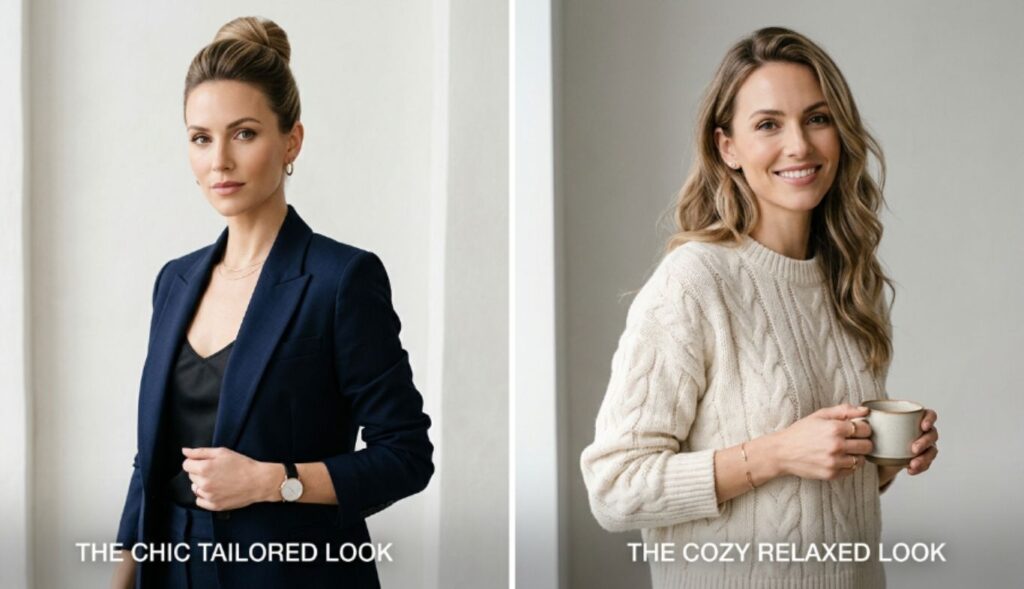
The hairstyle becomes much more convincing when your outfit supports it. For a school-inspired look, consider a pleated skirt, fitted cardigan, simple blouse, or loafers. For a modern streetwear interpretation, pair the ponytail with oversized layers, sneakers, and playful accessories.
You can also use color strategically. A monochrome outfit allows the hair accessory to become the focal point. A colorful outfit may benefit from a neutral ribbon or scrunchie. Remember that inspiration doesn’t require copying historical clothing exactly. Modern styling allows you to reference an aesthetic while keeping the outfit comfortable and appropriate for your own environment.
Modern Kogal Ponytail Variations
Fashion evolves, and today’s interpretations don’t have to replicate older trends.
Here are several modern variations:
The Minimal Kogal Ponytail
Use a medium-height ponytail, smooth roots, subtle volume, and one small ribbon.
The Soft Kogal Ponytail
Add loose waves, face-framing strands, and a pastel scrunchie.
The Sporty Version
Create a high ponytail with a simple elastic and pair it with athletic-inspired clothing.
The Glam Version
Add polished curls, a satin ribbon, and carefully controlled volume.
The Streetwear Version
Combine a textured ponytail with oversized clothing and modern clips.
These variations demonstrate how the core idea can evolve without losing its youthful energy.
Common Styling Mistakes
Even simple hairstyles can go wrong when a few details are overlooked.
Making the Ponytail Too Tight
A very tight ponytail can create discomfort and may place unnecessary tension on the hair.
Aim for secure rather than painfully tight.
Using Too Much Product
Heavy styling products can make the hair look greasy or stiff.
Start with a small amount and add more only if necessary.
Overdoing the Accessories
Multiple large accessories can compete for attention.
Choose one primary focal point.
Ignoring the Back View
A ponytail should look good from multiple angles.
Check the back using a second mirror or your phone camera before finishing.
Creating Excessive Teasing
Too much backcombing can cause tangles and breakage.
Use gentle, controlled teasing instead.
Hair Care Tips for a Healthy Ponytail
A fashionable hairstyle isn’t worth sacrificing hair health.
If you frequently wear ponytails, alternate the placement. Don’t always secure your hair at exactly the same spot.
Use soft hair ties when possible and avoid sleeping with a tightly secured ponytail.
If you use heat tools, apply heat protection and give your hair regular breaks from high-temperature styling.
Regular conditioning can also help keep the ends smooth.
Healthy hair naturally makes styling easier. When the hair is strong, shiny, and manageable, you need less product to achieve a polished result.
Kogal Ponytail for Different Occasions
The hairstyle can be adapted for different situations.
| Occasion | Recommended Style |
|---|---|
| Everyday casual | Medium ponytail + scrunchie |
| Shopping | High ponytail + ribbon |
| Party | Curled ponytail + statement bow |
| Streetwear | Textured ponytail + clips |
| Photoshoot | High volume + dramatic accessory |
| Dressy event | Sleek ponytail + elegant ribbon |
Always consider the setting.
A dramatic bow might be perfect for a fashion shoot but unnecessary for a formal workplace. Styling is most effective when it matches the environment.
How to Personalize the Look
The most important styling secret is simple: make the hairstyle yours.
You can change the accessory color, ponytail height, amount of volume, texture, and face-framing pieces.
You can also combine the hairstyle with your existing wardrobe rather than buying an entirely new collection of clothes.
For example, someone who prefers minimalist fashion might use a sleek ponytail with a small black ribbon. Someone who enjoys colorful fashion could use a bright scrunchie and playful clips.
There isn’t one correct interpretation.
The historical inspiration gives you a starting point, while personal styling turns it into something unique.
Frequently Asked Questions
1. What is a Kogal Inspired Ponytail?
A Kogal Inspired Ponytail is a modern hairstyle influenced by the youthful hair and fashion aesthetics associated with Japanese kogal culture. It commonly features volume, playful accessories, movement, and a youthful silhouette.
2. How high should a Kogal Inspired Ponytail be?
There isn’t one required height. A high ponytail creates an energetic appearance, while a medium or low ponytail offers a more relaxed modern interpretation.
3. Can short hair be styled this way?
Yes. Shorter hair can use a smaller ponytail, half-up style, extensions, or decorative accessories to create a similar visual effect.
4. What accessories work best?
Ribbons, bows, scrunchies, clips, and decorative barrettes are popular choices. Select accessories based on your outfit and hair thickness.
5. Does the hairstyle work with curly hair?
Absolutely. Curly and textured hair can create a unique interpretation with plenty of natural volume and movement. There’s no need to completely straighten naturally curly hair.
6. How can I make my ponytail look fuller?
You can gently tease the crown, loosen the roots, curl the ponytail ends, use texture products, or add a suitable ponytail extension.
7. Is this hairstyle only for Japanese fashion outfits?
No. The hairstyle can be adapted to casual, streetwear, sporty, romantic, and contemporary outfits. The inspiration doesn’t require a complete historical costume.
8. How do I keep the ponytail secure?
Use an elastic suited to your hair thickness, secure the base firmly without excessive tension, and use a small amount of hairspray if necessary.
9. Can I create the style without heat?
Yes. You can create waves using braids, rollers, or other heatless methods. Volume can also be created with gentle teasing and suitable styling products.
10. Is a Kogal Inspired Ponytail suitable for everyday wear?
Yes. A simple version with moderate volume and a small accessory can work well for everyday styling.
Conclusion
The Kogal Inspired Ponytail proves that a simple hairstyle can carry plenty of personality. By combining thoughtful ponytail placement, controlled volume, smooth roots, textured ends, and playful accessories, you can create a look that feels youthful without becoming overly complicated. The key is not to chase perfection. Start with the basics: choose your ponytail height, secure the foundation, add the right amount of volume, and finish with one accessory that complements your outfit. From there, experiment with curls, waves, ribbons, clips, and different textures. Most importantly, remember that modern fashion is about interpretation. You can appreciate the influence of Japanese kogal style while creating a version that fits your own personality, hair texture, wardrobe, and lifestyle. Whether you prefer a high and energetic ponytail or a softer modern variation, these styling techniques give you plenty of room to experiment. So grab your favorite hair tie, choose an accessory that makes you smile, and give this playful hairstyle your own twist.