

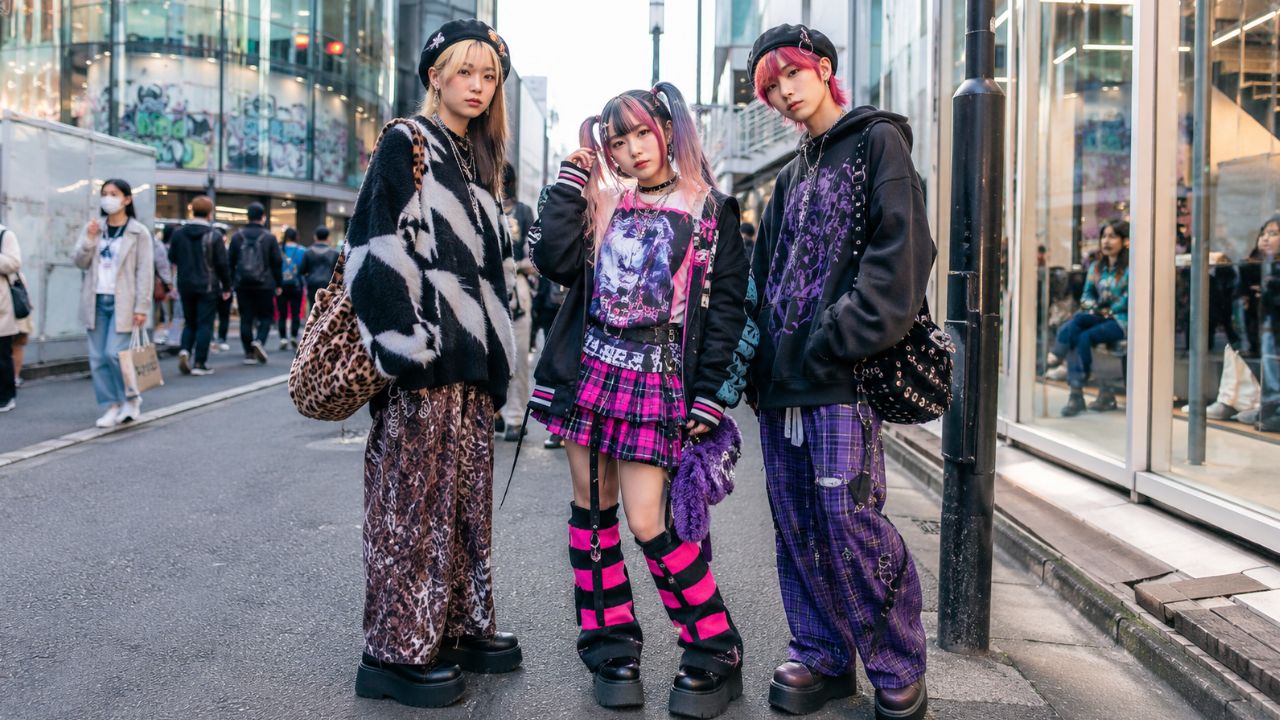
Japanese fashion has a reputation for being bold, inventive and sometimes difficult to categorise. Spend an afternoon walking through Tokyo neighbourhoods such as Harajuku or Shibuya and you’ll quickly notice that personal expression matters as much as following trends. One person might be dressed in head-to-toe minimalist tailoring, while another combines vintage lace, oversized streetwear and brightly coloured accessories in a way that somehow works perfectly.
That willingness to experiment is one reason Japanese fashion continues to influence designers and street style enthusiasts around the world. Luxury houses borrow ideas from Tokyo youth culture, while global retailers adopt silhouettes and styling techniques that first gained popularity in Japan.
For many people in the United States, Japanese fashion can feel fascinating but overwhelming. Terms such as Gyaru, Mori Kei and Visual Kei appear everywhere online, yet few articles explain how these styles connect or how someone can realistically incorporate them into everyday life. The truth is that Japanese fashion isn’t one single look. It’s an evolving collection of aesthetics shaped by history, subcultures, craftsmanship and an unusually strong emphasis on individuality.
What Makes Japanese Fashion Different?
Western fashion has traditionally revolved around seasonal trends and broad style movements. Japanese fashion, particularly street fashion, often prioritises self-expression over conformity. Fashion in Tokyo frequently functions as a personal statement rather than a social uniform.
Another defining characteristic is layering. Japanese stylists are exceptionally skilled at combining textures, proportions and silhouettes. A simple outfit might include a long shirt under a cropped jacket, wide-leg trousers and carefully chosen accessories. The result feels intentional rather than excessive.
There’s also a deep appreciation for craftsmanship. Even affordable Japanese clothing brands often place significant emphasis on fabric quality, construction and functionality. This attention to detail partly explains why Japanese designers have earned such strong reputations internationally.
Perhaps the most overlooked aspect is cultural context. Many modern styles draw inspiration from traditional clothing, post-war youth movements, music scenes and local neighbourhood identities. Understanding these influences makes Japanese fashion far more interesting than simply copying outfits found on social media.
The Evolution of Japanese Fashion
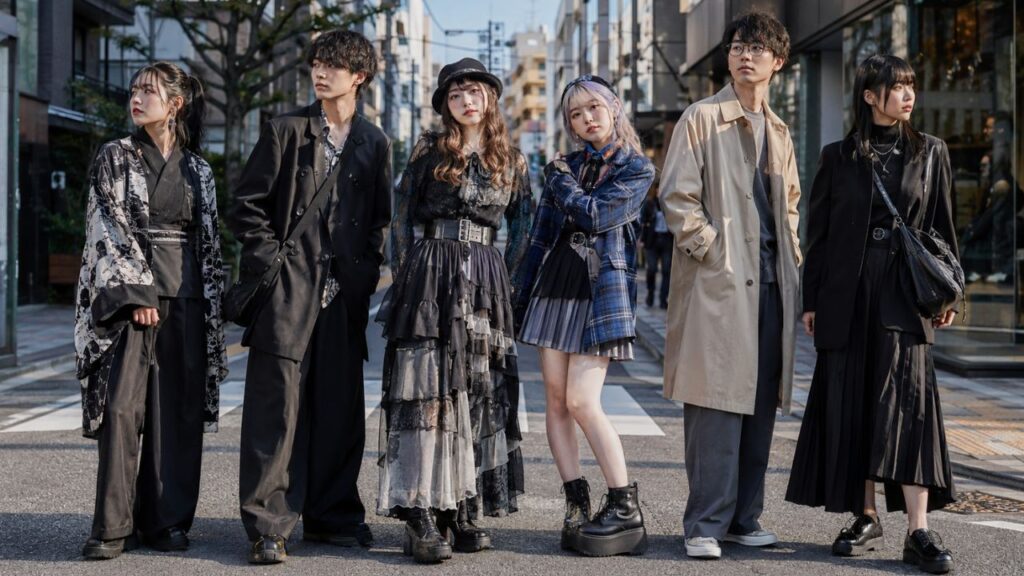
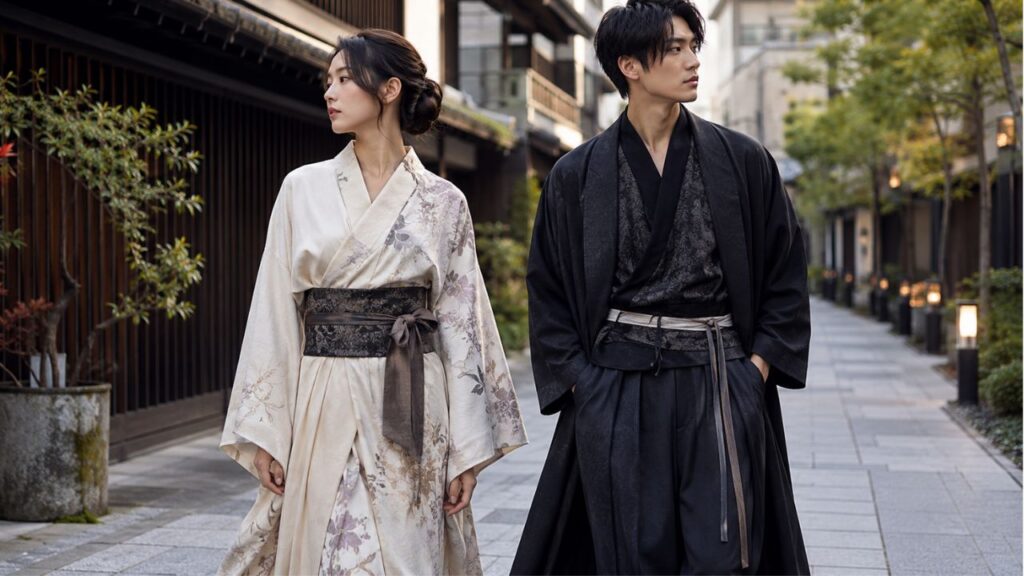
Modern Japanese fashion didn’t appear overnight. Traditional garments such as the kimono established long-standing principles surrounding silhouette, layering and textile artistry. While contemporary streetwear looks dramatically different, traces of these traditions remain visible.
Following the Second World War, Japan experienced rapid economic growth and increasing exposure to Western clothing. Young people began adapting imported styles and gradually transformed them into something distinctly Japanese. By the 1970s and 1980s, neighbourhoods like Harajuku had become creative centres where teenagers experimented freely with fashion.
The 1990s marked a particularly influential period. Distinct subcultures emerged, fashion magazines flourished and street photographers documented increasingly original looks. During this era, many internationally recognised Japanese designers gained prominence, helping establish Japan as a major force within the global fashion industry.
The internet accelerated this influence. Trends that once remained local now spread internationally within hours through social media platforms. Yet Tokyo’s street style scene still retains its unique identity because it values creativity over strict trend adherence.
Popular Japanese Fashion Styles Explained
One common mistake is assuming that all Japanese street fashion looks alike. In reality, the scene consists of numerous aesthetics with entirely different philosophies.
Harajuku fashion serves as an umbrella term rather than a single style. It generally refers to the eclectic, experimental fashion culture associated with Tokyo’s Harajuku district. Individual outfits often mix influences from multiple subcultures.
Lolita fashion emphasises elegance and historical inspiration. Characterised by full skirts, lace details and refined silhouettes, Lolita fashion is frequently misunderstood abroad. Enthusiasts usually view it as a lifestyle centred on craftsmanship and personal expression rather than costume dressing.
Gyaru fashion emerged as a rebellious response to conventional beauty standards. Traditional Gyaru featured dramatic makeup, voluminous hair and glamorous styling. Modern interpretations are often more wearable while retaining the original spirit of confidence and individuality.
Mori Kei, literally meaning “forest style,” embraces natural fabrics, soft colours and layered silhouettes inspired by a romantic countryside aesthetic. Although less visible than it once was, its influence can still be seen in contemporary cottagecore trends.
Visual Kei originated within Japan’s rock music scene. Artists combined theatrical clothing, elaborate hairstyles and androgynous styling to create striking visual identities. Many current fashion trends involving gender-neutral expression owe something to this movement.
Minimalist Japanese fashion represents the opposite end of the spectrum. Clean lines, neutral palettes and impeccable tailoring define this aesthetic. Its influence is evident worldwide, particularly in modern capsule wardrobes.
Some of the most recognised Japanese fashion aesthetics include:
- Harajuku
- Lolita
- Gyaru
- Mori Kei
- Decora
- Fairy Kei
- Visual Kei
- Japanese streetwear
- Minimalist fashion
- Avant-garde fashion
The interesting part is that people rarely adhere strictly to one category. Many fashion enthusiasts blend elements from several styles to create something uniquely their own.
Japanese Fashion Brands Worth Knowing
Japanese fashion spans every price point, from accessible basics to avant-garde luxury.
At the luxury level, designers such as Rei Kawakubo, Yohji Yamamoto and Issey Miyake fundamentally changed global fashion. Their work challenged conventional ideas about tailoring, gender and silhouette. Even designers who don’t directly imitate them often acknowledge their influence.
Streetwear enthusiasts frequently gravitate towards brands like BAPE, Undercover and Neighborhood. These labels helped shape contemporary streetwear long before the style became mainstream internationally.
For everyday wear, Japanese brands have earned loyal followings because they combine practicality with thoughtful design. Uniqlo’s worldwide success demonstrates how strongly consumers respond to functional, well-made basics.
| Brand Category | Examples | Typical Style |
| Luxury Designer | Comme des Garçons, Yohji Yamamoto | Avant-garde, artistic |
| Streetwear | BAPE, Undercover, WTAPS | Urban, contemporary |
| Affordable Fashion | Uniqlo, GU, WEGO | Casual, everyday |
| Contemporary Designer | Sacai, Visvim | Premium modern styling |
When buying Japanese clothing online, pay close attention to sizing. Japanese sizes generally run smaller than American equivalents. Checking measurements rather than relying solely on letter sizes can prevent expensive mistakes.
How to Wear Japanese Fashion in Everyday Life
Many people admire Japanese fashion but hesitate because they assume it requires dramatic outfits. That isn’t necessarily true.
The easiest approach is to focus on styling principles rather than attempting to replicate complete looks. Start by experimenting with silhouette. Wide-leg trousers paired with an oversized shirt immediately create a distinctly Japanese-inspired aesthetic without attracting unwanted attention.
Layering is another effective technique. Try wearing a longer inner shirt beneath a cropped jacket or combine different textures within the same outfit. Japanese styling often relies on subtle contrasts rather than obvious statement pieces.
Accessories also matter. A simple outfit can feel considerably more intentional when paired with the right bag, jewellery or footwear.
A practical beginner wardrobe might include:
- Oversized white shirts
- Relaxed-fit trousers
- Lightweight outerwear
- Neutral knitwear
- Statement sneakers or platform shoes
- Minimal accessories
One observation frequently overlooked by competitors is that confidence plays an enormous role. Japanese street style succeeds because wearers commit fully to their aesthetic choices. Even relatively unconventional outfits appear natural when worn confidently.
It’s equally important to adapt styles to your own environment. Someone living in New York, Los Angeles or Chicago may interpret Japanese fashion differently depending on climate, lifestyle and local culture. Authentic personal style always feels more convincing than imitation.
Japanese Fashion Trends Shaping 2026
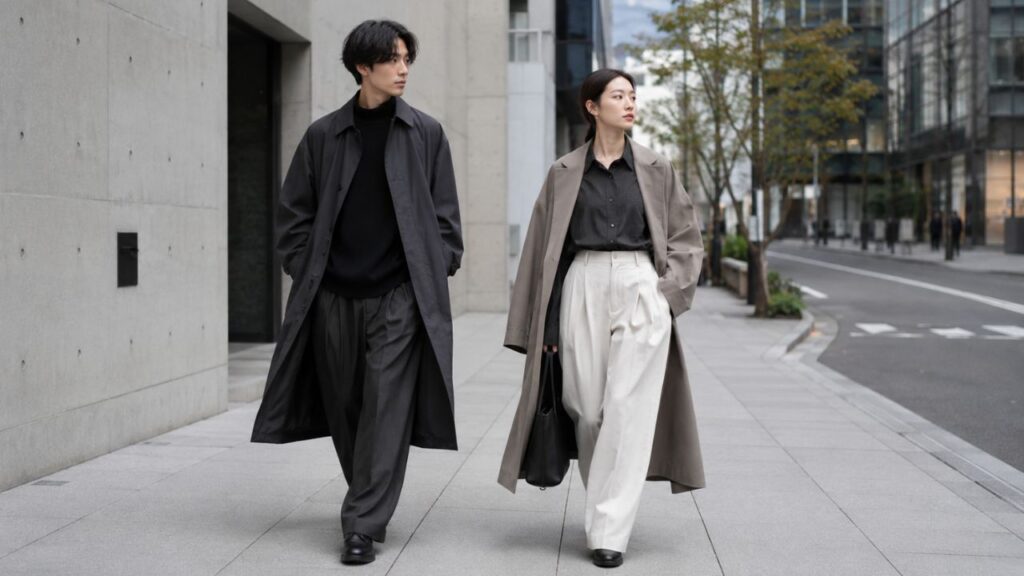
Current Japanese fashion trends reveal an interesting balance between nostalgia and innovation.
Oversized silhouettes remain dominant, although proportions have become more refined. Rather than extremely exaggerated shapes, many contemporary outfits favour relaxed tailoring with structured elements.
Gender-neutral dressing continues gaining momentum. Younger consumers increasingly prioritise silhouette and aesthetic over traditional gender categories, encouraging brands to design more versatile collections.
Vintage influences are also prominent. Y2K fashion, archival designer pieces and second-hand shopping culture remain highly influential, particularly among younger shoppers.
Sustainability has become another major conversation. Japanese consumers have long appreciated durability and craftsmanship, making slow fashion principles particularly relevant. Many shoppers now favour fewer, higher-quality purchases over constant trend cycling.
Technology is influencing fashion as well. Technical fabrics, utility-inspired details and functional design elements have become increasingly common, especially within streetwear and contemporary menswear.
Despite these changes, one principle remains constant: individuality still sits at the centre of Japanese fashion culture.
Conclusion
Japanese fashion continues to captivate people because it offers something increasingly rare in modern style: genuine creative freedom. From minimalist tailoring to colourful Harajuku experimentation, there is no single correct way to participate.
The most rewarding approach isn’t copying every trend emerging from Tokyo. Instead, borrow ideas, experiment with silhouettes and discover which elements resonate with your personality. Japanese fashion has always celebrated individuality, and that philosophy may be its most influential export of all.
Frequently Asked Questions
What is Japanese fashion?
Japanese fashion refers to the diverse clothing styles, subcultures and design philosophies originating in Japan, ranging from minimalist fashion and streetwear to aesthetics such as Lolita and Gyaru.
Why is Japanese fashion so popular?
Japanese fashion is popular because it emphasises creativity, craftsmanship and self-expression. Its influence can be seen throughout luxury fashion, streetwear and contemporary global style.
Is Japanese fashion expensive?
Not always. While designer labels can be costly, many affordable Japanese brands offer high-quality clothing at accessible prices.
Where can Americans buy Japanese fashion?
Americans can purchase Japanese fashion through international retailers, brand websites, specialist boutiques and second-hand marketplaces that ship to the United States.
How can beginners start dressing in Japanese fashion?
Begin with relaxed silhouettes, layering techniques and versatile basics. Gradually incorporate elements from styles that genuinely appeal to you rather than attempting a complete wardrobe transformation immediately.