

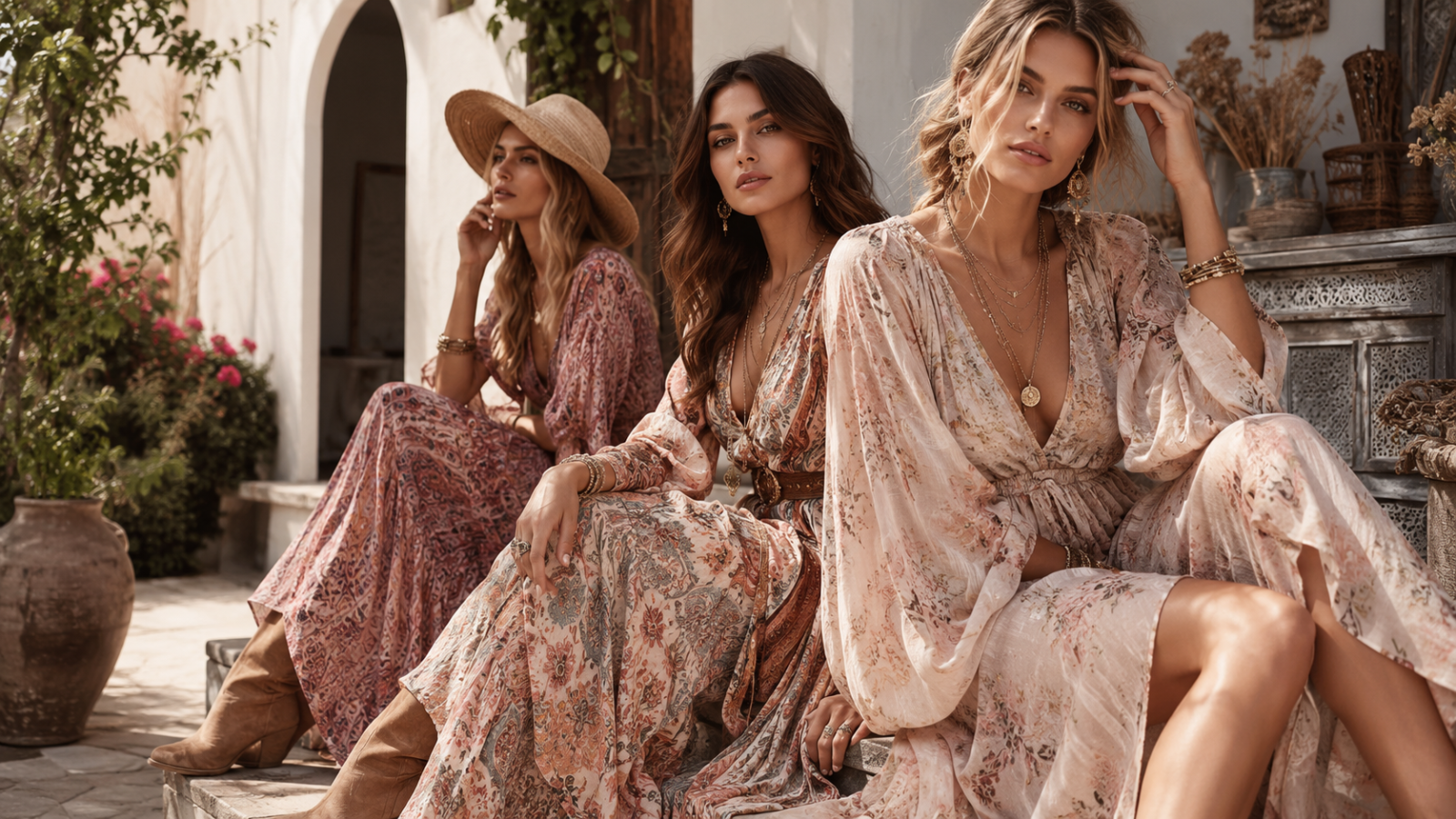
Clothing Styles & Fashion Aesthetics Fashion has always been more than clothing. The outfits people choose often reflect personality, lifestyle, values, and even mood. Yet many people stand in front of a full wardrobe every morning feeling as though they have nothing to wear. Usually, the problem isn’t a lack of clothing—it’s a lack of direction.
Clothing styles and fashion aesthetics give structure to personal style. They help you understand why certain outfits feel authentic while others never quite work. You may gravitate toward the effortless sophistication of Old Money fashion, the relaxed creativity of boho style, or the nostalgic energy of Y2K fashion. None of these aesthetics is inherently better than another. The goal is finding combinations that suit your everyday life rather than chasing every trend that appears on social media.
Personal style rarely emerges overnight. Most stylish people develop it gradually through experimentation, observation, and occasional mistakes. Understanding fashion aesthetics simply makes that process much easier.
What Are Clothing Styles and Fashion Aesthetics?
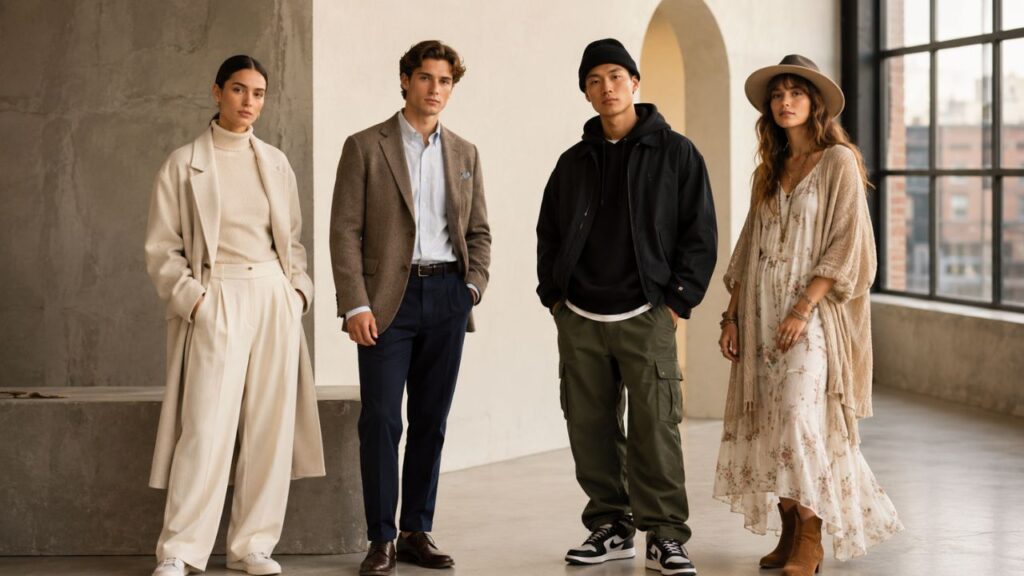
Clothing Styles & Fashion Aesthetics People often use the terms “style” and “aesthetic” interchangeably, but they aren’t exactly the same.
A clothing style refers to a broader way of dressing. Examples include minimalist fashion, streetwear, vintage fashion, and business casual. These styles usually have established principles regarding silhouettes, fabrics, and wardrobe staples.
Clothing Styles & Fashion Aesthetics A fashion aesthetic is more specific and visual. It creates a distinct mood or identity. The Clean Girl aesthetic, Cottagecore, Dark Academia, and Fairycore are all aesthetics because they communicate a particular atmosphere as much as a clothing preference.
The distinction matters because many people mistakenly believe they must commit to a single aesthetic forever. In reality, most well-dressed individuals combine elements from multiple influences. Someone may embrace minimalist dressing during the workweek while incorporating romantic or vintage elements on weekends.
Stylists frequently observe that the most successful wardrobes balance consistency with flexibility. A wardrobe should support real life, not restrict it.
Popular Clothing Styles and Fashion Aesthetics
Clothing Styles & Fashion aesthetics evolve constantly, but certain styles remain consistently influential.
Old Money and Quiet Luxury
Old Money style emphasizes timeless elegance rather than obvious status symbols. Think tailored blazers, loafers, cashmere knitwear, crisp button-down shirts, and neutral colours. Quiet Luxury follows similar principles, focusing on exceptional quality, understated design, and impeccable fit.
One misconception competitors often repeat is that these aesthetics require enormous budgets. They don’t. Fit matters far more than price. A well-tailored blazer from a mid-range retailer often looks more refined than an expensive garment that fits poorly.
Streetwear
Clothing Styles & Fashion Aesthetics Streetwear began as a subculture influenced by skateboarding, hip-hop, and urban fashion. Oversized silhouettes, sneakers, graphic pieces, and layered outfits define the look.
Modern streetwear has become increasingly sophisticated. Luxury fashion houses now regularly collaborate with sportswear brands, blurring the lines between casual and high fashion. The key to successful streetwear styling is balance. Oversized garments work best when paired with structured pieces to avoid looking sloppy.
Y2K Fashion
Clothing Styles & Fashion Aesthetics Y2K fashion draws inspiration from late 1990s and early 2000s trends. Low-rise jeans, baby tees, cargo trousers, metallic fabrics, and playful accessories characterize this aesthetic.
Social media has revived Y2K fashion, particularly among Gen Z. However, blindly recreating early 2000s outfits rarely produces flattering results. Adapting trends to modern proportions usually creates stronger outfits.
Cottagecore, Fairycore, and Romantic Fashion
These aesthetics celebrate softness and nostalgia. Cottagecore embraces flowing dresses, floral prints, natural fabrics, and pastoral influences. Fairycore adds whimsical elements such as sheer layers, delicate embellishments, and ethereal silhouettes.
Clothing Styles & Fashion Aesthetics Many people are drawn to these aesthetics because they offer an escape from fast-paced modern life. Linen dresses, embroidery, and handcrafted details contribute to their enduring appeal.
Dark Academia and Light Academia
Academic aesthetics combine intellectual influences with classic dressing. Dark Academia features earthy tones, tweed blazers, turtlenecks, pleated skirts, and vintage-inspired tailoring. Light Academia uses softer colours and lighter fabrics while maintaining scholarly influences.
These aesthetics work particularly well because they rely heavily on timeless wardrobe staples rather than fleeting trends.
How to Find Your Fashion Aesthetic
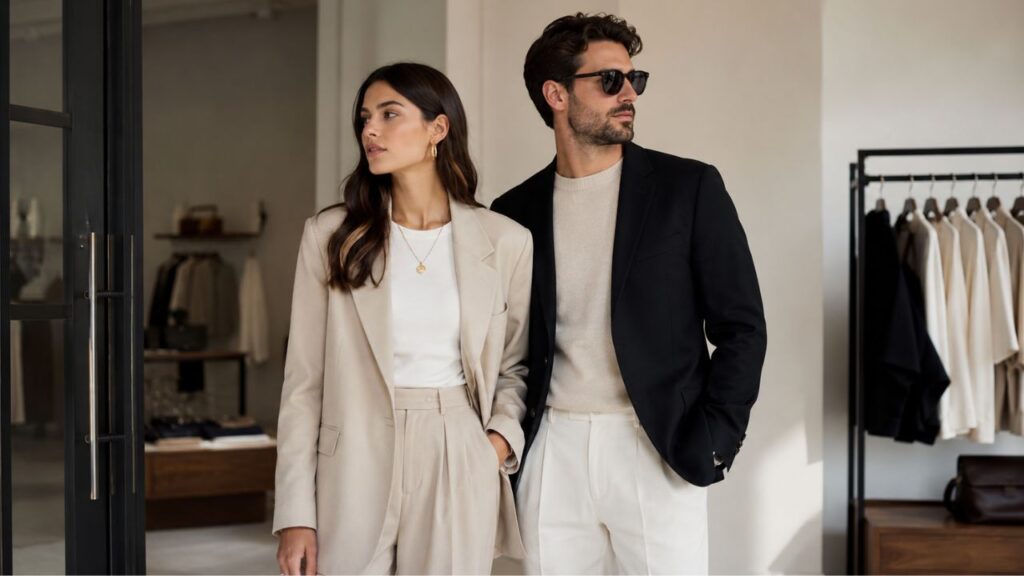
Clothing Styles & Fashion Aesthetics Finding your personal aesthetic requires more self-awareness than trend awareness.
Start by examining your existing wardrobe. Which pieces do you repeatedly wear? Those garments often reveal your authentic preferences. If you consistently reach for structured blazers and neutral knitwear, minimalist or Old Money aesthetics may resonate naturally.
Next, consider your daily routine. A university student, corporate professional, and freelance designer all have different practical needs. Personal style should complement lifestyle rather than conflict with it.
Creating inspiration boards can also be surprisingly revealing. Save outfit images for several weeks without analysing them too closely. Afterwards, review the collection and identify recurring themes.
Clothing Styles & Fashion Aesthetics You may notice patterns such as:
- Consistent colour preferences.
- Repeated silhouettes.
- Similar accessories.
- Recurring fabrics or textures.
- Specific style influences.
One professional styling technique competitors rarely discuss is documenting outfits you actually wear—not merely outfits you admire online. Many people save dramatic inspiration images but dress very differently in reality. Authentic style exists somewhere between aspiration and practicality.
Building an Aesthetic Wardrobe That Lasts
Clothing Styles & Fashion Aesthetics A common mistake is purchasing an entirely new wardrobe after discovering a fashion aesthetic. This approach usually leads to unnecessary spending and disappointing results.
Instead, build gradually.
Begin with versatile essentials that support multiple aesthetics. High-quality basics create the foundation for experimentation. These typically include well-fitting jeans, tailored trousers, neutral knitwear, quality footwear, and outerwear.
| Wardrobe Foundation | Why It Matters |
| Tailored blazer | Works across numerous aesthetics |
| White shirt | Timeless and versatile |
| Neutral trousers | Easy to style year-round |
| Quality denim | Suitable for casual and elevated outfits |
| Classic footwear | Instantly refines an outfit |
Once essentials are established, introduce aesthetic-specific statement pieces. Someone exploring Cottagecore might add embroidered blouses or flowing skirts. A streetwear enthusiast may invest in distinctive sneakers or oversized outerwear.
Clothing Styles & Fashion Aesthetics Colour palette consistency also plays a major role. A wardrobe built around complementary colours naturally becomes easier to style. This doesn’t mean avoiding colour entirely. It simply means choosing shades that work harmoniously together.
Many experienced stylists recommend the “80/20 rule”: eighty percent timeless basics, twenty percent trend-driven pieces. This strategy allows wardrobes to remain current without becoming obsolete each season.
Mixing Fashion Aesthetics Successfully
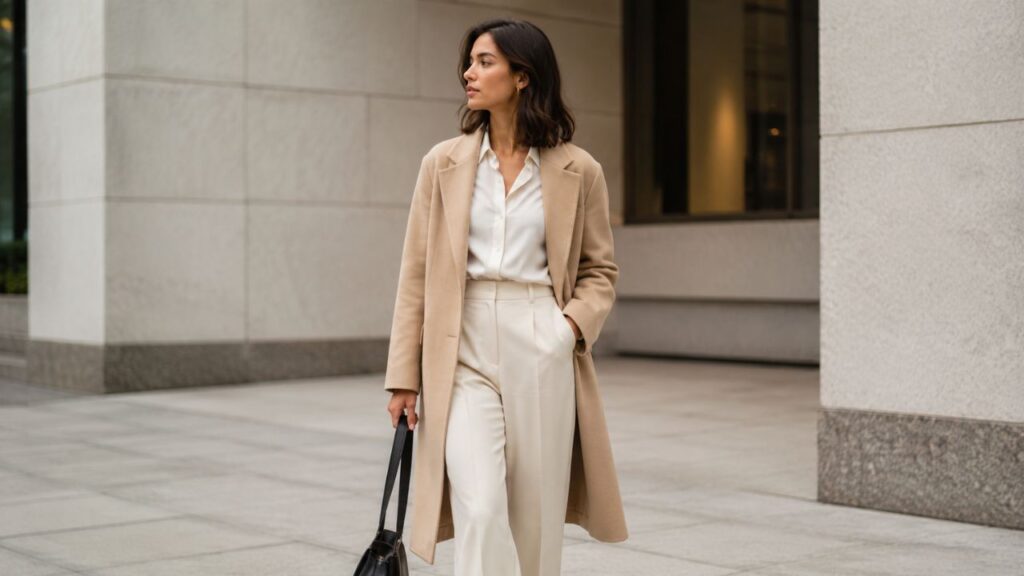
Personal style rarely fits neatly into a single category. Some of the most memorable dressers intentionally blend aesthetics.
The secret lies in maintaining one dominant style direction while introducing secondary influences.
Clothing Styles & Fashion Aesthetics For example, combining minimalist fashion with streetwear can produce polished yet contemporary outfits. Pairing classic tailoring with vintage accessories often creates individuality without appearing costume-like.
Successful combinations include:
- Old Money + Quiet Luxury
- Streetwear + Minimalism
- Vintage + Cottagecore
- Y2K + Grunge
- Preppy + Dark Academia
Problems arise when multiple aesthetics compete equally for attention. An outfit featuring bohemian prints, streetwear sneakers, romantic lace, and corporate tailoring simultaneously often feels visually confusing.
Texture, colour, and silhouette should create cohesion. Even dramatically different influences can work together when united by a consistent palette.
Clothing Styles & Fashion Aesthetics historians frequently point out that style innovation often emerges through mixing influences rather than strictly following rules. Personal style should evolve continuously.
Fashion Trends, Sustainability, and Long-Term Style
Social media platforms introduce new aesthetics at unprecedented speed. Terms such as Balletcore, Coastal Cowgirl, Tomato Girl, and Mob Wife aesthetic can gain popularity almost overnight.
While experimentation can be enjoyable, constantly chasing trends usually creates wardrobe fatigue and unnecessary consumption.
A more sustainable approach involves selectively adopting trends that align with your existing style identity. Ask yourself three questions before purchasing trend-driven items:
Will I wear this repeatedly? Does it complement my current wardrobe? Would I still like it next year?
Slow fashion principles encourage thoughtful purchasing, quality over quantity, and longer garment lifespans. Interestingly, many enduring aesthetics—including minimalist fashion, vintage style, and Quiet Luxury—naturally support sustainability because they prioritise timeless pieces.
True personal style isn’t static. It changes alongside careers, lifestyles, and preferences. The objective isn’t perfection; it’s creating a wardrobe that feels genuinely like you.
Conclusion
Clothing styles and fashion aesthetics provide useful frameworks, but they shouldn’t become rigid rules. The strongest personal style usually develops through experimentation, reflection, and experience. Explore different aesthetics, borrow elements that resonate, and ignore those that don’t. Trends will continue changing, yet authenticity remains consistently stylish. When clothing aligns with both personality and lifestyle, getting dressed becomes far less complicated—and considerably more enjoyable.
Frequently Asked Questions
What are the most popular fashion aesthetics right now?
Old Money, Quiet Luxury, Streetwear, Y2K, Clean Girl, Cottagecore, Dark Academia, and Minimalist fashion remain among the most influential aesthetics in the United States.
Can I have more than one fashion aesthetic?
Absolutely. Most people naturally combine influences from several aesthetics. The key is creating cohesion through colour, silhouette, or overall mood.
How do I discover my personal style?
Review your current wardrobe, analyse outfits you frequently wear, create inspiration boards, and consider your lifestyle requirements. Patterns usually emerge over time.
Is it necessary to follow fashion trends?
No. Trends can provide inspiration, but personal style should take priority. Adopting only trends that complement your existing wardrobe often produces better results.
What’s the difference between fashion style and aesthetic?
Style refers to a broader approach to dressing, while an aesthetic creates a specific visual mood or identity within that broader style.