

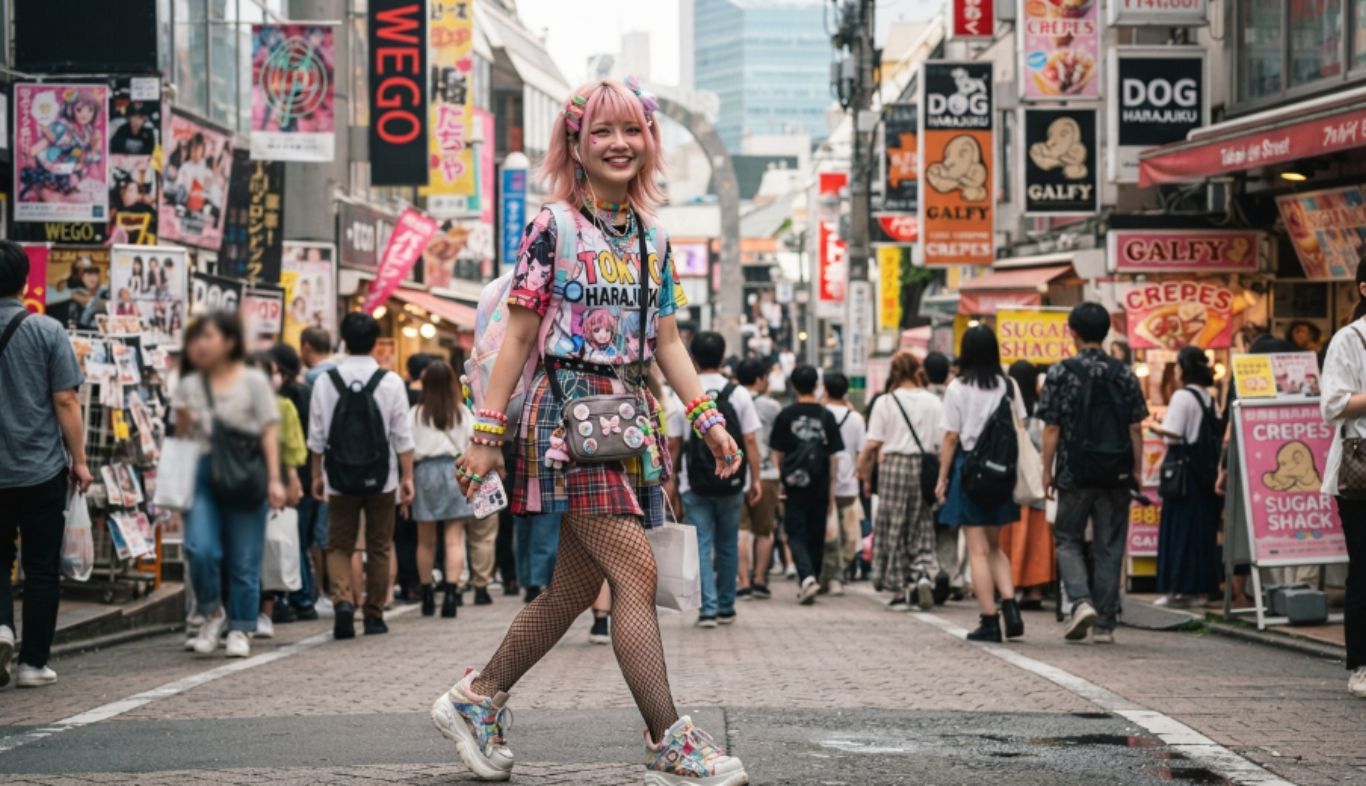
Harajuku is one of Tokyo’s most fascinating neighborhoods, where bold street fashion, traditional Japanese culture, creative food, shopping, and peaceful green spaces exist side by side. A few minutes of walking can take you from a crowded fashion street filled with colorful boutiques to a quiet forest surrounding a historic shrine. That contrast is what makes Harajuku so special.
Located between Shibuya and Shinjuku, the district is easily reached by the JR Yamanote Line, while Meiji-jingumae Station provides access through the Tokyo Metro Chiyoda and Fukutoshin lines. Whether you’re interested in Japanese fashion, anime-inspired culture, unusual snacks, architecture, photography, or simply experiencing a lively Tokyo neighborhood, Harajuku offers plenty to explore.
1. Discover Why Harajuku Is So Famous
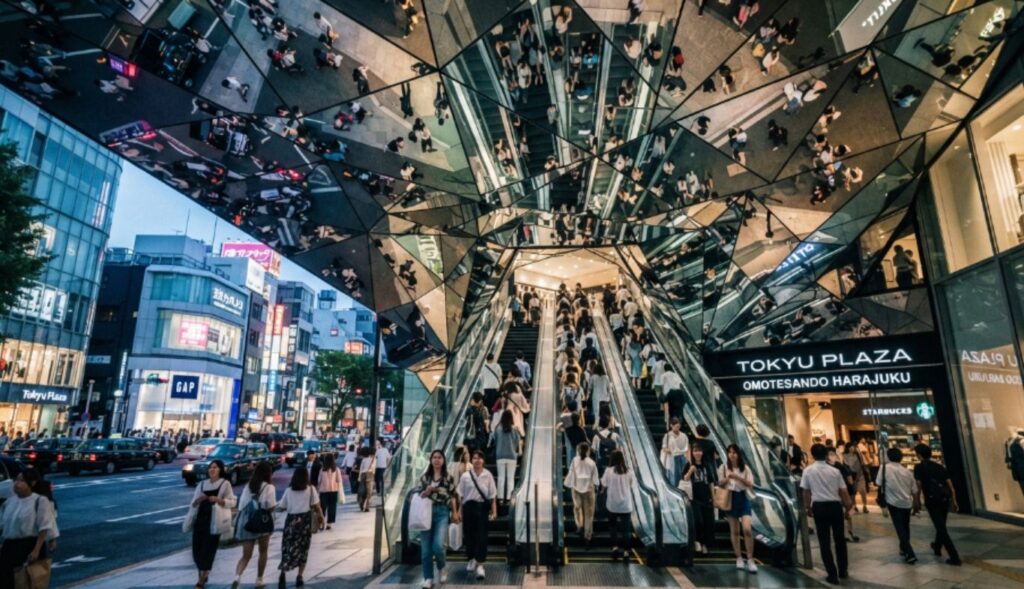
Harajuku has become internationally associated with Japanese youth culture and fashion. Its reputation grew from decades of creative street styles, independent designers, music, shopping, and youth communities. Today, the neighborhood is still known for its colorful identity, although its fashion scene is broader and more varied than the stereotype of “kawaii” clothing alone.
You may encounter everything from casual streetwear and vintage clothing to Lolita-inspired outfits, goth styles, punk looks, cosplay, and experimental fashion. The official Tokyo tourism guide describes Harajuku as a birthplace of kawaii culture and notes its continuing importance for fashion-conscious young people.
What Makes Harajuku Different?
The biggest attraction isn’t just one building or street. It’s the combination of experiences.
You can:
- Browse small independent fashion shops.
- Taste colorful Japanese sweets.
- Explore vintage clothing stores.
- Visit major international brands.
- Walk through a historic shrine.
- Relax in a huge urban park.
- Explore modern architecture.
- Visit art galleries.
- Watch changing street-fashion trends.
- Find unusual souvenirs.
In other words, there’s something for almost every type of traveler.
Harajuku and Japanese Kawaii Culture
The word kawaii, commonly translated as “cute,” has become an important part of Japanese popular culture. In Harajuku, that idea can appear through clothing, accessories, character merchandise, desserts, packaging, shop interiors, and colorful displays.
However, don’t expect every person in Harajuku to dress dramatically. Modern Harajuku is a real neighborhood, not a permanent fashion show. The area’s creative reputation comes from its openness to different styles rather than from one strict dress code. That makes simply walking around one of the best things to do.
2. Walk Along Takeshita Street
If Harajuku has a main stage, Takeshita Street is it. Located directly near Harajuku Station, the pedestrian shopping street is packed with boutiques, cosmetics stores, snack shops, cafés, and businesses aimed at trend-conscious shoppers. Official tourism sources identify Takeshita Street as the center of Harajuku’s street-fashion scene. The street can be crowded, particularly during busy periods, but that’s part of the experience.
What to Buy on Takeshita Street
Depending on current store offerings, you’ll find:
- Fashion accessories
- Character merchandise
- Cosmetics
- Affordable clothing
- Bags and backpacks
- Jewelry
- Hair accessories
- Cute stationery
- Souvenirs
- Novelty goods
Some stores specialize in specific fashion communities, while others focus on inexpensive trend items. Don’t rush. Take your time and look into smaller shops rather than simply following the largest signs.
Try a Harajuku Crepe
One of the neighborhood’s most recognizable foods is the Japanese-style dessert crepe. Unlike a traditional French crepe served on a plate, Harajuku crepes are commonly folded into a convenient cone and filled with ingredients such as fruit, cream, ice cream, cake, or other sweet fillings.
Several famous crepe shops have operated in the area for years, and the dessert remains strongly associated with Harajuku. It’s the sort of snack that’s easy to enjoy while continuing your walk.
Prepare for Crowds
Takeshita Street can become extremely busy. If you’re not a fan of dense crowds, consider visiting earlier in the day or exploring the surrounding side streets. The official Japan National Tourism Organization also recommends checking store hours before visiting because some shops don’t open until around 11:00 or 11:30 a.m.
3. Explore Harajuku’s Fashion Backstreets
One of the biggest mistakes visitors can make is staying exclusively on Takeshita Street. The surrounding lanes are often where the neighborhood becomes even more interesting. Move away from the busiest pedestrian areas and you’ll discover smaller boutiques, vintage clothing stores, cafés, galleries, and specialist retailers. These backstreets help reveal a more nuanced version of Harajuku. Instead of a single tourist attraction, you’ll see a neighborhood where independent businesses and international brands coexist.
Look Beyond the Main Road
Give yourself permission to wander. A useful strategy is to choose a direction rather than a specific store. Walk for 10 or 15 minutes, look at storefronts, and stop whenever something catches your attention.
This works particularly well if you’re interested in:
- Vintage fashion
- Japanese streetwear
- Independent designers
- Sneakers
- Accessories
- Small cafés
- Art
- Photography
The official tourism guide specifically recommends exploring the side streets because they can be quieter while still offering interesting shops.
4. Experience Cat Street’s Modern Style
Cat Street offers a different personality from Takeshita Street. It connects the Harajuku and Shibuya areas and has a more contemporary, relaxed atmosphere. You’ll find independent boutiques, streetwear, cafés, secondhand fashion, and international brands. Japan’s official tourism organization describes Cat Street as an area between the youthful energy of Takeshita Street and the luxury-oriented atmosphere of Omotesando.
Why Visit Cat Street?
Cat Street is particularly appealing if you want:
- A less intense shopping experience
- Contemporary Japanese fashion
- Streetwear
- Vintage finds
- Cafés
- Stylish architecture
- A walking route toward Shibuya
It’s also a good place to slow down after the sensory overload of Takeshita Street.
5. Shop Along Elegant Omotesando
Just a short walk away, Omotesando presents a completely different side of the neighborhood. Here, broad streets, mature trees, contemporary architecture, luxury boutiques, flagship stores, cafés, and upscale restaurants create a more sophisticated atmosphere. The official Japan National Tourism Organization describes Omotesando as one of Tokyo’s major upscale shopping districts.
From Street Fashion to Luxury
This contrast is one of Harajuku’s greatest strengths. Within a relatively compact area, you can move from inexpensive accessories to high-end fashion and designer architecture. Even if you’re not planning to buy anything, Omotesando is worth exploring for its buildings and urban design. Take your time, look upward, and pay attention to storefronts. Some buildings are attractions in their own right.
6. Visit Meiji Jingu for a Peaceful Break
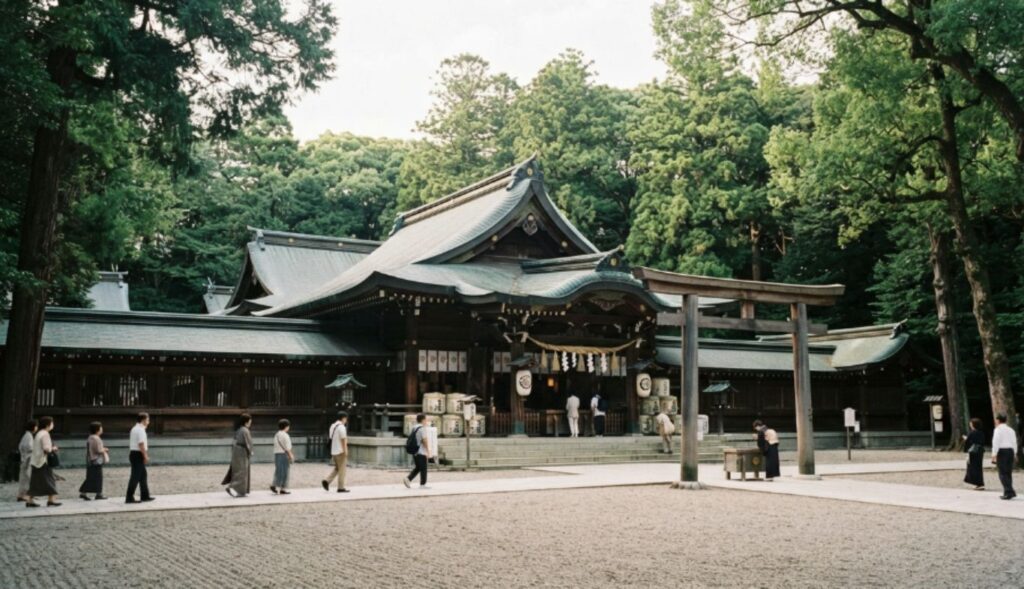
After the energy of Harajuku’s shopping streets, Meiji Jingu provides a remarkable change of pace. The shrine sits within a large forested area beside Harajuku. It was established in 1920 in honor of Emperor Meiji and Empress Shoken. The surrounding forest was created using trees donated from across Japan.
Walking into the grounds can feel like stepping into another world. The sounds of traffic gradually fade. Tall trees surround the paths, and the atmosphere becomes noticeably quieter.
A Different Side of Tokyo
Meiji Jingu is valuable because it demonstrates that Tokyo isn’t only skyscrapers, shopping, and neon lights. Visitors can observe traditional Shinto practices, make offerings, write wishes on ema plaques, and explore the shrine grounds respectfully. Remember that this is a functioning religious site, not simply a tourist attraction. Keep your voice low, follow posted guidance, and avoid interfering with worshippers or ceremonies.
7. Relax in Yoyogi Park
Yoyogi Park is another excellent way to balance a busy Harajuku itinerary. The park is close to Harajuku Station and Meiji Jingu and provides wide-open areas for walking, relaxing, cycling, and informal outdoor activities. It also has historical connections to the 1964 Tokyo Olympics.
Why Yoyogi Park Belongs on Your Itinerary
Yoyogi Park is especially useful when you need a break. After several hours of shopping and walking, grab a drink or snack and find a comfortable place to sit.
Depending on the season and day, you may encounter people exercising, groups relaxing, musicians, families, or visitors enjoying the outdoors. It’s a good reminder that Harajuku is more than a shopping district. It’s part of a living urban environment.
8. Taste Harajuku’s Colorful Food Culture
Harajuku’s food scene is closely tied to visual creativity. You can find classic Japanese snacks alongside highly stylized desserts and international street foods. Crepes remain one of the neighborhood’s signature treats, while colorful sweets, ice cream, cotton candy, and other novelty foods attract visitors looking for something memorable.
What Should You Eat?
Consider trying:
- A Japanese-style crepe
- Soft-serve ice cream
- Japanese sweets
- Street snacks
- Seasonal desserts
- A themed café
- A traditional Japanese meal away from the busiest streets
A smart approach is to combine one novelty snack with a proper meal. That way, you can enjoy the fun side of Harajuku without turning your entire day into a sugar rush.
9. Explore Harajuku’s Art and Creative Side
Fashion isn’t the only creative industry represented in Harajuku. The wider Harajuku and Omotesando area contains galleries, design spaces, distinctive buildings, and independent creative businesses. Japan’s official tourism organization highlights the area’s concentration of both mainstream and independent galleries.
Architecture is also a major part of the experience. The neighborhood has developed a reputation as a showcase for modern and experimental architecture, particularly around Omotesando.
A Tip for Creative Travelers
Don’t plan every minute. Instead, leave 30 to 60 minutes for spontaneous discoveries. You might notice a gallery entrance, an unusual building, a small fashion studio, or a store that wasn’t in your original itinerary. Sometimes those unexpected stops become the highlight of a Tokyo trip.
10. Shop Smarter in Harajuku
Harajuku can tempt you to buy everything you see. A better strategy is to create a short shopping plan.
| Shopping Goal | Best Area to Explore |
|---|---|
| Affordable accessories | Takeshita Street |
| Youth fashion | Takeshita Street |
| Vintage clothing | Backstreets and Cat Street |
| Streetwear | Ura-Harajuku and Cat Street |
| Luxury fashion | Omotesando |
| Character merchandise | Omotesando and Harajuku shopping centers |
| Unique souvenirs | Smaller side-street shops |
| Creative fashion | Backstreets |
Prices vary widely, so compare before buying. Also remember that stores and product selections change. Harajuku’s appeal comes partly from its constant evolution, so a shop recommended by a traveler from several years ago may no longer exist.
11. Capture Better Harajuku Photos
Harajuku is highly photogenic, but the best images aren’t necessarily the most obvious ones. Takeshita Street gives you bright signs, colorful storefronts, fashion displays, and crowds. Meiji Jingu offers trees, wooden architecture, and natural textures. Omotesando provides modern buildings and clean urban lines. Yoyogi Park gives you open space and greenery.
Photography Etiquette Matters
If you’re photographing people, be considerate. Don’t assume someone wearing an unusual outfit wants to be photographed. Ask first when appropriate, particularly if the person is clearly the main subject. Likewise, avoid blocking narrow sidewalks or entrances while taking pictures. A little courtesy goes a long way.
12. Build a One-Day Harajuku Walking Route
If you’re visiting for only one day, Harajuku is relatively easy to explore on foot.
Here’s a practical route:
Morning: Start at Harajuku Station and head toward Meiji Jingu.
Late morning: Walk toward Takeshita Street and explore the shops.
Lunch: Choose a café or restaurant in the surrounding streets.
Afternoon: Explore the backstreets and Cat Street.
Late afternoon: Continue toward Omotesando and browse its architecture and stores.
Evening: Return toward Harajuku or continue toward Shibuya for dinner.
The area is well connected, and official tourism guidance recommends walking between Harajuku, Omotesando, and nearby attractions.
13. Choose the Best Time to Visit Harajuku
There’s no single perfect time for everyone. If you want a quieter shopping experience, weekdays can be preferable. If you’re interested in seeing more youth-fashion activity, busier periods may provide a livelier atmosphere. The official Japan National Tourism Organization recommends weekdays for travelers hoping to avoid extreme crowds and notes that weekends can offer more opportunities to see Harajuku fashion.
A Simple Timing Guide
| Goal | Suggested Approach |
|---|---|
| Quieter streets | Visit earlier on a weekday |
| Shopping | Late morning onward |
| Fashion atmosphere | Weekend or busy periods |
| Meiji Jingu | Morning is often pleasant |
| Photography | Early or later in the day |
| Full neighborhood experience | Allow most of a day |
Store hours vary, so check individual businesses before making a special trip.
14. Understand Harajuku Transportation
Harajuku is easy to reach. The main access point is JR Harajuku Station, which sits on the Yamanote Line. Meiji-jingumae Station, served by the Chiyoda and Fukutoshin subway lines, is another convenient option. According to the official Tokyo travel guide, Harajuku is about four minutes from Shinjuku by JR and around 26 minutes from Tokyo Station by the Yamanote Line.
Once you arrive, walking is usually the easiest way to explore. The major attractions are close together, and walking lets you discover the smaller streets that trains and buses can’t show you.
15. Make Your Harajuku Visit More Meaningful
The best way to experience Harajuku isn’t to treat it as a checklist. Instead, think of the neighborhood as a conversation between different sides of Japan. There’s youthful experimentation on one street and centuries of tradition nearby.
There’s affordable fashion next to luxury design. There’s noisy street food beside a peaceful forest. There’s international pop culture alongside distinctly Japanese customs. That mixture is the real attraction.
Harajuku Travel Checklist
Before leaving, make sure you’ve experienced at least these highlights:
- Walked Takeshita Street
- Tried a Japanese-style crepe
- Explored a side street
- Visited Cat Street
- Walked through Omotesando
- Visited Meiji Jingu
- Relaxed in Yoyogi Park
- Explored Japanese fashion
- Looked at local architecture
- Bought a unique souvenir
- Tried a local café or restaurant
- Left time for spontaneous discoveries
For additional official travel information, consult the before your trip.
Frequently Asked Questions
What is Harajuku famous for?
Harajuku is famous for Japanese street fashion, kawaii culture, youth culture, shopping, colorful food, and its creative atmosphere. It is also close to major attractions such as Meiji Jingu and Yoyogi Park.
Is Harajuku worth visiting in Tokyo?
Yes. Harajuku is particularly worthwhile if you’re interested in fashion, Japanese popular culture, food, shopping, photography, or traditional Japanese sites. Its variety also makes it suitable for travelers with different interests.
What should I do first in Harajuku?
If it’s your first visit, start around Harajuku Station. Visit Meiji Jingu or Takeshita Street first, depending on whether you prefer a peaceful start or an energetic shopping experience. Then explore the backstreets, Cat Street, and Omotesando.
How long do I need in Harajuku?
A minimum of three to four hours can cover the main attractions, but a full day is better if you want to shop, eat, visit Meiji Jingu, explore Yoyogi Park, and discover the surrounding streets.
Is Harajuku only for young people?
Not at all. Although the district has strong connections to youth fashion, it also offers luxury shopping, traditional culture, architecture, art, cafés, parks, and historic sites. Visitors of almost any age can find something interesting.
What food is Harajuku known for?
Harajuku is particularly associated with Japanese-style crepes and colorful sweets. The area also offers cafés, international food, street snacks, and more substantial Japanese meals.
Is Takeshita Street expensive?
It depends on what you buy. Takeshita Street includes inexpensive stores as well as specialist fashion shops. Comparing prices and exploring side streets can help you find options that match your budget.
What is the difference between Harajuku and Omotesando?
Harajuku is generally associated with youth culture, street fashion, quirky shops, and kawaii culture. Omotesando has a more upscale atmosphere, with luxury brands, contemporary architecture, and sophisticated shopping. The two areas are close enough to visit together.
Can I visit Meiji Jingu and Harajuku on the same day?
Absolutely. In fact, they make a natural combination. Meiji Jingu is located next to Harajuku, allowing travelers to experience a peaceful forest and historic shrine before or after exploring the busy shopping streets.
Is Harajuku good for first-time visitors to Tokyo?
Yes. Its combination of shopping, food, fashion, traditional culture, nature, and easy transportation makes it an excellent introduction to several different sides of Tokyo.
Conclusion
Harajuku isn’t simply a place to shop. It’s a neighborhood where creativity and tradition meet every day. You can start beneath the colorful signs of Takeshita Street, discover a vintage shop in a quiet backstreet, enjoy a crepe, walk along Cat Street, admire Omotesando’s architecture, and finish your day beneath the trees of Meiji Jingu or Yoyogi Park. That remarkable variety is why Harajuku continues to attract travelers from around the world.
The neighborhood changes constantly, so don’t worry about seeing every store or following the “perfect” route. Leave some room for curiosity. Turn down an unfamiliar street. Try something you’ve never tasted. Spend a few extra minutes looking at the architecture. After all, Harajuku’s greatest strength is its ability to surprise you. And that’s exactly what makes it one of Tokyo’s most unforgettable neighborhoods.