

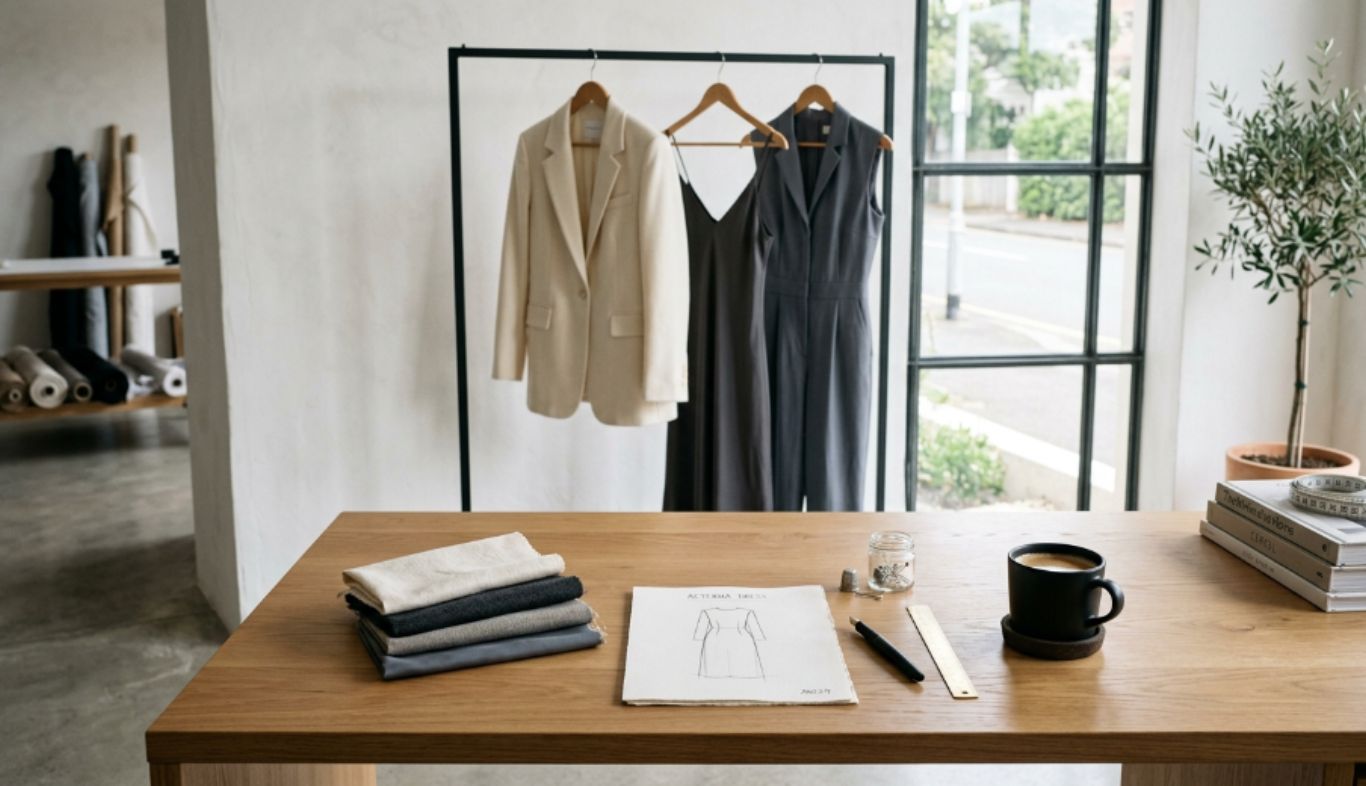
Minimalist Fashion Influencers, Designers & Media have changed the way many people think about clothing. Instead of encouraging shoppers to chase every trend, they often promote fewer pieces, better styling, thoughtful purchases, and timeless design. Minimalist fashion isn’t simply about wearing black, white, beige, or gray. It’s a broader approach to personal style. The goal is to remove unnecessary visual noise while keeping clothing functional, comfortable, and expressive. Over the last decade, social media has made minimalist fashion more accessible than ever. A person can discover capsule wardrobe ideas, outfit formulas, designer collections, sustainable labels, and styling tutorials within minutes. At the same time, established designers and fashion publications continue to shape the conversation around simplicity and refined dressing.
The interesting part is that minimalism doesn’t look exactly the same everywhere. Scandinavian minimalism may emphasize practicality and soft neutrals. Japanese minimalism can focus on unusual proportions, fabric, craftsmanship, and restraint. Contemporary American minimalism may lean toward polished basics and versatile wardrobe staples. This variety makes minimalist fashion exciting rather than boring. Whether you’re building a capsule wardrobe or simply want to dress with more intention, studying influential creators can help. Their work provides useful lessons about color, proportion, quality, styling, and personal identity.
What Is Minimalist Fashion?
Minimalist fashion is an approach to dressing that emphasizes simplicity, functionality, quality, and intentional design. Rather than filling a wardrobe with items that have limited use, minimalist dressers typically choose versatile pieces that can work across different occasions.
A minimalist outfit might contain only a few elements, but that doesn’t mean it lacks personality. In fact, when there are fewer elements, details such as fabric, tailoring, silhouette, texture, and accessories become more noticeable.
Common characteristics include:
- Clean silhouettes
- Neutral or controlled color palettes
- Simple patterns
- High-quality fabrics
- Functional clothing
- Versatile wardrobe pieces
- Limited unnecessary decoration
- Timeless rather than trend-dependent design
Minimalism also doesn’t require an expensive wardrobe. A carefully selected collection of affordable basics can be more minimalist than a closet filled with luxury items. The real principle is intentionality.
For example, a plain white shirt can become a minimalist wardrobe hero because it works with jeans, tailored trousers, skirts, jackets, and knitwear. One well-designed garment can therefore provide many outfit possibilities.
Why Minimalism Matters Today
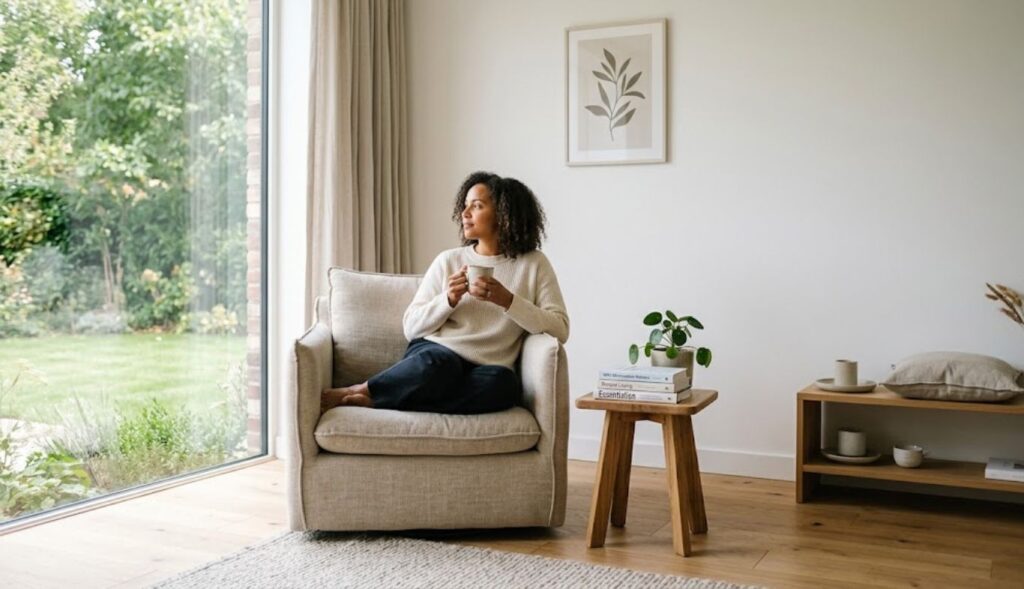
Modern consumers are surrounded by fashion trends. New collections, micro-trends, influencer hauls, and fast-fashion releases can make it feel as though personal style must constantly change. Minimalist fashion offers another option. Instead of asking, “What’s trending this week?” minimalist dressing asks, “Will I actually wear this?” That simple question can change shopping habits. Minimalism can also make getting dressed easier. When most pieces coordinate naturally, creating an outfit requires less time and fewer decisions. A smaller wardrobe can still offer plenty of variety when its pieces are chosen carefully.
There is also a sustainability argument. Buying fewer garments and keeping them longer can reduce unnecessary consumption. However, minimalism shouldn’t automatically be treated as synonymous with sustainable fashion. A minimalist wardrobe can still contain poorly made clothing or unnecessary purchases. The strongest approach combines simplicity with durability and responsible decision-making.
The Rise of Minimalist Fashion Influencers
Social media transformed fashion influence. Traditional magazines once controlled much of the conversation, but platforms such as Instagram, YouTube, Pinterest, and TikTok now allow individual creators to develop large audiences. Minimalist fashion influencers often succeed because their content is practical.
Instead of simply showing a runway collection, they might demonstrate:
- Five ways to style one blazer.
- How to build a capsule wardrobe.
- Which colors work together.
- How to create a polished outfit with basics.
- Which wardrobe pieces are worth investing in.
- How to style clothing across different seasons.
This educational quality makes minimalist fashion particularly suitable for digital media. Minimalist creators also tend to build recognizable visual identities. Consistent photography, restrained color palettes, uncluttered backgrounds, and carefully styled outfits reinforce their message. In other words, the medium often reflects the philosophy.
Influencers Who Champion Minimalist Style
Different creators interpret minimalism in different ways. Some focus on Scandinavian simplicity, while others combine minimalist foundations with contemporary streetwear, classic tailoring, or Japanese-inspired silhouettes. Creators such as Matilda Djerf, Monikh Dale, and other contemporary style personalities have helped popularize polished, neutral, wearable aesthetics. Their influence demonstrates that minimalist dressing can still feel relaxed and personal.
Meanwhile, creators focused specifically on capsule wardrobes have helped turn minimalist fashion into a practical lifestyle concept. Their content often emphasizes wardrobe planning rather than constant shopping. The biggest lesson isn’t to copy a particular influencer’s closet.
Instead, observe what consistently works:
- Repeated color combinations
- Reliable outfit formulas
- Strong proportions
- Quality basics
- Limited visual clutter
- Thoughtful accessories
A creator might wear a long coat with wide trousers and simple shoes. Another may prefer a fitted blazer, straight-leg jeans, and loafers. Both can be minimalist because minimalism is about the design logic rather than a single uniform look.
Minimalist Fashion Designers
Designers have played a central role in making minimalism a serious fashion language. Jil Sander is one of the clearest examples. The brand became closely associated with refined silhouettes, precise tailoring, restrained decoration, and sophisticated materials.
COS has also helped bring architectural, modern basics to a wider audience. Its approach demonstrates how minimalist principles can be translated into contemporary ready-to-wear collections. The Row is another important reference point. The label is known for understated luxury, exceptional materials, and silhouettes that don’t depend heavily on visible branding.
Japanese designers have contributed another important dimension. Comme des Garçons and Issey Miyake demonstrate that simplicity doesn’t necessarily mean conventional clothing. Innovative construction, unusual shapes, and experimental textiles can exist within a restrained visual language. The broader lesson is powerful: minimalism is not the absence of design; it is design with purpose.
The Influence of Scandinavian Design
Scandinavian fashion has had a major impact on global minimalist style. Nordic design frequently emphasizes practicality, clean lines, comfort, and understated colors. Clothing often feels easy to wear while remaining polished.
Popular Scandinavian-inspired combinations include:
- Oversized knitwear with straight trousers
- Long coats with simple sneakers
- Neutral shirts with denim
- Relaxed tailoring with minimalist accessories
- Monochromatic outfits with subtle texture
This approach works because it balances function and appearance. A Scandinavian-inspired minimalist wardrobe doesn’t need to be completely monochromatic. Soft blue, olive, burgundy, brown, cream, and muted gray can add personality without overwhelming an outfit.
Japanese Minimalism in Fashion
Japanese fashion offers a different interpretation of minimalism. Rather than relying only on simple basics, Japanese designers frequently explore proportion, asymmetry, fabric, layering, and construction. Designers such as Issey Miyake demonstrated how clothing could become almost architectural. Other Japanese fashion traditions emphasize relaxed silhouettes, monochromatic palettes, natural textures, and subtle details. This teaches an important lesson: minimalist fashion doesn’t have to be predictable.
You can create a visually interesting outfit with:
- Oversized proportions
- Layered garments
- Textured fabrics
- Unexpected silhouettes
- Tonal color combinations
- Sculptural accessories
The outfit can remain visually controlled while still being highly creative.
Minimalist Fashion Media
Fashion media helps translate design ideas into accessible information. Publications such as Vogue cover designers, collections, trends, and cultural developments. Digital fashion publications and independent creators add another layer by discussing capsule wardrobes, conscious consumption, personal styling, and contemporary brands.
Readers can also explore fashion coverage through Vogue for broader industry perspectives. Minimalist fashion media is particularly valuable because it gives context. Instead of simply showing an outfit, good editorial content explains why a silhouette works, where a design idea originated, and how fashion connects with culture. That context helps readers develop their own taste.
How Influencers and Designers Work Together
Designers create fashion, but influencers help translate it into everyday life. A runway collection may present dramatic styling that isn’t practical for most consumers. An influencer can take one concept from that collection and show how it might work with an ordinary wardrobe. This creates a useful bridge between high fashion and daily dressing. The relationship works in both directions. Influencers can introduce designers to new audiences, while designers provide creators with fresh visual ideas.
Collaborations can include:
- Sponsored styling campaigns
- Brand partnerships
- Product collaborations
- Fashion week coverage
- Editorial shoots
- Capsule collections
- Social media campaigns
When done well, these partnerships feel authentic because the creator’s existing aesthetic matches the brand.
Minimalist Wardrobe Essentials
A minimalist wardrobe doesn’t need a specific number of garments. The right size depends on your lifestyle, climate, work requirements, and personal preferences. However, several categories are useful starting points.
| Wardrobe Essential | Why It Matters |
|---|---|
| Plain T-shirts | Easy layering and casual styling |
| Tailored trousers | Creates polished outfits |
| Straight-leg jeans | Versatile everyday foundation |
| Neutral blazer | Adds structure |
| Simple knitwear | Useful for layering |
| Long coat | Combines function with style |
| White or neutral shirt | Works across casual and formal looks |
| Simple sneakers | Comfortable daily footwear |
| Loafers or flats | Polished alternative |
| Minimal accessories | Adds personality without clutter |
The key is not buying every item on the list. Instead, identify the categories you actually use. If you rarely wear formal clothing, three blazers aren’t necessary. If you live somewhere warm, heavy knitwear may not make sense. Minimalism should adapt to real life.
Minimalist Styling Techniques
One of the easiest ways to create a minimalist outfit is to repeat a color. For example, an outfit consisting of cream trousers, a beige shirt, and tan shoes creates visual continuity. Different textures prevent the outfit from looking flat. Another useful technique is proportion.
Try pairing:
- Oversized tops with slimmer bottoms.
- Wide trousers with fitted tops.
- Long coats with cropped layers.
- Relaxed shirts with structured accessories.
You can also use the rule of three. Choose three main visual elements, such as a shirt, trousers, and coat, then keep accessories subtle. Texture is another powerful tool.
A wool coat, cotton shirt, leather shoes, and denim trousers can create visual depth without requiring bold prints. That’s the beauty of minimalist styling: small differences become meaningful.
Common Minimalist Fashion Mistakes
Minimalism can go wrong when people confuse simplicity with blandness. One common mistake is buying everything in black, white, and beige simply because those colors are associated with minimalism. If you love bright colors, there’s no reason to eliminate them.
Another mistake is purchasing expensive basics without considering fit. A $500 shirt that doesn’t fit properly isn’t automatically more minimalist than a well-fitting affordable shirt.
Other mistakes include:
- Buying too many “minimalist” basics
- Ignoring personal comfort
- Copying influencers too literally
- Choosing poor-quality garments
- Eliminating all accessories
- Treating minimalism as a strict uniform
- Following trends disguised as “capsule essentials”
The goal is to reduce unnecessary choices, not eliminate individuality.
How to Find Your Own Minimalist Style
Start by analyzing your existing wardrobe. Look for the clothes you repeatedly wear. Which colors appear most often? Which silhouettes make you feel comfortable? Which shoes work with the greatest number of outfits?
Then identify patterns. You might discover that you naturally prefer relaxed trousers, oversized shirts, simple sneakers, and long coats. That’s already a style foundation. Create a small set of outfit formulas.
For example:
Formula 1: T-shirt + trousers + sneakers + jacket
Formula 2: Shirt + jeans + loafers + coat
Formula 3: Knitwear + wide trousers + minimalist sneakers These formulas reduce decision fatigue while leaving room for experimentation.
Most importantly, don’t build your wardrobe around someone else’s lifestyle. A fashion influencer may need dozens of outfits for content creation. You may need clothing for an office, university, travel, family events, or everyday errands. Your minimalist wardrobe should serve your life.
The Role of Sustainability

Minimalist fashion and sustainable fashion overlap, but they’re not identical. A sustainable approach considers how garments are produced, used, maintained, and eventually discarded. Minimalism contributes by encouraging people to question unnecessary purchases. Quality can also matter. A durable garment that remains useful for years may provide greater value than several low-cost pieces that quickly lose their shape.
Care is equally important. Washing clothes according to care instructions, repairing minor damage, storing garments correctly, and rotating frequently worn pieces can extend their useful life. Still, consumers shouldn’t feel pressured to replace an entire wardrobe with expensive “sustainable” products. A more practical approach is to use what you already own, buy intentionally, and replace items only when necessary.
The Future of Minimalist Fashion
Minimalist fashion is likely to remain relevant because it addresses a permanent question: how can clothing be useful, expressive, and manageable? Technology will continue changing the way people discover fashion. AI-powered recommendations, virtual styling, digital wardrobes, and personalized shopping tools may make it easier to identify what consumers actually need. Social media will also continue influencing minimalist aesthetics. However, the definition of minimalism will probably keep expanding.
Future minimalist fashion may include:
- Smart fabrics
- Modular clothing
- Digital wardrobe tools
- Circular fashion systems
- Made-to-order garments
- More personalized capsule wardrobes
- Innovative sustainable materials
The most interesting development may be the move from minimalism as an aesthetic to minimalism as a decision-making system. Instead of simply wearing neutral colors, people may focus on buying less, using garments longer, and creating wardrobes that genuinely fit their lives.
Frequently Asked Questions
1. Who are minimalist fashion influencers?
Minimalist fashion influencers are creators who focus on simple, versatile, refined, and intentional dressing. Their content often covers capsule wardrobes, neutral outfits, wardrobe essentials, styling techniques, and conscious shopping.
2. What makes a fashion designer minimalist?
A minimalist designer typically emphasizes clean construction, purposeful details, restrained decoration, strong silhouettes, quality materials, and timeless design. However, minimalist design can still include experimentation and creativity.
3. Is minimalist fashion always neutral?
No. Neutral colors are common, but minimalist fashion isn’t limited to black, white, gray, beige, or brown. Bright colors can also work when they are used intentionally.
4. How many clothes should a minimalist wardrobe have?
There is no universal number. The ideal wardrobe depends on your lifestyle, climate, work, social activities, and laundry routine. A smaller wardrobe is only useful if it contains pieces you actually wear.
5. Is minimalist fashion sustainable?
Minimalist fashion can support sustainable habits by encouraging thoughtful purchasing and longer garment use. However, simply owning fewer clothes doesn’t automatically make a wardrobe sustainable.
6. Which designers are associated with minimalist fashion?
Jil Sander, The Row, Issey Miyake, and several contemporary Scandinavian and Japanese designers are often discussed in relation to minimalist or restrained fashion aesthetics.
7. Can minimalist fashion be affordable?
Absolutely. Minimalism is about intentionality rather than price. Affordable garments can work extremely well when they fit properly, coordinate with existing pieces, and are used regularly.
8. How can beginners start dressing minimally?
Begin with clothes you already own. Identify your most-worn pieces, create simple outfit combinations, remove items you never use, and gradually replace only garments that genuinely need upgrading.
Conclusion
Minimalist Fashion Influencers, Designers & Media have helped turn simplicity into one of the most influential ideas in modern style. From Scandinavian practicality to Japanese experimentation and contemporary luxury, minimalist fashion has many different expressions. Its strongest lesson isn’t that everyone should dress in beige or own a tiny wardrobe. Instead, minimalism encourages people to make better choices. Choose clothes that fit your lifestyle.
Pay attention to proportion and fabric. Build outfits around versatile pieces. Buy less when possible. Keep the things you genuinely love. And don’t be afraid to add personality. The most successful minimalist wardrobes aren’t completely empty or predictable. They’re carefully edited, highly functional, and deeply personal. Ultimately, minimalist fashion isn’t about having less for the sake of having less. It’s about making more of what you already have—and making every choice count.