Heisei gyaru refers broadly to the gyaru fashion and beauty culture associated with Japan’s Heisei era, which lasted from 1989 to 2019. It wasn’t simply one outfit or makeup technique. Instead, it was a flexible youth culture built around glamorous styling, dramatic beauty, trend-conscious clothing, and personal expression.
The word gyaru comes from the English word “gal.” During the 1990s and 2000s, gyaru became one of the most recognizable forms of Japanese youth fashion. A typical look could include dyed or highlighted hair, strong eye makeup, fashionable mini skirts, platform shoes, elaborate nails, and carefully coordinated accessories.
Japan’s official fashion history resources note that gyaru emerged prominently in the 1990s, with recognizable features such as deep tans, bleached hair, miniskirts, and strong eye makeup.
However, it’s important not to treat every gyaru as identical. The culture developed into numerous substyles. Some were glamorous and feminine, while others became much more extreme, colorful, or rebellious.
Understanding the Heisei Era
The Heisei era began in 1989 and ended in 2019. During these decades, Japanese youth fashion changed dramatically.
The period saw the continued growth of influential fashion districts such as Shibuya and Harajuku. Magazines, television, music, shopping centers, and later the internet all helped trends spread rapidly.
Fashion became a way for young people to communicate identity. Rather than simply following traditional expectations, many young women experimented with hairstyles, makeup, clothing, and accessories.
This environment helped gyaru become more than a temporary trend.
It became a recognizable fashion culture.
How Gyaru Became a Street Fashion Movement
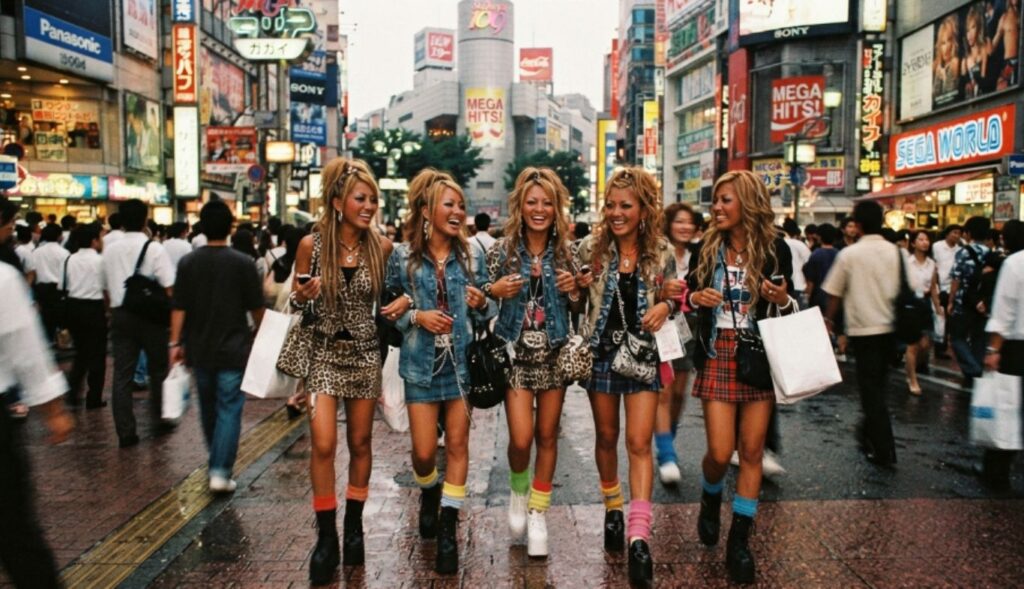
The rise of gyaru cannot be separated from Japan’s broader youth-fashion environment. During the late 1980s and 1990s, young people increasingly influenced fashion trends themselves.
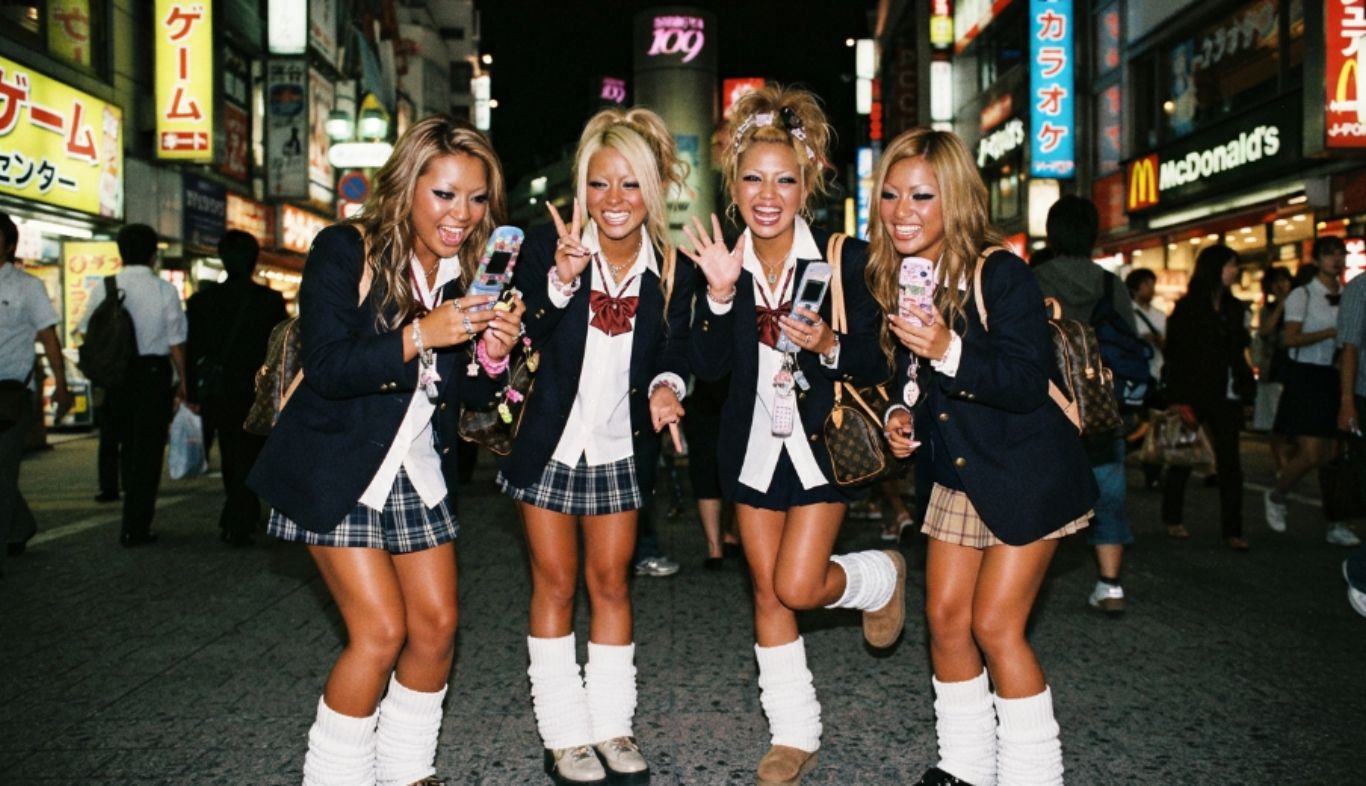
School uniform modifications also played a role in the visual environment surrounding teenage fashion. Modified uniforms, shorter skirts, and loose socks became recognizable trends among Japanese schoolgirls.
Shopping destinations became equally important.
Shibuya was particularly influential because it connected young consumers with fashion, music, magazines, and beauty trends. As gyaru developed, its appearance became increasingly polished and recognizable.
In other words, the style wasn’t created by one designer.
It grew from a community.
The Evolution of Heisei Gyaru
One reason Heisei gyaru remains fascinating is that it changed considerably over several decades. The gyaru look of the early 1990s wasn’t exactly the same as the glamorous styles seen during the 2000s.
The basic philosophy remained recognizable: stand out, look fashionable, embrace beauty, and make the style your own.
Yet the details kept changing.
The 1990s Gyaru Foundation
Early gyaru fashion developed during a period when Japanese youth culture was becoming increasingly experimental.
Hair became lighter. Makeup became more noticeable. Tanning became associated with certain gyaru looks. Clothing often emphasized youthful glamour through short skirts, fitted tops, boots, and fashionable accessories.
The contrast with conventional beauty expectations was part of the appeal.
Instead of aiming for an understated appearance, gyaru could be intentionally noticeable.
This was especially significant because appearance became a form of self-expression. A person could use hair color, makeup, clothing, and accessories to create a visual identity that felt separate from traditional expectations.
The look also reflected broader changes in Japanese fashion. Japan’s fashion history shows that youth trends repeatedly absorbed influences from overseas culture while creating distinctly Japanese interpretations.
The 2000s Gyaru Boom
The 2000s were crucial for the development of the recognizable Heisei gyaru aesthetic.
Fashion magazines and celebrity culture helped make particular beauty techniques and clothing combinations highly visible. Gyaru became increasingly associated with carefully styled hair, dramatic eyelashes, bold eye makeup, fashionable handbags, short skirts, and statement footwear.
At this point, different branches of gyaru became easier to identify.
Some looks remained relatively natural and wearable. Others became dramatically tanned and colorful. Some leaned toward princess-inspired femininity, while others emphasized casual or glamorous streetwear.
This diversity is important.
There wasn’t one universal “gyaru uniform.”
Instead, gyaru operated more like a fashion family.
The Role of Shibuya 109
Few places are as closely connected with Japanese youth fashion as Shibuya.
Shibuya 109 became an important shopping destination for young consumers and helped connect fashion brands with the gyaru audience. The surrounding Shibuya scene also contributed to the visibility of gyaru as a recognizable street style.
The influence of Shibuya wasn’t limited to clothing. Hair salons, cosmetics, magazines, music, and accessories all contributed to the broader lifestyle surrounding the fashion.
This ecosystem helped trends move quickly.
A hairstyle seen in a magazine could inspire thousands of people. A popular accessory could become a must-have almost overnight. A new makeup technique could spread through beauty pages and social circles.
That’s one reason the Heisei period is so interesting from a fashion-history perspective.
It was an era when street fashion, media, and consumer culture were deeply connected.
9 Iconic Heisei Gyaru Style Secrets
The easiest way to understand Heisei gyaru is to examine the styling elements that repeatedly appeared throughout the movement.
Not every gyaru wore all nine features, and the exact combinations changed over time. Still, these characteristics help explain why the aesthetic became so recognizable.
1. Statement Hair
Hair is one of the strongest elements of the gyaru aesthetic.
During the Heisei period, lighter hair colors became strongly associated with many gyaru looks. Blonde, caramel, honey, and brown shades could create a striking contrast with darker natural hair.
Volume mattered, too.
Long curls, waves, teased sections, extensions, and carefully arranged bangs could transform an ordinary hairstyle into something much more dramatic.
The goal wasn’t necessarily perfect simplicity.
It was impact.
A modern interpretation can recreate the effect with softer waves, layered cuts, clip-in extensions, or warm brown tones without copying every historical detail.
2. Dramatic Eye Makeup
Eye makeup is arguably the visual centerpiece of many gyaru styles.
Dark eyeliner, enlarged-looking eyes, false eyelashes, mascara, and carefully placed highlights were frequently used to create a larger and more expressive appearance.
The technique often emphasized the upper and lower eye areas, making the eyes appear more defined.
False lashes were particularly useful because they added instant drama.
However, makeup trends changed throughout the Heisei period. Earlier looks could be more heavily lined, while later styles often became more polished and blended.
The key principle was enhancement.
Rather than hiding individuality, makeup helped create a deliberate visual character.
3. Tanned Beauty
Tanning became associated with several important gyaru substyles, particularly during the more dramatic periods of the movement.
A deeper tan could create a strong contrast with blonde hair, bright clothing, and heavy eye makeup.
However, tanning wasn’t universal across all gyaru.
Some substyles favored lighter skin and softer beauty aesthetics. This is an important distinction because the term “gyaru” covers many different approaches.
For a contemporary interpretation, the visual effect can be recreated through makeup and bronzing rather than intentional UV exposure.
That allows the aesthetic to be explored without adopting potentially harmful tanning practices.
4. Trendy Mini Skirts
Mini skirts became an important part of the gyaru wardrobe, especially when combined with fashionable tops, jackets, boots, or platform shoes.
The styling was often coordinated rather than random.
A skirt might be paired with a fitted top and statement accessories, creating a youthful but polished silhouette.
Mini skirts also connected gyaru fashion with broader Japanese school and street-fashion trends. Modified school uniforms and shorter skirts had already become recognizable elements of youth style by the 1990s.
Modern wearers don’t need to reproduce the exact silhouette.
A pleated skirt, denim mini, or tailored skirt can capture the same energetic styling philosophy.
5. Loose Socks
Loose socks are among the most recognizable details associated with Japanese youth fashion from the era.
They became particularly visible alongside modified school uniforms and gyaru styling.
Unlike ordinary socks, loose socks were deliberately oversized and gathered around the lower leg. The relaxed shape created a distinctive contrast with short skirts and chunky footwear.
The detail may look simple, but it demonstrates an important principle of gyaru styling:
Small accessories can completely change an outfit.
A modern outfit can use leg warmers or deliberately scrunched socks to create a similar nostalgic effect.
6. Platform Shoes
Footwear helped complete the dramatic proportions of many gyaru outfits.
Platform sandals, platform boots, heels, and other elevated shoes could lengthen the appearance of the legs while adding visual weight to the outfit.
Shoes were rarely treated as an afterthought.
They were part of the complete silhouette.
For a contemporary Heisei-inspired look, chunky loafers, platform boots, or elevated sandals can provide the same statement without requiring an exact vintage reproduction.
7. Statement Accessories
Accessories gave gyaru outfits personality.
Large handbags, belts, necklaces, bracelets, hair accessories, sunglasses, and decorative details could all be used to build a more glamorous appearance.
Accessories also helped differentiate substyles.
A feminine gyaru look might use bows, pearls, and delicate jewelry, while a more street-oriented outfit could emphasize bold belts, metallic accents, or oversized bags.
The trick is coordination.
Too many unrelated statement pieces can make the outfit feel chaotic. Gyaru styling works best when several dramatic elements support one another.
8. Glamorous Nails
Nails became another important part of the complete gyaru beauty routine.
Longer nails, decorative designs, glitter, rhinestones, bows, and elaborate patterns could complement clothing and accessories.
Nail art wasn’t merely an isolated beauty trend.
It reinforced the idea that every visible detail could contribute to a carefully constructed appearance.
Today, shorter press-on nails can recreate the decorative effect while remaining easier to wear.
9. Confidence and Individuality
The most important Heisei gyaru secret isn’t a particular shade of makeup or a specific shoe.
It’s confidence.
Gyaru challenged the idea that young women had to look understated to be fashionable. Bold makeup, expressive clothing, glamorous hair, and visible accessories became tools for personal identity.
That attitude is one reason the style continues to attract interest.
You don’t have to copy a historical outfit perfectly.
You can borrow its confidence.
Heisei Gyaru vs Other Gyaru Styles
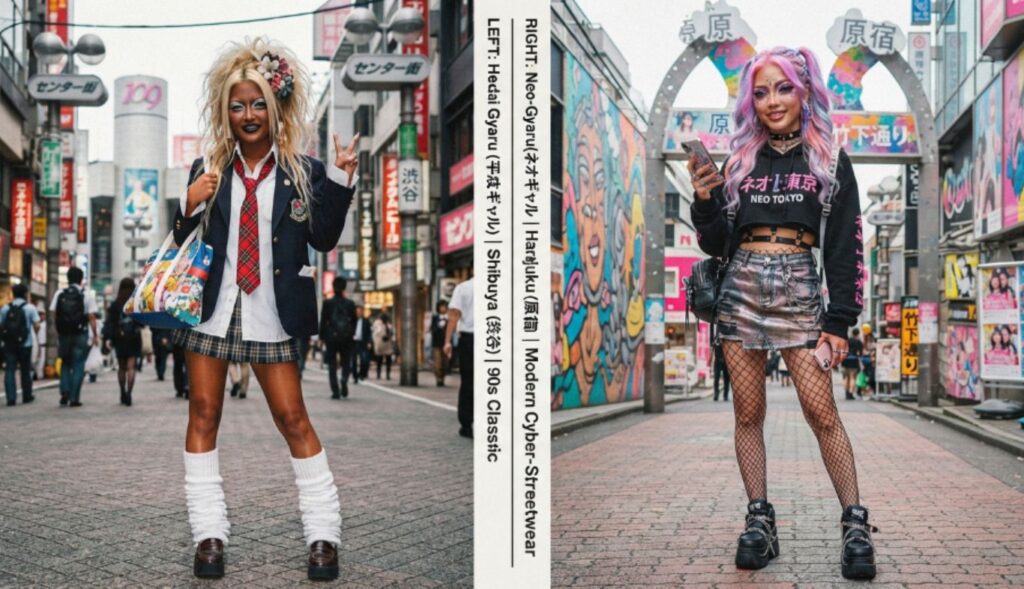
Although Heisei gyaru is often discussed as if it were one uniform aesthetic, gyaru culture contains numerous recognizable substyles.
Understanding those differences prevents the history from becoming oversimplified.
Heisei Gyaru vs Manba
Manba is one of the more extreme and recognizable branches of gyaru.
It generally pushed the contrast between darkened skin, very light makeup around the eyes, bright colors, and dramatic styling much further than more mainstream gyaru looks.
Heisei gyaru, by contrast, can refer more broadly to the fashion culture of the era.
So Manba can be understood as part of the larger gyaru landscape rather than a direct synonym for it.
Heisei Gyaru vs Hime Gyaru
Hime gyaru takes a more princess-like approach.
It often emphasizes feminine silhouettes, elaborate hairstyles, ribbons, lace, soft colors, and luxurious details.
The result can feel romantic and elegant.
Traditional Heisei gyaru styling is broader and can range from casual streetwear to glamorous looks, while Hime gyaru has a stronger princess-inspired identity.
Heisei Gyaru vs Modern Gyaru
Modern gyaru often takes inspiration from earlier aesthetics while adapting them to current fashion.
Makeup can be softer. Clothing can be more practical. Hair may use contemporary cuts and colors.
Social media has also changed how trends spread.
During the Heisei period, magazines, television, shops, and physical street scenes were extremely important. Today, digital platforms allow styles to travel internationally within hours.
That means modern gyaru isn’t simply a copy of the past.
It’s an evolving interpretation.
How to Create a Heisei Gyaru Outfit Today
You don’t need an entire vintage wardrobe to experiment with the style.
The easiest approach is to combine a few recognizable elements with modern pieces.
Building the Base Outfit
Start with one strong foundation:
- A pleated or denim mini skirt
- A fitted top
- A cropped jacket
- Platform boots or chunky shoes
- A structured handbag
Then add one or two nostalgic elements.
For example, loose socks and a statement hair accessory can immediately shift a contemporary outfit toward a Heisei-inspired direction.
Don’t try to make every item dramatic.
Balance creates a more wearable result.
Choosing Hair and Makeup
For hair, consider warm brown, honey, caramel, or blonde-inspired tones with soft volume and waves.
For makeup, focus on:
- Defined eyeliner
- Fuller-looking lashes
- Soft contouring
- Blended eyeshadow
- Glossy lips
- A luminous complexion
The goal is expressive rather than messy.
If you’re new to the aesthetic, start with one dramatic feature—usually the eyes—and build from there.
Finishing With Accessories
Accessories are where the personality comes through.
Try adding:
- Oversized sunglasses
- Decorative hair clips
- Layered necklaces
- A statement handbag
- Rhinestone details
- Chunky bracelets
- Decorative nails
The best Heisei-inspired outfits don’t look like costumes.
They look intentional.
Why Heisei Gyaru Still Matters
Fashion rarely disappears completely.
Instead, it gets reinterpreted.
The Heisei era produced an enormous range of Japanese youth-fashion movements, and gyaru remains especially memorable because it combined clothing, beauty, media, shopping, and identity into one recognizable culture.
Japanese fashion has long been shaped by cycles of reinvention. Official Japanese fashion resources also document how styles from earlier decades are repeatedly revived and adapted to contemporary tastes.
Nostalgia and Reimagined Fashion
Nostalgia has become a major source of inspiration for younger fashion audiences.
Rather than copying historical outfits exactly, modern wearers often select specific details from earlier styles.
That approach works particularly well with gyaru.
You might combine modern jeans with gyaru-inspired makeup, wear a contemporary platform shoe with loose socks, or use a vintage-style hairstyle with current clothing.
The result becomes a conversation between two generations of fashion.
Influence on Japanese Street Style
The broader legacy of gyaru can be seen in the importance of beauty experimentation, street-level trend creation, and youth-driven fashion.
Gyaru also demonstrated that fashion could be a lifestyle rather than simply a collection of clothes.
Hair, makeup, nails, accessories, shopping habits, music, and social spaces could all become part of the same identity.
That holistic approach is one of the reasons the movement remains so influential.
Frequently Asked Questions
1. What is Heisei gyaru?
Heisei gyaru is a broad term used for gyaru fashion and beauty culture associated with Japan’s Heisei era from 1989 to 2019. It includes multiple substyles rather than one fixed appearance.
2. When did gyaru become popular?
Gyaru became especially prominent during the 1990s and expanded significantly during the 2000s. Japanese fashion sources identify the 1990s as an important period for the emergence of gyaru on the fashion scene.
3. What makeup is typical of Heisei gyaru?
Typical elements can include strong eyeliner, dramatic eyelashes, mascara, defined brows, eyeshadow, contouring, and glossy lips. The exact makeup changed according to the particular gyaru substyle and period.
4. Did all gyaru have tanned skin?
No. Tanned skin was strongly associated with certain gyaru styles, but it wasn’t universal. Other branches favored lighter complexions and softer beauty aesthetics.
5. What clothes are associated with Heisei gyaru?
Common elements include mini skirts, fitted tops, fashionable jackets, boots, platform shoes, loose socks, and statement accessories. The exact wardrobe varied significantly between substyles.
6. Is Heisei gyaru the same as Manba?
No. Manba is a particular substyle within the broader gyaru fashion world. Manba generally uses a much more dramatic and exaggerated aesthetic.
7. Is Hime gyaru part of gyaru culture?
Yes. Hime gyaru is commonly discussed as one of the more feminine and princess-inspired branches of gyaru fashion.
8. Can I wear Heisei gyaru fashion today?
Absolutely. A modern interpretation can combine contemporary clothing with nostalgic makeup, hair, footwear, and accessories. You don’t have to reproduce a historical look exactly.
9. Why is Heisei gyaru becoming popular again?
The renewed interest is partly connected to nostalgia and the wider revival of older Japanese fashion aesthetics. Earlier trends are frequently reinterpreted rather than copied exactly.
10. Where can I learn more about Japanese fashion history?
Japan’s official Web Japan resources provide useful background on the development of Japanese fashion, including youth and street-fashion trends.
Conclusion
Heisei gyaru represents far more than a collection of miniskirts, dramatic lashes, dyed hair, and platform shoes. It captures an important period in Japanese youth culture when fashion became a powerful form of self-expression.
Its nine defining secrets—statement hair, dramatic eye makeup, tanning in some substyles, mini skirts, loose socks, platform shoes, accessories, glamorous nails, and confidence—help explain its unmistakable visual identity.
Yet the most lasting lesson is individuality.
Gyaru was never simply about following a checklist. It was about taking fashion seriously enough to make it your own.
That’s why the aesthetic continues to inspire modern interpretations. Whether you recreate a full nostalgic outfit or borrow just a few elements, the spirit remains the same: be expressive, be confident, and don’t be afraid to stand out.
The Heisei era may have ended in 2019, but its fashion legacy is still very much alive.