

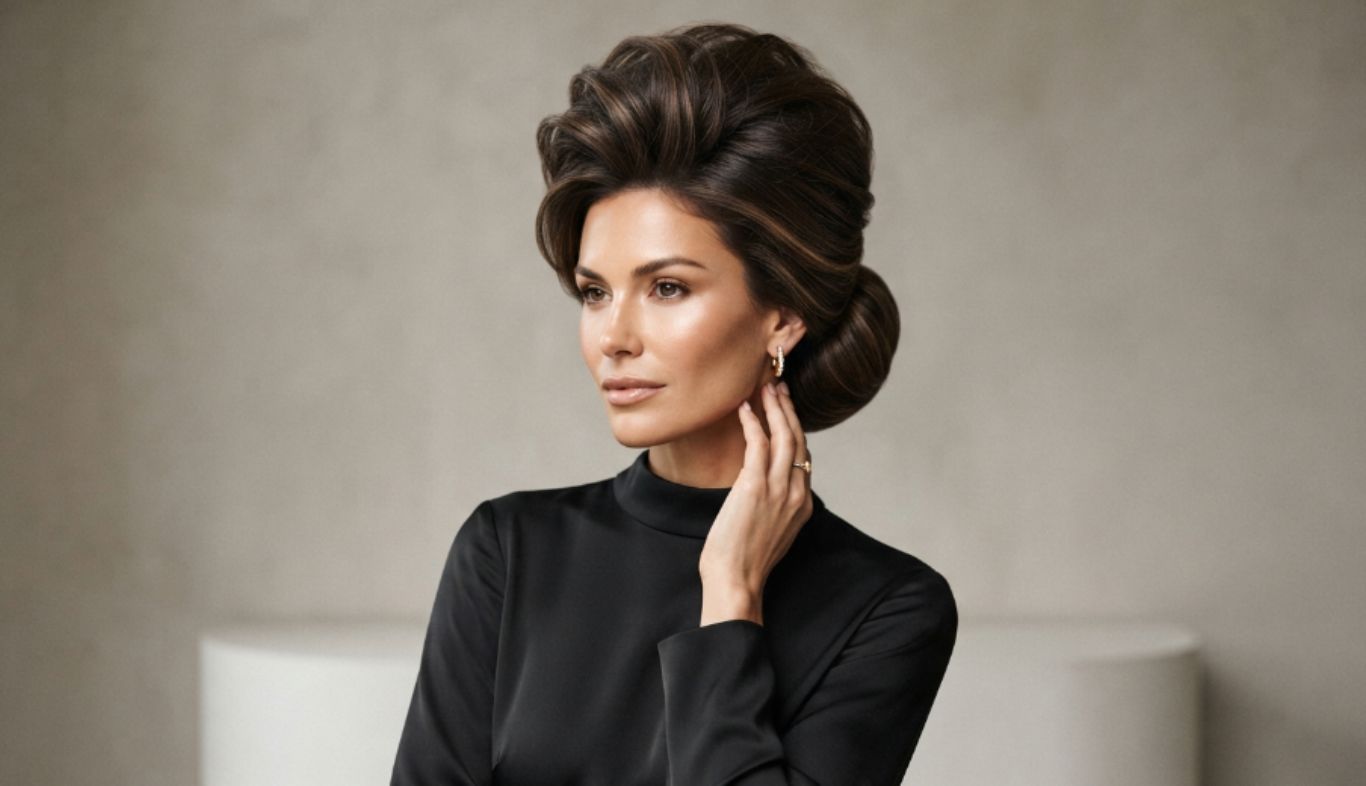
A High Crown Volume Style can instantly change the way a hairstyle looks. By adding controlled height around the crown, you can create the appearance of fuller hair, stronger shape, and a more polished silhouette. Whether your hair is fine, thick, straight, wavy, curly, short, or long, the right combination of haircut, styling technique, and product can make a noticeable difference.
The best part? You don’t necessarily need complicated salon techniques. With a few smart adjustments, you can build volume at the crown while keeping the rest of your hair natural and wearable.
A successful High Crown Volume Style isn’t simply about making the hair stand as high as possible. It’s about creating lift without making the hairstyle look stiff, heavy, or overworked. The goal is balanced volume that follows the natural shape of your head and complements your face.
This guide explains how to achieve that effect, which cuts work best, what products can help, and what mistakes to avoid.
Understanding the High Crown Volume Style
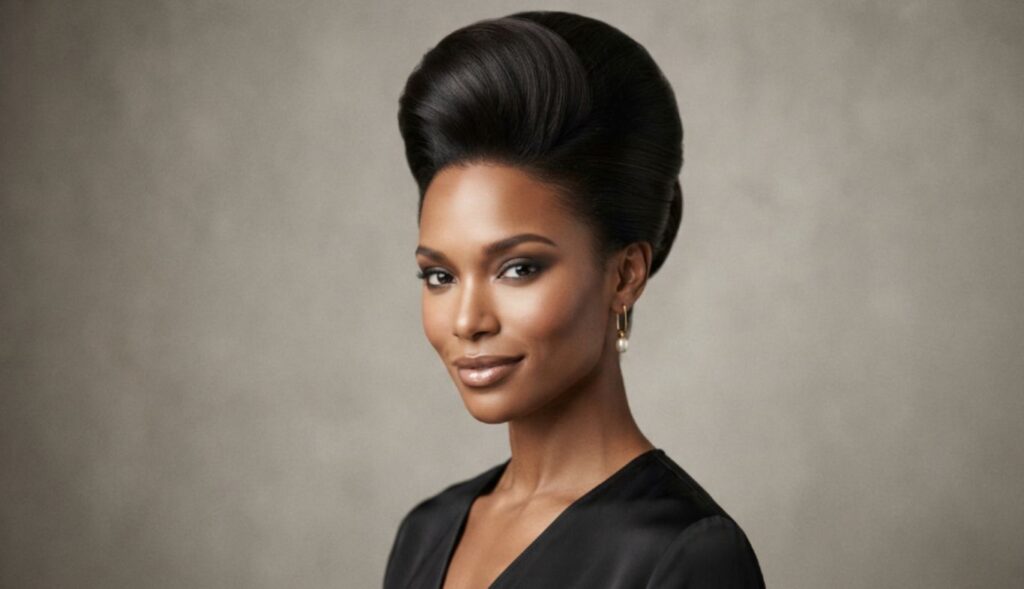
The crown is the upper-back and top area of the head, roughly where the hair begins to curve downward toward the back. When this area has lift, the entire hairstyle can appear more structured.
A High Crown Volume Style focuses specifically on creating height and fullness in this region. Instead of adding volume equally everywhere, you concentrate styling effort where it has the greatest visual impact.
This distinction is important.
If you add too much volume to the sides, the face can appear wider. If you add too much product throughout the hair, the strands can become heavy and lose movement. Crown-focused styling gives you more control.
Crown Volume vs. Overall Hair Volume
Overall volume means making the entire hairstyle look fuller. Crown volume is more targeted.
Think of the difference like this:
- Overall volume: fullness from roots to ends.
- Crown volume: height concentrated around the top and upper-back section.
- Root volume: lift directly where the hair emerges from the scalp.
- Texture volume: fullness created through curls, waves, or layered movement.
A strong High Crown Volume Style often combines all four, but crown and root lift remain the main priorities.
This makes the hairstyle particularly useful when you want a taller-looking silhouette without dramatically increasing the width of the hair.
How Hair Type Affects Crown Volume
Your natural texture determines how easily your hair holds height.
Fine, straight hair can look sleek but often struggles to maintain root lift. Lightweight products, strategic layering, and rollers can help.
Thick hair naturally has plenty of body, but its weight can pull the crown downward. A suitable haircut may be more important than adding extra product.
Wavy hair already has useful texture. The goal is usually to encourage the natural wave rather than flattening it with excessive brushing.
Curly hair can create impressive crown height naturally. The challenge is maintaining definition while preventing the roots from becoming flat.
Coily or tightly textured hair can achieve dramatic crown volume through natural shape, stretching, picking, or carefully selected styling techniques. The approach should always respect the hair’s fragility and moisture needs.
The American Academy of Dermatology recommends choosing hair-care products and routines according to your specific hair type, since straight, curly, thick, fine, and textured hair can have different needs.
Choosing Crown Height for Your Face Shape
A High Crown Volume Style can also influence the visual proportions of the face.
If you have a round face, moderate vertical height can help create a more elongated appearance. You don’t need extreme volume; even a few centimeters of lift can make a difference.
For an oval face, most crown-volume variations can work because the face already has relatively balanced proportions.
For a long face, excessive height may emphasize length. In that case, softer crown lift combined with some side movement can create better balance.
For a square face, textured crown volume can soften the overall appearance, especially when paired with gentle movement around the sides.
The key is balance. Crown height should complement the hairstyle rather than becoming the only thing people notice.
How to Create a High Crown Volume Style
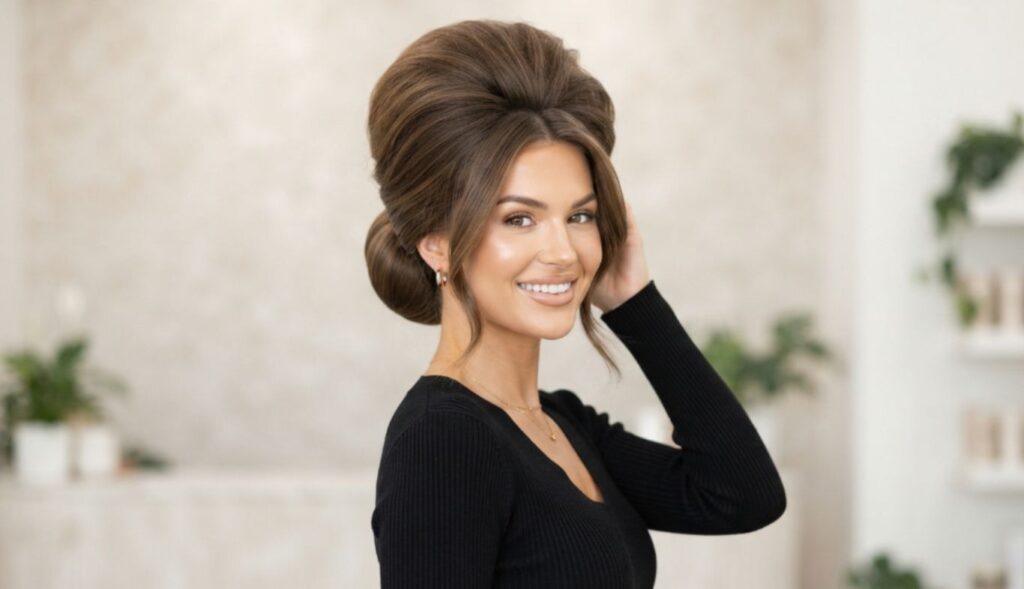
Creating a High Crown Volume Style is easier when you treat it as a process rather than a single styling trick.
The foundation begins with the haircut. From there, preparation, drying direction, product selection, and finishing techniques determine how much lift you achieve.
Start With the Right Haircut
A haircut can either support or sabotage crown volume.
Layers are often useful because they remove some weight and allow sections of hair to move independently. However, too many layers can make the style look uneven or overly thin.
For medium or long hair, strategically placed layers around the crown can help create movement without sacrificing too much length.
For shorter hair, a textured top with slightly shorter sides can make the crown appear naturally taller.
For thick hair, internal weight removal can help prevent the crown from collapsing.
For fine hair, avoid automatically assuming that many layers are better. Excessive layering can sometimes make already-fine ends appear thinner.
When discussing a cut with your stylist, don’t simply ask for “more volume.” Explain where you want the volume. Saying that you want height concentrated around the crown gives the stylist a much clearer target.
Blow-Drying for Maximum Root Lift
Blow-drying is one of the most effective ways to create a High Crown Volume Style at home.
Start with damp rather than soaking-wet hair. Apply a suitable lightweight volumizing product near the roots, then separate the crown into manageable sections.
Lift each section away from the direction in which it naturally falls.
For example, if your crown normally lies flat toward the back, gently direct the hair forward or upward while drying. Once the roots cool in that lifted position, they are more likely to retain the shape.
A round brush can help create additional movement, but you don’t need to aggressively pull the hair.
A simple sequence is:
- Towel-dry gently.
- Apply a small amount of root-volumizing product.
- Section the crown.
- Lift each section at the root.
- Blow-dry from the roots toward the ends.
- Allow each section to cool while elevated.
- Finish with a light styling product.
Excessive heat can damage hair regardless of texture, so the American Academy of Dermatology recommends limiting heat styling and using low or medium settings where possible.
Choose Lightweight Root-Lifting Products
Product choice can make or break crown volume.
For fine hair, heavy oils, thick creams, and excessive pomade can flatten the roots. A lightweight mousse, foam, volumizing spray, or root-lifting product may be more appropriate.
For thick hair, you may need a stronger styling product because the hair has more weight.
For curly hair, a lightweight curl foam or mousse can provide both definition and lift.
For dry or damaged hair, conditioning support may be important before styling. The American Academy of Dermatology notes that leave-in conditioners can help certain hair types, including fine, dry, curly, heat-styled, or brittle hair, although lighter formulas are generally more appropriate for fine hair.
Use less product than you think you need at first. You can always add more. Removing too much product after it has already made the roots greasy is a different story.
Use Backcombing Carefully
Backcombing, sometimes called teasing, can create immediate height.
Take a small crown section and hold it vertically. Using a fine-tooth comb, gently move toward the roots with short strokes.
Don’t aggressively drag the comb through the entire strand. The goal is to create a small amount of internal support near the roots.
After creating the lift, lightly smooth the surface layer over the teased section.
This creates the appearance of fullness while hiding the internal texture.
However, backcombing shouldn’t become an everyday aggressive routine. Rough handling can contribute to breakage, particularly when hair is fragile.
Try Velcro or Heated Rollers
Rollers are an old-school trick that still works remarkably well.
For a High Crown Volume Style, place one or more rollers at the crown while the hair is warm and slightly damp or prepared according to the roller type.
Lift the section upward before wrapping it. The larger the roller, the softer and broader the resulting lift tends to be.
Leave the rollers in place until the hair has cooled and set.
Remove them gently and use your fingers to arrange the hair.
Unlike heavy teasing, rollers can create a smooth, polished result that still looks natural.
Finish Without Flattening the Crown
The final stage matters just as much as the initial styling.
A common mistake is spraying a large amount of strong-hold hairspray directly onto the crown. This can make the hair stiff and eventually cause it to collapse under product weight.
Instead, use a light mist from a reasonable distance.
Then avoid repeatedly touching the roots.
Your hands naturally carry oils, and constant touching can gradually reduce volume. If you need to adjust the shape, use clean fingertips and make small movements.
The ideal result is hair that looks lifted but still moves.
That “I woke up like this” effect may take some technique, but it should never look like a helmet.
Maintaining a High Crown Volume Style
Getting volume once is one thing. Keeping it throughout the day is another.
A successful High Crown Volume Style depends on preparation, environmental conditions, hair density, and product balance.
Avoid the Most Common Volume Mistakes
Several habits can flatten crown volume surprisingly quickly.
Using too much conditioner at the roots can make the hair feel soft but heavy.
Applying oils directly to the crown may reduce lift, especially on fine hair.
Overloading with dry shampoo can create excessive buildup and an unpleasant texture.
Brushing the hair repeatedly can undo carefully created root direction.
Using very heavy styling creams can pull the hair down.
Ignoring the haircut can also be a problem. If the crown carries too much weight, products may only provide a temporary fix.
The solution isn’t necessarily more styling product. Sometimes less is more.
Best High Crown Volume Style for Fine Hair
Fine hair often needs strategic rather than aggressive styling.
Start by keeping heavy products away from the roots. Use a lightweight volumizing formula and concentrate it where you need lift.
A blow-dryer can then create directional support.
A useful technique is to dry the crown in the opposite direction of the final hairstyle. Once the roots are dry, gently return the hair to its intended position.
This creates extra lift without obvious teasing.
Fine hair can also benefit from shorter or medium-length styles because extremely long hair may become heavy enough to pull the crown flat.
If your hair is becoming noticeably thinner rather than simply lacking styling volume, it’s worth addressing the underlying issue instead of relying entirely on cosmetic techniques. The American Academy of Dermatology advises people experiencing hair loss to consider evaluation by a board-certified dermatologist because hair loss can have many different causes.
Best Approach for Curly and Wavy Hair
Curly and wavy hair can create beautiful crown height with less mechanical styling.
Start by applying your normal curl-enhancing product to damp hair.
Then encourage the roots upward with your fingers. You can also gently lift the roots while diffusing.
Avoid repeatedly brushing dry curls because doing so can disturb the curl pattern and create unnecessary frizz.
A High Crown Volume Style for curly hair should emphasize natural shape rather than trying to make every strand perfectly smooth.
If the crown is flat, gently lifting the roots while drying can provide a noticeable improvement.
The finished look can be soft, textured, and dimensional.
Managing Long, Heavy Hair
Long hair presents a different problem: gravity.
Even if your roots have excellent lift immediately after styling, the weight of the lengths can gradually pull everything downward.
Layers can help distribute the weight.
Another useful approach is creating crown lift before styling the lengths. Don’t spend all your effort curling or smoothing the ends while neglecting the roots.
For special occasions, rollers or controlled backcombing can provide additional support.
You can also create a high-volume ponytail or half-up style that physically changes the direction of the hair.
Protect Your Hair While Styling
Volume should never come at the expense of hair health.
The American Academy of Dermatology recommends reducing excessive heat exposure, handling wet hair gently, and avoiding hairstyles that continuously create strong tension.
This matters because damaged hair can become brittle, frizzy, and difficult to style.
For healthier styling:
- Use heat protectant when appropriate.
- Keep heat settings moderate.
- Don’t repeatedly pass a hot tool over the same section.
- Avoid aggressive brushing.
- Give your hair occasional breaks from intense styling.
- Choose products appropriate for your hair type.
- Don’t pull the hair tightly for long periods.
- Pay attention to breakage or unusual shedding.
For more dermatologist-reviewed hair-care guidance, see the
A healthy foundation makes a High Crown Volume Style easier to maintain because stronger, well-cared-for hair generally behaves more predictably during styling.
High Crown Volume Style Ideas for Different Occasions
The versatility of crown volume is one reason the technique remains popular.
Everyday Casual Volume
For everyday wear, keep the crown lift moderate.
A little root mousse followed by quick blow-drying can create enough height to prevent the hair from looking flat.
Finish with your fingers rather than a brush for a relaxed appearance.
Professional and Office Styles
A polished High Crown Volume Style works well with sleek sides and controlled crown height.
The goal here isn’t dramatic volume. Instead, create a clean silhouette with subtle lift.
A side part can add structure, while a smooth finish keeps the style professional.
Wedding and Formal Hairstyles
Formal hairstyles can handle more dramatic crown height.
Teasing, rollers, extensions, and carefully placed pins can provide additional structure.
A stylist can also combine crown volume with curls, waves, an updo, or a half-up hairstyle.
For long events, professional setting techniques are often worthwhile because they help the shape remain intact.
Short Hairstyles
Short hair may be ideal for crown volume because there’s less weight pulling the roots downward.
A textured crop, pompadour-inspired shape, lifted pixie, or layered short cut can all emphasize the crown.
Use a small amount of styling product and concentrate it where you want the hair to rise.
Quick Comparison: Which Technique Should You Choose?
| Hair Situation | Best Technique | Main Benefit |
| Fine, straight hair | Blow-dry + mousse | Lightweight lift |
| Thick hair | Layered cut + root styling | Reduces weight |
| Wavy hair | Diffusing + root lift | Enhances natural texture |
| Curly hair | Root picking + diffuser | Creates height while preserving curls |
| Long hair | Rollers + strategic layers | Counters weight |
| Short hair | Texture product + blow-dry | Creates immediate structure |
| Formal event | Rollers + controlled teasing | Long-lasting volume |
| Everyday styling | Root spray + directional drying | Fast, natural lift |
Frequently Asked Questions
What is a High Crown Volume Style?
A High Crown Volume Style is a hairstyle designed to create noticeable lift and fullness around the crown of the head. It can be achieved through haircutting, blow-drying, rollers, teasing, styling products, or a combination of these techniques. The amount of height can range from subtle everyday lift to dramatic formal volume.
Is a High Crown Volume Style good for thin hair?
Yes. Crown-focused volume can make fine or thin-looking hair appear fuller. However, styling volume doesn’t increase the actual number of hair follicles. For fine hair, lightweight products and controlled root lifting are usually preferable to heavy products or excessive teasing. If you’re experiencing genuine hair loss, it’s better to investigate the cause rather than treating it only as a styling problem.
How can I make crown volume last all day?
Start with clean or appropriately prepared hair, use lightweight styling products, dry the roots in a lifted direction, and allow the hair to cool before arranging it. Rollers can also help create longer-lasting volume. Humidity, sweat, hair density, and product buildup can all affect the result, so you may need to adjust the routine to your environment.
Does backcombing damage hair?
Frequent or aggressive backcombing can contribute to mechanical stress and breakage. If you use teasing, keep the technique gentle and focused near the roots. Avoid ripping the comb through tangled hair when removing the style. A less aggressive alternative is using rollers or directional blow-drying to create volume.
Can I create crown volume without heat?
Absolutely. Try large Velcro rollers, root-lifting styling products, gentle teasing, overnight styling techniques, or strategic braiding. Your haircut also plays a major role. A well-designed cut can create volume without requiring daily heat styling.
What product is best for a High Crown Volume Style?
There isn’t one universal best product. Fine hair often benefits from lightweight mousse, foam, or root-lifting spray. Thick hair may tolerate stronger styling products. Curly hair can benefit from curl-friendly mousse or foam. The right choice depends on hair texture, density, condition, and the amount of hold you need.
Should I put hairspray directly on my roots?
You can use hairspray around the roots, but moderation is important. A light application can help hold the shape. Saturating the crown with strong-hold spray may create stiffness and buildup. Spray lightly and allow the hair to retain some natural movement.
How high should the crown volume be?
There is no universal measurement. For an everyday hairstyle, subtle lift is usually more wearable. Formal hairstyles can support more dramatic height. Your face shape, haircut, hair density, and personal preference should determine the final proportion.
Final Styling Checklist
Before finishing your High Crown Volume Style, run through this quick checklist:
- Is the crown lifted without looking stiff?
- Are the sides balanced with the top?
- Does the hair still move naturally?
- Have you avoided excessive product?
- Is the hairstyle comfortable?
- Did you use heat responsibly?
- Does the height suit your face shape?
- Does the style work with your natural texture?
- Have you avoided unnecessary pulling or tugging?
- Would the hairstyle still look good after several hours?
If the answer is yes to most of these questions, you’re on the right track.
Conclusion
A High Crown Volume Style doesn’t have to mean extreme height or complicated styling. The most flattering results usually come from thoughtful proportion, proper preparation, and techniques suited to your specific hair type.
Start with the haircut. Then focus on root direction, lightweight products, controlled drying, and gentle finishing. If your hair is fine, prioritize weightless lift. If it’s thick, control excess weight. If it’s curly or wavy, work with the natural pattern rather than fighting it.
Most importantly, don’t confuse more product with more volume. Sometimes a lighter routine produces a better result.
With practice, you can build a High Crown Volume Style that looks fuller, polished, and natural while still allowing your hair to move. Whether you’re getting ready for work, a casual outing, a wedding, or a special event, a well-balanced crown can transform the entire silhouette of your hairstyle.
The trick is simple: create the lift at the roots, keep the proportions balanced, and let the rest of the hair support the shape.
That’s the foundation of impressive crown volume—and once you get the technique down, you’ll find that creating it is easier than it looks.