

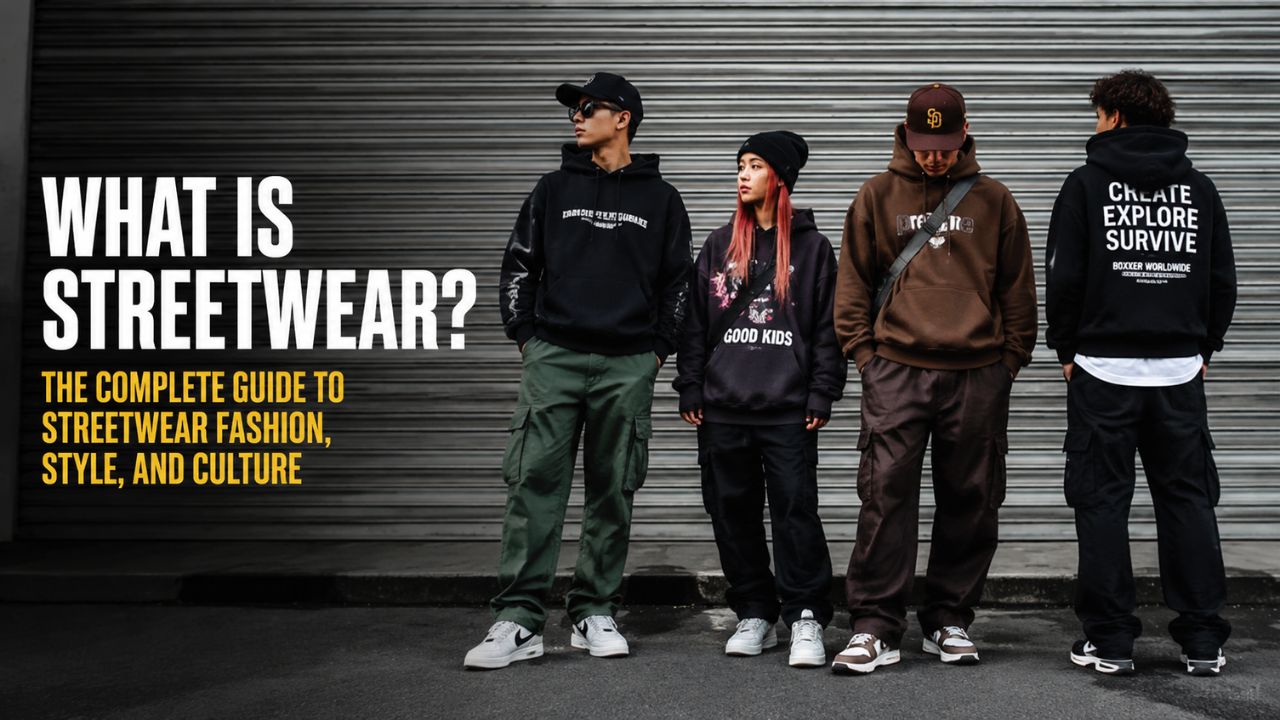
What Is Streetwear? Streetwear isn’t easy to define because it has never followed the traditional rules of fashion. It didn’t begin in luxury boutiques or on Paris runways. Instead, it grew from skate parks, hip-hop communities, surf culture, and city streets, where clothing became a way to express identity rather than simply follow trends. Over time, what started as a niche movement evolved into one of the most influential forces in modern fashion, shaping everything from trainers to designer collections.
What Is Streetwear Many people assume streetwear is just oversized hoodies and expensive trainers, but that’s only part of the story. The style is built around authenticity, creativity, and personal expression. Two people can wear completely different outfits and still both represent streetwear because the culture values individuality over strict dress codes. That’s one reason it continues to attract new fans across the United States and around the world. Understanding streetwear means looking beyond the clothing itself and recognising the ideas, communities, and influences that have shaped it over several decades.
What Is Streetwear?
At its core, streetwear is a fashion style inspired by youth culture. It blends elements of skateboarding, hip-hop, sportswear, art, music, and contemporary design into clothing that feels relaxed yet distinctive. Unlike traditional fashion, which often follows seasonal collections, streetwear has always evolved through communities and cultural movements.
One detail that many articles overlook is that streetwear isn’t defined by a specific item of clothing. A hoodie isn’t automatically streetwear, and neither is a pair of trainers. Instead, it’s the way pieces are combined and the attitude behind them. A simple outfit of a graphic T-shirt, cargo trousers, and classic trainers can capture the spirit of streetwear just as effectively as an outfit filled with luxury labels.
Comfort also plays a significant role. Loose silhouettes, durable fabrics, and everyday practicality are common features, making streetwear suitable for daily life rather than special occasions. This practicality explains why the style has remained relevant even as fashion trends continue to change.
What Is Streetwear Another defining characteristic is exclusivity. Limited-edition releases, known as “drops,” have become a major part of streetwear culture. Brands intentionally release small quantities of products, creating excitement and encouraging collectors to act quickly. For many enthusiasts, owning a rare hoodie or pair of trainers is about participating in a community rather than simply buying clothes.
How Streetwear Became a Global Fashion Movement
What Is Streetwear Streetwear’s journey began during the late 1970s and early 1980s, particularly in California’s surf and skateboarding scenes. Local designers created T-shirts and apparel that reflected the lifestyle of their communities rather than mainstream fashion. These designs were often simple, featuring bold graphics, logos, and artwork inspired by music, skating, and street culture.
As hip-hop gained popularity during the 1980s and 1990s, streetwear expanded rapidly. Artists embraced oversized clothing, trainers, varsity jackets, and distinctive accessories that reflected confidence and individuality. Music videos introduced these styles to millions of viewers, helping streetwear spread far beyond its original communities.
Japan also played an essential role in shaping modern streetwear. Designers and boutique brands combined American influences with innovative design, premium materials, and limited production runs. This approach elevated streetwear from casual clothing to highly collectible fashion.
What Is Streetwear Perhaps the biggest turning point came when luxury fashion houses recognised the movement’s influence. Collaborations between premium designers and established streetwear brands blurred the line between luxury fashion and casual clothing. Suddenly, hoodies, trainers, and graphic T-shirts appeared on prestigious runways alongside tailored garments. What was once considered niche became a central part of global fashion.
The Characteristics That Define Streetwear Style
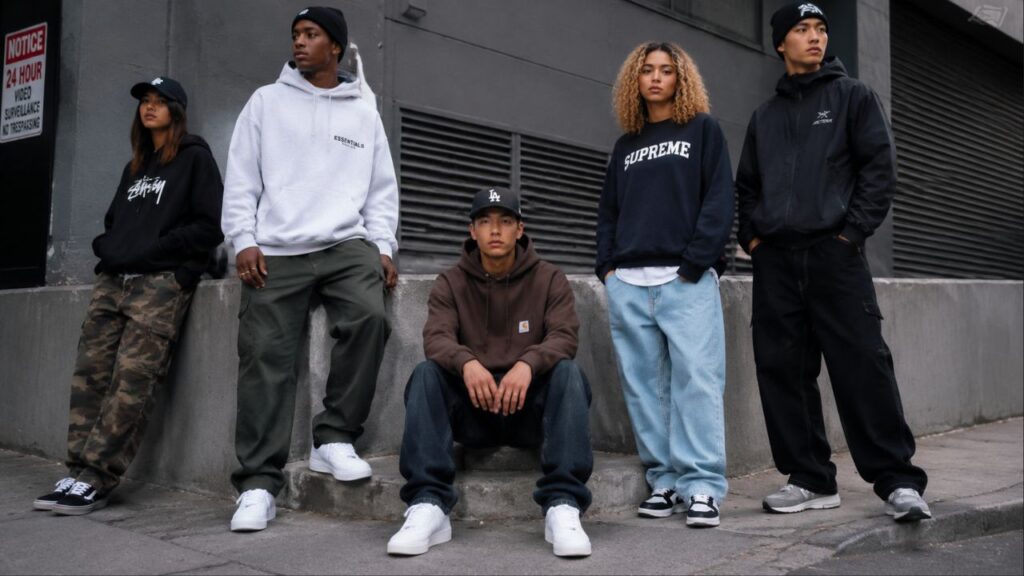
Although streetwear continues to evolve, several features consistently appear across different outfits and personal styles.
| Characteristic | Why It Matters |
| Oversized fits | Creates comfort and relaxed proportions. |
| Graphic clothing | Adds personality and artistic expression. |
| Trainers | Often serve as the focal point of an outfit. |
| Layering | Adds depth, versatility, and visual interest. |
| Limited releases | Creates exclusivity and collectability. |
| Accessories | Complete the look without overwhelming it. |
What Is Streetwear Many newcomers believe they need expensive brands to dress well, but experienced enthusiasts often disagree. A thoughtfully styled outfit built around quality basics usually looks stronger than one filled with recognisable logos. Fit, colour coordination, and confidence often have a greater impact than price.
Colour palettes also deserve attention. While black, white, grey, and earth tones remain popular because they’re easy to combine, streetwear doesn’t discourage bold colours. Bright jackets, statement trainers, or graphic prints can become the centrepiece of an outfit when balanced with simpler clothing elsewhere.
Layering is another skill that separates good outfits from great ones. Combining hoodies with lightweight jackets, overshirts, or bomber jackets adds dimension without making an outfit feel overcomplicated. Small adjustments, such as rolling sleeves or choosing contrasting textures, often make a bigger difference than buying expensive clothing.
Building a Streetwear Wardrobe That Actually Works
What Is Streetwear Many beginners make the mistake of shopping for individual statement pieces instead of building a wardrobe where everything works together. They buy one expensive hoodie or a limited-edition pair of trainers but struggle to create complete outfits because nothing else matches.
A smarter approach is to start with versatile essentials that can be worn repeatedly in different combinations.
Consider building your wardrobe around:
- Neutral hoodies, oversized T-shirts, cargo trousers, quality denim, versatile trainers, bomber jackets, and simple accessories.
- A limited colour palette at first, then gradually introducing statement pieces as your confidence grows.
What Is Streetwear This approach creates far more outfit combinations while keeping spending under control. It also helps you develop your own personal style instead of copying influencers or celebrities piece for piece.
Another overlooked factor is fabric quality. Heavyweight cotton hoodies, durable denim, and well-made trainers generally last longer and maintain their shape better than cheaper alternatives. Over time, investing in fewer, better-made items often proves more economical than constantly replacing lower-quality clothing.
One useful habit adopted by experienced streetwear enthusiasts is photographing successful outfits. Reviewing these photos makes it easier to identify colour combinations, proportions, and layering techniques that suit your personal style rather than relying on memory alone.
Popular Streetwear Brands and What Makes Them Stand Out
What Is Streetwear One reason streetwear has remained relevant is its diversity. There isn’t a single brand that represents the entire culture. Some labels focus on skateboarding, others draw inspiration from music or luxury fashion, while newer companies experiment with sustainable materials and modern silhouettes. Understanding these differences helps you buy clothing that suits your style instead of chasing whatever happens to be trending.
Brands such as Supreme, Stüssy, BAPE, Palace, and Kith helped shape modern streetwear by producing limited collections and building loyal communities. Sportswear giants like Nike, Adidas, Jordan Brand, Vans, Converse, and New Balance also play a huge role because trainers are often the centrepiece of a streetwear outfit. On the luxury side, labels such as Off-White, Fear of God, and designer collaborations have shown that hoodies, cargo trousers, and trainers can sit comfortably alongside premium tailoring.
What Is Streetwear One mistake new shoppers often make is believing that buying a famous logo automatically creates a stylish outfit. Experienced dressers know that’s rarely true. The strongest looks usually mix well-made basics with one or two statement pieces. A simple oversized T-shirt, relaxed trousers, and clean trainers can look far more polished than an outfit covered in logos from head to toe.
Casual Streetwear vs Traditional Streetwear
Streetwear has become broad enough that several different styles now exist under the same umbrella. Casual streetwear is the most practical for everyday life. It focuses on comfortable clothing that can be worn to university, work, shopping, or weekends with friends. Neutral hoodies, plain oversized tees, denim, joggers, and classic trainers fit naturally into this approach.
Traditional streetwear often places greater emphasis on limited releases, bold graphics, collectible trainers, and exclusive brand collaborations. Enthusiasts may spend months waiting for product drops or searching resale markets for rare pieces. While collecting can be enjoyable, it isn’t a requirement for participating in streetwear culture.
What Is Streetwear Luxury streetwear represents another branch of the movement. Premium fabrics, refined tailoring, and minimalist branding create clothing that feels elevated while maintaining the relaxed attitude that defines streetwear. This blend of casual silhouettes and high-quality construction has become increasingly popular among professionals who want comfortable clothing without sacrificing sophistication.
The most successful wardrobes usually borrow ideas from all three styles. Someone might wear affordable cargo trousers with premium trainers and a vintage jacket, creating an outfit that feels personal rather than predictable.
Styling Streetwear with Confidence
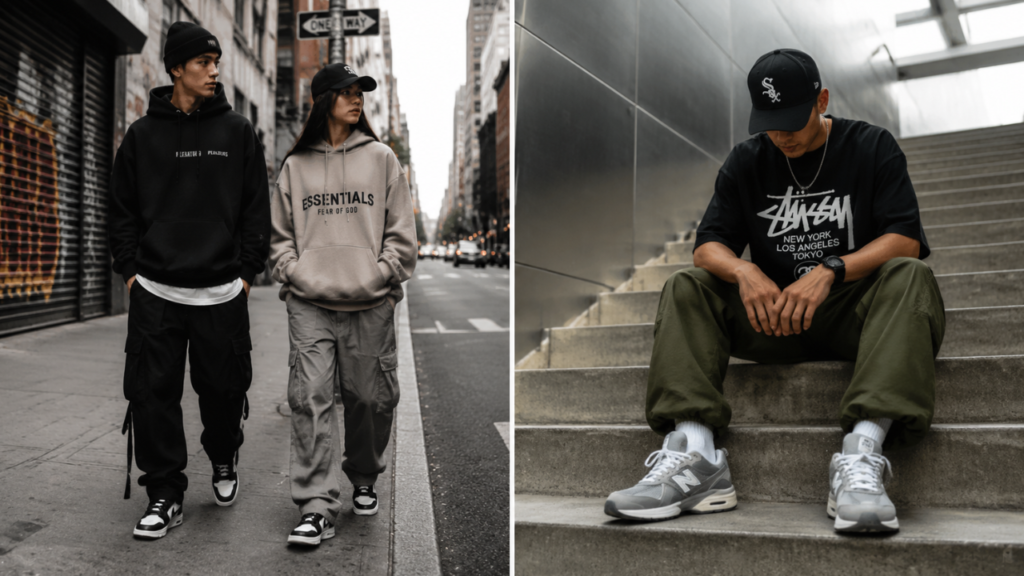
What Is Streetwear Good styling isn’t about following a formula. It’s about understanding proportion, colour, and balance. One oversized item often works well, but wearing everything oversized can make an outfit appear shapeless. Pairing a loose hoodie with straight-leg trousers or relaxed jeans usually creates cleaner proportions than combining multiple oversized garments.
Footwear deserves special attention because people naturally notice shoes. Keeping trainers clean and in good condition can improve an outfit more than buying another expensive hoodie. Even basic white trainers often outperform flashy footwear if they’re well maintained.
Accessories should complement rather than dominate the outfit. A crossbody bag, simple chain, beanie, or cap can add personality without making the overall look feel forced. Choosing one or two accessories instead of several usually creates a cleaner finish.
Seasonal dressing also matters more than many fashion articles acknowledge. During warmer months, breathable cotton T-shirts, shorts, and lightweight overshirts provide comfort while maintaining a streetwear aesthetic. Cooler weather opens opportunities for layering hoodies beneath bomber jackets, varsity jackets, or oversized coats, creating visual depth while staying practical.
What Is Streetwear Perhaps the most valuable styling advice is to dress consistently with your lifestyle. Clothing should feel natural rather than like a costume. Streetwear has always celebrated authenticity, so wearing pieces that genuinely suit your personality is more convincing than copying every trend you see online.
Streetwear Trends and Where the Style Is Heading
Streetwear continues to evolve because it reflects cultural changes rather than following rigid fashion rules. Current trends in the United States show growing interest in earth-tone colour palettes, utility-inspired clothing, vintage trainers, heavyweight fabrics, and relaxed tailoring. Many brands are also experimenting with recycled materials and environmentally responsible production methods as consumers become more aware of sustainability.
What Is Streetwear Technology is influencing fashion as well. Digital product launches, virtual fashion experiences, and online resale platforms have changed how people discover and purchase streetwear. Limited-edition releases still generate excitement, but buyers are becoming more selective, placing greater value on quality and long-term wearability instead of simply collecting logos.
Another noticeable shift is the move toward capsule wardrobes. Rather than owning dozens of similar hoodies, many enthusiasts now invest in versatile pieces that work together across multiple outfits. This approach reduces unnecessary spending while encouraging more thoughtful styling.
Streetwear has also become increasingly inclusive. Designers are moving away from rigid ideas about gender-specific clothing, allowing people to focus on fit, comfort, and personal taste instead of traditional fashion categories. This openness has helped the style remain relevant across different ages and communities.
Final Thoughts
What Is Streetwear Streetwear is far more than oversized clothing or limited-edition trainers. It’s a fashion movement shaped by creativity, music, sport, art, and everyday life. While trends come and go, the core ideas behind streetwear—individuality, comfort, and self-expression—have remained remarkably consistent.
Building a great streetwear wardrobe doesn’t require unlimited money or rare collectibles. Start with quality basics, learn how different pieces work together, and develop a style that reflects your personality. Over time, you’ll discover that confidence, thoughtful styling, and authenticity matter far more than the label on your hoodie.
Frequently Asked Questions
1. What is streetwear fashion?
Streetwear fashion is a casual style influenced by skateboarding, hip-hop, sportswear, and youth culture. It combines comfortable clothing with distinctive design and encourages personal expression.
2. Is streetwear the same as casual wear?
No. Casual wear focuses mainly on comfort, while streetwear adds cultural influences, unique styling, graphic elements, and carefully chosen footwear or accessories.
3. Do I need expensive brands to dress in streetwear?
Not at all. A well-fitted outfit made from quality basics often looks better than one built entirely around expensive labels. Styling and confidence matter more than price.
4. What are the essential pieces for a beginner?
Start with an oversized T-shirt, a hoodie, relaxed-fit jeans or cargo trousers, clean trainers, and a lightweight jacket. These versatile items can be mixed into dozens of outfits.
5. Is streetwear still popular?
Yes. Streetwear continues to influence mainstream fashion, luxury collections, and everyday clothing. While trends evolve, its focus on comfort, creativity, and individuality keeps it relevant year after year.