

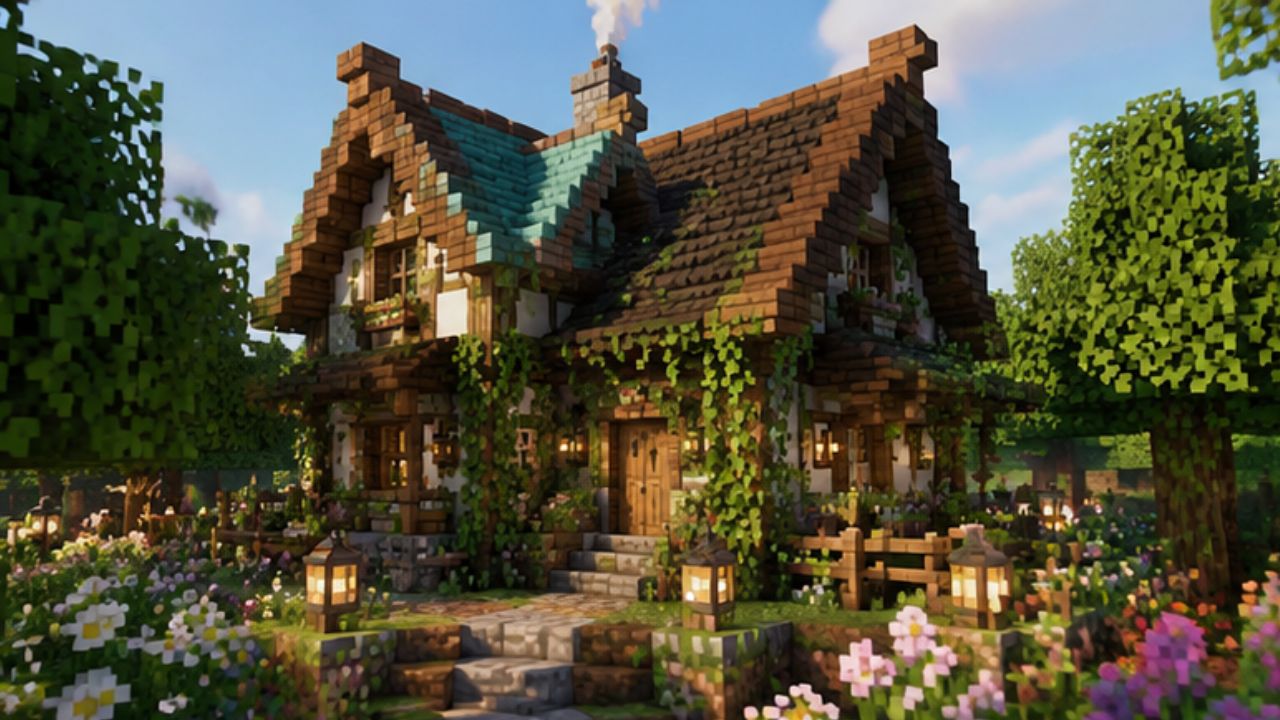
Cottagecore Minecraft Builds Some Minecraft builds impress because of their size. Cottagecore builds stand out for a different reason—they feel welcoming. A small stone chimney with smoke drifting into the sky, flower beds spilling over narrow paths, and warm lantern light glowing through wooden windows can make a simple house more memorable than a towering castle. That sense of comfort is exactly why the cottagecore style has become one of the most popular building trends in Minecraft.
The appeal isn’t about using rare materials or creating enormous structures. It’s about combining natural textures, thoughtful landscaping, and practical design into a home that feels as though it belongs in the surrounding landscape. A cottage tucked into a flower forest or beside a peaceful lake tells a story before anyone even steps inside.
Cottagecore Minecraft Builds If you’ve admired cottagecore builds online but weren’t sure where to begin—or you’ve already built a few cottages and want them to feel more authentic—the details below will help you create builds that look charming, functional, and uniquely your own.
What Makes a Cottagecore Minecraft Build Feel Authentic?
Many players assume cottagecore simply means placing flowers around a wooden house. That’s a start, but the style has much more depth. The most convincing builds feel as though nature and architecture developed together over time.
Material choice plays a huge role. Oak and spruce are popular because their warm colours complement mossy stone, cobblestone, and natural vegetation. Instead of using one block repeatedly, experienced builders mix textures to avoid flat surfaces. Small patches of moss, cracked stone, and coarse dirt introduce subtle imperfections that make a house appear older and more believable.
Cottagecore Minecraft Builds Another feature many tutorials overlook is scale. Cottagecore homes rarely need massive rooms or towering ceilings. Smaller interiors often feel cosier and are easier to decorate without leaving awkward empty spaces. Narrow hallways, low beams, and compact bedrooms contribute to the atmosphere.
Lighting deserves just as much attention. Lanterns create softer, warmer illumination than torches, especially when combined with fireplaces or campfires. At night, this gentle glow transforms an ordinary house into something that genuinely feels lived in.
Perhaps the biggest difference between an average cottage and an exceptional one is restraint. Not every surface needs decoration. Leaving open grass, uneven terrain, and quiet corners allows the detailed areas to stand out naturally instead of competing for attention.
Choosing the Best Location and Block Palette
Cottagecore Minecraft Builds Before placing the first block, it’s worth spending time looking for the right biome. Location shapes the personality of the entire build far more than most players expect.
Flower Forests naturally provide colourful scenery with minimal effort. Meadows offer rolling hills that are ideal for layered landscaping, while Cherry Grove biomes create striking seasonal colour without requiring extensive decoration. Old-growth spruce forests produce darker, woodland-inspired cottages that suit players looking for a slightly rustic appearance.
The terrain matters just as much as the biome itself. A gentle slope creates opportunities for terraces, winding paths, and elevated gardens. Flat land may seem easier to build on, but it often requires extra work to achieve the same organic appearance.
Cottagecore Minecraft Builds The table below shows a few reliable block combinations that consistently work well.
| Style | Main Materials | Accent Blocks |
| Classic Cottage | Oak Planks, Cobblestone | Moss Blocks, Lanterns |
| Rustic Woodland | Spruce Logs, Stone Bricks | Leaves, Vines, Campfires |
| Fairy Cottage | Birch Wood, Moss | Pink Flowers, Azalea Leaves |
| Cherry Grove | Cherry Wood | Stone, Flower Pots, Lanterns |
Rather than collecting every decorative block available, focus on a small palette and repeat it throughout the build. Consistency creates harmony, while too many contrasting materials can make even technically impressive houses appear cluttered.
Building a Cottage That Looks Natural
Cottagecore Minecraft Builds Many beginner houses share the same problem: they’re perfectly square. While rectangles are practical, real cottages rarely have identical walls, evenly spaced windows, or completely symmetrical roofs.
Adding depth immediately improves the appearance of a build. Extend roof overhangs by one block, recess windows slightly, or allow a chimney to project beyond the wall instead of sitting flush with it. These small adjustments create shadows that make buildings appear more realistic.
Roofs deserve extra attention because they dominate the overall silhouette. A steep roof with gentle curves feels far more inviting than a flat design. Mixing stairs, slabs, and full blocks creates texture while preventing long, uninterrupted lines.
Entrances also deserve personality. Instead of placing a single wooden door in the centre of a wall, frame it with flower pots, lanterns, trapdoors, or climbing vines. A winding gravel path leading to the entrance naturally guides visitors through the landscape.
Cottagecore Minecraft Builds One design principle experienced builders often mention is to “build outward, not upward.” Cottagecore architecture celebrates modest proportions. Expanding with gardens, greenhouses, sheds, and small workshops usually feels more authentic than adding additional storeys.
Landscaping Is What Brings the Build to Life
A beautiful cottage sitting on perfectly flat grass rarely feels complete. The surrounding landscape is what transforms a structure into a believable home.
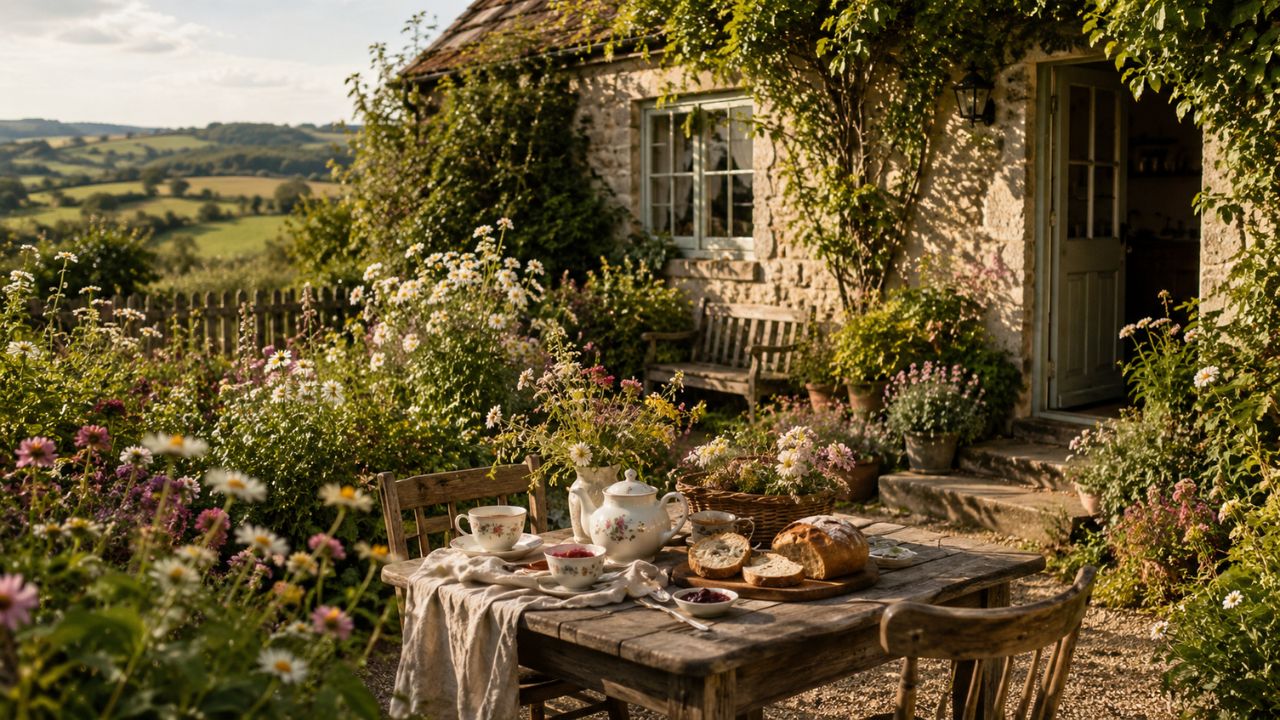
Natural paths are an excellent place to begin. Mixing gravel, coarse dirt, rooted dirt, and path blocks creates variation that resembles worn walking trails. Straight paths tend to look artificial, so allowing them to curve gently around flower beds and ponds makes the environment feel more organic.
Cottagecore Minecraft Builds Gardens should also appear slightly untidy. Instead of arranging flowers in perfectly straight rows, scatter different varieties in clusters. Tall grass, ferns, and small patches of moss soften transitions between decorative areas and untouched terrain.
Water features don’t need to be elaborate. A narrow stream crossed by a simple wooden bridge or a small pond surrounded by reeds can become a focal point without dominating the landscape.
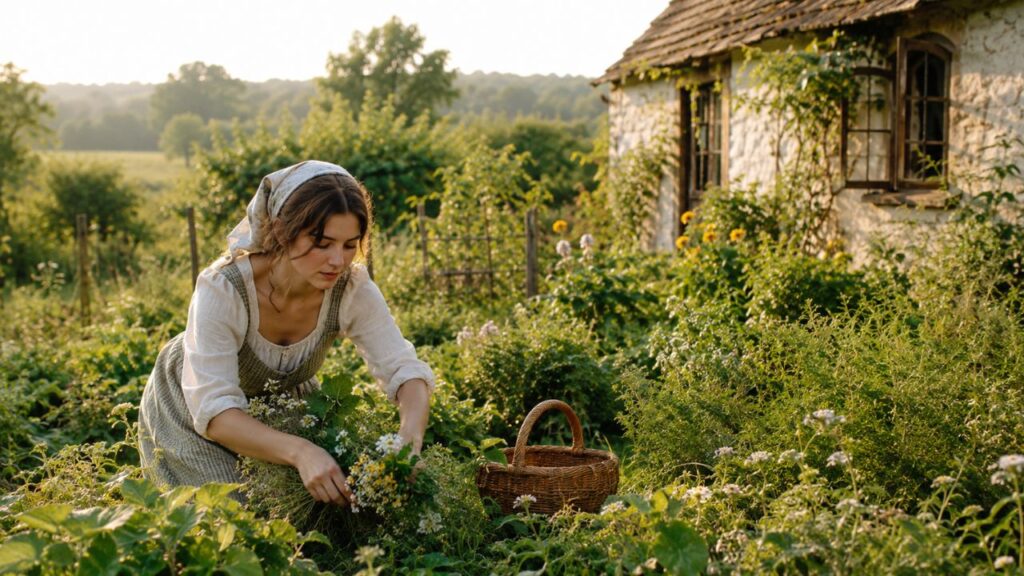
Many of the most memorable cottagecore worlds also include practical spaces woven into the scenery rather than hidden away. Vegetable gardens, beehives, composters, fenced chicken areas, and tiny orchards all contribute to the impression that people genuinely live there. These functional details make survival bases feel every bit as charming as creative-mode showcase builds.
Expanding Beyond a Single Cottage
Cottagecore Minecraft Builds Once you’ve built one cosy home, it’s tempting to keep adding larger structures. The better approach is to think about how people would actually use the space. A cottage becomes far more interesting when it’s part of a small settlement with buildings that each serve a purpose.
A greenhouse is often the natural next step. Glass panes, mossy stone, and wooden beams create a light, airy structure that’s both decorative and practical. Nearby, a modest barn with hay bales, animal pens, and storage adds variety without overwhelming the landscape. If your world includes a river, consider a small watermill. It introduces movement and gives the impression that the village has grown over time around natural resources.
Cottagecore Minecraft Builds As your project expands, avoid placing buildings at equal distances from one another. Villages that feel lived in usually have winding paths, uneven spacing, and little pockets of greenery between structures. These gaps are just as important as the buildings themselves because they create breathing room and make every corner worth exploring.
Players often focus on making every building unique, but repeating certain design elements actually ties the entire settlement together. Similar roof styles, matching lantern posts, and a consistent block palette create visual harmony while still allowing each building to have its own character.
Creating Warm and Functional Interiors
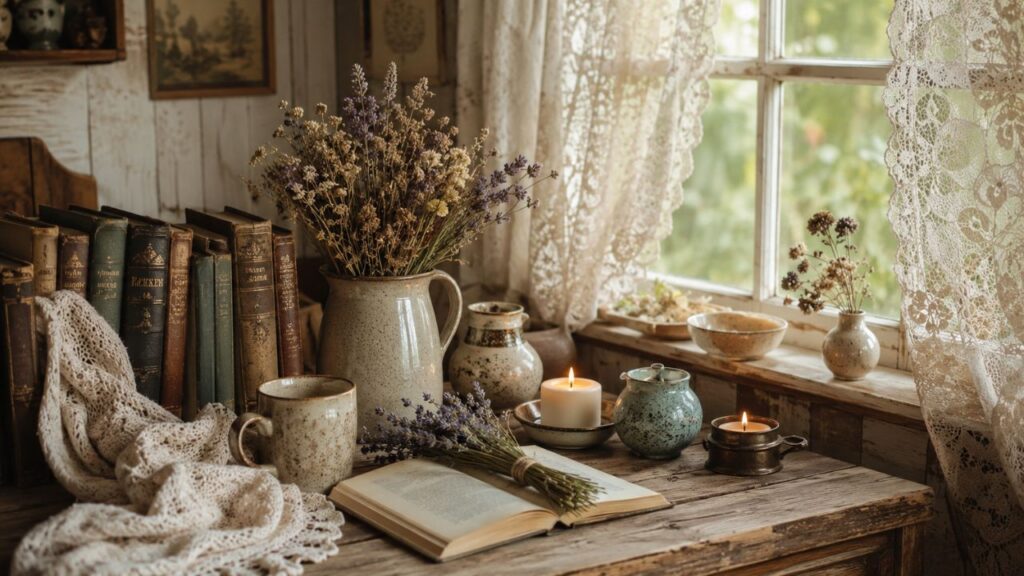
Cottagecore Minecraft Builds The exterior attracts attention first, but interiors are what make a cottage memorable. Empty rooms are one of the most common reasons beautiful builds feel unfinished.
Instead of filling every wall with furniture, think about how each room would be used. A kitchen might include barrels for storage, smokers, furnaces, composters, and shelves made from trapdoors. A bedroom can feel inviting with bookshelves, flower pots, carpets, and a window overlooking the garden rather than a blank wall.
Layering decorations creates depth. A single flower pot looks pleasant, but placing it beside candles, framed maps, or a bookshelf tells a richer story. The same principle applies to living spaces. Chairs made from stairs, tables built with trapdoors, and small reading corners make rooms feel personal instead of purely decorative.
Cottagecore Minecraft Builds Storage should also blend into the design. Rather than lining walls with identical chests, hide storage beneath stairs, behind custom cabinets, or inside attic spaces. These practical solutions preserve the cosy atmosphere without sacrificing functionality, especially in Survival Mode.
Lighting deserves careful attention indoors as well. Lanterns hanging from wooden beams, candles placed on shelves, and fireplaces in communal areas create a soft glow that complements the cottagecore aesthetic far better than exposed torches.
Small Details That Separate Good Builds from Great Ones
Cottagecore Minecraft Builds Many experienced Minecraft builders spend as much time refining details as they do constructing the main structure. These finishing touches rarely appear dramatic on their own, yet together they create a world that feels believable.
A weathered roof with occasional moss blocks suggests age. A chimney that releases campfire smoke makes the house appear occupied. Window boxes filled with flowers soften wooden walls, while vines creeping up stone foundations help buildings blend naturally into the environment.
Don’t overlook the surrounding wildlife, either. Bee nests near flower gardens, chickens wandering enclosed yards, and small ponds with lily pads add movement that static builds often lack. These features make the landscape feel alive without requiring complicated redstone or custom mechanics.
One mistake many players make is decorating every available surface. Real countryside homes have open spaces, patches of wild grass, and areas where nature grows freely. Leaving parts of your build intentionally simple creates contrast and allows decorative features to stand out.
If you’re building in Survival Mode, embrace gradual improvement. Some of the most charming cottagecore worlds evolve over dozens of gameplay sessions, with each new garden, fence, or pathway reflecting the player’s journey rather than appearing instantly complete.
Why Cottagecore Continues to Inspire Minecraft Builders
Cottagecore Minecraft Builds has introduced countless new blocks, biomes, and decorative options over the years, making detailed building styles more accessible than ever. At the same time, cottagecore has become one of the internet’s most recognisable aesthetics, celebrated for its focus on simplicity, nature, and slow living. Those ideas translate remarkably well into Minecraft, where creativity often comes from working with the landscape rather than against it.
That’s one reason cottagecore communities remain so active across YouTube, Pinterest, Reddit, and other creative platforms. Builders continue sharing new block combinations, seasonal colour palettes, and inventive landscaping techniques inspired by game updates. The addition of cherry blossom biomes, expanded decorative blocks, and richer vegetation has only broadened the possibilities for players who enjoy creating peaceful, story-filled environments.
Perhaps the greatest strength of the style is its flexibility. A tiny starter house can embody cottagecore just as successfully as a sprawling village. Success isn’t measured by size but by atmosphere. When every path, garden, and room feels connected to its surroundings, the build becomes somewhere players genuinely enjoy returning to after each adventure.
Conclusion
Cottagecore Minecraft Builds The most memorable cottagecore Minecraft builds aren’t necessarily the biggest or the most complex. They’re the ones that feel comfortable, intentional, and connected to the landscape around them. Careful block choices, layered landscaping, warm lighting, and thoughtfully designed interiors all contribute to that welcoming atmosphere.
Start with a simple cottage, let the surrounding environment guide your decisions, and expand naturally over time. A greenhouse here, a winding path there, perhaps a small barn or a lakeside dock later on. Before long, you’ll have more than a collection of buildings—you’ll have a world that feels peaceful, lived in, and entirely your own.
Frequently Asked Questions
What blocks work best for cottagecore Minecraft builds?
Oak, spruce, cobblestone, stone bricks, moss blocks, lanterns, leaves, trapdoors, flower pots, and azalea leaves are among the most popular choices. Mixing textures usually produces a more natural appearance than relying on a single material.
Which biome is ideal for a cottagecore house?
Flower Forests, Cherry Grove biomes, Meadows, Taiga regions, and old-growth spruce forests all complement the cottagecore style. The best choice depends on whether you prefer colourful gardens, woodland scenery, or open countryside.
Can I build a cottagecore house in Survival Mode?
Absolutely. Many cottagecore designs are compact and resource-friendly, making them excellent Survival bases. You can begin with a modest starter cottage and gradually expand into gardens, workshops, barns, and even a complete village as resources become available.
How can I make my cottage look more realistic?
Avoid perfect symmetry, vary your block textures, add roof overhangs, use warm lighting, and spend time on landscaping. Small details such as flower boxes, chimneys, winding paths, and natural vegetation often have a greater impact than making the house itself larger.
Do I need shaders to achieve the cottagecore aesthetic?
No. Shaders can enhance lighting and colours, but thoughtful design is far more important. A well-planned cottage using balanced materials, natural landscaping, and cosy interiors will capture the cottagecore atmosphere even with Minecraft’s default graphics.