

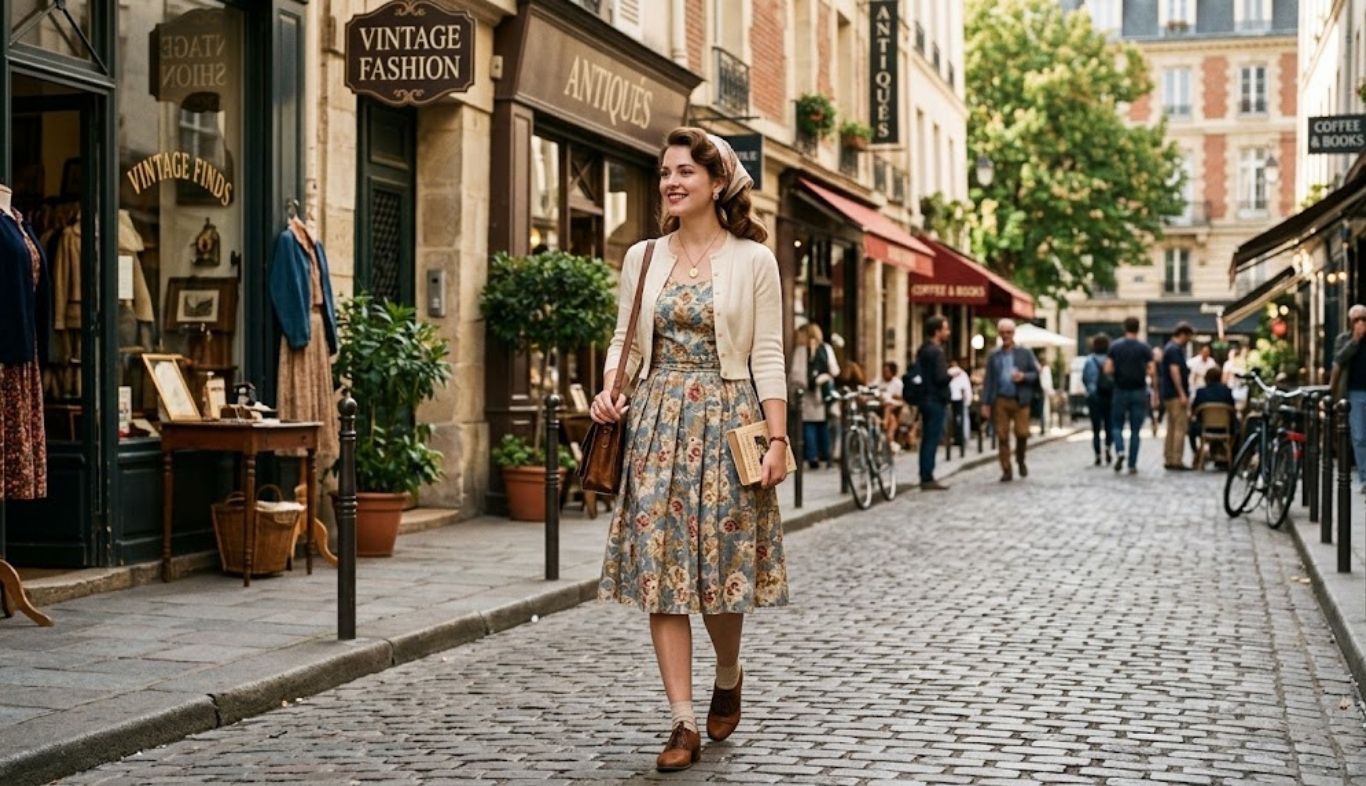
Vintage Fashion has a special ability to make clothing feel personal, expressive, and timeless. Instead of following every short-lived trend, vintage style invites people to explore garments inspired by earlier decades and discover what makes those periods memorable. From elegant 1930s dresses to structured 1940s tailoring, playful 1950s silhouettes, and colorful 1970s prints, every era has its own visual language. That’s what makes vintage clothing so fascinating. You aren’t simply wearing an old-looking garment; you’re bringing a piece of fashion history into a modern wardrobe.
The appeal has also grown because shoppers increasingly value individuality. When everyone can purchase the same trend from the same online store, finding an unusual vintage blouse or distinctive handbag can make an outfit feel much more personal. Vintage fashion also connects clothing with history. The Metropolitan Museum of Art’s Costume Institute describes fashion as something that can connect the past, present, and future, showing how older garments continue to influence modern design.
The good news is that you don’t need an entirely vintage wardrobe to enjoy the aesthetic. A vintage-inspired dress can work with modern sneakers. An old leather handbag can complement contemporary denim. Even a simple scarf can introduce retro character to an otherwise modern outfit. So, whether you’re new to retro clothing or already love collecting pieces from different decades, understanding the foundations of vintage style can help you create outfits that look intentional rather than costume-like.
What Is Vintage Fashion?
Vintage fashion generally refers to clothing, accessories, and styling associated with an earlier period, particularly garments that are old enough to represent the design characteristics of their era. There’s an important distinction between vintage, retro, and antique.
| Term | General Meaning |
|---|---|
| Vintage | Older clothing associated with a recognizable fashion period |
| Retro | Newer clothing designed to imitate an older style |
| Antique | Usually refers to objects considerably older than typical vintage pieces |
| Vintage-inspired | Modern clothing borrowing details from historical fashion |
The exact age used to classify a garment as vintage can vary among sellers, collectors, and fashion communities. Therefore, the word isn’t always used in exactly the same way. What matters most is the relationship between the garment and its historical style.
Vintage clothing may feature construction techniques, fabrics, silhouettes, prints, buttons, labels, or details that are characteristic of a particular decade. These elements can make an item feel noticeably different from mass-produced contemporary clothing.
Another defining feature is individuality. Vintage pieces were created under different manufacturing conditions, design philosophies, and cultural influences. As a result, two garments from the same decade can still look surprisingly different.
Fashion history also shows that styles rarely disappear completely. Designers frequently reinterpret older ideas rather than inventing everything from scratch. The Met’s research demonstrates how historical silhouettes, techniques, and materials repeatedly reappear in later fashion. That cyclical nature is one reason vintage fashion remains relevant today.
Why Vintage Fashion Remains Popular
Vintage fashion isn’t popular simply because old clothes look nostalgic. Its appeal comes from several powerful factors.
Individuality
Modern retail often produces clothing in enormous quantities. Vintage pieces, on the other hand, can be much harder to duplicate. Wearing a distinctive vintage jacket or printed dress can help you build a recognizable personal style.
Nostalgia
Vintage clothing can remind people of a particular decade, movie, music scene, family memory, or cultural moment. Even people who didn’t live through the period can feel connected to it through photographs, films, music, and popular culture.
Craftsmanship
Some older garments demonstrate construction techniques and finishing details that are less common in inexpensive modern clothing. Strong seams, quality buttons, lined jackets, carefully placed patterns, and detailed stitching can all increase the appeal of an older garment.
Sustainability
Buying pre-owned clothing gives an existing garment another opportunity to be worn instead of automatically purchasing something new.
However, vintage shopping shouldn’t automatically be described as sustainable in every situation. The environmental impact depends on factors such as how often the garment is used, how it is transported, how it is cleaned, and whether buying it actually replaces a new purchase.
Historical Interest
Clothing records cultural changes. The silhouette of a garment can reflect technology, social expectations, economic conditions, entertainment, and changing ideas about identity.
The Met’s Costume Institute, for example, organizes fashion objects as evidence of changing design and cultural history across centuries.
The Evolution of Vintage Style
Understanding vintage fashion becomes much easier when you look at it decade by decade. Fashion doesn’t change overnight on January 1 of a new decade. Trends overlap. Older styles continue while new ones develop. Nevertheless, certain periods have recognizable characteristics.
| Era | Common Style Characteristics |
|---|---|
| 1920s | Drop waists, beading, fringe, shorter hemlines |
| 1930s | Bias cuts, elegance, longer silhouettes |
| 1940s | Tailoring, practical separates, defined shoulders |
| 1950s | Full skirts, fitted waists, polished dresses |
| 1960s | Mini skirts, geometric prints, youthful styling |
| 1970s | Flared trousers, bohemian pieces, earthy patterns |
| 1980s | Strong shoulders, bold shapes, statement dressing |
| 1990s | Minimalism, denim, relaxed silhouettes |
The 20th century is particularly important because fashion changed rapidly. The Met notes that the pace of fashion accelerated during the 19th century and that technology, industrialization, and changing production methods affected clothing development.
By the 20th century, social change, mass media, cinema, music, and youth culture further accelerated the spread of new styles. Let’s look at some of the most influential vintage decades.
1920s Vintage Fashion
The 1920s are often associated with glamorous parties, jazz culture, Art Deco design, and the famous flapper aesthetic. Women’s fashion moved toward straighter silhouettes, with dresses often emphasizing movement rather than tightly shaping the waist.
Common details included:
- Beading
- Fringe
- Sequins
- Drop waists
- Decorative headbands
- Cloche hats
- T-bar or Mary Jane-style shoes
- Long necklaces
Evening clothing could be highly decorative, while daytime outfits were often more practical. The decade’s aesthetic works particularly well for parties and special occasions. A modern outfit can also borrow the influence without becoming a complete period costume.
For example, try a simple black dress with geometric earrings, a beaded handbag, and low-heeled shoes. The result feels inspired by the 1920s without looking like you’re heading to a historical reenactment.
1930s Vintage Fashion
The 1930s brought a more elongated and sophisticated silhouette. Compared with the straighter shapes of the previous decade, clothing often emphasized elegance, draping, and the natural movement of fabric. Bias-cut dresses became especially influential. This construction technique allowed fabric to follow the body differently from traditionally cut garments.
Hollywood also played a major role in shaping fashion aspirations. Glamorous evening dresses, flowing fabrics, elegant sleeves, and sophisticated accessories became visually powerful references. For modern styling, a 1930s-inspired slip dress can be paired with a contemporary blazer or minimalist shoes. The key is balance. If the dress already has a dramatic silhouette, keep the accessories simple. If the outfit is understated, add one vintage-inspired statement accessory.
1940s Vintage Fashion
The 1940s were shaped by major global events, including World War II. Fashion became more practical in many contexts, with tailored silhouettes, defined shoulders, trousers, skirts, and utility-minded clothing becoming important. Women’s clothing frequently emphasized structured shoulders and a defined waist.
Popular pieces included:
- Tailored jackets
- High-waisted trousers
- Pencil skirts
- Button-front dresses
- Simple blouses
- Structured handbags
- Practical shoes
The decade demonstrates how fashion can respond to social and economic conditions. The Met notes that cultural changes surrounding World War I had already contributed to simpler and less restrictive women’s fashions in the early 20th century.
For a modern 1940s-inspired outfit, combine high-waisted trousers with a tucked-in blouse and structured jacket. Add a small handbag and simple leather shoes. It’s polished without being overdone.
1950s Vintage Fashion
The 1950s remain one of the most recognizable eras in vintage style. Think fitted waists, full skirts, feminine dresses, cardigans, tailored jackets, and carefully coordinated accessories. The decade is particularly useful for people who enjoy a polished and traditionally feminine aesthetic.
Popular pieces include:
- Fit-and-flare dresses
- Circle skirts
- Pencil skirts
- Cropped cardigans
- Peter Pan collars
- Waist belts
- Ballet flats
- Cat-eye sunglasses
The famous postwar silhouette is often associated with Christian Dior’s New Look, although the decade contained many different approaches to clothing. The Met’s research on 20th-century silhouettes notes the importance of the New Look while also pointing out that less structured American sportswear existed alongside it. This is a useful reminder: vintage fashion isn’t one single uniform look.
If you love 1950s style but dislike extremely formal outfits, try a modern midi skirt with a fitted knit top. Add a belt and simple flats for a subtle retro effect.
1960s Vintage Fashion
The 1960s introduced a dramatically youthful energy. Fashion became increasingly connected to youth culture, music, modern art, and changing social attitudes.
Mini skirts became one of the decade’s most recognizable developments. The Met’s research notes the importance of the miniskirt and designers such as Mary Quant and André Courrèges in the changing silhouette of the period.
Other recognizable features included:
- Geometric patterns
- Shift dresses
- Go-go boots
- Bold color combinations
- Short skirts
- Graphic prints
- Statement sunglasses
The decade is perfect for people who prefer playful vintage fashion. You can recreate the aesthetic with a simple shift dress, ankle boots, geometric earrings, and a structured handbag.
1970s Vintage Fashion
The 1970s were wonderfully diverse. Bohemian clothing, disco glamour, punk influences, tailored pieces, denim, and earthy casualwear all existed during the decade.
Common elements included:
- Flared trousers
- Bell sleeves
- Suede
- Denim
- Crochet
- Floral prints
- Earth tones
- Platform shoes
- Wide belts
The bohemian side of 1970s style is especially easy to incorporate today. Try pairing wide-leg jeans with a loose printed blouse, ankle boots, and a vintage-inspired shoulder bag. For evening wear, sequins and metallic details can create a completely different 1970s mood.
Essential Vintage Clothing Pieces
You don’t need dozens of old garments to build a strong vintage wardrobe. Start with versatile pieces that can work with contemporary clothing.
1. Vintage Dress
A dress is often the easiest way to create an obvious vintage-inspired outfit. Look for a flattering silhouette rather than focusing only on age.
2. Tailored Jacket
A structured jacket can transform simple jeans and a T-shirt into a polished outfit.
3. High-Waisted Trousers
High-waisted trousers can work with both retro and contemporary tops.
4. Vintage Blouse
Printed or textured blouses add character without overwhelming the outfit.
5. Denim
Vintage denim can develop unique fading and texture that makes each pair distinctive.
6. Knitwear
Cardigans and sweaters are practical choices because they can easily be combined with modern clothing.
7. Statement Coat
A vintage coat can become the centerpiece of an entire winter wardrobe. When shopping, prioritize fit, condition, construction, and versatility over simply finding the oldest possible item.
Vintage Fabrics and Patterns
Fabric can tell you a lot about the character of a garment. Depending on the period, you may encounter cotton, wool, silk, rayon, linen, polyester, velvet, leather, and many other materials. Patterns can also strongly influence the decade a garment evokes.
| Pattern | Common Vintage Association |
|---|---|
| Polka dots | 1940s–1950s |
| Florals | Many decades, especially 1940s–1970s |
| Plaid | Various periods |
| Geometric prints | Especially 1960s |
| Paisley | Strong 1960s–1970s association |
| Stripes | Broad historical use |
| Animal-inspired prints | Particularly visible in mid-to-late 20th-century fashion |
Don’t assume a pattern automatically proves a garment’s age. Modern brands frequently reproduce vintage-inspired prints. Labels, fabric composition, stitching, closures, and construction should all be considered together.
Vintage Accessories
Accessories can completely change an outfit. In fact, you can create a vintage-inspired look without wearing a single vintage garment.
Consider:
- Silk scarves
- Brooches
- Pearl necklaces
- Cat-eye sunglasses
- Structured handbags
- Leather belts
- Vintage watches
- Decorative hair accessories
- Classic loafers
- Mary Jane shoes
A scarf is especially useful because it can be worn around the neck, tied to a handbag, used as a head accessory, or wrapped around the handle of a tote. The trick is not to use every retro accessory at once. Choose one or two focal pieces and allow the rest of the outfit to breathe.
How to Style Vintage Fashion Today
The easiest way to wear vintage fashion successfully is to combine historical pieces with modern basics.
Try the 70/30 Rule
A useful styling approach is to make roughly 70% of an outfit contemporary and 30% vintage-inspired.
For example:
Look 1: Vintage blouse + modern straight-leg jeans + contemporary sneakers.
Look 2: Modern black trousers + vintage blazer + simple T-shirt.
Look 3: Vintage dress + modern leather jacket + ankle boots.
Look 4: Modern denim + vintage scarf + classic handbag.
This approach prevents the outfit from becoming too theatrical. Another important principle is proportion. If you wear a voluminous vintage skirt, consider a more fitted modern top. If the jacket is oversized, balance it with slimmer trousers. Color coordination matters too. Choose a limited palette rather than mixing every vintage print you own. Remember, vintage style should feel like your style.
How to Shop for Vintage Clothing
Vintage shopping can be exciting, but it requires patience. Before purchasing something, inspect it carefully.
Check the Condition
Look for:
- Stains
- Holes
- Loose seams
- Missing buttons
- Broken zippers
- Fabric thinning
- Odors
- Discoloration
Some problems are easy to repair. Others may make a garment too expensive or impractical to restore.
Check the Measurements
Vintage sizing doesn’t always correspond to modern sizing. Never rely only on the size label.
Measure:
- Bust
- Waist
- Hips
- Shoulder width
- Sleeve length
- Garment length
- Inseam, when applicable
Then compare those measurements with a garment you already own that fits well.
Ask Questions
When buying from a specialist seller, ask about:
- Approximate age
- Fabric
- Alterations
- Repairs
- Condition
- Provenance, if relevant
A trustworthy seller should be transparent about significant flaws.
Consider Cost Per Wear
A rare garment isn’t automatically a good purchase. A $30 item you wear 30 times may provide more value than a $200 item you wear once. That’s a simple rule, but it can save you from impulse purchases.
How to Identify Quality Vintage Clothing
Identifying vintage clothing takes practice. Start by examining the garment’s construction.
Labels
Older labels can provide useful clues about a garment’s manufacturer, location, or approximate period. However, labels alone don’t prove age.
Seams
Look at how seams are finished. High-quality construction generally shows attention to detail, although manufacturing standards varied considerably across decades and price categories.
Closures
Buttons, snaps, hooks, zippers, and other closures can provide historical clues. Again, these clues should be considered alongside the rest of the garment.
Fabric
Fabric composition and texture can help narrow down an item’s age and quality.
Silhouette
The overall cut is one of the strongest visual clues. A 1950s-inspired full skirt looks very different from a 1970s flared trouser silhouette or a 1960s shift dress. Historical collections are useful references because museums preserve garments specifically as evidence of changing fashion. The Met’s Costume Institute, for example, maintains extensive collections spanning different periods and design traditions.
Common Vintage Fashion Mistakes
Vintage styling can go wrong when every element points to the same historical period. Here are common mistakes to avoid.
Wearing Too Many Retro Elements
A vintage dress, hat, gloves, handbag, shoes, hairstyle, and makeup combination can easily become costume-like. Choose a focal point.
Ignoring Fit
A beautiful garment won’t look its best if it doesn’t fit properly. Minor alterations can sometimes transform a good vintage purchase into an excellent one.
Assuming Old Means High Quality
Age doesn’t automatically equal craftsmanship. Some vintage clothing was inexpensive mass-market clothing, just as some modern clothing is exceptionally well made.
Ignoring Fabric Care
Older textiles may require special handling. Always check the care label when available, and when there isn’t one, research the material before washing.
Buying Only for Rarity
A rare piece that doesn’t fit your lifestyle may spend years sitting in your closet. Buy pieces you’ll actually wear.
Vintage Fashion and Sustainability
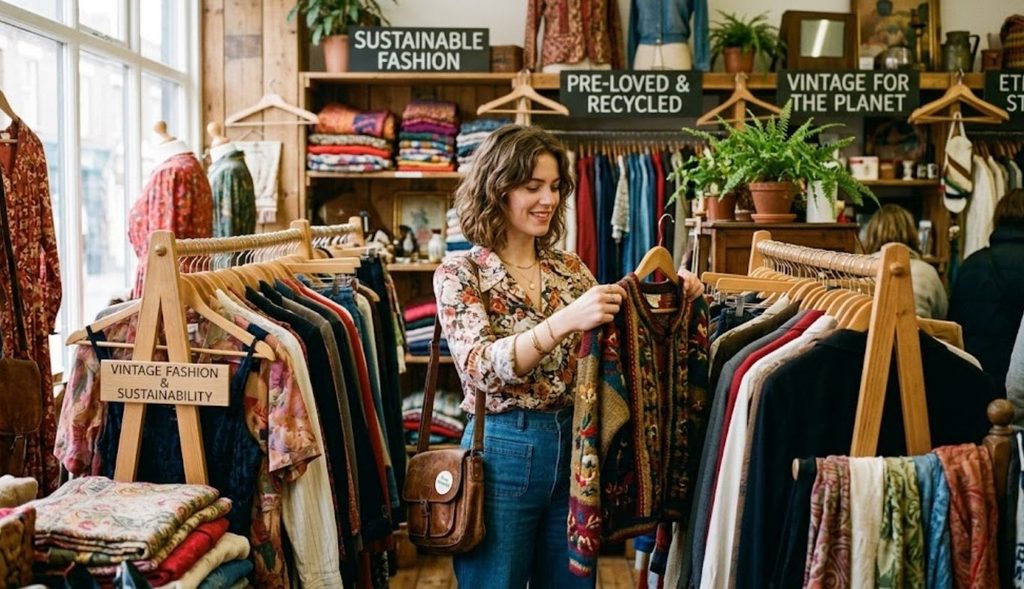
Vintage fashion has an obvious relationship with reuse. Instead of producing another garment from new materials, buying pre-owned clothing can extend the useful life of something that already exists. However, responsible consumption requires more than simply using the word “vintage.”
A sustainable wardrobe also considers:
- How often clothing is worn
- How garments are maintained
- Whether items can be repaired
- How long they remain useful
- Whether unnecessary purchases are avoided
- How clothing is eventually reused or disposed of
The strongest approach is to buy thoughtfully. If you purchase a vintage jacket because it works with ten outfits in your existing wardrobe, you’re likely to get much more value from it than if you buy five pieces simply because they’re interesting.
Vintage also demonstrates an important fashion principle: good style doesn’t necessarily require constant newness. The Met’s fashion exhibitions frequently highlight the way designers revisit historical ideas and reinterpret earlier garments through new materials, silhouettes, and techniques.
Vintage Fashion Outfit Ideas
If you’re unsure where to begin, these combinations are easy starting points.
| Occasion | Vintage-Inspired Outfit |
|---|---|
| Everyday | Vintage blouse + jeans + loafers |
| Office | Tailored vintage blazer + trousers + simple top |
| Date Night | Retro midi dress + modern heels |
| Weekend | Vintage graphic tee + denim + sneakers |
| Party | Beaded dress + simple accessories |
| Winter | Vintage coat + knitwear + modern boots |
| Summer | Floral dress + sandals + woven bag |
The key is adaptability. Don’t think of vintage clothing as something you can wear only with other vintage pieces. A great vintage garment should have a place in your everyday wardrobe.
Frequently Asked Questions
1. What is vintage fashion?
Vintage fashion refers to clothing and accessories associated with earlier periods, particularly garments that reflect the distinctive design characteristics of a historical era.
2. How old does clothing have to be to be vintage?
There isn’t one universal age requirement. Different sellers and fashion communities use the term differently. In general, vintage refers to older garments with recognizable historical characteristics rather than simply anything that isn’t new.
3. What is the difference between vintage and retro fashion?
Vintage generally refers to older original garments, while retro usually describes newer clothing designed to imitate or reference an earlier style.
4. Which decade is best for vintage fashion?
There’s no single best decade. The 1920s are great for glamour, the 1940s for tailoring, the 1950s for feminine silhouettes, the 1960s for youthful graphics, and the 1970s for bohemian and expressive looks.
5. How can I wear vintage clothing without looking outdated?
Combine one or two vintage pieces with modern basics. For example, pair a vintage blouse with contemporary denim or a vintage blazer with modern trousers.
6. Is vintage clothing sustainable?
It can support more conscious consumption by extending the life of existing garments, but sustainability depends on factors such as purchasing habits, garment use, maintenance, transportation, and disposal.
7. How can I tell whether vintage clothing is authentic?
Examine the label, construction, fabric, closures, stitching, silhouette, and overall design. No single detail proves authenticity, so multiple clues should be considered together.
8. Where can I learn more about fashion history?
Museum collections are excellent resources. The Metropolitan Museum of Art’s Costume Institute provides extensive material on fashion history and historical garments. You can also explore The Metropolitan Museum of Art’s fashion collection and exhibitions for additional historical references.
9. Can men wear vintage fashion?
Absolutely. Vintage fashion includes men’s tailoring, shirts, trousers, coats, knitwear, accessories, footwear, and sportswear. Classic pieces can be mixed with modern clothing for a balanced appearance.
10. What is the easiest vintage piece to start with?
A vintage-inspired blouse, jacket, scarf, handbag, or pair of trousers is often easier to incorporate than a complete head-to-toe vintage outfit.
Conclusion
Vintage Fashion is much more than wearing old clothes. It’s a way to explore history, express individuality, experiment with silhouettes, and build a wardrobe that doesn’t depend entirely on today’s trends. The best vintage outfits aren’t necessarily the most historically accurate ones. They’re the ones that combine the character of the past with the practicality of modern life.
Start small. Try a vintage scarf, a structured handbag, a classic blazer, or a retro-inspired dress. Learn which decades appeal to you, study fabrics and construction, and pay attention to fit. Most importantly, don’t be afraid to make vintage fashion your own. Fashion has always moved in cycles, borrowing from earlier generations while creating something new. That’s precisely why vintage style continues to feel fresh. The past isn’t finished with fashion. It’s still influencing what we wear today.