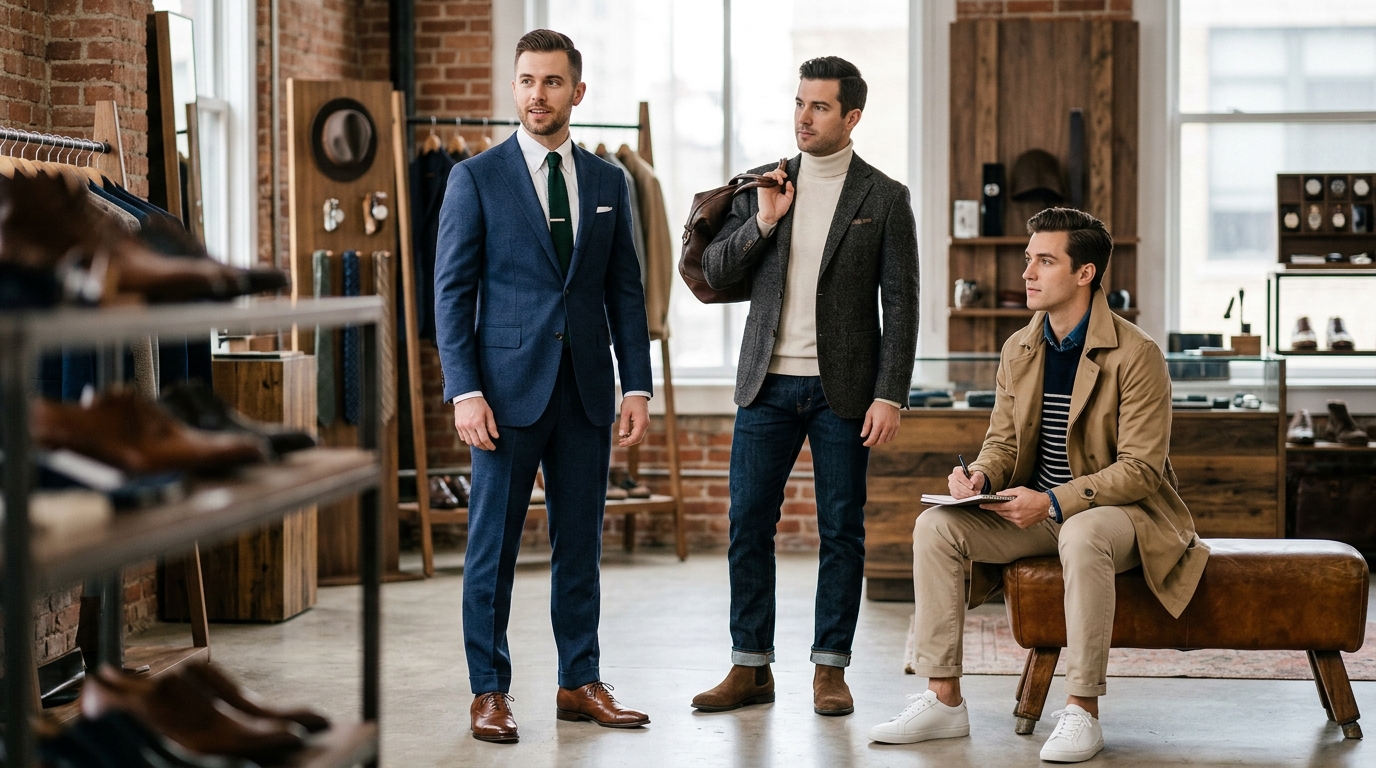
Men’s Clothing Styles have become more diverse than ever. A man’s wardrobe no longer has to fit into one strict category. You can wear tailored trousers with sneakers, combine a blazer with jeans, or pair a vintage jacket with modern basics. The key is understanding what each style communicates and knowing how to adapt it to your lifestyle. Fashion trends change quickly, but good personal style is more lasting. Current menswear coverage continues to emphasize foundational pieces, comfortable proportions, versatile basics, and personal expression rather than simply copying every trend.
Whether you’re dressing for an office, date, wedding, weekend trip, or ordinary day, learning different clothing aesthetics gives you more freedom. So, let’s explore 17 popular men’s styles and discover how to make each one work.
1. Classic Men’s Clothing Style
Classic style is the foundation of a strong men’s wardrobe. It focuses on timeless garments rather than short-lived trends. Think navy blazers, white Oxford shirts, straight-leg trousers, leather shoes, chinos, dark denim, and simple sweaters.
Key Pieces for Classic Style
- Navy blazer
- White or light-blue button-down shirt
- Straight-leg trousers
- Dark denim
- Leather loafers
- Oxford shoes
- Crewneck sweater
- Simple leather belt
- Classic wristwatch
The biggest advantage of classic clothing is versatility. A navy blazer can work at the office, dinner, or a semi-formal event. Similarly, dark jeans can transition from casual afternoons to evening plans. Classic doesn’t mean boring. In fact, small details such as fabric texture, fit, layering, and accessories can make a traditional outfit look distinctive.
The most important rule is fit. Even inexpensive clothing can look polished when the shoulders, sleeves, trousers, and overall proportions are right. For inspiration, GQ’s men’s style guide and wardrobe coverage offers useful examples of timeless menswear foundations.
2. Casual Men’s Clothing Style
Casual style is probably the most common category in everyday menswear. It prioritizes comfort while still looking intentional. A basic casual outfit might include a T-shirt, jeans, and sneakers. However, casual dressing can go much further.
Popular Casual Combinations
| Top | Bottom | Shoes |
|---|---|---|
| T-shirt | Jeans | Sneakers |
| Polo | Chinos | Loafers |
| Henley | Dark denim | Boots |
| Sweatshirt | Joggers | Sneakers |
| Casual shirt | Shorts | Canvas shoes |
Neutral colors such as white, black, navy, gray, beige, and olive make casual outfits easier to coordinate. However, don’t be afraid to introduce one statement piece. A textured overshirt, colorful sneaker, printed shirt, or interesting jacket can instantly give a simple outfit more personality. The secret is balance. If one item is loud, keep the rest of the outfit relatively simple.
3. Smart Casual Style
Smart casual sits between everyday casualwear and formal clothing. It’s one of the most useful styles because it works for restaurants, dates, creative workplaces, gatherings, and many social occasions.
A smart-casual outfit might combine:
- Oxford shirt
- Dark jeans
- Unstructured blazer
- Minimal sneakers
- Chinos
- Knit polo
- Loafers
- Fine-gauge sweater
For example, try a navy blazer over a plain white T-shirt with dark jeans and clean leather sneakers. Or choose beige chinos, a light-blue Oxford shirt, and brown loafers.
The goal isn’t to look overdressed. Instead, you’re creating a polished appearance without the stiffness of traditional formalwear.
4. Business Casual Style

Business casual has evolved considerably. Modern workplaces can include everything from traditional offices to creative studios and hybrid environments.
Current menswear guidance commonly places chinos, trousers, clean denim where permitted, button-up shirts, sweaters, blazers, loafers, and minimalist shoes within the broader business-casual conversation.
A Reliable Business-Casual Formula
Chinos + Oxford shirt + blazer + loafers It’s difficult to go wrong with this combination. For a more relaxed workplace, replace the blazer with a crewneck sweater. In a stricter office, choose tailored trousers, a structured jacket, and leather dress shoes. Avoid assuming that business casual means wearing whatever feels comfortable. Clothing should still appear clean, coordinated, and appropriate for the workplace.
5. Formal Men’s Clothing Style
Formalwear is designed for occasions where presentation matters. Examples include weddings, formal dinners, ceremonies, professional events, and black-tie occasions.
Formal Wardrobe Essentials
- Dark suit
- White dress shirt
- Formal trousers
- Silk or textured tie
- Leather dress shoes
- Dress belt
- Pocket square
- Cufflinks for appropriate occasions
A well-fitting navy or charcoal suit is one of the most useful investments a man can make. For black-tie events, the traditional choice is a tuxedo, formal shirt, bow tie, and appropriate dress shoes.
Don’t underestimate tailoring. A perfectly fitted affordable suit can look considerably better than an expensive suit that fits poorly.
6. Streetwear Style
Streetwear grew from urban youth culture and has developed into one of the most influential areas of contemporary fashion.
Typical streetwear elements include:
- Oversized T-shirts
- Hoodies
- Cargo trousers
- Sneakers
- Baseball caps
- Graphic shirts
- Bomber jackets
- Utility vests
Modern streetwear isn’t necessarily about wearing every oversized piece simultaneously. Proportion is important. For example, pair relaxed cargo trousers with a relatively clean T-shirt and structured jacket. Alternatively, wear a large hoodie with straight-leg trousers and simple sneakers. Streetwear gives men considerable freedom to experiment with color, graphics, proportions, and accessories.
7. Preppy Men’s Style
Preppy fashion takes inspiration from American and Ivy League clothing traditions. Classic pieces include Oxford shirts, chinos, loafers, rugby shirts, knit sweaters, blazers, striped shirts, and tailored shorts. GQ’s guide to modern preppy style highlights how traditional Ivy-inspired pieces can be combined with more relaxed contemporary proportions.
Easy Preppy Outfit
Oxford shirt + chinos + loafers + lightweight sweater You can also add a navy blazer for a more polished appearance. Preppy clothing doesn’t have to look overly traditional. Modern versions often use relaxed trousers, textured fabrics, vintage-inspired sneakers, and casual layering.
8. Minimalist Men’s Clothing Style
Minimalism is based on simplicity. Instead of having a wardrobe full of attention-grabbing pieces, minimalist dressing focuses on fewer garments that work together.
Minimalist Color Palette
- Black
- White
- Gray
- Navy
- Beige
- Brown
- Olive
A minimalist wardrobe might include five high-quality T-shirts, two pairs of trousers, dark jeans, a simple jacket, a neutral sweater, and versatile footwear. The beauty of minimalism is that getting dressed becomes easier. Most pieces can be combined without much thought. However, minimalist doesn’t mean low quality. Fabric, fit, construction, and texture become even more noticeable when an outfit has fewer visual elements.
9. Workwear Style
Workwear takes inspiration from clothing originally designed for physical labor and practical environments. Its defining characteristics include durability, utility, sturdy fabrics, and functional details.
Popular workwear pieces include:
- Chore jackets
- Carpenter pants
- Denim
- Canvas jackets
- Flannel shirts
- Utility trousers
- Work boots
- Heavy overshirts
Modern workwear doesn’t require you to work outdoors. It’s now an established fashion aesthetic. Try wearing a chore jacket with a plain T-shirt, straight-leg jeans, and boots. The result is rugged without looking like a costume.
10. Athleisure Style
Athleisure combines athletic clothing with everyday fashion. It became especially popular because people wanted clothes that could move easily between workouts, errands, travel, and casual activities.
Typical pieces include:
- Performance sneakers
- Joggers
- Technical jackets
- Sweatshirts
- Performance T-shirts
- Track pants
- Baseball caps
The challenge is making athleisure look intentional rather than like gym clothes worn outside. One simple solution is mixing athletic and traditional pieces.
For example: Technical sneakers + tapered trousers + plain T-shirt + lightweight jacket This combination keeps the comfort of sportswear while adding structure.
11. Vintage Men’s Style
Vintage style borrows elements from previous decades. You might choose 1950s-inspired trousers, 1970s shirts, 1980s denim jackets, or 1990s sportswear. The goal isn’t necessarily to recreate an entire historical outfit. Instead, take one or two vintage elements and combine them with contemporary basics.
Example
A vintage leather jacket can be worn with a plain white T-shirt, straight-leg jeans, and modern sneakers. This approach prevents the outfit from looking like a costume.
Vintage clothing also provides an opportunity to explore unique fabrics, construction methods, and silhouettes that aren’t always common in mainstream stores.
12. Rugged Men’s Clothing Style
Rugged style emphasizes masculine outdoor-inspired clothing. Think denim, leather, flannel, boots, waxed jackets, heavy sweaters, and earth-tone colors.
Rugged Color Palette
| Color | Common Use |
|---|---|
| Brown | Boots and leather |
| Olive | Jackets and trousers |
| Navy | Shirts and outerwear |
| Beige | Chinos and sweaters |
| Rust | Shirts and accessories |
| Charcoal | Denim and knitwear |
A rugged outfit doesn’t need to be complicated. Try dark jeans, a flannel shirt, a brown leather belt, and sturdy boots. For colder weather, add a waxed jacket or heavy wool coat.
13. Resort and Vacation Style
Resort style is relaxed, breathable, and ideal for warm climates.
Key pieces include:
- Linen shirts
- Camp-collar shirts
- Relaxed trousers
- Tailored shorts
- Lightweight polos
- Espadrilles
- Leather sandals
- Sunglasses
Color can play a larger role here. Cream, sky blue, tropical green, terracotta, and soft pink can work beautifully. The trick is choosing breathable fabrics. Linen and lightweight cotton are especially useful because they allow airflow while maintaining a polished appearance. For an effortless vacation look, try a cream linen shirt with relaxed trousers and minimal leather sandals.
14. Monochromatic Men’s Style
A monochromatic outfit uses different shades of one color.
For example: Black T-shirt + charcoal trousers + black jacket + black sneakers You can also experiment with beige, navy, gray, brown, or olive.
Monochromatic dressing creates visual consistency and can make an outfit look sophisticated without requiring complicated patterns. The key is introducing texture. A navy cotton shirt, wool trousers, suede shoes, and a textured jacket can all belong to the same color family while still creating visual depth.
15. Contemporary Men’s Style
Contemporary style reflects current fashion without necessarily following every trend. Today’s menswear continues to experiment with proportions. Relaxed trousers, roomier shirts, cropped or boxier tops, and updated tailoring are all part of the broader modern conversation.
Contemporary Outfit Formula
Try:
- Relaxed trousers
- Boxy T-shirt
- Structured overshirt
- Minimal sneakers
The important thing is restraint. You don’t need to adopt every new silhouette at once. Instead, introduce one contemporary element into an otherwise familiar outfit. This makes trends easier to wear and gives them a personal touch.
16. How to Choose Your Personal Clothing Style
Understanding different Men’s Clothing Styles is useful, but the real goal is finding what works for you.
Start by asking five questions:
- What do I wear most often?
- What environments do I dress for?
- Which colors do I naturally prefer?
- Which clothes make me feel comfortable?
- Which outfits receive positive feedback from me—not just others?
Personal style develops through experimentation. You don’t need to choose one permanent aesthetic. A man can wear minimalist clothing on Monday, smart casual clothing on Tuesday, streetwear on Saturday, and formalwear for a wedding. As style experts have noted, personal style is more about developing a point of view than simply copying what’s fashionable.
Build a Style Reference
Save photographs of outfits you genuinely like. After collecting 20–30 examples, look for patterns.
Maybe you consistently choose:
- Neutral colors
- Relaxed trousers
- Leather shoes
- Layered jackets
- Minimal patterns
Those patterns reveal your natural style direction.
17. Essential Men’s Wardrobe Pieces
Regardless of your preferred aesthetic, certain garments can form a strong foundation.
| Clothing Item | Why It Matters |
|---|---|
| White T-shirt | Works with almost everything |
| Dark jeans | Versatile casual foundation |
| Chinos | Smart-casual flexibility |
| Oxford shirt | Casual-to-polished versatility |
| Navy blazer | Easy layering |
| Neutral sweater | Useful for multiple seasons |
| Simple sneakers | Everyday footwear |
| Leather shoes | Formal and smart occasions |
| Versatile jacket | Adds structure and warmth |
| Tailored suit | Important for formal events |
The best wardrobe isn’t necessarily the biggest one. In fact, a smaller collection of versatile clothing can make daily dressing much easier. Current menswear coverage also continues to emphasize foundational basics such as white tees, jeans, chinos, sweaters, blazers, and versatile shoes.
Create a Three-Level Wardrobe
Level 1: Everyday basics T-shirts, jeans, casual sneakers, sweaters, and simple jackets.
Level 2: Elevated pieces Oxford shirts, chinos, loafers, blazers, and tailored trousers.
Level 3: Occasion clothing Suits, dress shirts, formal shoes, ties, and tuxedo pieces when necessary. This system keeps your closet organized and prevents unnecessary shopping.
Common Men’s Style Mistakes to Avoid
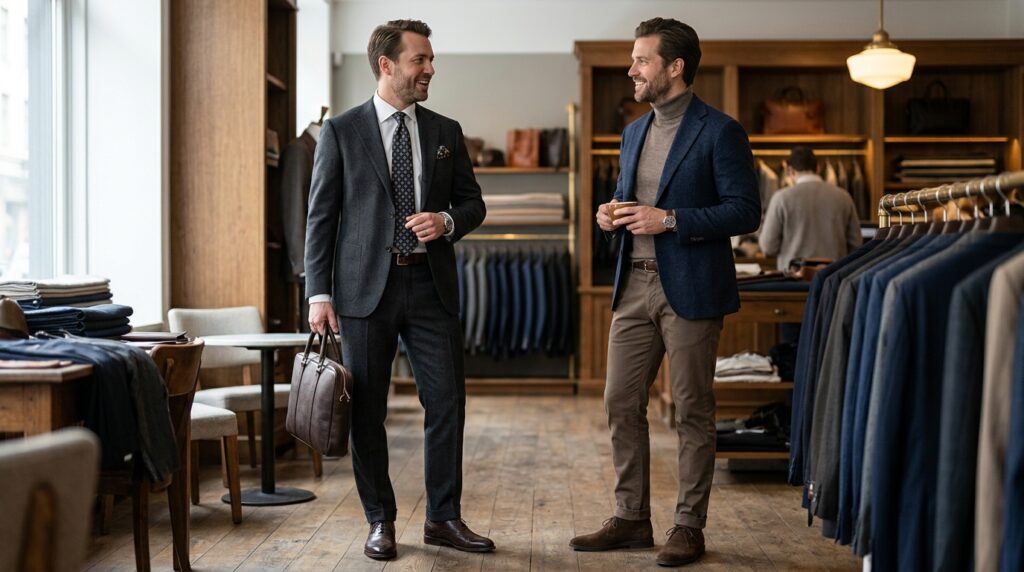
Even good clothing can look unpolished when a few basic principles are ignored.
1. Wearing the Wrong Size
Oversized and relaxed clothing can be stylish, but there’s a difference between intentional volume and clothing that simply doesn’t fit.
2. Ignoring Shoes
Shoes can dramatically change the appearance of an outfit. Dirty or inappropriate footwear can undermine an otherwise excellent look.
3. Following Every Trend
Trends can be fun, but buying every viral item can quickly create an expensive wardrobe that doesn’t feel personal.
4. Using Too Many Colors
Unless you’re intentionally experimenting, keeping an outfit to a few coordinated colors usually makes styling easier.
5. Forgetting Proportion
A very oversized top paired with extremely slim trousers can create an unbalanced silhouette unless you’re deliberately using contrast.
6. Neglecting Grooming
Clothing is only part of presentation. Clean shoes, neat hair, and basic garment care can make a major difference.
How to Improve Your Style on a Budget

You don’t need a luxury budget to dress well. Start with versatile basics.
Prioritize:
- Good fit
- Clean construction
- Neutral colors
- Versatile garments
- Proper clothing care
Instead of buying ten cheap shirts, consider buying fewer pieces that work with several outfits. For example, a navy polo can be worn with jeans, chinos, tailored trousers, or shorts. Similarly, a white Oxford shirt can work with a blazer, denim, chinos, or a sweater. The goal is cost per wear, not simply the number of clothes in your closet.
How to Build Outfits Using the 3-Piece Method
A simple way to make an outfit look more complete is to use three visible clothing elements.
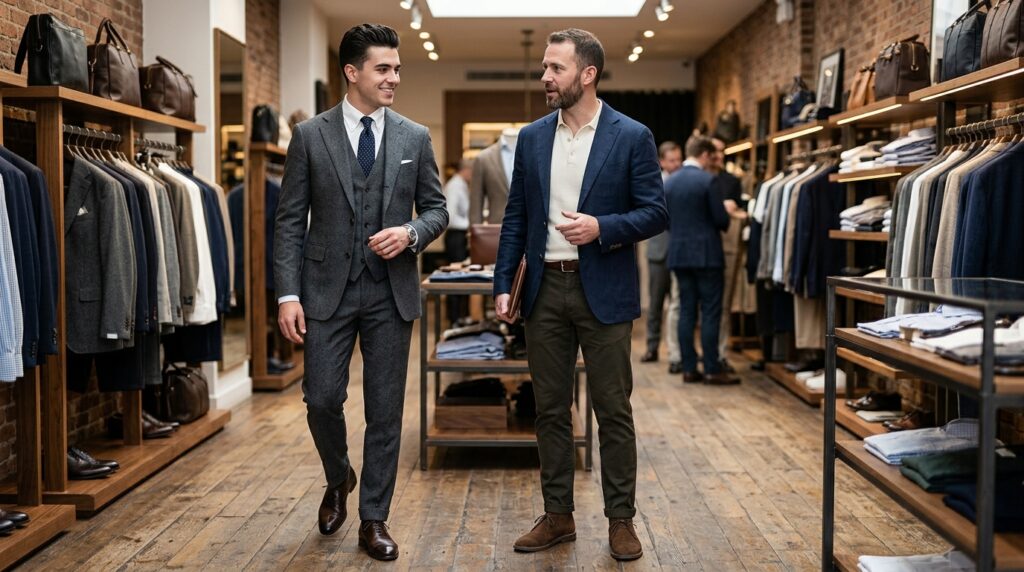
For example: T-shirt + trousers + jacket Or: Shirt + chinos + sweater Or: Polo + trousers + blazer This approach adds depth without requiring excessive accessories. You can also use footwear as the finishing element. A single outfit can feel casual with sneakers, refined with loafers, or rugged with boots.
Men’s Clothing Styles by Occasion
Choosing clothing becomes easier when you start with the occasion.
| Occasion | Recommended Style |
|---|---|
| Weekend | Casual |
| Date night | Smart casual |
| Office | Business casual |
| Wedding | Formal |
| Vacation | Resort |
| Concert | Streetwear |
| Outdoor trip | Rugged/workwear |
| Creative workplace | Contemporary |
| Dinner | Smart casual |
| Black-tie event | Formal |
When you’re uncertain, slightly overdressing is often safer than being dramatically underdressed—provided the occasion doesn’t call for casual clothing.
Frequently Asked Questions
What are the most popular Men’s Clothing Styles?
Some of the most popular styles include classic, casual, smart casual, business casual, formal, streetwear, preppy, minimalist, workwear, athleisure, vintage, rugged, resort, and contemporary fashion.
What is the best clothing style for men?
There isn’t one universally best style. The right choice depends on your lifestyle, workplace, personality, climate, budget, and comfort. A versatile smart-casual or classic wardrobe is a useful starting point for many men.
How can men look stylish without spending a lot?
Focus on fit, neutral colors, versatile basics, clean footwear, and proper garment care. You don’t need designer labels to create polished outfits.
What should every man have in his wardrobe?
Useful essentials include a white T-shirt, dark jeans, chinos, an Oxford shirt, a neutral sweater, a versatile jacket, clean sneakers, leather shoes, and a well-fitting suit.
Is streetwear still popular?
Yes. Streetwear continues to influence modern menswear, although contemporary versions often blend relaxed pieces with cleaner tailoring and more refined basics.
What is smart casual for men?
Smart casual combines polished and relaxed clothing. Examples include chinos with an Oxford shirt, dark jeans with a blazer, or tailored trousers with a knit polo and clean sneakers.
How do I discover my personal style?
Start by saving outfits you genuinely like, identify recurring colors and silhouettes, and experiment with similar pieces. Over time, you’ll discover which combinations feel natural to you.
Should men follow fashion trends?
Trends can provide inspiration, but they shouldn’t control your entire wardrobe. Choose trends that complement your existing style, body proportions, lifestyle, and budget.
Is fit more important than brand?
In many cases, yes. A well-fitting garment can look considerably more polished than an expensive garment with poor proportions. Fit, fabric, construction, and styling should all be considered.
How many clothing styles should a man have?
You don’t need to limit yourself to one. Having two or three core style directions—such as casual, smart casual, and formal—can provide enough flexibility for most situations.
Conclusion
Men’s Clothing Styles offer countless ways to express personality, confidence, and lifestyle. From classic tailoring and smart casual outfits to streetwear, workwear, preppy clothing, and modern minimalist looks, there’s no single formula that every man needs to follow. The best approach is to start with reliable basics, understand fit and proportion, and gradually experiment with different aesthetics.
Don’t feel pressured to chase every new trend. Instead, build a wardrobe that works for your real life. Choose clothes that fit properly. Invest in versatile pieces. Learn how to combine colors and textures. Keep your shoes clean. And most importantly, wear your clothes with confidence. Style isn’t about having the largest wardrobe. It’s about knowing what works for you and making those choices consistently. Once you understand the fundamentals, you can break the rules, mix different aesthetics, and create a look that’s uniquely yours.