

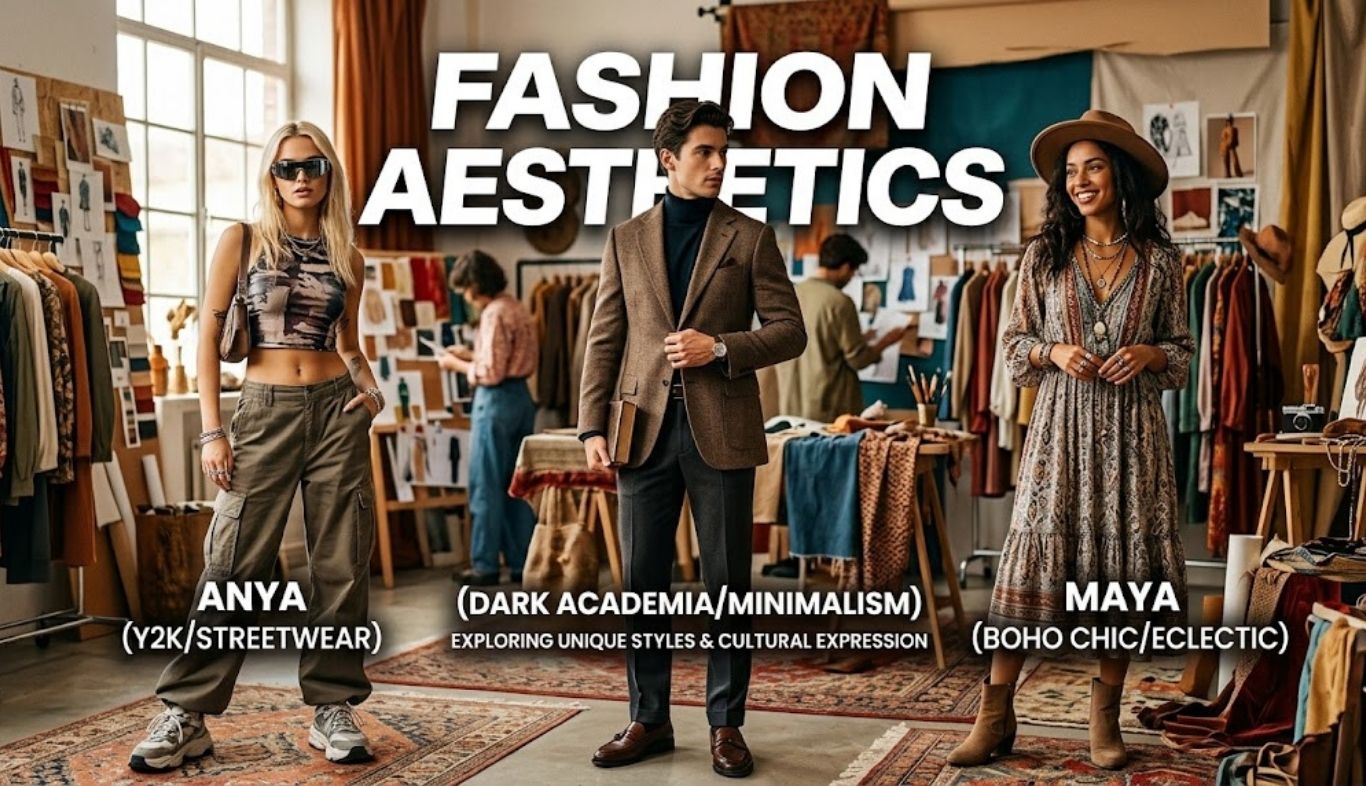
Fashion aesthetics give clothing a recognizable visual identity. Instead of thinking about individual pieces separately, an aesthetic allows you to see how colors, silhouettes, fabrics, accessories, hairstyles, shoes, and styling choices work together. For example, someone following a minimalist aesthetic may prefer neutral colors, clean silhouettes, and simple accessories. Someone interested in cottagecore might choose floral prints, flowing dresses, natural fabrics, and vintage-inspired details.
The exciting part is that there isn’t one correct aesthetic. Your style can change with your mood, lifestyle, season, or interests. You might wear minimalist clothing to work, sporty outfits on weekends, and vintage pieces when going out. That’s why learning about Fashion Aesthetics isn’t about putting yourself into a permanent box. It’s about discovering visual ideas that help you dress with more confidence.
1. Understanding Fashion Aesthetics
What Are Fashion Aesthetics?
A fashion aesthetic is a recognizable approach to dressing that combines several visual elements into a consistent style. These elements can include clothing, accessories, makeup, hairstyles, footwear, colors, patterns, and even the way an outfit is photographed. Think of an aesthetic as a visual language.
Minimalism might communicate simplicity and refinement. Grunge can express rebellion and individuality. Cottagecore often creates a romantic connection with nature and traditional rural life. Streetwear tends to emphasize comfort, confidence, and contemporary culture. Importantly, an aesthetic doesn’t require an expensive wardrobe. You can create a convincing look with affordable basics when the colors, proportions, and accessories work together.
Why Do Fashion Aesthetics Matter?
Fashion aesthetics make personal styling easier because they provide a starting point. Instead of opening your closet and thinking, “I have nothing to wear,” you can ask a more useful question: “What kind of visual style do I want today?” This approach can also help you shop more carefully. If you understand your preferred aesthetic, you’re less likely to purchase something simply because it’s trendy.
A well-defined style can help with:
- Building a cohesive wardrobe
- Choosing colors more confidently
- Finding suitable accessories
- Creating outfit combinations
- Avoiding unnecessary purchases
- Developing a recognizable personal image
- Experimenting with new trends
How Social Media Changed Fashion Aesthetics
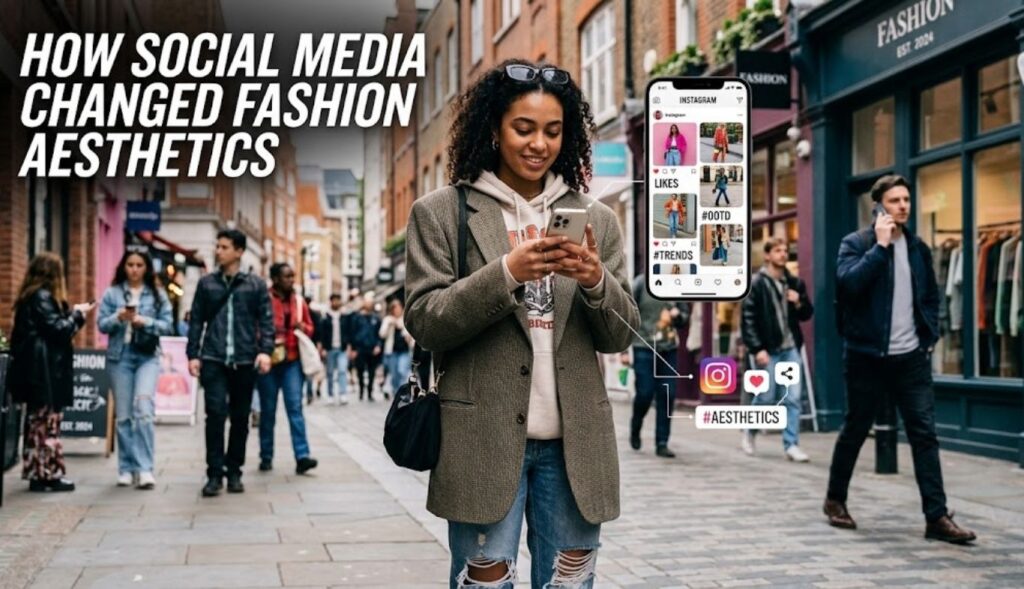
Platforms such as Instagram, Pinterest, TikTok, and other visual media have accelerated the spread of fashion aesthetics. A style that once belonged to a small subculture can now become globally recognizable within months. Y2K fashion, coquette styling, quiet luxury, and various forms of academia-inspired clothing have all benefited from this digital sharing culture.
However, social media can also create pressure to look perfect all the time. Remember, an aesthetic should serve you—not the other way around. You don’t need to recreate every outfit you see online. Take inspiration from trends and adapt them to your body, budget, climate, and lifestyle.
How to Discover Your Personal Aesthetic
Start by collecting images of outfits you genuinely like. Don’t worry about whether they belong to the same trend. After collecting several examples, look for patterns. Perhaps you repeatedly choose neutral colors. Maybe you prefer oversized jackets, feminine dresses, chunky shoes, vintage accessories, or structured blazers.
These repeated preferences are clues. You can also consider your lifestyle. A beautiful aesthetic that requires uncomfortable shoes or delicate fabrics may not work if you’re constantly walking, commuting, or working in a practical environment. The strongest personal style combines visual preference with real-life practicality.
2. 15 Popular Fashion Aesthetics
Fashion trends change quickly, but several aesthetics continue to influence wardrobes around the world. Here are 15 styles worth exploring.
1. Minimalist Aesthetic
Minimalist fashion focuses on simplicity, clean lines, neutral colors, and versatile pieces. Typical wardrobe staples include white shirts, straight-leg trousers, simple knitwear, tailored coats, loafers, and understated accessories. The goal isn’t necessarily to own very few clothes. Instead, minimalist dressing emphasizes pieces that work together easily.
Key elements:
- Neutral color palettes
- Clean silhouettes
- Simple accessories
- High-quality basics
- Little visual clutter
2. Streetwear Aesthetic
Streetwear combines comfort with bold cultural influences. Hoodies, graphic T-shirts, sneakers, cargo trousers, oversized jackets, and caps are common. Modern streetwear often mixes relaxed pieces with luxury-inspired accessories or tailored garments. The result can be casual without looking careless.
3. Vintage Aesthetic
Vintage fashion draws inspiration from earlier decades. Depending on your preferences, you might focus on the 1950s, 1960s, 1970s, 1980s, or 1990s. Vintage-inspired outfits may include retro silhouettes, patterned dresses, denim, leather jackets, classic handbags, and old-school footwear.
The trick is balance. Wearing one or two vintage-inspired pieces with modern basics can make an outfit feel contemporary rather than costume-like.
4. Y2K Aesthetic
Y2K fashion takes inspiration from late-1990s and early-2000s style.
Popular elements include:
- Low-rise or relaxed denim
- Baby tees
- Mini skirts
- Metallic details
- Tiny handbags
- Statement sunglasses
- Platform shoes
- Bold accessories
The aesthetic is playful, nostalgic, and highly expressive.
5. Cottagecore Aesthetic
Cottagecore celebrates a romanticized vision of countryside life. Flowing dresses, floral prints, cardigans, linen fabrics, embroidered details, ribbons, and natural colors are common. The style often emphasizes softness and simplicity. It can also overlap with vintage and rustic fashion.
6. Fairycore Aesthetic
Fairycore takes inspiration from fantasy, forests, magical creatures, and dreamy landscapes. Sheer fabrics, flowing skirts, delicate jewelry, pastel shades, floral details, and ethereal layering are common choices. Fairycore works especially well for people who enjoy whimsical fashion but don’t want a highly structured outfit.
7. Dark Academia
Dark academia combines classic academic clothing with a darker, intellectual mood. Think tailored trousers, button-down shirts, blazers, knit sweaters, loafers, long coats, and leather accessories. Brown, charcoal, cream, burgundy, forest green, and black are frequently used. The aesthetic is inspired more by atmosphere and classic styling than by any single historical period.
8. Coquette Aesthetic
Coquette fashion emphasizes romantic and traditionally feminine details. Bows, lace, ribbons, delicate jewelry, soft colors, fitted silhouettes, and ballet-inspired accessories often appear in this style. You don’t have to wear a head-to-toe coquette outfit. A ribbon hair accessory or lace-trimmed top can introduce the aesthetic subtly.
9. Grunge Aesthetic
Grunge fashion has roots in alternative music and youth culture. Oversized shirts, distressed denim, boots, flannel layers, graphic tees, leather jackets, and darker colors are common.
Modern grunge can be adapted in many ways. You can combine a simple black T-shirt with wide-leg jeans and boots for an understated interpretation.
10. Preppy Aesthetic
Preppy fashion is associated with polished, collegiate-inspired clothing. Common pieces include polo shirts, pleated skirts, chinos, cardigans, blazers, loafers, and structured shirts. Modern preppy style can be colorful or neutral. Layering is often an important part of the look.
11. Gyaru Aesthetic
Gyaru is a Japanese fashion and beauty subculture known for its expressive styling. Different gyaru branches can look very different, ranging from glamorous and feminine interpretations to more rebellious or highly tanned styles. Fashion may include statement accessories, fitted clothing, platform shoes, dramatic makeup, and carefully styled hair. Because gyaru contains many substyles, it’s useful to research individual branches rather than treating it as one uniform look.
12. Goth Aesthetic
Goth fashion is strongly associated with dark clothing, dramatic silhouettes, alternative accessories, and distinctive makeup. Black is common, but goth styling can also include burgundy, deep purple, metallic details, lace, velvet, leather, and other textures. Modern goth fashion ranges from subtle everyday outfits to highly dramatic ensembles.
13. Old Money Aesthetic
The old money aesthetic focuses on polished, understated, classic clothing.
Typical pieces include:
- Tailored trousers
- Knit sweaters
- Button-down shirts
- Loafers
- Structured coats
- Simple watches
- Neutral colors
The key idea is restraint. Rather than relying on large logos, the aesthetic emphasizes fit, fabric, coordination, and timeless silhouettes.
14. Boho Aesthetic
Boho fashion draws inspiration from relaxed, artistic, and nature-oriented styles. Flowing fabrics, earthy colors, layered jewelry, embroidery, fringe, wide-leg trousers, and patterned dresses can all contribute. Boho outfits often look effortless because they prioritize movement and relaxed layering.
15. Sporty Aesthetic
Sporty fashion combines athletic influences with everyday clothing. Sneakers, track jackets, leggings, sweatshirts, caps, relaxed trousers, and athletic-inspired tops are common.
You can make sporty outfits more polished by combining athletic pieces with structured basics, such as a fitted jacket or clean leather-style sneakers.
3. How to Create Your Own Fashion Aesthetic

Start With Inspiration
Don’t begin by buying an entirely new wardrobe. Instead, create an inspiration collection. Save outfits, colors, accessories, shoes, and silhouettes that catch your attention.
After collecting around 20–30 examples, identify recurring patterns. This process is much more reliable than choosing an aesthetic because it happens to be popular online.
Choose a Core Color Palette
Color has a huge influence on the appearance of an outfit.
If you’re unsure where to start, choose three categories:
- Base colors – black, white, cream, gray, navy, or brown.
- Supporting colors – shades that complement your base.
- Accent colors – one or two stronger colors used sparingly.
For example, a minimalist wardrobe might use cream, black, gray, and navy as its foundation with burgundy as an accent.
Build Around Wardrobe Essentials
Every aesthetic needs practical foundation pieces.
Depending on your preferred style, these might include:
| Wardrobe Piece | Why It Matters |
|---|---|
| Basic tops | Easy layering |
| Well-fitting trousers | Versatile foundation |
| Jeans | Casual everyday styling |
| Jacket or coat | Adds structure |
| Comfortable shoes | Practical daily wear |
| Accessories | Defines the aesthetic |
| Knitwear | Useful for layering |
| Statement piece | Adds personality |
You don’t need every item immediately. Build gradually.
Focus on Silhouette
Two people can wear the same color palette and still have completely different aesthetics because their silhouettes differ. Oversized clothing creates a relaxed appearance. Tailored pieces feel polished. Flowing fabrics create movement. Fitted garments can create a sharper visual effect.
Pay attention to proportions when building outfits. If you’re wearing an oversized top, for instance, you might balance it with straight or fitted bottoms—or intentionally choose oversized pieces throughout for a relaxed silhouette.
Learn to Mix Different Aesthetics
You don’t have to choose one aesthetic forever. In fact, mixing styles can make your wardrobe more personal.
Try combinations such as:
- Minimalist + old money
- Streetwear + sporty
- Vintage + cottagecore
- Goth + grunge
- Preppy + dark academia
- Fairycore + cottagecore
- Y2K + streetwear
The secret is finding one connecting element. This could be a color, fabric, silhouette, or accessory.
Don’t Chase Every Trend
Trends can be fun, but buying every viral item can quickly create an expensive and confusing wardrobe.
Before purchasing something trendy, ask:
- Does it match clothes I already own?
- Would I wear it more than once?
- Does it fit my lifestyle?
- Is it comfortable?
- Do I actually like it, or do I only like seeing it online?
If the answer is mostly yes, it may be worth considering.
Consider Your Lifestyle
Your aesthetic should work in real life. If you walk frequently, footwear matters. If you work in an office, your wardrobe may need polished basics. If your climate is hot, heavy layering may not be practical. Personal style becomes much easier when you stop forcing yourself into outfits that don’t suit your daily routine.
Pay Attention to Accessories
Accessories can completely change a basic outfit. A simple black dress can look minimalist with delicate jewelry, gothic with dramatic accessories, vintage with a structured handbag, or coquette with ribbons and pearl details. That’s why accessories are often the easiest way to experiment with new aesthetics without rebuilding your entire closet.
Use External Fashion References
If you want to explore the history and terminology behind clothing styles, reliable reference sources can help. The Encyclopaedia Britannica fashion overview is a useful starting point for broader fashion context.
Common Mistakes to Avoid
Mistake 1: Copying Someone Exactly
Inspiration is useful, but copying another person’s entire wardrobe doesn’t automatically create personal style. Take the idea and adapt it.
Mistake 2: Ignoring Fit
Even expensive clothing can look awkward when the proportions aren’t right. Fit often matters more than price.
Mistake 3: Buying Too Much Too Quickly
Give yourself time to understand your aesthetic before spending heavily.
Mistake 4: Using Too Many Trends at Once
A single outfit can become visually confusing when every piece belongs to a different trend. Choose a focal point and let the rest support it.
Mistake 5: Forgetting Comfort
An outfit isn’t successful if you’re uncomfortable all day. Confidence usually comes more naturally when your clothing allows you to move, work, and live comfortably.
A Simple Formula for Building Your Style
If you’re completely stuck, try this five-step formula: Base + Layer + Texture + Accessory + Shoes
For example: Basic T-shirt + Oversized jacket + Textured trousers + Statement bag + Sneakers Once you’re comfortable with the formula, experiment with different aesthetics by changing one element at a time.
How Fashion Aesthetics Can Evolve
Your aesthetic doesn’t need to stay fixed. Your interests, career, age, lifestyle, and environment can all influence your clothing choices. Someone might begin with casual streetwear and gradually move toward minimalist tailoring. Another person might combine vintage clothing with modern basics. That’s perfectly normal. Personal style is a process, not a final destination.
Frequently Asked Questions
1. What are Fashion Aesthetics?
Fashion aesthetics are recognizable approaches to dressing that combine clothing, colors, silhouettes, accessories, hairstyles, and other visual elements into a particular style.
2. How do I find my fashion aesthetic?
Start by collecting outfit inspiration and identifying repeated patterns in colors, silhouettes, fabrics, and accessories. Then choose pieces that reflect those patterns while fitting your lifestyle.
3. Can I have more than one fashion aesthetic?
Absolutely. Many people combine multiple aesthetics. Mixing styles can actually create a more distinctive and personal wardrobe.
4. What is the most popular fashion aesthetic?
There isn’t one universally dominant aesthetic. Minimalist, streetwear, Y2K, vintage, coquette, old money, sporty, and other styles have all become influential at different times and in different communities.
5. Do I need expensive clothes to follow a fashion aesthetic?
No. Styling, color coordination, fit, proportions, and accessories often have a greater visual impact than price. A carefully styled affordable wardrobe can look cohesive and intentional.
6. Can my fashion aesthetic change over time?
Yes. Personal style naturally evolves. Changes in lifestyle, interests, trends, work, climate, and personal preferences can all influence your aesthetic.
7. How many clothes do I need for a specific aesthetic?
There’s no fixed number. A small collection of versatile pieces can create many outfits when the colors, silhouettes, and accessories work well together.
8. Is it okay if I don’t fit into one aesthetic?
Of course. Fashion aesthetics are tools for inspiration, not strict rules. Your personal style can be a combination of several influences.
Conclusion
Fashion aesthetics make it easier to understand why certain outfits feel right and others don’t. From minimalist and old money styles to Y2K, fairycore, goth, streetwear, and cottagecore, every aesthetic offers different ways to express personality. The best approach isn’t to follow a trend blindly. Instead, explore different styles, identify the details you genuinely enjoy, and adapt them to your everyday life.
Start small. Experiment with colors, silhouettes, accessories, and layering. Most importantly, give yourself permission to change your mind. Your wardrobe doesn’t have to fit neatly into one category. The most interesting personal style is often the one that combines different influences into something uniquely yours.