

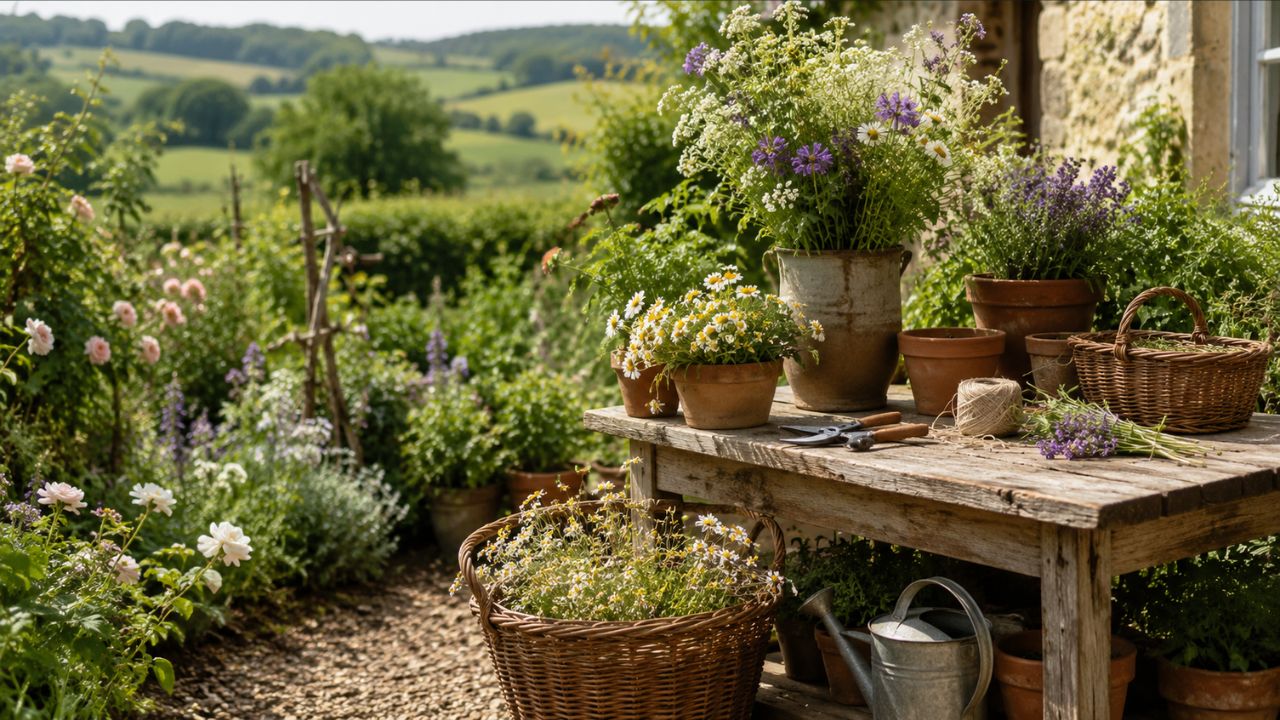
Cottagecore Nature & Garden Lifestyle isn’t about chasing perfection. In fact, the most charming gardens often have a slightly untamed feel, with flowers spilling over pathways, herbs growing beside vegetables, and climbing roses weaving around old fences. That relaxed beauty is what draws so many people to the cottagecore aesthetic. It celebrates slow living, seasonal rhythms, and the simple pleasure of spending time outdoors.
Cottagecore Nature & Garden Lifestyle Many people assume they need a large country property to achieve this look, but that’s far from true. A small suburban backyard, a narrow side garden, or even a sunny balcony can capture the same atmosphere with thoughtful planting and natural materials. The goal isn’t to copy a picture from social media—it’s to create a space that feels alive, welcoming, and personal. By choosing the right flowers, mixing textures, and allowing nature a little freedom, you can build a garden that looks beautiful through every season while supporting birds, bees, and butterflies.
What Makes a Cottagecore Garden Feel Authentic?
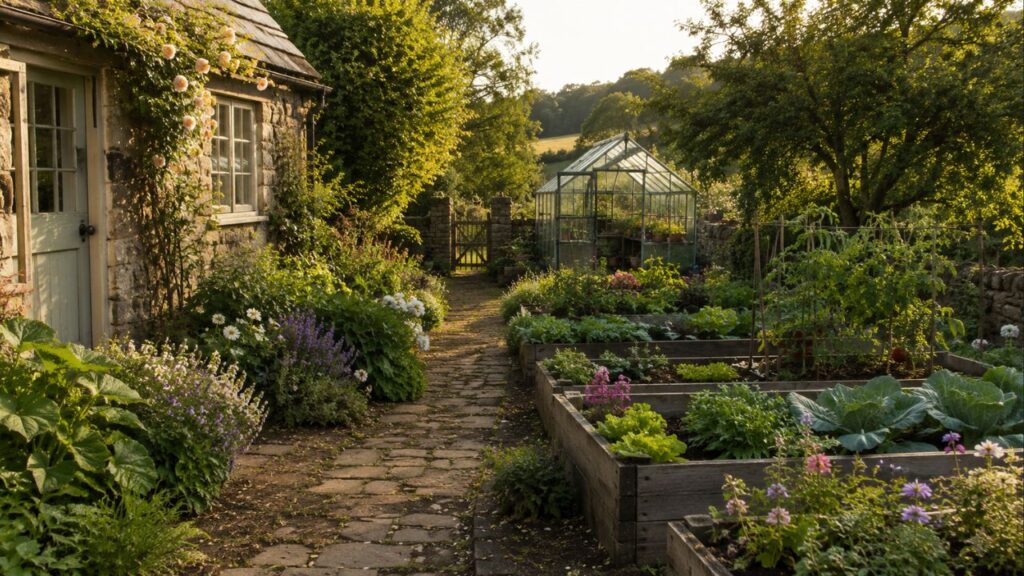
Cottagecore Nature & Garden Lifestyle The secret to an authentic cottagecore garden isn’t expensive landscaping. Traditional English cottage gardens developed out of practicality, where families grew flowers, herbs, vegetables, and fruit together because every inch of space mattered. Over time, that practical approach created a naturally abundant style that people now associate with romance and countryside living.
Instead of perfectly straight lines and carefully clipped hedges, cottagecore gardens embrace soft curves and layered planting. Tall flowers rise behind shorter blooms, vines climb fences, and unexpected combinations create visual interest. A weathered wooden bench, an old watering can used as a planter, or a stone path covered with moss often adds more character than expensive decorative pieces.
Cottagecore Nature & Garden Lifestyle One detail that many garden designs overlook is scent. Fragrance plays a huge role in creating atmosphere. Lavender beside a pathway, climbing roses near a gate, or sweet peas around a seating area make the garden memorable long after you’ve left it.
Choosing the Best Cottagecore Flowers
Cottagecore Nature & Garden Lifestyle Flowers are the heart of every cottagecore garden, but selecting varieties that bloom at different times keeps the space colourful for much longer than planting everything at once.
Some of the most reliable choices include:
- Climbing roses for height and fragrance
- Lavender for colour, scent, and pollinator support
- Foxgloves to create dramatic vertical interest
- Hollyhocks along fences and walls
- Cosmos for effortless summer colour
- Daisies for a cheerful wildflower appearance
- Sweet peas with beautifully scented blooms
- Delphiniums to add elegant height
- Sunflowers for rustic farmhouse charm
- Native wildflowers that support local wildlife
Cottagecore Nature & Garden Lifestyle Rather than arranging flowers in neat blocks of colour, try mixing several varieties together. Gardens in nature rarely grow in perfect patterns, and allowing plants to intermingle creates the relaxed appearance that defines cottagecore style.
If you’re gardening in the USA, choosing native flowering plants alongside classic cottage flowers also improves biodiversity. Native species generally require less maintenance once established and provide food for butterflies, bees, and other beneficial insects.
Plants That Add Texture and Life
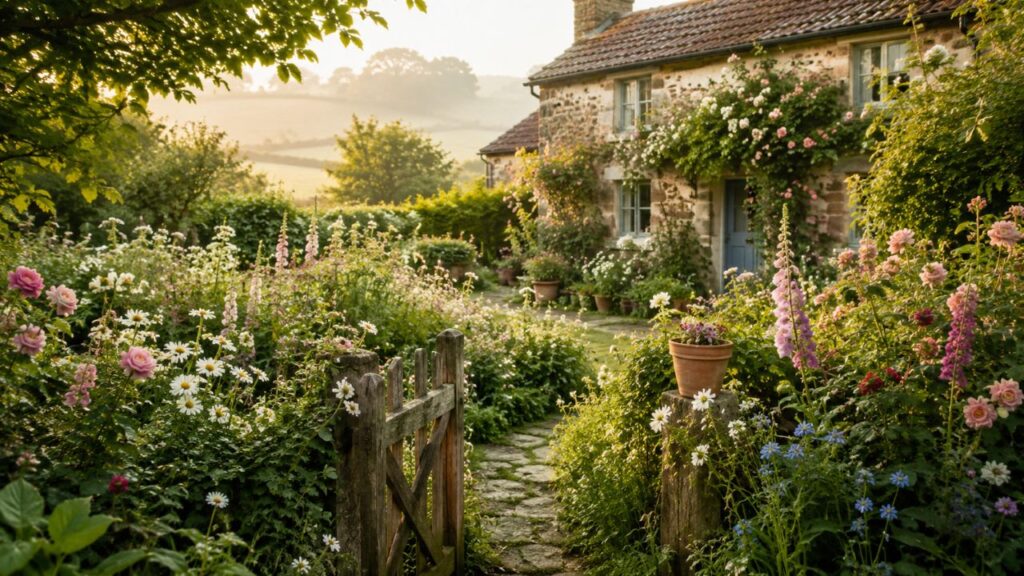
Cottagecore Nature & Garden Lifestyle Flowers attract attention, but foliage creates the structure that makes a garden feel full throughout the year. A balanced cottagecore garden combines flowering plants with herbs, shrubs, climbing vines, and edible crops.
Lavender remains one of the best all-round choices because it offers fragrance, attracts pollinators, and stays attractive even when not flowering. Herbs such as rosemary, thyme, sage, and mint fit naturally into cottage-style planting while providing ingredients for cooking.
Fruit bushes like raspberries and blueberries soften garden edges while producing seasonal harvests. Small apple or pear trees become focal points without overwhelming modest gardens. Ivy and climbing jasmine can transform ordinary fences into living walls, while ferns thrive in shaded corners where flowering plants struggle.
Cottagecore Nature & Garden Lifestyle Many experienced gardeners also leave small areas slightly wild. Allowing self-seeding flowers to return naturally each year creates a garden that evolves over time rather than looking exactly the same every season. That sense of gentle unpredictability is one of the qualities that makes cottagecore gardens feel genuinely lived in.
Designing the Space Naturally
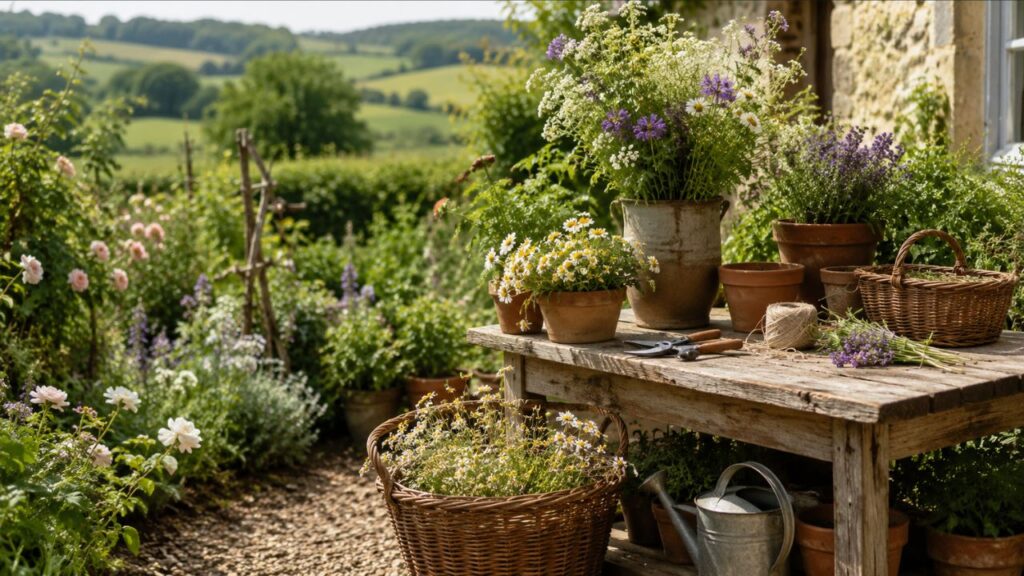
A beautiful cottagecore garden isn’t measured by size. It’s measured by how inviting it feels. Before buying plants, spend time observing sunlight, shade, drainage, and the way you naturally move through the space. Designing around those patterns produces better long-term results than forcing an elaborate layout onto an unsuitable site.
Cottagecore Nature & Garden Lifestyle Curved pathways instantly soften a garden and encourage visitors to slow down. Gravel, reclaimed brick, or natural stepping stones all complement the cottagecore aesthetic. Along these paths, layer plants from shortest at the front to tallest at the back so every flower has room to shine.
Garden seating deserves careful thought as well. A simple wooden bench beneath a climbing rose or beside a patch of lavender becomes a destination rather than just another piece of furniture. It encourages reading, sketching, or enjoying a quiet cup of tea—activities closely associated with the slower pace that cottagecore celebrates.
Cottagecore Nature & Garden Lifestyle Another overlooked design choice is colour balance. Instead of relying on one dominant flower, combine soft whites, pale pinks, lavender blues, buttery yellows, and deep purples. These colours blend naturally and create visual harmony without appearing overly planned.