

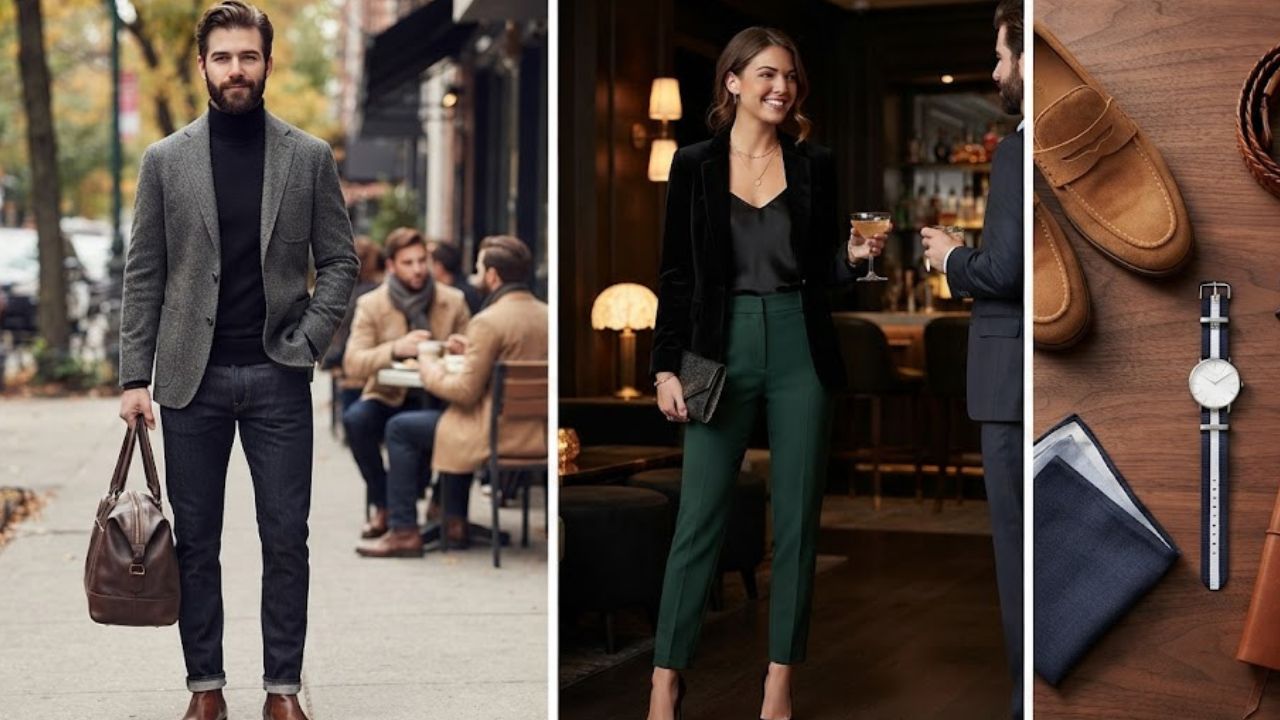
Smart Casual Clothing Essentials Finding clothes that look polished without feeling overdressed can be surprisingly difficult. Many people already own the right pieces, yet they struggle to combine them into outfits that feel intentional. That’s where smart casual stands apart. Instead of following strict fashion rules, it focuses on balance. A crisp Oxford shirt paired with dark jeans, a tailored blazer over a knit polo, or a simple midi dress with clean white trainers can all fit the dress code when styled thoughtfully.
Smart Casual Clothing Essentials has also become more relevant as offices, restaurants and social events have relaxed traditional dress expectations. You no longer need a wardrobe split between formal business wear and weekend clothing. A smaller collection of versatile essentials can comfortably cover work meetings, dinner reservations, casual weddings and everyday outings. The goal isn’t to buy more clothes—it’s to choose better ones. Once you understand which pieces offer the greatest flexibility, getting dressed becomes much easier and far more consistent.
What Smart Casual Really Means
Smart Casual Clothing Essentials is often described as the middle ground between casual clothing and formal business attire, but that explanation only tells part of the story. The real difference lies in presentation rather than individual garments. Almost any outfit can lean smarter when the fit is clean, the colours work together and the clothing is in good condition.
A common mistake is assuming expensive clothing automatically looks smart casual. It doesn’t. An affordable pair of well-fitted chinos usually looks sharper than costly trousers that don’t fit properly. Likewise, a plain white shirt can outperform a designer shirt covered in oversized logos. The strongest smart casual wardrobes rely on timeless pieces instead of fast-moving trends.
Another area that creates confusion is the difference between smart casual and business casual. Business casual generally follows workplace expectations and usually favours tailored trousers, dress shirts and loafers. Smart casual gives you more flexibility. Dark jeans, minimalist trainers and lightweight knitwear are often perfectly acceptable when styled carefully.
Rather than asking if one item is Smart Casual Clothing Essentials, it helps to look at the outfit as a whole. Clothing works together. A leather jacket paired with tailored trousers creates a completely different impression than the same jacket worn with ripped jeans and graphic trainers.
Smart Casual Clothing Essentials
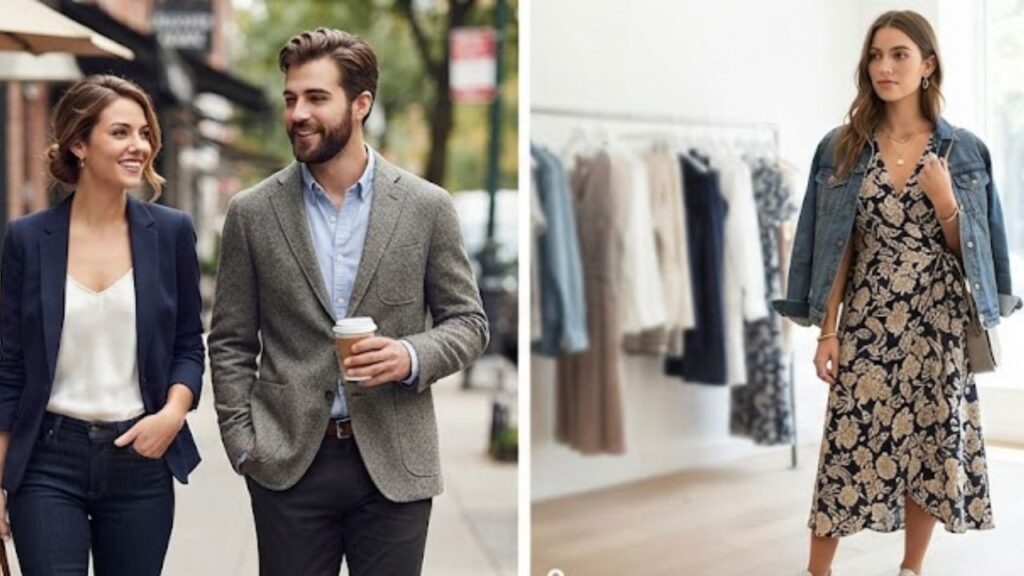
Smart Casual Clothing Essentials Building a reliable wardrobe doesn’t require dozens of outfits. Most stylish people repeat the same dependable pieces in different combinations, making small adjustments with shoes, jackets and accessories. That’s why investing in versatile essentials usually provides better value than chasing seasonal fashion trends.
The foundation begins with quality shirts. Oxford shirts remain one of the most useful items because they transition effortlessly between professional and relaxed settings. Linen shirts bring a lighter feel during warmer months, while knit polos offer an easy alternative to traditional button-down shirts. Neutral colours such as white, light blue, navy and olive are especially practical because they pair with almost everything else in the wardrobe.
Jackets are equally important because they immediately influence how polished an outfit appears. A structured blazer remains the classic choice, but it isn’t the only option. Bomber jackets with minimal detailing, clean denim jackets and lightweight overshirts have become popular choices for modern smart casual dressing. The key is simplicity. Heavy branding, distressed finishes and oversized fits often reduce versatility.
Bottoms deserve just as much attention. Tailored trousers offer the most refined appearance, while chinos provide everyday flexibility. Dark-wash jeans continue to earn their place in smart casual wardrobes because they bridge the gap between relaxed and professional. Straight-leg or slim-straight cuts generally create the cleanest silhouette without appearing restrictive.
Women’s wardrobes benefit from many of the same principles. Shirt dresses, wrap dresses and midi dresses remain dependable choices because they require little styling while maintaining an elegant appearance. Layering them with a blazer or lightweight cardigan extends their usefulness throughout different seasons.
Smart Casual Clothing Essentials Shoes quietly determine how finished an outfit feels. White leather trainers have become accepted in many smart casual settings because of their clean appearance. Loafers remain an excellent investment for both men and women, while Chelsea boots add sophistication during cooler weather without becoming overly formal.
Accessories should complement rather than dominate an outfit. A quality leather belt, understated watch, structured tote or simple jewellery often creates more impact than bold statement pieces. Smart casual is built on restraint, not excess.
Building Smart Casual Outfits for Men and Women
Smart Casual Clothing Essentials Many people search for outfit formulas because standing in front of a wardrobe every morning can feel surprisingly overwhelming. The easiest solution isn’t memorising dozens of combinations. It’s creating repeatable frameworks that can be adapted throughout the week.
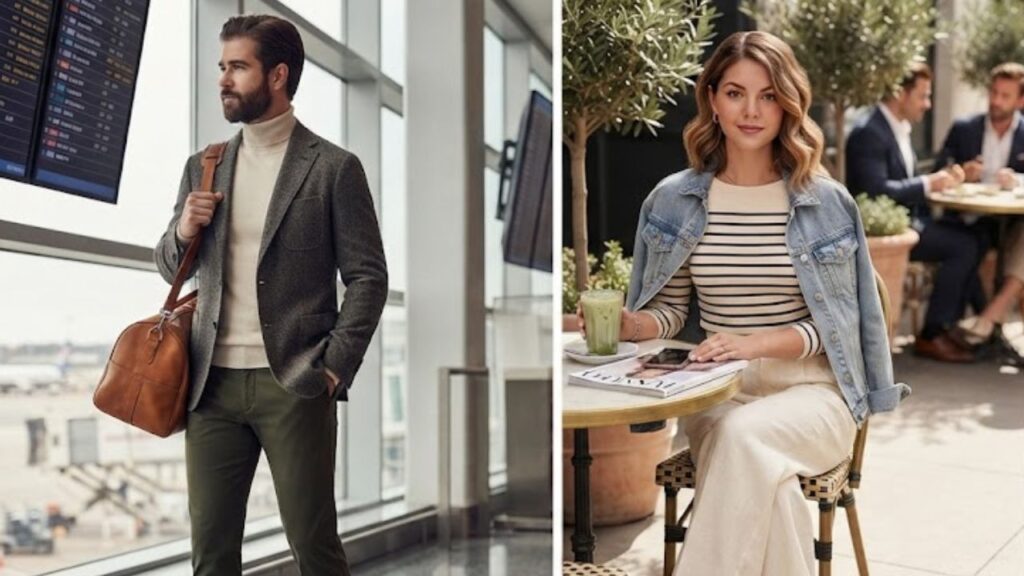
For men, one reliable formula begins with an Oxford shirt, navy chinos, brown loafers and a lightweight blazer. Remove the blazer after work and the outfit immediately feels more relaxed without losing its polished appearance. Another dependable option pairs a knit polo with dark jeans and minimalist white trainers. It works for casual Fridays, lunch meetings or evenings out with only minor adjustments.
Women’s smart casual outfits often offer even greater flexibility. A midi dress combined with a tailored blazer creates a professional yet approachable look suitable for many workplaces. Swapping heels for white trainers transforms the same dress into an outfit appropriate for shopping, brunch or travelling. Similarly, tailored trousers worn with a tucked-in blouse and loafers create an elegant everyday combination that doesn’t rely on formal business clothing.
Smart Casual Clothing Essentials Colour coordination deserves more attention than many style articles give it. Limiting an outfit to two or three primary colours usually produces a cleaner appearance than introducing numerous competing shades. Navy, charcoal, white, beige and olive work exceptionally well together because each colour acts almost like a neutral. Once that foundation feels comfortable, adding seasonal accents through scarves, knitwear or accessories becomes much easier.
Seasonal changes don’t necessarily require a completely different wardrobe either. During summer, breathable fabrics such as linen and lightweight cotton keep outfits comfortable without sacrificing style. Autumn introduces richer textures like merino wool, suede and heavier overshirts. Winter layering works best when every layer can still stand on its own. Instead of piling on bulky clothing, combine thinner, well-fitted garments that create warmth while maintaining shape.
One of the biggest advantages of smart casual clothing is versatility. A carefully selected capsule wardrobe of around twenty to thirty high-quality pieces can produce dozens of different outfit combinations. That approach saves money over time, reduces decision fatigue and creates a more consistent personal style than constantly buying trend-driven fashion.
Choosing Smart Casual Shirts, Jackets and Dresses That Last
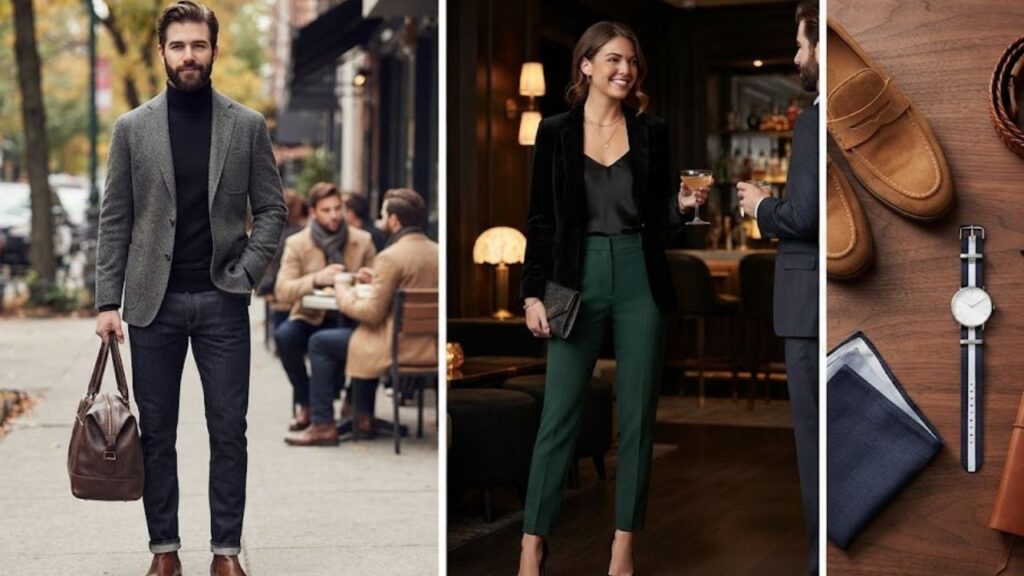
Smart Casual Clothing Essentials Shopping for smart casual clothing is easier when you focus on versatility instead of trends. Before buying anything, ask yourself a simple question: Can I wear this with at least three outfits I already own? If the answer is no, it may not deserve space in your wardrobe.
Shirts should feel comfortable while maintaining structure. Oxford shirts remain one of the strongest investments because they work with chinos, tailored trousers and even dark jeans. Linen shirts are excellent for warmer weather, although they naturally wrinkle more than cotton. Knit polos have also become increasingly popular because they offer a polished appearance without looking overly formal. Rather than filling your wardrobe with bold prints, build a foundation of white, light blue, navy and soft earth tones, then introduce colour gradually through accessories or outerwear.
Jackets can completely change the character of an outfit. A navy blazer is still the most versatile option, but it isn’t the only one worth owning. Minimalist bomber jackets, suede overshirts and lightweight chore jackets can all fit comfortably into a smart casual wardrobe. The difference lies in the details. Clean lines, quality fabrics and a tailored fit usually matter more than the specific style. A jacket that fits your shoulders correctly will almost always look better than a premium designer piece that’s too loose or too tight.
Smart Casual Clothing Essentials For women, smart casual dresses offer remarkable flexibility. Shirt dresses create a refined everyday look, wrap dresses flatter a wide range of body shapes, and midi dresses transition effortlessly from work to evening plans. A simple blazer, cardigan or cropped jacket allows the same dress to work across different seasons. Choosing solid colours or understated patterns also makes styling much easier, especially when pairing dresses with different shoes and accessories throughout the year.
Common Mistakes and Expert Styling Tips
Many smart casual mistakes don’t come from buying the wrong clothing—they come from overlooking the details. Clothes that are wrinkled, poorly fitted or worn-out rarely look polished, regardless of the brand. Small adjustments often make a bigger difference than purchasing something new.
Smart Casual Clothing Essentials Some of the most common mistakes include:
- Wearing clothing that is either too tight or too oversized, relying too heavily on athletic wear, combining too many bold colours, neglecting shoe care, or adding accessories that compete for attention rather than complement the outfit.
- Buying trendy items before investing in wardrobe basics, ignoring seasonal fabrics, choosing uncomfortable shoes, or forgetting that confidence usually comes from wearing clothes that fit well rather than following every fashion trend.
Smart Casual Clothing Essentials Professional stylists often recommend spending more on the items you wear most frequently rather than spreading your budget across dozens of inexpensive purchases. A well-made blazer, quality leather loafers or Chelsea boots, durable chinos and a classic leather belt may cost more initially, but they usually deliver better value because they’ll remain useful for years.
Another overlooked detail is fabric. Cotton and linen provide breathability for warmer months, while merino wool offers warmth without unnecessary bulk during colder seasons. Mixing textures thoughtfully—such as pairing a knitted polo with tailored trousers or combining suede footwear with dark denim—adds depth to an outfit without making it appear busy.
Many people also underestimate the value of a capsule wardrobe. Owning fewer, higher-quality pieces encourages creativity because almost everything works together. Instead of chasing new trends every season, you develop a personal style that’s consistent, practical and recognisable.
| Smart Casual | Business Casual |
| More flexible and relaxed | More workplace-focused |
| Dark jeans are often acceptable | Tailored trousers are usually preferred |
| Clean white sneakers may work | Dress shoes are more common |
| Casual jackets and overshirts fit the style | Blazers and structured jackets dominate |
| Suitable for work, dining and social events | Primarily intended for professional settings |
Final Thoughts
Smart Casual Clothing Essentials A great smart casual wardrobe isn’t built overnight, and it doesn’t depend on buying expensive labels. It grows through thoughtful choices, quality essentials and an understanding of how different pieces work together. Start with reliable staples like Oxford shirts, chinos, tailored jackets, dark denim, versatile dresses and comfortable leather shoes. From there, add layers and accessories that reflect your personality rather than passing trends.
The best-dressed people rarely own the biggest wardrobes. They simply know how to combine timeless clothing in ways that always feel appropriate. Smart Casual Clothing Essentials Once you build that foundation, getting dressed becomes quicker, shopping becomes more intentional and your wardrobe works harder for every occasion.
Frequently Asked Questions
Can jeans be considered smart casual?
Smart Casual Clothing Essentials Yes. Dark-wash jeans with a clean finish and a tailored fit are widely accepted in smart casual outfits, especially when paired with an Oxford shirt, blazer or knit polo.
Are white sneakers appropriate for smart casual outfits?
Minimalist white leather sneakers work well in many smart casual settings. Keep them clean and pair them with tailored clothing rather than athletic wear.
What colours are easiest to build a smart casual wardrobe around?
Neutral shades such as navy, white, grey, beige, black and olive are the most versatile because they mix easily and remain stylish throughout the year.
How many pieces should a smart casual wardrobe include?
Smart Casual Clothing Essentials A practical capsule wardrobe of around 20–30 well-chosen pieces can create dozens of outfit combinations for work, weekends and social occasions.
What’s the biggest mistake people make with smart casual style?
Focusing on individual clothing items instead of the overall outfit. Fit, colour coordination and well-maintained shoes often have a greater impact than expensive brands.