

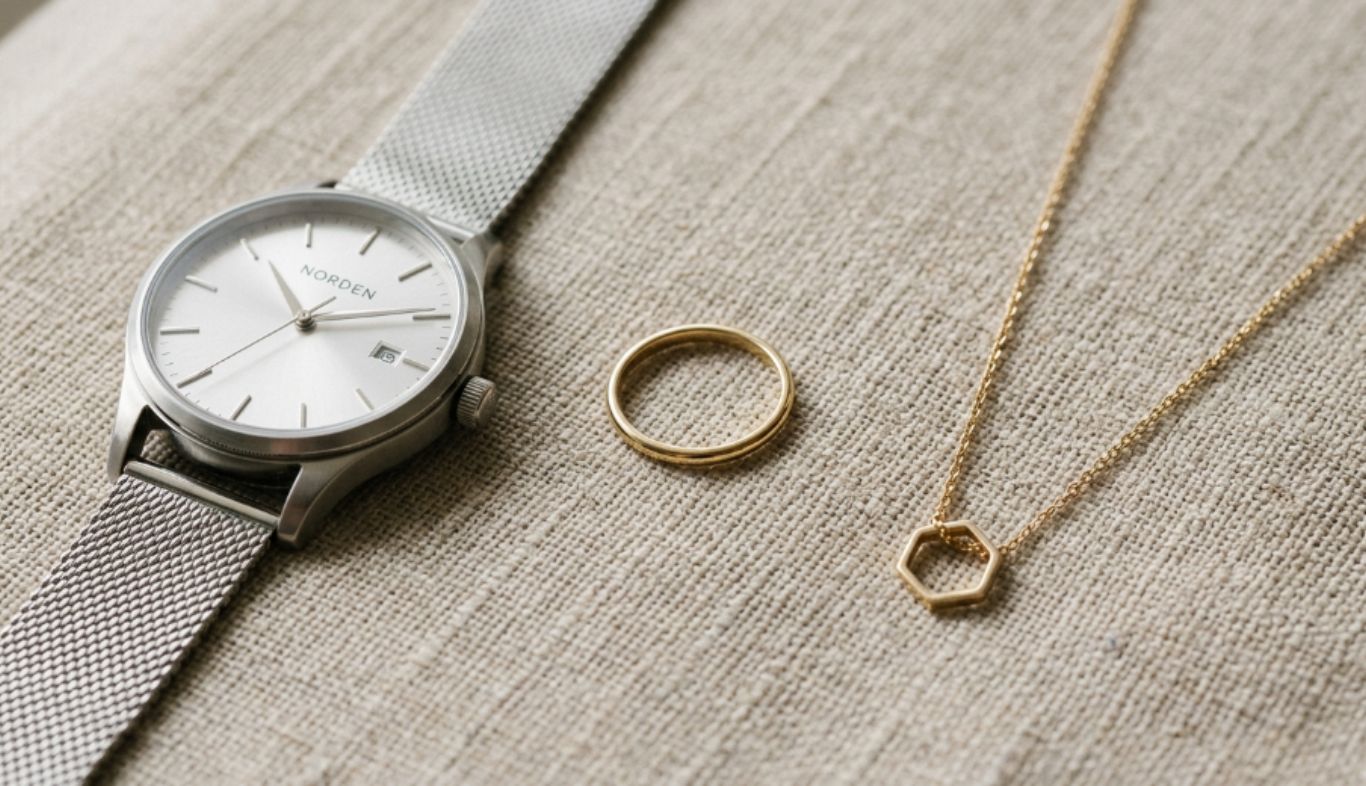
Minimalist Fashion Accessories are proof that great style doesn’t require a crowded jewelry box, an overflowing handbag collection, or dozens of seasonal trends. Sometimes, one delicate necklace, a structured handbag, or a classic watch can make a simple outfit look polished and intentional. Minimalist fashion focuses on simplicity, function, versatility, and timeless design. Instead of buying accessories simply because they’re fashionable today, the goal is to choose pieces that work with many outfits and remain useful over time. This approach is especially valuable when building a capsule wardrobe. A small collection of carefully selected accessories can dramatically increase the number of outfits you can create without adding unnecessary clutter.
The best part? Minimalism doesn’t mean boring. A neutral belt can define a silhouette. Small gold hoops can brighten a plain shirt. A structured bag can make casual denim feel more sophisticated. Even a simple scarf can introduce texture and personality. In this guide, you’ll discover 11 essential accessories, practical buying advice, styling ideas, common mistakes, and ways to create a refined accessory collection that works with your existing wardrobe.
What Are Minimalist Fashion Accessories?
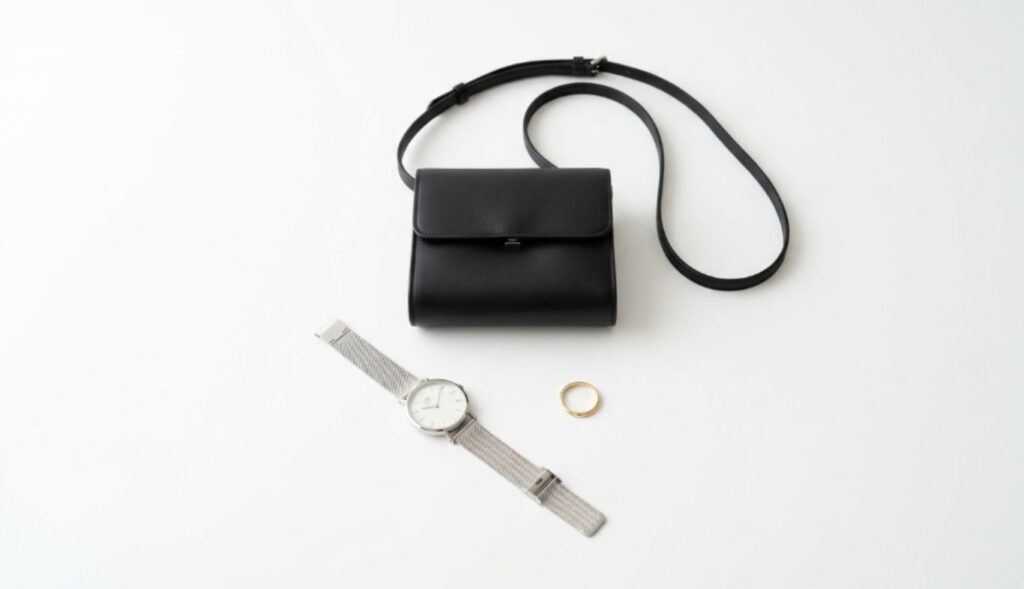
Minimalist fashion accessories are pieces designed around clean lines, restrained details, practical function, and easy coordination. They typically avoid excessive decoration, oversized branding, complicated patterns, or short-lived trends. Instead, they emphasize materials, proportions, craftsmanship, and versatility.
Common examples include:
- Small hoop earrings
- Thin chain necklaces
- Simple rings
- Classic watches
- Leather belts
- Structured handbags
- Neutral scarves
- Simple sunglasses
- Compact wallets
- Understated hair accessories
- Delicate bracelets
Minimalist accessories don’t necessarily have to be expensive. A well-designed affordable piece can fit a minimalist wardrobe just as effectively as a luxury item. The key question isn’t, “How much does it cost?”
Instead, ask: “How often will I wear it, and how many outfits can it complement?” That shift in thinking makes minimalist fashion much more practical.
Why Minimalist Accessories Matter
Accessories complete an outfit, but too many can compete for attention. A minimalist approach creates balance. For example, a white shirt, straight-leg trousers, and loafers may look beautifully refined with a simple watch and small earrings. Adding several necklaces, bracelets, rings, and a highly decorated handbag could make the same outfit feel visually busy.
Minimalist accessories can also make getting dressed easier. When most of your accessories coordinate naturally, you don’t need to spend several minutes deciding what works together. There are practical financial benefits, too. Instead of purchasing five inexpensive trend pieces that you’ll rarely wear, you can invest in one versatile accessory that works throughout the year. This philosophy aligns closely with thoughtful consumption. The Metropolitan Museum of Art’s fashion collection is a useful external resource for exploring how accessories and dress have evolved across different periods and cultures. The Metropolitan Museum of Art — Fashion Collection
The Minimalist Accessory Philosophy
A successful minimalist accessory collection generally follows four principles: simplicity, versatility, quality, and personal expression.
Simplicity
Simple doesn’t mean plain. It means unnecessary details are removed. Think smooth metal, clean shapes, subtle textures, and restrained colors.
Versatility
A great accessory should work with multiple outfits. A black leather belt might work with jeans, trousers, dresses, skirts, and tailored shorts. That’s far more useful than a belt designed around one specific trend.
Quality
Quality matters because minimalist accessories often become repeat-wear pieces. If you wear a watch or handbag several times each week, durable construction becomes more important than novelty.
Personal Expression
Minimalism shouldn’t erase personality. If you love silver jewelry, choose silver. If you prefer warm brown leather, build around it. If you enjoy a colorful scarf, keep one or two distinctive pieces. The goal isn’t to dress like everyone else. It’s to remove unnecessary noise so your personal style becomes clearer.
11 Essential Minimalist Fashion Accessories
Now let’s look at the most useful pieces for a minimalist accessory collection.
1. Delicate Necklace
A simple chain necklace is one of the easiest ways to add polish to an outfit. Choose a length that works with your most common necklines. A medium-length chain can work with T-shirts, button-down shirts, knitwear, and simple dresses.
Gold, silver, and stainless steel are all practical choices. If you want maximum versatility, avoid excessive pendants or highly elaborate designs. A delicate necklace can be worn alone for a subtle appearance or layered with another fine chain when you want slightly more visual interest.
2. Small Hoop Earrings
Small hoops are classic because they add structure without overwhelming the face. They’re particularly useful for everyday outfits because they can transition from casual to professional settings. Look for smooth finishes and comfortable closures. If you wear earrings frequently, comfort should be a priority.
3. Minimalist Watch
A watch can serve two purposes: function and style. Choose a clean dial, simple markers, and a strap or bracelet that complements your wardrobe. Black, brown, silver, and neutral tones tend to be easy to coordinate.
A minimalist watch works especially well when the rest of your outfit is understated. You don’t need a huge collection. One versatile watch may be enough for everyday wear.
4. Structured Handbag
A structured handbag instantly adds polish to simple clothing. For a minimalist wardrobe, consider a medium-sized bag in black, brown, beige, gray, or another neutral shade. Look for enough space to carry your everyday essentials without choosing an unnecessarily oversized design.
A good handbag should fit your lifestyle. If you commute, you may need something larger. If you travel light, a compact shoulder bag may make more sense.
5. Leather Belt
A belt is both functional and decorative. A simple leather belt can define your waist, improve the fit of trousers, or add structure to a dress. Black and brown are the most versatile choices. Match the buckle finish with your preferred jewelry when possible, but don’t treat this as an absolute rule. A subtle buckle generally works better for minimalist styling than a large branded buckle.
6. Classic Sunglasses
Sunglasses can become a major part of your personal style. Rather than buying several highly trendy frames, consider one classic shape that suits your face and wardrobe. Black, tortoiseshell, brown, and neutral frames tend to remain versatile. Pay attention to comfort as well. Sunglasses should sit securely without constantly sliding down your nose.
7. Neutral Scarf
A scarf adds texture and warmth without requiring a completely different outfit. A lightweight scarf works beautifully during transitional seasons, while wool or cashmere-style options can provide warmth in colder weather.
Neutral colors such as cream, charcoal, navy, camel, and black are easy to style. You can wear a scarf around your neck, over your shoulders, or tied to a handbag for a subtle styling detail.
8. Simple Rings
One or two understated rings can add interest to your hands without creating visual clutter. Choose smooth bands, small stones, or simple geometric shapes. You can wear one ring for an extremely clean look or combine two or three compatible pieces. The trick is restraint. Minimalist jewelry becomes less minimalist when every finger is covered.
9. Compact Wallet
A wallet may not seem like a fashion accessory, but it can reflect the same minimalist principles. Choose a compact design that holds only what you actually need. A slim wallet can also encourage you to remove expired cards, old receipts, and unnecessary items. Black, tan, brown, and dark neutral shades are practical choices.
10. Simple Hair Accessories
Hair clips, headbands, scrunchies, and barrettes can complete an outfit. For a minimalist wardrobe, choose accessories with simple shapes and refined finishes. A matte clip, plain headband, or neutral scrunchie can look polished without appearing overly styled.
11. Minimalist Bracelet
A thin bracelet can add a subtle finishing touch, especially when worn with short sleeves or rolled-up shirt cuffs. Metal chains, slim cuffs, and delicate designs work particularly well. If you’re already wearing a watch, consider whether you need a bracelet on the same wrist. Sometimes placing the bracelet on the opposite wrist creates a cleaner balance.
Minimalist Jewelry: Less but Better
Jewelry is often the easiest place to experiment with minimalist fashion accessories.
Start with a small core collection:
| Jewelry Piece | Best Use |
|---|---|
| Small hoops | Everyday outfits |
| Delicate necklace | T-shirts and open necklines |
| Simple ring | Casual and smart-casual looks |
| Slim bracelet | Short sleeves and dresses |
| Classic watch | Professional and everyday outfits |
One useful strategy is to select a dominant metal. If you prefer gold, build most of your jewelry around warm metallic tones. If silver looks better with your wardrobe, stick primarily with silver or cool-toned finishes. You can mix metals, of course. However, keeping a consistent visual language makes a small collection easier to coordinate.
Jewelry should also complement your outfit rather than compete with it. For example, if you’re wearing a patterned blouse, small earrings may be enough. With a plain black dress, a simple necklace and bracelet could provide just the right amount of detail.
Minimalist Bags: Function Meets Style
A handbag should earn its place in a minimalist wardrobe.
Before buying one, consider:
- What do you normally carry?
- Do you need hands-free movement?
- Do you commute?
- Do you attend formal events?
- Which colors dominate your wardrobe?
- Do you prefer shoulder bags, totes, or crossbody styles?
For many people, a three-bag system works well:
- Everyday bag: medium-sized and neutral.
- Work or larger bag: spacious enough for daily necessities.
- Occasion bag: compact and slightly more elegant.
This system provides variety without creating unnecessary clutter. Neutral handbags are particularly useful because they can connect different parts of your wardrobe. A black bag works with monochrome outfits, denim, tailoring, dresses, and casual basics.
Minimalist Watches and Functional Accessories
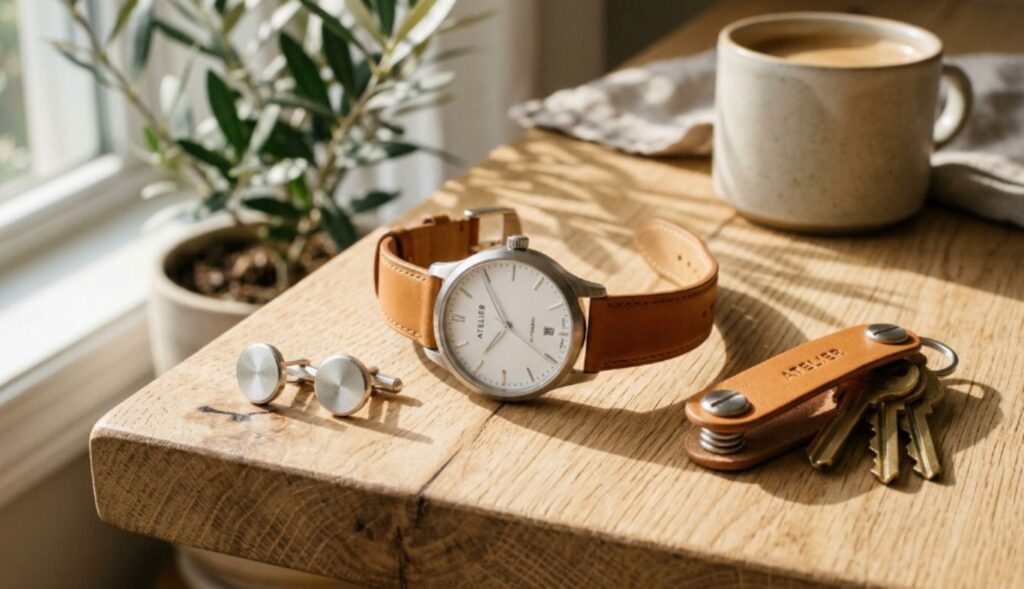
A minimalist wardrobe doesn’t need to reject function. In fact, function is one of its strongest foundations. A watch, belt, wallet, or pair of sunglasses should perform its job while also contributing to your appearance. When selecting functional accessories, consider durability and comfort first.
For example, a belt that looks beautiful but constantly cracks isn’t a smart minimalist purchase. Likewise, a handbag that doesn’t fit your daily essentials will probably remain in your closet. The best accessory is the one you actually use.
That’s an important distinction between minimalist fashion and simply owning fewer things. Minimalism isn’t about reaching a specific number. It’s about reducing unnecessary purchases and increasing the usefulness of what remains.
How to Choose the Right Minimalist Fashion Accessories
Before purchasing an accessory, use this simple five-question test:
1. Does It Match My Existing Wardrobe?
If you can immediately imagine several outfits, that’s a good sign.
2. Is It Comfortable?
An uncomfortable accessory usually becomes an unused accessory.
3. Can I Wear It Regularly?
A special-occasion item can be valuable, but everyday accessories should have a high wear potential.
4. Does It Reflect My Style?
Don’t buy something simply because minimalist influencers are wearing it.
5. Is It Well Made for Its Price?
Look at stitching, hardware, closures, fabric quality, and construction. A thoughtful purchase doesn’t always mean the most expensive purchase. It means understanding what you’re paying for.
Building a Minimalist Accessory Capsule
A capsule accessory collection can be surprisingly small.
Start with these basics:
- One everyday handbag
- One occasion bag
- One classic watch
- One leather belt
- One pair of sunglasses
- One delicate necklace
- One pair of small hoops
- Two or three rings
- One bracelet
- One neutral scarf
- One practical wallet
From there, add pieces only when you identify a genuine gap. For example, if you regularly attend formal events, an elegant clutch might be useful. If you live in a cold climate, several scarves may be more practical. Your accessory capsule should reflect your real life rather than an imaginary lifestyle.
Styling Minimalist Fashion Accessories
The easiest styling method is to think about balance. If your clothing is visually simple, you can add one noticeable accessory. If your clothing already contains strong patterns, textures, or colors, keep accessories quieter.
Casual Look
Try:
- White T-shirt
- Straight-leg jeans
- Small hoops
- Simple watch
- Crossbody bag
- Minimal belt
Office Look
Try:
- Tailored trousers
- Button-down shirt
- Structured handbag
- Delicate necklace
- Classic watch
- Leather belt
Evening Look
Try:
- Simple black dress
- Small earrings
- Slim bracelet
- Compact handbag
- Minimal heels
The goal isn’t to make every accessory match perfectly. Instead, create a sense of visual harmony.
Common Minimalist Accessory Mistakes
Even a minimalist wardrobe can become cluttered if you’re not careful.
Buying Too Many “Basics”
You don’t need five nearly identical black handbags. Once you have a reliable everyday piece, additional purchases should serve a clear purpose.
Following Every Trend
Minimalist style works best when trends are filtered through personal taste. A trendy accessory can be fun, but it shouldn’t automatically enter your permanent collection.
Choosing Appearance Over Function
A beautiful bag that can’t hold your essentials isn’t particularly useful.
Ignoring Proportion
A tiny handbag may look strange with an oversized coat, while a huge bag can overwhelm a delicate outfit. Consider the overall proportions of your clothing.
Over-Accessorizing
Minimalism depends on editing. Before leaving the house, look in the mirror and ask whether every accessory contributes something. If one piece feels unnecessary, remove it. Sometimes that’s all it takes.
Quality vs. Quantity
One of the strongest principles behind minimalist fashion accessories is buying fewer pieces that perform better. However, “quality” doesn’t automatically mean luxury. A reasonably priced accessory can offer excellent value if it’s durable, comfortable, versatile, and well designed.
When evaluating quality, examine:
- Stitching
- Hardware
- Material
- Closures
- Lining
- Edges
- Weight
- Comfort
- Maintenance requirements
Also consider cost per wear. A $50 handbag worn twice costs $25 per use. A $150 handbag worn 100 times costs $1.50 per use. The numbers aren’t everything, but they illustrate why a useful accessory can sometimes be a smarter purchase than several cheaper alternatives.
Sustainable Minimalist Accessories
Minimalist fashion can support more thoughtful consumption, but simply buying “minimalist-looking” products doesn’t automatically make a wardrobe sustainable.
A better approach is to:
- Buy less frequently.
- Repair useful accessories.
- Choose durable materials.
- Donate or resell items you no longer use.
- Avoid impulse purchases.
- Consider secondhand options.
- Maintain leather and fabric accessories properly.
- Choose timeless designs when possible.
Before purchasing something new, check whether you already own an item that performs the same function. That small pause can prevent unnecessary accumulation.
Frequently Asked Questions
What are the best minimalist fashion accessories?
The best minimalist fashion accessories are versatile pieces such as small hoop earrings, delicate necklaces, classic watches, structured handbags, leather belts, neutral scarves, simple sunglasses, and understated rings.
How many accessories should a minimalist wardrobe have?
There is no universal number. A useful starting point is around 10 to 15 versatile pieces, then adjusting the collection according to your lifestyle, climate, work requirements, and personal style.
Are minimalist accessories always neutral colors?
No. Neutral colors are popular because they’re easy to coordinate, but minimalist accessories can include color. A single red scarf or blue handbag can add personality while keeping an overall wardrobe simple.
Is minimalist fashion expensive?
It doesn’t have to be. Minimalist fashion focuses on thoughtful purchasing rather than price. Affordable accessories can work extremely well when they are comfortable, versatile, and durable.
Can I mix gold and silver minimalist jewelry?
Yes. Mixing metals can look stylish when done intentionally. Keep the number of pieces controlled and repeat the mixed-metal combination so it appears deliberate rather than accidental.
What handbag color is best for a minimalist wardrobe?
Black, brown, tan, beige, gray, and other muted colors are highly versatile. Choose the color that works with the majority of your existing clothes.
How can I make a simple outfit look more stylish?
Start with one or two carefully selected accessories. A watch, structured bag, belt, necklace, or pair of sunglasses can add polish without making the outfit feel overdone.
Are minimalist accessories suitable for formal occasions?
Absolutely. Simple jewelry, elegant handbags, refined watches, and understated shoes can create a sophisticated formal look. In many cases, restraint makes an outfit appear more polished.
Conclusion
Minimalist Fashion Accessories aren’t about owning as little as possible. They’re about owning pieces that genuinely add value to your wardrobe. The strongest collection combines versatility, comfort, quality, and personal style. Start with practical essentials such as a delicate necklace, small hoops, classic watch, structured handbag, leather belt, sunglasses, scarf, and simple rings. Then edit your collection over time. Don’t worry about following a strict number or copying someone else’s capsule wardrobe.
Your ideal accessory collection should fit your lifestyle, personality, climate, and daily routine. Most importantly, remember that minimalist style isn’t about disappearing into the background. It’s about making deliberate choices. A simple outfit with the right accessories can look confident, modern, and completely your own. When every piece has a purpose, getting dressed becomes easier—and your personal style becomes much clearer.