

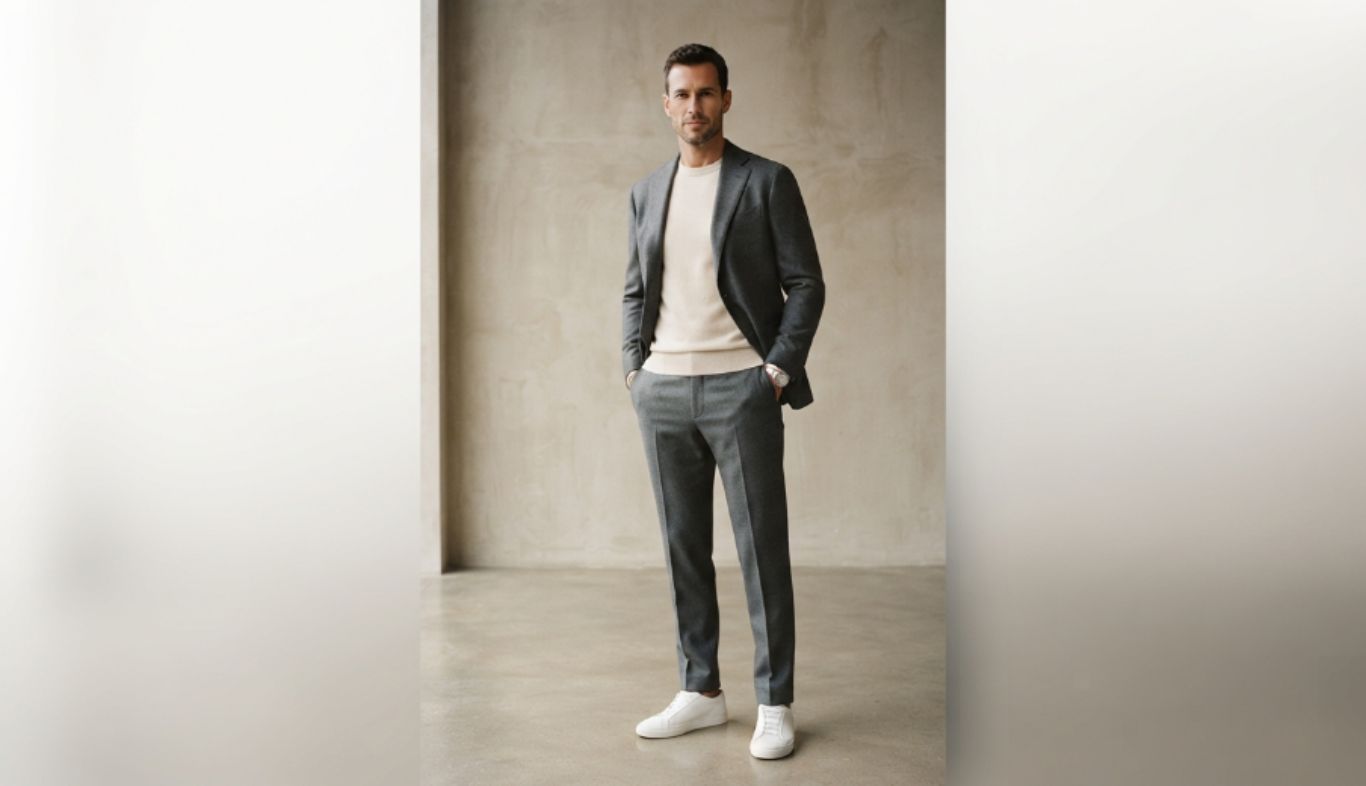
Minimalist fashion for men isn’t about owning only five pieces of clothing or wearing black from head to toe. Instead, it’s about making smarter choices. The goal is to create a wardrobe where most pieces work together, fit properly, feel comfortable, and remain useful for years. In a world filled with fast trends, huge logos, complicated outfits, and overflowing closets, minimalist style offers a refreshing alternative. You don’t need dozens of shirts to look well dressed. You need the right shirts. You don’t need every new sneaker release. You need footwear that complements your wardrobe.
The beauty of minimalist fashion for men is its simplicity. A clean white T-shirt, well-fitting trousers, a quality over shirt, and simple sneakers can create an outfit that looks intentional without appearing as though you’ve tried too hard. That effortless quality is what makes minimalist menswear so appealing. However, minimalism doesn’t mean boring. A minimalist wardrobe can still include texture, contrast, interesting proportions, seasonal fabrics, and subtle accessories. The trick is knowing when enough is enough. This guide explains 11 practical rules for building a minimalist men’s wardrobe that is stylish, versatile, comfortable, and easy to maintain.
What Is Minimalist Fashion for Men?
Minimalist fashion for men is a style approach centered on simplicity, functionality, versatility, quality, and timeless design. Rather than constantly chasing fashion trends, minimalist dressing focuses on pieces that remain useful across seasons and situations.
Think of:
- Clean silhouettes
- Neutral colors
- Simple patterns
- Limited branding
- Quality materials
- Comfortable fits
- Versatile clothing
- Functional accessories
- Timeless footwear
A minimalist outfit might consist of navy trousers, a gray crew-neck sweater, white sneakers, and a simple watch. Nothing screams for attention, yet the combination looks polished.
Minimalism Doesn’t Mean Plain
One common misconception is that minimalist clothing has to be completely plain. That’s not necessarily true.
You can add personality through:
- Different fabric textures
- Layering
- Interesting proportions
- Subtle patterns
- Vintage-inspired pieces
- Statement outerwear
- Unique eyewear
- Quality leather goods
For example, a charcoal wool coat has a simple design, but its texture and structure can make an outfit visually interesting.
The Philosophy Behind Minimalist Dressing
Minimalism asks you to think before buying.
Instead of asking: “Do I like this?”
Ask: “How many outfits can I create with this?” That small change can dramatically improve your wardrobe.
Why Minimalist Style Works So Well

Minimalist menswear has several practical advantages.
1. It Makes Getting Dressed Easier
When most of your clothes coordinate, choosing an outfit takes less time. A wardrobe filled with navy, gray, white, black, olive, beige, and denim provides countless combinations without requiring complicated planning.
2. It Creates a Polished Appearance
Simple clothing can look sophisticated when the fit, fabric, and proportions are right. A basic navy sweater that fits perfectly will often look better than an expensive sweater covered in unnecessary graphics.
3. It Reduces Unnecessary Spending
Minimalism encourages intentional shopping. Instead of purchasing ten inexpensive items that you rarely wear, you can invest in fewer pieces that become regular parts of your wardrobe.
4. It Makes Your Clothes More Versatile
A plain Oxford shirt can work with:
- Jeans
- Chinos
- Tailored trousers
- Shorts
- A blazer
- A sweater
That’s excellent wardrobe efficiency.
5. It Ages Well
Trends change quickly. Clean designs generally have a longer lifespan. That’s one reason minimalist fashion remains relevant year after year.
11 Powerful Rules for Minimalist Fashion for Men
Rule #1: Build Around Essential Basics
The foundation of minimalist fashion for men is a strong collection of basics. Your wardrobe doesn’t need to begin with expensive designer clothing. Start with dependable essentials.
Recommended Core Basics
| Clothing Item | Suggested Colors | Purpose |
|---|---|---|
| T-Shirts | White, black, gray, navy | Everyday outfits |
| Oxford Shirt | White, light blue | Smart casual |
| Polo Shirt | Navy, gray, cream | Casual polish |
| Jeans | Dark blue, black | Everyday wear |
| Chinos | Beige, olive, navy | Versatile dressing |
| Trousers | Charcoal, navy | Smart outfits |
| Sweater | Gray, navy, cream | Layering |
| Overshirt | Olive, beige, navy | Casual layering |
| Blazer | Navy, charcoal | Formal and smart casual |
| Coat | Camel, navy, charcoal | Cold weather |
You don’t need every item immediately. Start with the pieces you actually need for your lifestyle. For instance, someone who works from home may need more relaxed clothing and fewer formal trousers. Someone working in an office may prioritize Oxford shirts, chinos, blazers, and dress shoes.
Start With Your Real Life
A minimalist wardrobe should reflect your lifestyle rather than someone else’s Instagram feed.
Ask yourself:
- Where do I spend most of my time?
- What’s my workplace dress code?
- How often do I attend formal events?
- What activities do I enjoy?
- What climate do I live in?
Once you answer those questions, buying becomes much easier.
Rule #2: Choose a Neutral Color Palette
Color coordination is one of the easiest ways to make a wardrobe minimalist. Neutral colors provide maximum flexibility.
Popular choices include:
- Black
- White
- Gray
- Navy
- Beige
- Cream
- Brown
- Olive
- Charcoal
You don’t have to eliminate brighter colors. Instead, use them intentionally. For example, a burgundy sweater can work beautifully with navy trousers and white sneakers.
The 3-Color Method
A simple technique is to keep most outfits within three main colors.
For example: Navy + White + Brown or Gray + Black + White or Olive + Cream + Brown This creates visual harmony without requiring complicated styling.
Don’t Make Everything the Same Color
Minimalism isn’t monochrome by default. If every item is black, an outfit can become flat. Instead, experiment with shades and textures. A charcoal sweater with black trousers looks different from a black sweater with black trousers, even though both follow a dark palette.
Rule #3: Prioritize Fit Over Brand
Fit is arguably the most important element of minimalist menswear. A $40 shirt that fits properly can look better than a $400 shirt that doesn’t.
Pay attention to:
- Shoulder seams
- Sleeve length
- Shirt length
- Trouser rise
- Trouser break
- Jacket length
- Waist fit
- Overall silhouette
Avoid Extreme Fits Unless Intentional
Ultra-skinny clothing can look dated quickly, while extremely oversized clothing can overwhelm the body. A modern minimalist wardrobe often benefits from a balanced silhouette.
That doesn’t mean everything should be slim. Straight-leg trousers, relaxed shirts, and slightly oversized outerwear can look excellent when the proportions work together.
Tailoring Can Transform Basic Clothes
Small alterations can make a significant difference.
A tailor can adjust:
- Trouser length
- Waist size
- Jacket sleeves
- Shirt cuffs
- Jacket sides
If a garment is high quality but slightly imperfect in fit, tailoring may be worth considering.
Rule #4: Invest in Quality Where It Matters
Minimalism doesn’t mean buying the most expensive clothes. It means understanding where quality matters. For frequently worn items, durability can be especially valuable.
Consider spending more on:
- Shoes
- Coats
- Jackets
- Everyday trousers
- Denim
- Bags
- Knitwear
You can often spend less on simple T-shirts because they may need replacing more frequently.
Look at the Fabric
Common materials include:
- Cotton
- Linen
- Wool
- Merino wool
- Cashmere
- Denim
- Leather
- Canvas
Each has different characteristics. Cotton is practical for everyday wear. Linen works especially well in warm weather. Wool provides warmth and structure, while leather can develop character over time.
Check Construction
Don’t judge quality only by a brand name.
Look at:
- Stitching
- Seams
- Buttons
- Zippers
- Fabric weight
- Lining
- Finishing
- Hardware
A simple garment with excellent construction can become one of the most useful pieces in your closet.
Rule #5: Master Simple Layering
Layering adds depth without requiring excessive clothing.
A minimalist layering formula could look like: T-shirt + Overshirt + Trousers + Sneakers Or: Oxford Shirt + Sweater + Chinos + Loafers Or: T-shirt + Denim Jacket + Jeans + Boots The secret is keeping the layers complementary.
Use Different Textures
Texture can prevent neutral outfits from becoming boring.
Try combinations such as:
- Cotton + denim
- Wool + cotton
- Linen + leather
- Knitwear + suede
- Canvas + denim
You can create visual interest without adding loud prints or large logos.
Pay Attention to Proportions
Layering isn’t simply about putting more clothing on. The lengths should work together. For example, a longer T-shirt under a shorter overshirt can create a deliberate layered appearance. Similarly, a structured coat can balance relaxed trousers.
Rule #6: Select Minimalist Footwear
Shoes can make or break an outfit. A minimalist shoe collection doesn’t need to be huge.
A practical rotation could include:
- Clean white sneakers
- Dark casual sneakers
- Brown or black leather loafers
- Simple boots
- Optional formal dress shoes
The right choices depend on your lifestyle.
White Sneakers
White leather or clean low-profile sneakers are incredibly versatile.
They can work with:
- Jeans
- Chinos
- Trousers
- Shorts
- Casual suits
Keep them clean, though. Minimalist footwear loses its impact when it’s visibly neglected.
Loafers
Loafers are useful when you want to look polished without becoming overly formal.
They pair especially well with:
- Tailored trousers
- Chinos
- Dark denim
- Knit polos
- Oxford shirts
Boots
Simple Chelsea, chukka, or lace-up boots can add structure to casual outfits. Choose designs without excessive buckles, logos, or decorative elements if your goal is a clean aesthetic.
Rule #7: Use Accessories Carefully
Accessories should complete an outfit rather than dominate it.
Good minimalist accessories include:
- Simple watches
- Leather belts
- Sunglasses
- Slim wallets
- Structured bags
- Simple rings
- Subtle bracelets
You don’t need to wear everything at once.
Match Your Leather
If you’re wearing a brown leather belt, coordinating your shoes with a similar brown family usually creates a more cohesive appearance. Black leather offers another easy option.
Keep Logos Under Control
A minimalist wardrobe generally benefits from subtle branding. Large logos can distract from the overall simplicity of an outfit. That doesn’t mean logos are forbidden. It’s simply about choosing whether the branding contributes to your desired appearance.
Rule #8: Create a Capsule Wardrobe
A capsule wardrobe is a carefully selected collection of clothing designed to maximize outfit combinations.
For example, you might start with:
- 5 T-shirts
- 3 shirts
- 2 sweaters
- 2 jeans
- 2 chinos
- 2 trousers
- 1 blazer
- 1 casual jacket
- 1 coat
- 3 pairs of shoes
This isn’t a strict formula. Your ideal capsule wardrobe depends on your lifestyle, climate, occupation, and personal taste.
The One-In, One-Out Approach
When your wardrobe becomes full, consider removing an old item whenever you purchase a replacement. This prevents gradual wardrobe expansion. It also forces you to think about whether a new purchase is genuinely useful.
Rule #9: Dress for Different Occasions
Minimalist clothing can adapt to almost any setting.
Casual
Try: White T-shirt + Dark Jeans + White Sneakers It’s simple, comfortable, and timeless.
Smart Casual
Try: Oxford Shirt + Navy Chinos + Loafers This works for dinners, casual offices, and social occasions.
Business Casual
Try: Light Blue Shirt + Charcoal Trousers + Leather Shoes Add a navy blazer when necessary.
Formal
For formal situations, simplicity becomes especially valuable. A well-fitting dark suit, white shirt, understated tie, leather shoes, and simple watch can create a polished appearance without unnecessary details. Always follow the actual dress code, though. Minimalism should never become an excuse for ignoring occasion-specific requirements.
Rule #10: Avoid Common Minimalist Style Mistakes
Minimalist dressing sounds simple, but there are several mistakes worth avoiding.
Mistake 1: Buying Too Much
Buying twenty “minimalist” pieces defeats the purpose. Minimalism is about intentionality, not a particular shopping quantity.
Mistake 2: Ignoring Fit
Neutral colors won’t save an outfit that fits badly. Always prioritize proportion and comfort.
Mistake 3: Choosing Cheap Clothing Only Because It’s Basic
A basic design doesn’t automatically mean it should be inexpensive. Some everyday pieces deserve better materials and construction.
Mistake 4: Wearing Only Black
Black is useful, but minimalist fashion includes an entire palette of neutrals. Experiment with cream, navy, gray, olive, brown, and beige.
Mistake 5: Confusing Minimalism With Boring
Your personality can still appear through:
- Watches
- Eyewear
- Texture
- Footwear
- Silhouette
- Vintage pieces
- Outerwear
The goal isn’t to erase individuality. It’s to make individuality more intentional.
Rule #11: Develop a Personal Signature
The best minimalist wardrobe eventually develops a recognizable identity.
Maybe you always wear:
- Dark denim
- White sneakers
- Navy knitwear
- Silver watches
- Relaxed trousers
- Neutral outerwear
That’s your signature. Personal style develops through repetition. You don’t need to reinvent your appearance every morning. In fact, knowing what works for you can make dressing easier and more enjoyable.
Find Your Three Style Words
Choose three words that describe how you want to dress.
For example: Clean — Relaxed — Sophisticated Or: Modern — Functional — Masculine Use these words when shopping. If an item doesn’t fit your style vocabulary, think twice before purchasing it.
Seasonal Minimalist Dressing
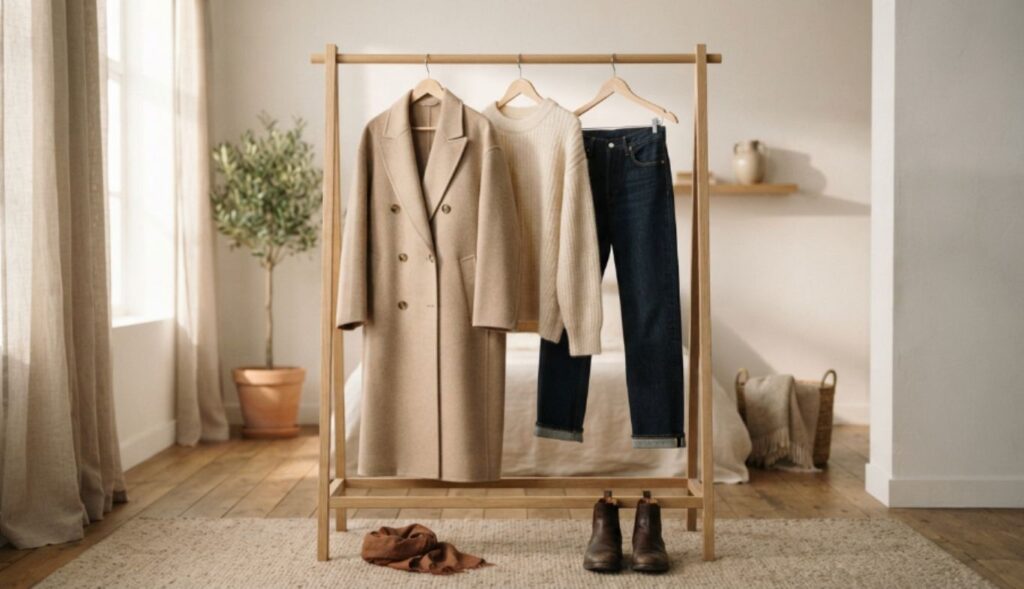
Minimalist fashion works throughout the year, but your fabric choices should change with the seasons.
Spring
Choose:
- Lightweight cotton
- Oxford shirts
- Chinos
- Lightweight overshirts
- Low-profile sneakers
Spring is ideal for layering because temperatures can change during the day.
Summer
Focus on breathable materials.
Consider:
- Linen shirts
- Cotton T-shirts
- Lightweight trousers
- Tailored shorts
- Canvas sneakers
- Loafers
Light colors such as cream, white, beige, and light blue can create a fresh summer appearance.
Fall
Fall is perfect for texture.
Try:
- Knit sweaters
- Denim jackets
- Overshirts
- Corduroy trousers
- Suede footwear
- Wool coats
Earth tones work particularly well during this season.
Winter
Build warmth through layers.
A useful formula is: Base layer + Knitwear + Coat + Boots Wool, merino, and other insulating fabrics can provide warmth without requiring excessive bulk. For broader fashion history and examples of clothing collections, the Victoria and Albert Museum’s fashion collection is a useful external resource.
Minimalist Wardrobe Checklist
Use this as a starting point rather than a strict shopping list.
| Category | Essential Options |
|---|---|
| T-Shirts | White, black, gray |
| Casual Shirts | Oxford, overshirt |
| Knitwear | Crew-neck sweater, cardigan |
| Jeans | Dark blue, black |
| Chinos | Navy, beige, olive |
| Trousers | Charcoal, navy |
| Outerwear | Denim jacket, overshirt, coat |
| Blazer | Navy or charcoal |
| Sneakers | White minimalist pair |
| Dress Shoes | Loafers or derbies |
| Boots | Simple leather or suede |
| Belt | Black or brown leather |
| Watch | Simple everyday design |
| Bag | Minimal backpack, tote, or briefcase |
| Sunglasses | Classic frame |
How to Shop Like a Minimalist
Before purchasing anything, ask five questions:
1. Does It Fit Properly?
If the answer is no, don’t assume you’ll eventually wear it.
2. Can I Wear It With at Least Three Outfits?
Versatility is one of the foundations of minimalist dressing.
3. Does It Match My Existing Color Palette?
If you need to buy three additional pieces just to make one item work, it may not be a smart purchase.
4. Is the Quality Appropriate for Its Price?
Examine fabric, construction, and finishing.
5. Would I Still Want This Without the Trend?
Trends can be fun, but a minimalist wardrobe should be built around long-term usefulness. Taking a short pause before purchasing can prevent many impulse buys.
Frequently Asked Questions
1. What is minimalist fashion for men?
Minimalist fashion for men is a clothing approach based on simplicity, versatility, quality, neutral colors, clean silhouettes, and intentional purchases. It focuses on creating useful outfits from a relatively streamlined wardrobe.
2. What colors are best for a minimalist men’s wardrobe?
Black, white, gray, navy, beige, cream, brown, and olive are excellent choices. They coordinate easily and provide a strong foundation for mixing and matching.
3. How many clothes should a minimalist man own?
There’s no universal number. The right amount depends on your lifestyle, climate, work requirements, and laundry routine. The goal is to own enough useful clothing without accumulating pieces you rarely wear.
4. Is minimalist fashion expensive?
It doesn’t have to be. Minimalism is about buying intentionally rather than buying expensive products. You can build a strong wardrobe at many different budgets by prioritizing fit, versatility, and quality.
5. Can minimalist fashion still look stylish?
Absolutely. Minimalist style can be highly fashionable because it emphasizes fit, proportions, fabric, color coordination, and quality. You can also add personality through accessories, texture, footwear, and outerwear.
6. Are patterns allowed in minimalist fashion?
Yes. Minimalism doesn’t prohibit patterns. Subtle stripes, checks, and restrained prints can work well. The key is avoiding a combination of too many competing visual elements.
7. What shoes should every minimalist man own?
A versatile starting collection could include clean sneakers, loafers or derbies, and simple boots. Add formal footwear if your lifestyle requires it.
8. Does minimalist style mean wearing only neutral colors?
No. Neutral colors are useful because they’re easy to coordinate, but you can incorporate stronger colors. A single burgundy, forest green, rust, or blue item can add personality without disrupting a minimalist wardrobe.
9. How can I make minimalist outfits more interesting?
Focus on texture, layering, proportions, and accessories. A wool sweater, denim jacket, leather shoes, and simple watch can create plenty of visual interest without loud patterns.
10. How do I start a minimalist wardrobe on a budget?
Begin with the clothes you wear most often. Replace worn-out basics gradually, choose versatile colors, shop less frequently, and prioritize fit. You don’t need to purchase an entire wardrobe in one weekend.
Conclusion
Minimalist fashion for men is ultimately less about owning fewer clothes and more about making better decisions. A successful minimalist wardrobe contains pieces that earn their place. They fit properly, coordinate easily, suit your lifestyle, and provide enough flexibility to create different outfits. Start with dependable basics. Build around neutral colors. Pay attention to fit. Invest in quality where it matters. Keep accessories controlled, choose versatile footwear, and develop a personal signature.
Most importantly, don’t feel pressured to copy someone else’s version of minimalism. Your wardrobe should work for your life. Whether you’re dressing for the office, meeting friends, traveling, attending dinner, or simply running errands, a thoughtfully designed wardrobe can make getting dressed considerably easier. And that’s the real power of minimalist style: less clutter, more versatility, and greater confidence in what you wear.