

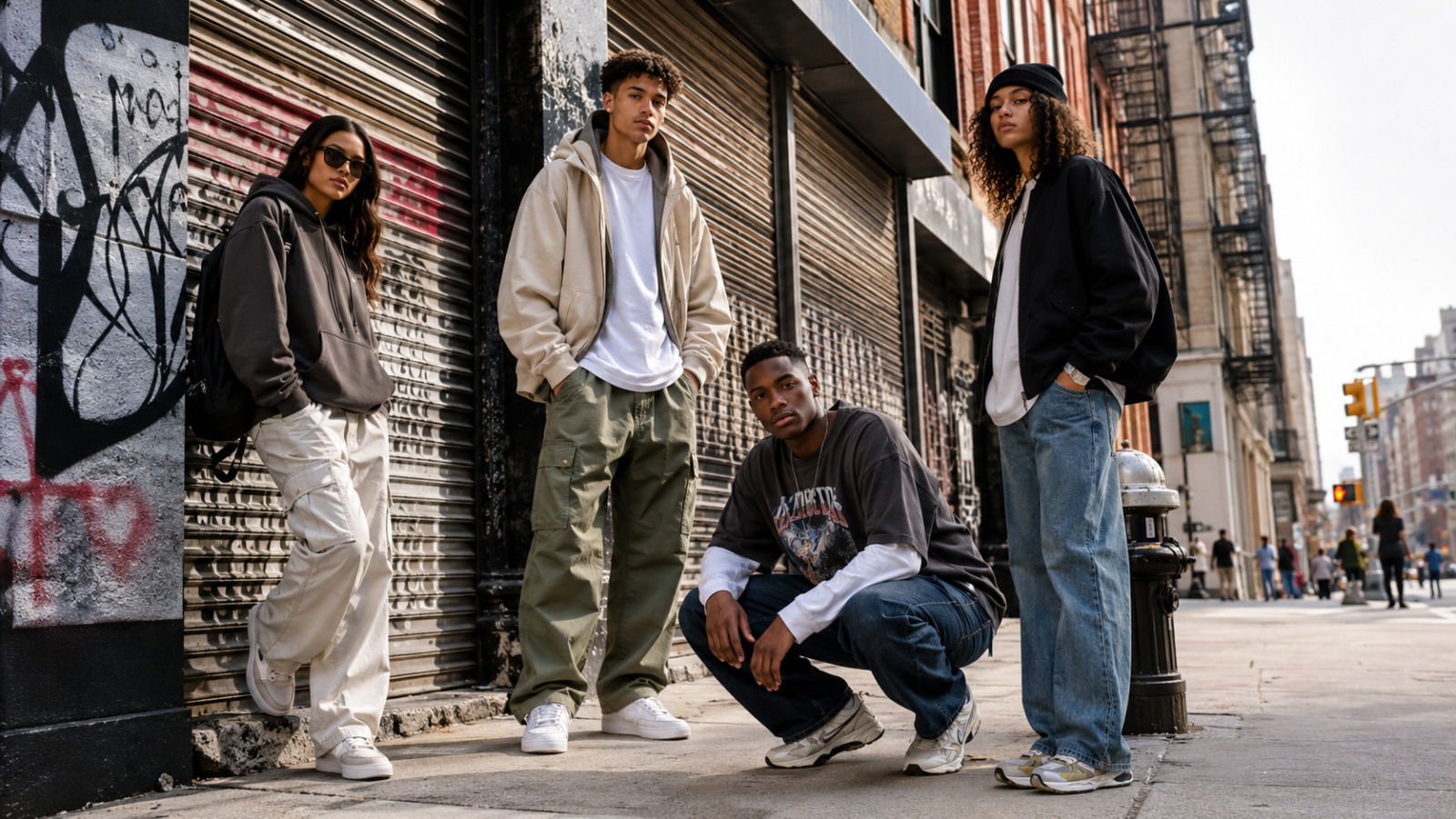
Streetwear fashion has a habit of confusing people who are seeing it from the outside. To some, it’s oversized hoodies, expensive sneakers, and graphic T-shirts. To others, it’s a culture built on music, skateboarding, art, and self-expression. The truth sits somewhere in between.
What makes streetwear different from traditional fashion is that it rarely starts on runways. Trends often emerge from city streets, skate parks, hip-hop scenes, and online communities long before luxury houses notice them. That grassroots origin is precisely why streetwear continues to influence global fashion decades after it first appeared.
You don’t need a closet full of rare sneakers or limited-edition drops to dress well in streetwear. The strongest outfits usually combine personal taste with a few carefully chosen essentials. Understanding the culture behind the clothing matters just as much as knowing which brands are trending. Once you understand those foundations, building your own streetwear style becomes far easier—and far more authentic.
What Is Streetwear Fashion?
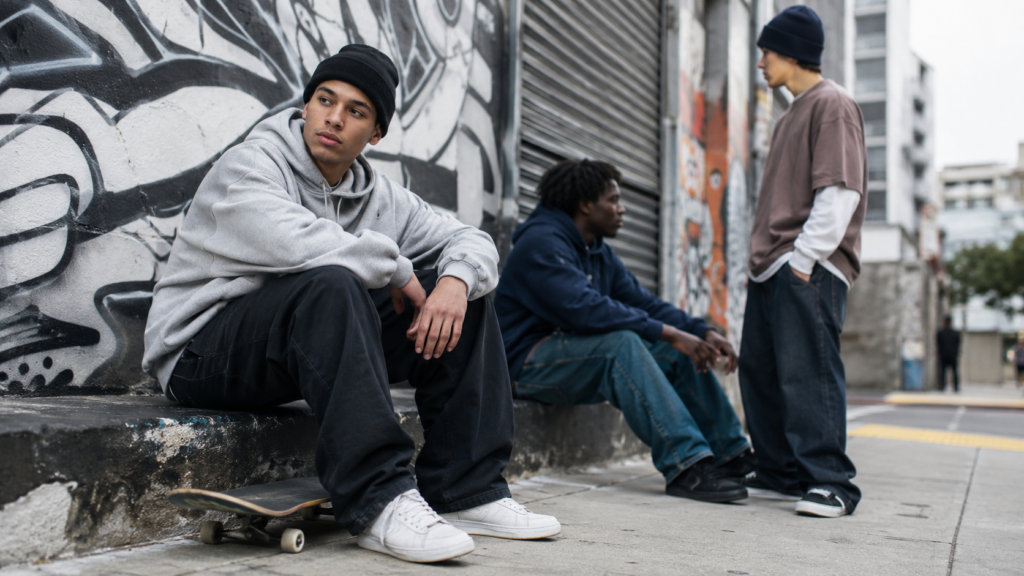
Streetwear fashion is a casual style rooted in urban culture, particularly skateboarding, hip-hop, surfing, and sneaker culture. Comfort plays a major role, but so does individuality. Streetwear encourages people to wear clothing that reflects their interests, influences, and identity.
Oversized silhouettes remain a defining characteristic, although modern streetwear isn’t limited to baggy clothing. You’ll see everything from relaxed cargo pants and graphic tees to tailored pieces mixed with sneakers. The common thread is attitude rather than specific garments.
Streetwear Fashion One mistake newcomers often make is assuming streetwear means wearing logos from head to toe. Experienced enthusiasts usually do the opposite. They combine statement pieces with simple basics to create balanced outfits. A plain oversized hoodie paired with quality sneakers can look stronger than an outfit covered entirely in branding.
Streetwear also thrives on scarcity. Limited releases, collaborations, and exclusive drops create excitement and community discussion. Yet style shouldn’t depend solely on owning rare items. Creativity consistently outlasts hype.
How Streetwear Evolved From Subculture to Global Industry
Modern streetwear traces its roots back to California’s surf and skate communities during the late 1970s and early 1980s. Brands such as Stüssy helped establish the visual language that still influences streetwear today.
During the 1980s and 1990s, hip-hop culture accelerated streetwear’s growth. Artists adopted oversized fits, sportswear, sneakers, and bold graphics as part of their public image. As rap music became mainstream, fashion followed.
The rise of sneaker culture changed everything. Basketball shoes, especially iconic models like the Air Jordan series, transformed from athletic equipment into cultural symbols. Sneaker collecting developed into an entire ecosystem, complete with resale markets, conventions, and dedicated communities.
Streetwear Fashion Luxury fashion houses initially ignored streetwear. That changed dramatically in the 2010s. Designers such as Virgil Abloh blurred the boundaries between luxury and street culture, proving that hoodies and sneakers belonged alongside traditional high fashion. Collaborations between sportswear companies and luxury labels further cemented streetwear’s influence.
Industry analysts estimate that the global streetwear market is worth billions of dollars annually, demonstrating how a once-niche movement became one of fashion’s most powerful forces.
Essential Pieces Every Streetwear Wardrobe Needs
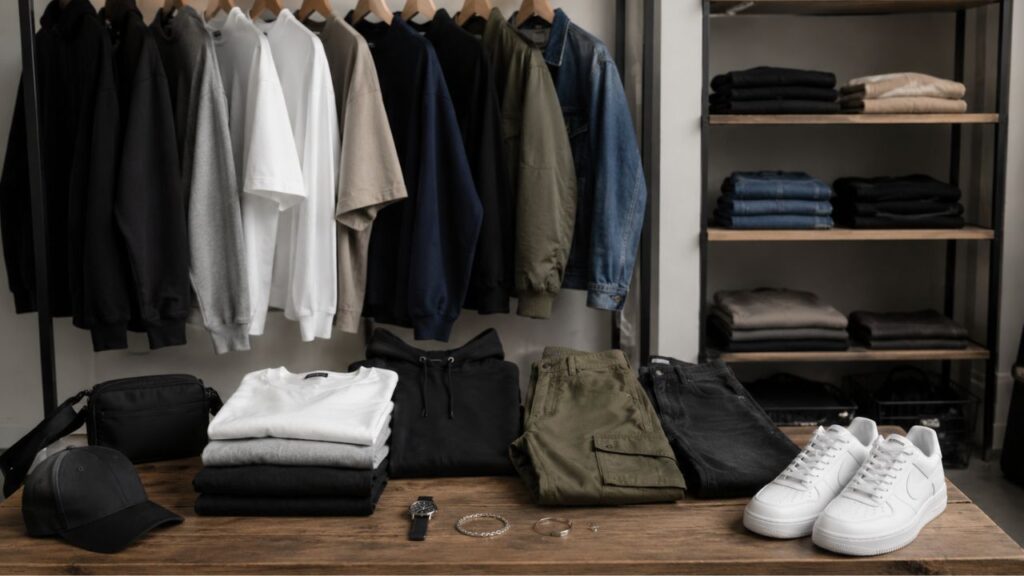
People often ask what they should buy first. The answer isn’t a limited-edition sneaker or a rare collaboration. Strong wardrobes begin with versatile basics.
A practical streetwear wardrobe should include:
- High-quality oversized or relaxed-fit T-shirts, hoodies, cargo pants, straight-leg denim, clean sneakers, and a versatile jacket.
- Accessories such as caps, crossbody bags, beanies, and minimal jewelry to add personality without overwhelming an outfit.
Quality matters more than quantity. Fabric weight, fit, and construction make a noticeable difference. Heavyweight cotton tees, for example, generally drape better and retain their shape longer than inexpensive alternatives.
Sneakers deserve special attention because they often anchor the entire look. Models from companies like Nike and Adidas remain staples, but expensive footwear isn’t mandatory. Clean, well-maintained sneakers almost always look better than heavily worn premium pairs.
Building a capsule wardrobe also prevents unnecessary spending. Many people entering streetwear buy impulsively, chasing every trend. A smaller collection of versatile pieces usually produces more outfit combinations and reduces buyer’s remorse.
How to Style Streetwear Without Looking Overdressed
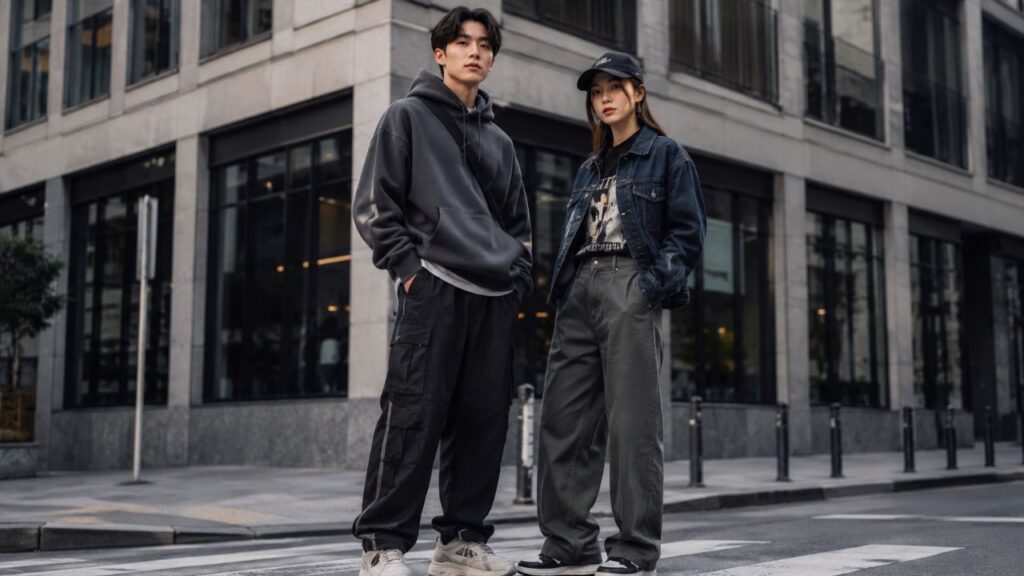
Streetwear Fashion Styling streetwear successfully often comes down to proportions.
If you’re wearing oversized clothing on top, balance it with slightly slimmer bottoms. Conversely, wide-leg trousers pair well with fitted or cropped outerwear. Playing with silhouette creates visual interest while maintaining balance.
Layering is another hallmark of modern streetwear. Hoodies under denim jackets, oversized shirts worn open over graphic tees, and bomber jackets paired with sweatshirts all add depth to an outfit.
Here are a few reliable outfit formulas:
| Outfit Formula | Works Best For |
| Oversized hoodie + cargo pants + sneakers | Everyday casual wear |
| Graphic tee + straight-leg jeans + bomber jacket | Transitional seasons |
| Monochrome sweatshirt + wide-leg trousers | Minimal streetwear looks |
| Denim jacket + hoodie + sneakers | Layered autumn outfits |
Streetwear isn’t exclusively masculine or feminine. Contemporary fashion increasingly embraces gender-neutral styling, giving people greater freedom to experiment with silhouettes and proportions.
Streetwear Fashion Seasonality matters, too. Summer streetwear often relies on breathable fabrics, loose shorts, and lightweight shirts. Winter outfits tend to emphasize layering, oversized outerwear, and textured materials.
Most importantly, avoid dressing like a catalogue. The most memorable outfits usually contain unexpected combinations or personal touches that reflect individual taste.
The Best Streetwear Brands to Know
Streetwear spans every price range imaginable.
At the heritage end, brands like Supreme and Stüssy continue to shape trends decades after their launch. Their influence extends beyond clothing into art, music, and youth culture.
Japanese labels have also played a crucial role. BAPE helped popularize bold graphics and limited-edition releases, while many contemporary Japanese brands continue pushing design boundaries.
Streetwear Fashion Luxury streetwear occupies another category entirely. Labels such as Off-White and Fear of God introduced elevated materials and premium craftsmanship while maintaining streetwear aesthetics. These brands demonstrated that casual clothing could command luxury prices.
Affordable alternatives remain widely available. Retailers including Uniqlo and ASOS offer accessible basics that work exceptionally well as wardrobe foundations. Mixing premium statement pieces with affordable essentials is a strategy many experienced dressers use regularly.
Emerging independent brands deserve attention as well. Smaller labels frequently produce original designs without relying on heavy branding or hype-driven marketing. Supporting independent creators can help you develop a style that feels more distinctive.
Trends Shaping Streetwear Fashion
Streetwear trends evolve quickly, but several broader movements are influencing the industry.
Sustainability has become increasingly significant. Consumers are paying closer attention to manufacturing practices, material sourcing, and garment longevity. Vintage shopping and second-hand resale platforms continue growing as a result.
Technical fabrics are also becoming more common. Influences from techwear—water-resistant materials, utility pockets, and functional design—are appearing across mainstream streetwear collections.
Another notable shift is the move toward understated design. After years dominated by oversized logos and aggressive branding, many consumers now prefer minimalist aesthetics. Neutral colours, clean silhouettes, and subtle branding have gained popularity.
Streetwear Fashion At the same time, nostalgia remains powerful. Vintage sportswear, retro sneakers, and early-2000s influences continue resurfacing in modern collections.
Perhaps the biggest long-term trend is inclusivity. Contemporary streetwear increasingly welcomes diverse body types, identities, and style preferences. That openness reflects the culture’s original spirit: self-expression without rigid rules.
Final Thoughts
Streetwear fashion continues evolving because it adapts to cultural change while preserving its roots in creativity and community. Trends will come and go, but personal style remains the foundation of great dressing.
Rather than chasing every release or copying influencers, focus on understanding fit, proportion, and quality. Build a wardrobe gradually, experiment with different silhouettes, and pay attention to what genuinely feels comfortable. Streetwear has always rewarded originality more than conformity, and that’s unlikely to change anytime soon.
Frequently Asked Questions
What is considered streetwear fashion?
Streetwear refers to casual fashion influenced by urban culture, skateboarding, hip-hop, sneakers, and contemporary youth trends.
Is streetwear still popular?
Yes. Streetwear continues to influence both mainstream and luxury fashion, although current trends favour cleaner and more understated aesthetics.
Do you need expensive brands to wear streetwear?
No. Many stylish streetwear outfits rely on affordable basics combined thoughtfully. Fit and styling matter more than price.
What shoes work best with streetwear outfits?
Classic sneakers, including basketball, skate, and lifestyle models, remain the most popular footwear choices for streetwear styling.
How can beginners start wearing streetwear?
Start with essentials such as quality T-shirts, hoodies, straight-leg trousers, and versatile sneakers. Add statement pieces gradually as your personal style develops.