Igari Makeup Style A lot of makeup trends promise a youthful, fresh-faced appearance. Most of them rely on contouring, heavy highlighting, or complicated techniques that take far longer than social media videos suggest. Igari makeup became popular for almost the opposite reason. Instead of sculpting the face, it focuses on creating softness.
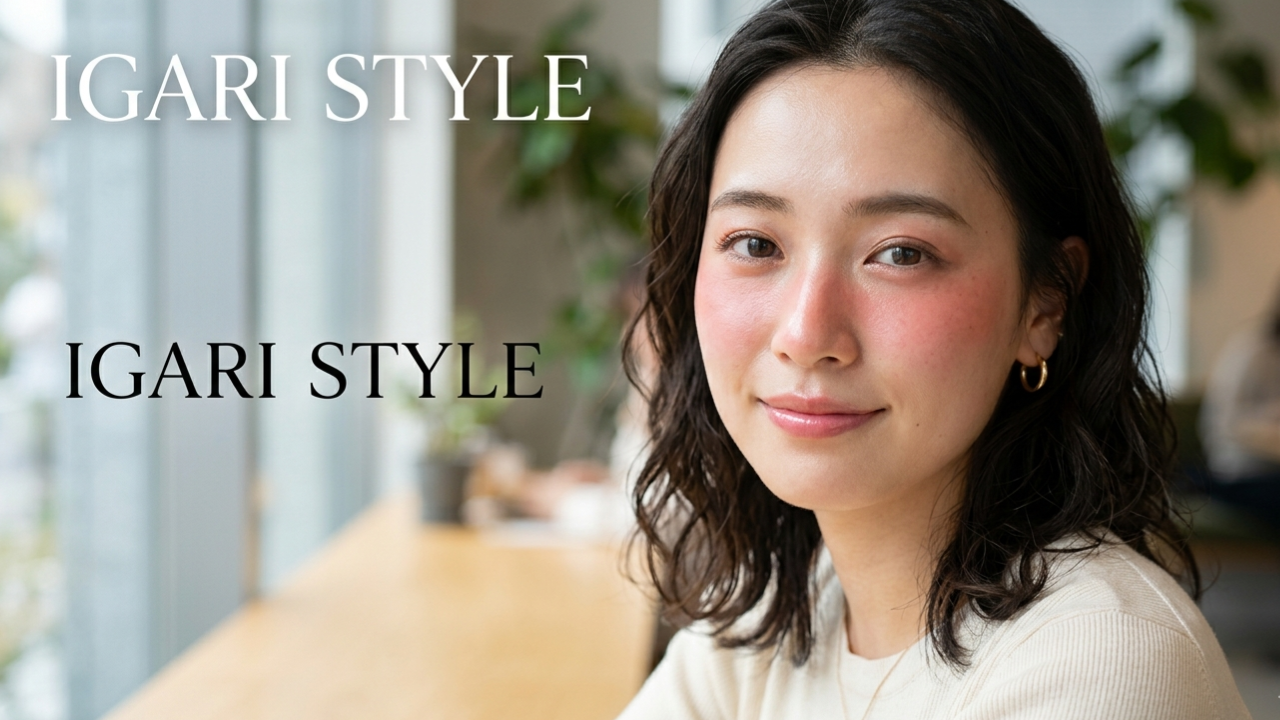
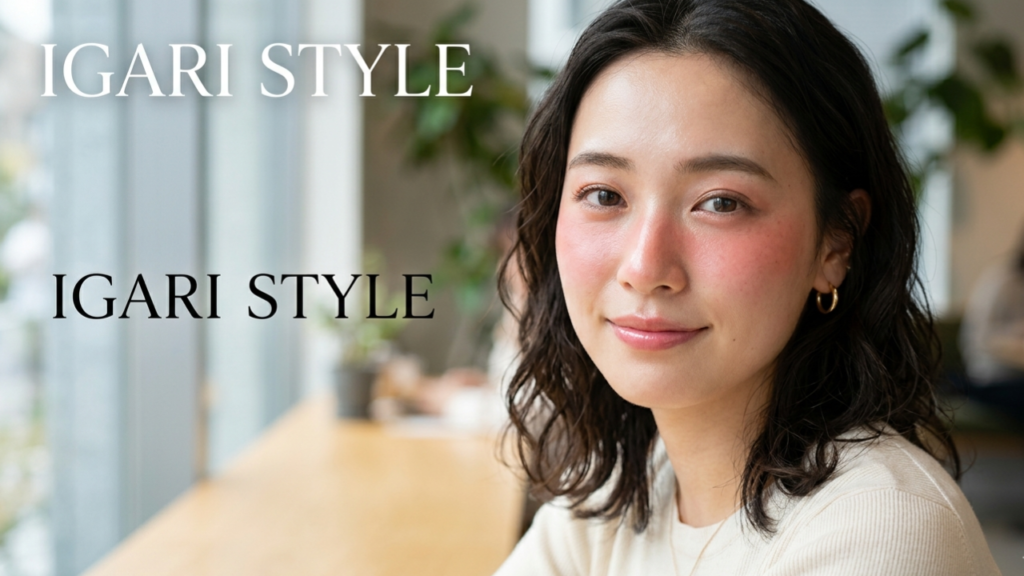
Igari Makeup Style Originally developed by Japanese makeup artist Shinobu Igari, the look became known as “hangover makeup” because of its signature blush placement across the cheeks and beneath the eyes. The name sounds unusual at first, but the goal isn’t to look tired. The intention is to create a naturally flushed complexion that resembles healthy, warm skin.
What makes Igari makeup particularly interesting is that it has remained relevant long after many beauty trends faded. While trends like dramatic Instagram glam have become less common, softer aesthetics continue to influence beauty communities across TikTok, Pinterest, and J-Beauty circles. The appeal is simple: it makes the face look approachable, youthful, and effortlessly radiant without appearing heavily made up.
What Makes Igari Makeup Different?

Igari Makeup Style Many articles describe Igari makeup as a blush trend, but that explanation only tells part of the story.
The defining feature is certainly the blush placement. Rather than sitting high on the cheekbones or extending toward the temples, blush is concentrated beneath the eyes and across the center of the face. This placement creates the illusion of warmth and softness. It also draws attention toward the middle of the face, making features appear gentler.
However, experienced makeup artists know that the blush works because the rest of the makeup stays restrained. Strong contour, dramatic cut creases, and sharp brows often clash with the aesthetic. The look depends on balance.
Igari Makeup Style Skin is usually dewy rather than matte. Eye makeup enhances the eyes without dominating them. Lips tend to appear hydrated and naturally tinted rather than boldly defined. Every element contributes to a cohesive appearance that feels youthful without looking childish.
One reason the trend continues to attract attention is that it photographs exceptionally well. The soft flush creates dimension on camera while still looking natural in person.
The Origins of Igari Makeup
Igari Makeup Style Understanding where the trend came from helps explain why it looks so different from many Western beauty styles.
Shinobu Igari developed the technique while working within Japan’s beauty industry. Japanese beauty culture has long emphasized skin quality, softness, and subtle enhancement rather than dramatic transformation. Instead of reshaping facial features through contouring, many J-Beauty techniques focus on highlighting natural characteristics.
Igari’s approach fit perfectly within that philosophy.
As beauty content spread internationally through social media, the look began appearing outside Japan. Beauty creators on TikTok introduced it to audiences who were already interested in Korean beauty, soft girl aesthetics, and anime-inspired makeup. Soon, under-eye blush became one of the most recognizable elements of the trend.
Interestingly, many people discover Igari makeup while searching for Gyaru makeup or Douyin makeup. Although all three styles gained popularity online, they serve very different purposes. Igari makeup emphasizes softness and innocence, while Gyaru makeup often focuses on bold eyes, dramatic lashes, and stronger contrast. Douyin makeup sits somewhere in between, combining soft skin with more detailed eye techniques.
How to Create an Authentic Igari Makeup Look
Igari Makeup Style One mistake beginners make is assuming that applying blush under the eyes automatically creates the look. In reality, the foundation underneath matters just as much.
Start with lightweight skin preparation. Hydrated skin creates the fresh finish associated with Japanese beauty trends. Heavy matte foundations can make the blush appear disconnected from the skin.
Apply a sheer foundation, skin tint, or lightweight base product. The goal isn’t complete coverage. Allowing some natural texture to remain visible often looks more authentic.
Next comes the most important step: blush placement.
Igari Makeup Style Using a cream or liquid blush generally produces the most natural result. Place the colour across the upper cheeks and blend slightly beneath the eyes. Rather than sweeping outward toward the hairline, keep the colour concentrated closer to the centre of the face.
A useful trick professionals often use is applying blush gradually in thin layers. It’s much easier to build colour than remove excess pigment. The final result should resemble a natural flush rather than obvious makeup.
Eye makeup should remain soft. Brown eyeliner, subtle mascara, and gentle definition work better than dramatic wings or intense smoky eyes. For lips, tinted balms and soft pink shades usually complement the look best.
The overall effect should appear cohesive rather than focusing attention on any single feature.
Choosing the Right Igari Makeup for Your Skin Tone
Igari Makeup Style One criticism frequently directed at Igari makeup is that many tutorials focus exclusively on fair skin. That’s unfortunate because the technique can work beautifully across a wide range of complexions when adapted properly.
The key isn’t copying the exact blush shade shown in viral videos. It’s finding colours that mimic a natural flush for your skin tone.
For fair skin, soft pinks often create the desired effect. Medium skin tones frequently benefit from rosy peach shades that add warmth without appearing overly bright. Igari Makeup Style Olive complexions can look particularly flattering with rose and berry tones. Deeper skin tones often achieve the most natural results with rich berry, wine, or warm reddish blushes.
Many people with deeper skin make the mistake of selecting pastel shades because those colours dominate online tutorials. Unfortunately, pastel blushes can appear ashy or disappear entirely on richer complexions.
Instead of focusing on the colour someone else uses, focus on the colour your skin naturally develops after exercise or exposure to warmth. That often provides the most realistic reference point.
This simple adjustment can completely transform the final result.
Igari Makeup vs Gyaru Makeup Understanding the Difference
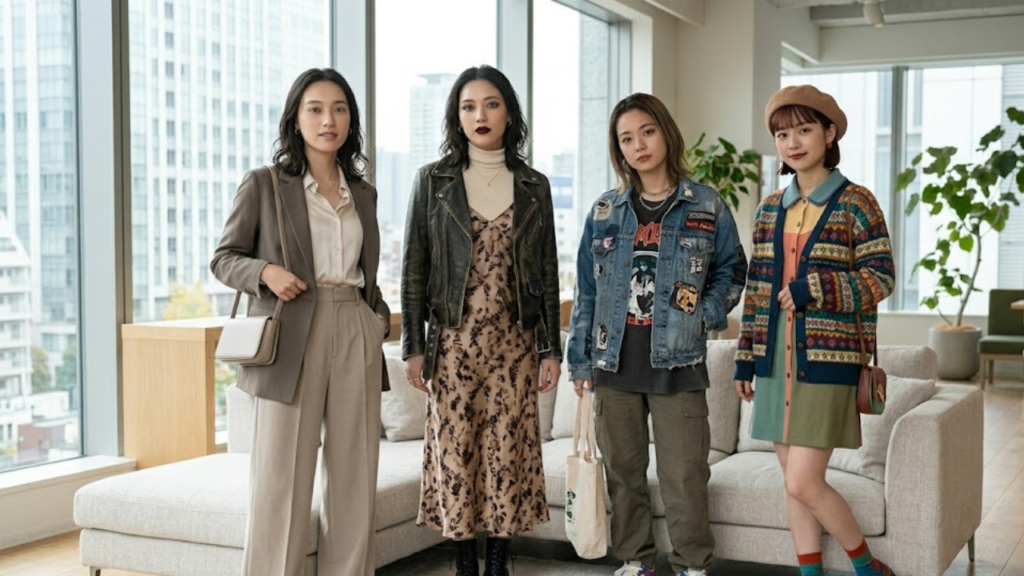
Since IIgari Makeup Style is frequently discussed alongside Gyaru makeup, the distinction deserves clarification.
| Feature | Igari Makeup | Gyaru Makeup |
| Overall Look | Soft and youthful | Bold and glamorous |
| Blush Placement | Under eyes and centre cheeks | Traditional cheek placement |
| Eye Makeup | Minimal and natural | Dramatic and enlarged |
| Skin Finish | Dewy and fresh | Varies but often more polished |
| Goal | Natural flush | Fashion-forward statement |
People often assume Igari makeup belongs directly within Gyaru culture, but that’s not entirely accurate. While both originated in Japan, they emerged from different beauty philosophies.
Gyaru embraces transformation. The style intentionally exaggerates certain features through lashes, lenses, contouring, and eye makeup. Igari makeup does almost the opposite. It attempts to create the illusion that very little makeup is being worn.
Neither approach is better. They simply create different visual effects.
Igari Makeup Style For someone seeking an everyday makeup style, Igari tends to feel more accessible. For fashion shoots, themed events, or bold self-expression, Gyaru offers more dramatic possibilities.
Common Mistakes That Make Igari Makeup Look Unnatural
Most unsuccessful attempts at Igari makeup come from overcorrection.
People see images featuring noticeable blush and assume they need more colour than they actually do. The result can look theatrical rather than naturally flushed.
Some of the most common mistakes include:
- Applying blush too low on the face
- Using highly pigmented blush without gradual layering
- Pairing the look with heavy contouring
- Choosing blush shades that don’t suit the skin tone
- Using overly matte foundation products
Another mistake rarely mentioned is ignoring facial proportions. The exact blush placement that works on one person may not suit another. Someone with a longer face might benefit from slightly wider placement, while a rounder face may look best with colour concentrated closer to the centre.
Igari Makeup Style Professional makeup artists adjust placement based on facial structure rather than blindly following diagrams.
That flexibility often separates an authentic-looking result from one that feels forced.
Why Igari Makeup Continues to Influence Beauty Trends
Beauty trends usually disappear as quickly as they arrive. Igari makeup has shown unusual staying power because it addresses something many people genuinely want: healthy-looking skin and natural warmth.
Even when beauty trends shift, the principles behind Igari makeup remain relevant. Soft colour placement, hydrated skin, and subtle enhancement consistently appeal to people who prefer approachable beauty rather than dramatic transformation.
The trend has also influenced other aesthetics. Elements of Igari blush now appear in soft girl makeup, Korean beauty looks, and even certain versions of Douyin makeup. What started as a distinct Japanese technique has quietly shaped global beauty trends for years.
That influence speaks to the strength of the concept. Instead of chasing perfection, Igari makeup embraces softness, warmth, and humanity—qualities that rarely go out of style.
Frequently Asked Questions
What is Igari makeup?
Igari makeup is a Japanese beauty style created by makeup artist Shinobu Igari. It is known for under-eye blush placement, dewy skin, and a naturally flushed appearance.
Why is Igari makeup called hangover makeup?
The look mimics the soft redness that appears in the cheeks after drinking alcohol. Despite the name, the goal is to create a healthy, youthful glow rather than a tired appearance.
Is Igari makeup suitable for dark skin?
Yes. The technique works on all skin tones when blush colours are adapted appropriately. Rich berry, rose, and warm red tones often create the most natural-looking results on deeper complexions.
How is Igari makeup different from Douyin makeup?
Igari makeup focuses on soft blush and natural enhancement. Douyin makeup generally includes more detailed eye makeup, highlighting techniques, and a doll-like appearance.
Can Igari makeup be worn every day?
Absolutely. Its lightweight application and natural finish make it one of the easiest Japanese makeup trends to adapt for everyday wear.