

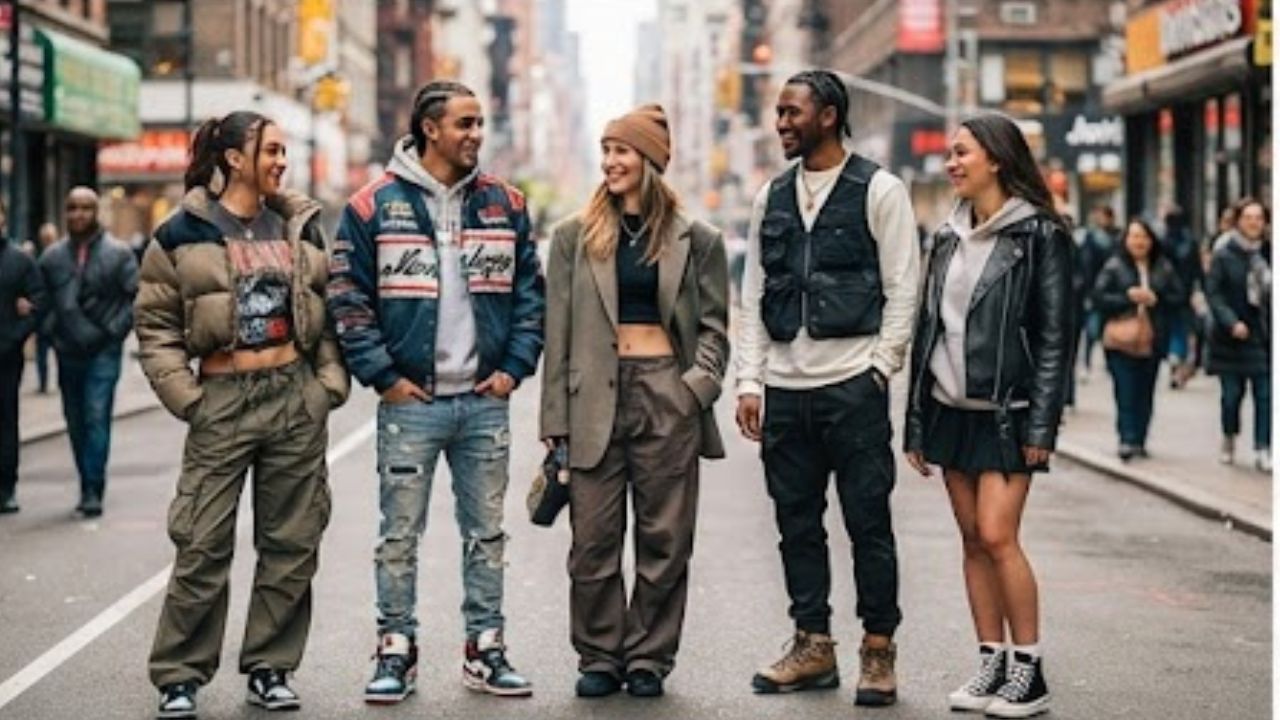
Streetwear Outfits has grown far beyond its roots in skate parks and hip-hop culture. What began as a niche style is now one of the most influential movements in fashion, shaping everything from luxury collections to everyday wardrobes. Yet, despite its popularity, many people still assume streetwear is simply a hoodie paired with sneakers. The reality is much more interesting. Great streetwear outfits rely on balance, proportion, and personal expression rather than expensive labels or limited-edition releases.
The best outfits feel effortless because every piece works together. An oversized hoodie looks intentional when paired with the right trousers. Baggy jeans appear modern when their proportions are balanced with clean footwear. Even simple basics can create a memorable look when combined thoughtfully. If you’re building your first streetwear wardrobe or refining your personal style, understanding these principles will help you create outfits that feel authentic instead of copied from social media.
What Makes a Streetwear Outfit Stand Out?
Streetwear Outfits Many fashion trends focus on following seasonal collections, but streetwear has always been driven by culture first. Music, art, basketball, skateboarding, and local communities have influenced its evolution far more than traditional fashion houses. That cultural connection explains why the style constantly changes while still keeping its identity.
A strong streetwear outfit usually combines relaxed silhouettes with carefully chosen details. Oversized T-shirts, hoodies, cargo pants, baggy jeans, varsity jackets, and quality sneakers often form the foundation, but the clothing itself isn’t what makes the outfit successful. Fit and proportion matter much more.
Streetwear Outfits One mistake people often make is assuming everything should be oversized. Experienced stylists usually create contrast instead. A loose hoodie works well with straight-leg cargo pants instead of extremely wide trousers. Likewise, oversized denim often pairs better with a fitted jacket than another oversized layer. The eye naturally appreciates balance, and that’s where many beginner outfits fall short.
Color also deserves more attention than it receives. Neutral tones such as black, grey, cream, olive, and navy remain popular because they make mixing different pieces much easier. Once those basics are established, introducing a brighter graphic tee or colorful sneakers creates visual interest without overwhelming the outfit.
Building a Wardrobe That Actually Works
Streetwear Outfits Buying random trendy pieces rarely produces consistently good outfits. A smaller wardrobe filled with versatile essentials offers far more flexibility than a closet packed with impulse purchases. Instead of chasing every new release, focus on items that can be combined repeatedly.
Start with these essentials:
- Oversized T-shirts in neutral colours, a quality hoodie, cargo pants, baggy jeans, straight-leg trousers, a bomber or varsity jacket, clean sneakers, and a few understated accessories such as a cap or crossbody bag.
- Choose quality fabrics and proper fit over large logos. Well-made basics often look more expensive than heavily branded clothing, and they remain stylish long after short-lived trends disappear.
Another overlooked tip is to pay attention to fabric texture. Mixing heavyweight cotton with denim, nylon, fleece, or wool creates depth even when every item shares a similar colour palette. This subtle contrast gives outfits a more refined appearance without making them look overstyled.
Streetwear Outfits A practical wardrobe also reflects your daily routine. Someone walking around a university campus may prioritise comfortable sneakers and lightweight hoodies, while another person commuting to work could prefer relaxed trousers with a clean bomber jacket. Streetwear should adapt to your lifestyle rather than forcing you into someone else’s aesthetic.
Creating Streetwear Fits for Different Occasions

Streetwear Outfits One reason streetwear continues to dominate casual fashion is its versatility. The same core wardrobe can produce completely different looks depending on how individual pieces are combined.
For everyday wear, an oversized graphic T-shirt paired with relaxed cargo pants and classic sneakers creates an outfit that feels comfortable without looking careless. A simple chain necklace or baseball cap adds personality without becoming the centre of attention.
Colder weather opens the door to layering, one of the strongest elements of streetwear. Instead of piling on bulky clothing, think about depth. A heavyweight hoodie under a varsity jacket creates structure while still allowing movement. Add straight-leg trousers and leather sneakers, and the outfit feels polished despite remaining casual.
Streetwear Outfits Warmer months require a lighter approach. Breathable cotton T-shirts, relaxed shorts, crew socks, and low-profile sneakers create an easy summer outfit that still captures the streetwear aesthetic. Choosing lighter colours such as cream, sage green, or washed grey also reflects heat better than darker fabrics.
Many people overlook footwear when planning outfits, yet shoes often determine whether the overall look feels cohesive. A clean pair of white sneakers can modernise almost any combination, while basketball-inspired trainers pair naturally with baggy denim and oversized hoodies. Instead of buying dozens of different pairs, rotating between two or three versatile options usually delivers better value.
Why Baggy Streetwear Continues to Lead Fashion
Baggy streetwear has returned in a big way, but its popularity isn’t simply nostalgia. Relaxed silhouettes offer comfort while creating stronger visual proportions than extremely slim clothing. Modern designers have refined oversized cuts so they drape naturally rather than appearing shapeless.
Streetwear Outfits The key difference between stylish baggy clothing and clothing that simply looks too large lies in intentional sizing. Pants should sit comfortably at the waist instead of sagging excessively. Sleeves may extend slightly beyond the wrist, but they shouldn’t completely hide the hands. These small adjustments dramatically change how an outfit appears.
Footwear also influences how oversized trousers behave. Chunkier sneakers often balance wide-leg pants better than extremely slim shoes because they create visual weight at the bottom of the outfit. That’s one reason basketball shoes, skate shoes, and retro running sneakers remain favourites within streetwear communities.
Streetwear Outfits Confidence also plays a surprisingly large role. Oversized clothing changes body proportions, and wearing it comfortably makes the outfit appear intentional. Constantly adjusting sleeves or pulling at loose fabric has the opposite effect. The most stylish people tend to wear relaxed clothing naturally because they’ve chosen pieces that genuinely fit their personal style instead of simply following trends.
Streetwear Outfits for Men and Women
Although the foundations of streetwear remain similar across wardrobes, styling choices often differ based on personal taste rather than strict fashion rules. For men, relaxed cargo trousers, heavyweight hoodies, oversized T-shirts, and classic denim jackets continue to dominate because they create a clean silhouette that’s easy to customise. A monochrome outfit in black, charcoal, and white can look just as striking as a bold combination with colourful sneakers, provided the proportions remain balanced.
Streetwear Outfits Women’s streetwear has become increasingly diverse, blending oversized staples with more tailored pieces. An oversized hoodie worn with wide-leg jeans, a cropped bomber jacket, and retro sneakers creates a relaxed yet polished look. Others may combine cargo trousers with a fitted ribbed top to add contrast while keeping the outfit rooted in streetwear aesthetics. Accessories also play a bigger role, with crossbody bags, baseball caps, layered jewellery, and sunglasses adding personality without overpowering the outfit.
Rather than copying influencers from head to toe, pay attention to why their outfits work. You’ll often notice a consistent colour palette, one statement piece, and careful layering. Those principles translate far better into everyday wardrobes than chasing every trending item.
Seasonal Streetwear Styling

Streetwear Outfits adapts well to changing seasons because layering sits at the heart of the style. The challenge isn’t owning more clothing—it’s knowing how to combine what you already have.
| Season | Styling Focus |
| Spring | Lightweight jackets, relaxed jeans, neutral trainers, layered T-shirts |
| Summer | Oversized cotton tees, shorts, breathable fabrics, low-profile sneakers |
| Autumn | Hoodies, flannel shirts, cargo trousers, varsity jackets |
| Winter | Heavy hoodies, puffer jackets, wool beanies, layered outerwear and leather sneakers |
Seasonal dressing also means thinking about fabrics. Heavyweight cotton, fleece, denim, and wool provide warmth during colder months, while linen blends and lightweight jersey improve comfort in summer. Rotating fabrics instead of constantly buying new styles keeps your wardrobe practical and more cost-effective.
A common mistake is wearing exactly the same outfit year-round and simply adding or removing a jacket. Small seasonal adjustments in colour and texture often make an outfit feel fresher. Earth tones naturally complement autumn, while lighter neutrals and washed colours suit warmer weather.
Common Streetwear Mistakes That Are Easy to Avoid
Streetwear Outfits One of the biggest misconceptions about streetwear is that louder automatically means better. Oversized logos, too many accessories, and competing statement pieces can make an outfit feel cluttered instead of stylish. Simplicity often creates a stronger impression.
Another frequent issue is ignoring proportions. Wearing an oversized hoodie, extra-wide trousers, and bulky shoes together can overwhelm the body shape. Mixing relaxed pieces with structured elements usually produces a cleaner result. If your trousers are particularly wide, consider a slightly shorter jacket. If your hoodie is oversized, keep accessories minimal.
People also underestimate the importance of clothing care. Premium streetwear loses its appeal when garments are wrinkled, faded, or poorly maintained. Clean sneakers, properly folded collars, and quality fabrics instantly elevate even affordable outfits.
Finally, don’t build your wardrobe around hype alone. Limited-edition trainers or expensive hoodies won’t automatically improve your style. Developing an eye for colour coordination, fit, and layering creates outfits that remain relevant long after trends change.
Expert Styling Advice for Building Timeless Streetwear Fits
Stylists often recommend building a capsule wardrobe before expanding into trend-driven pieces. This approach keeps shopping intentional and ensures every new purchase works with what you already own.
Instead of asking, “Is this item fashionable?” ask a more useful question: “Can I create at least three outfits with it?” If the answer is no, it may not deserve space in your wardrobe.
Another professional tip involves repetition. Many well-dressed people wear the same favourite jacket or sneakers several times a week, simply styling them differently. Consistency creates a recognisable personal style, while constantly changing aesthetics often results in an unfocused wardrobe.
Streetwear also rewards confidence more than perfection. A simple oversized T-shirt, relaxed denim, clean trainers, and one carefully chosen accessory can look stronger than an outfit built around five expensive designer pieces. Personal style grows through experimentation, not imitation.
Fashion trends will continue to evolve, but the fundamentals remain surprisingly stable: wear clothes that fit your proportions, invest in versatile basics, choose quality over quantity, and let your outfit reflect your personality rather than the latest algorithm.
Final Thoughts
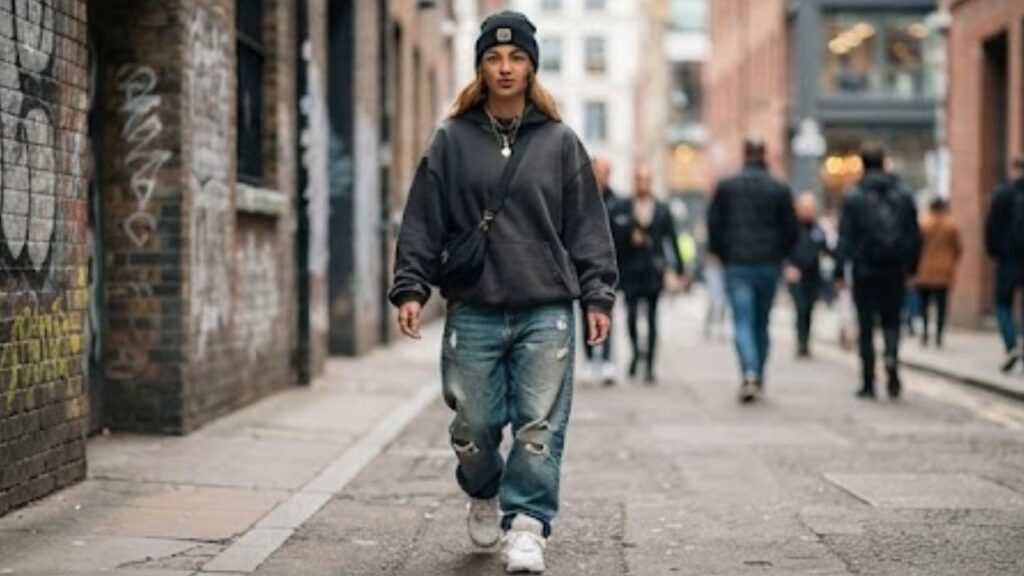
The most memorable streetwear outfits aren’t necessarily the most expensive or the boldest. They’re the ones that feel natural, balanced, and personal. Building a wardrobe around versatile essentials, understanding proportions, and paying attention to colour and texture will always outperform chasing short-lived trends. As your confidence grows, you’ll find it easier to experiment with new silhouettes, layering techniques, and statement pieces while keeping your own identity at the centre of every outfit.
Frequently Asked Questions
What defines a streetwear outfit?
A streetwear outfit combines casual clothing with thoughtful styling. Oversized tops, cargo pants, baggy jeans, sneakers, and layered outerwear are common elements, but fit, proportion, and personal expression are what truly define the style.
Are baggy clothes essential for streetwear?
No. Relaxed fits are popular, but streetwear is about balance rather than wearing everything oversized. Straight-leg trousers, regular-fit jeans, and structured jackets can all work within a modern streetwear wardrobe.
Which sneakers work best with streetwear?
Classic basketball-inspired trainers, skate shoes, retro running sneakers, and clean white leather sneakers are among the most versatile options because they pair easily with cargo trousers, denim, and oversized hoodies.
Can I build a good streetwear wardrobe on a budget?
Absolutely. Focus on quality basics such as neutral T-shirts, one hoodie, relaxed trousers, and versatile sneakers. A thoughtfully planned wardrobe often looks more stylish than one filled with expensive impulse purchases.
What’s the biggest mistake people make with streetwear?
Trying too hard to follow trends. The strongest streetwear fits reflect individual taste through balanced proportions, restrained accessories, and clothing that suits the person’s lifestyle instead of copying someone else’s look.