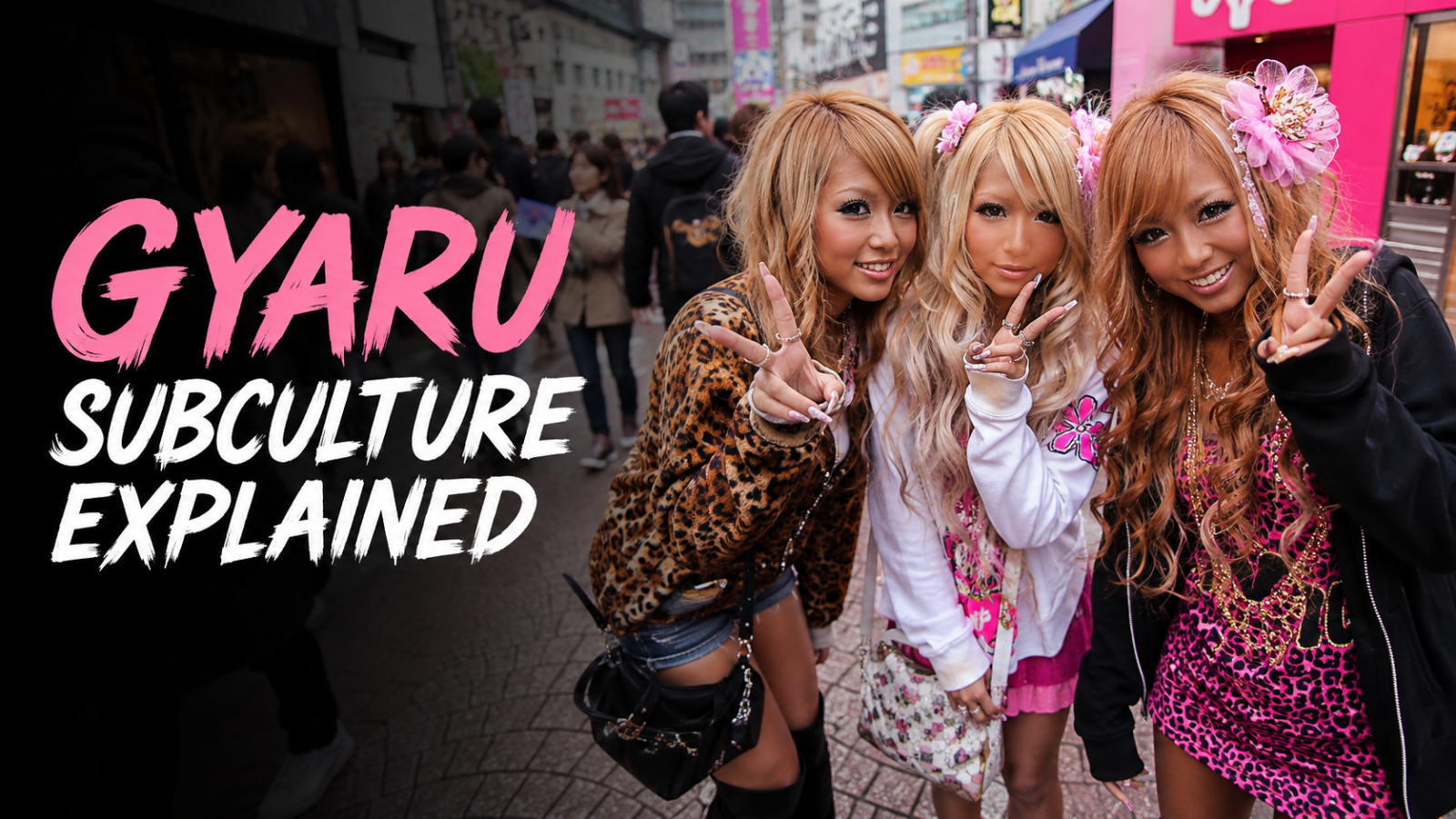
Gyaru Subculture Explained Gyaru didn’t start as a fashion trend that stayed neatly inside magazines. It began on the streets of Japan, especially around Shibuya, where young people were pushing back against the idea of what “acceptable” beauty should look like. The exaggerated hair, heavy makeup, and bold styling weren’t random choices—they were a statement. Even today, when you look at gyaru hairstyles, you’re really looking at confidence turned into visual form.
What makes the gyaru subculture interesting is how closely hair, makeup, and attitude are tied together. You can’t really separate them. A hairstyle isn’t just decoration; it’s part of identity. That’s why gyaru hair often looks dramatic, voluminous, and slightly “too much” by traditional standards. That’s the point.
In recent years, especially in the USA fashion niche, gyaru has started circulating again through TikTok and Instagram. But it looks a bit different now—softer in some cases, more experimental in others. Still, the core idea hasn’t changed: self-expression without apology.
What the Gyaru Subculture Actually Represents
Gyaru Subculture Explained If you strip away the stereotypes, gyaru is less about a fixed look and more about breaking rules around appearance. In Japan, especially in the 1990s and early 2000s, mainstream beauty standards leaned toward pale skin, natural hair, and subtle makeup. Gyaru went in the opposite direction on purpose.
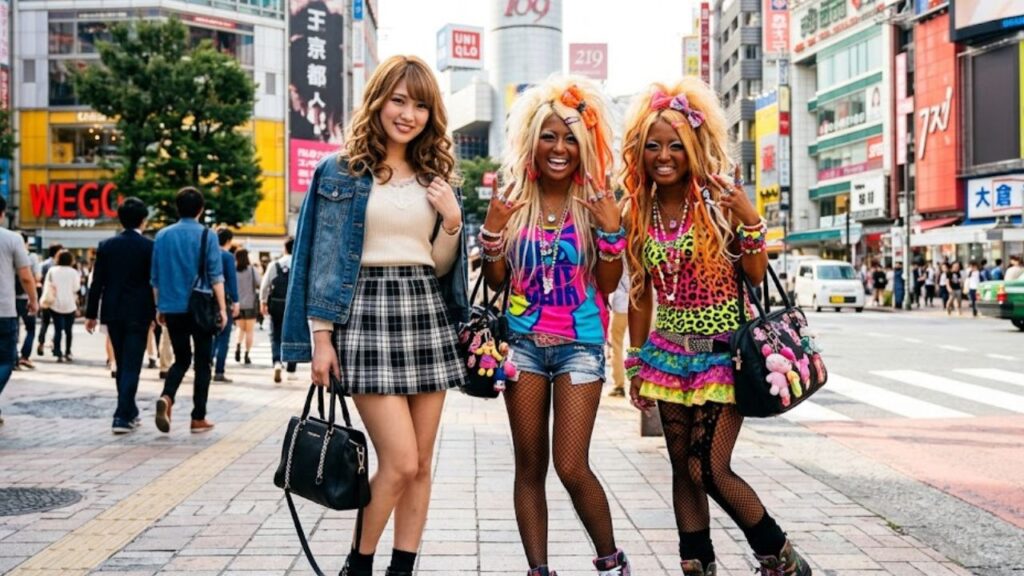
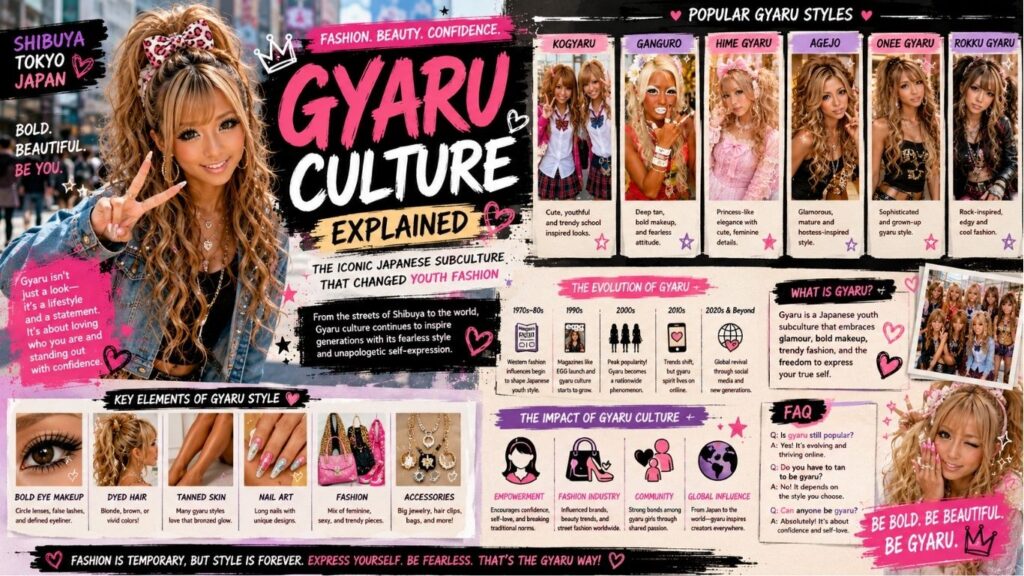
You’ll notice something important when studying gyaru subculture: it isn’t unified. It’s a collection of substyles—Hime Gyaru, Agejo Gyaru, Ganguro, Onee Gyaru, and others—that each interpret “bold beauty” differently. Some are glamorous and princess-like, others are extreme and rebellious.
What usually gets missed in surface-level explanations is that gyaru wasn’t only about fashion rebellion. It also reflected social life—friend groups, nightlife culture, magazine communities like Egg, and a shared sense of identity among young women who didn’t fit into traditional expectations.
So when someone asks what gyaru means, the honest answer is: it’s a cultural response wrapped in fashion.
The Evolution of Gyaru Hairstyles
If there’s one element that really defines gyaru visually, it’s the hair. Clothes can change and makeup trends shift, but gyaru hairstyles carry the identity of the style.
The 1990s–2000s Volume Era
Gyaru Subculture Explained The early gyaru look was loud on purpose. Hair wasn’t meant to sit flat or natural. It was teased, curled, and built upward. Extensions were common, not optional. A typical gyaru hairstyle from this era had three features: height, curl structure, and visible styling effort.
What most people don’t realize is that this volume wasn’t just aesthetic—it was technical. Stylists used layering, backcombing, and strong-hold sprays in ways that almost resemble stage hair design rather than everyday styling.
The Shift Toward Soft Gyaru
Gyaru Subculture Explained As fashion moved into the late 2000s, the extreme looks started to soften. This is where Onee Gyaru became more visible. Hair still had volume, but it became more controlled—loose waves instead of tight curls, smoother finishes instead of heavy teasing.
This shift wasn’t random. Japanese beauty culture was changing, and gyaru adapted rather than disappeared.
Modern Revival and Global Influence
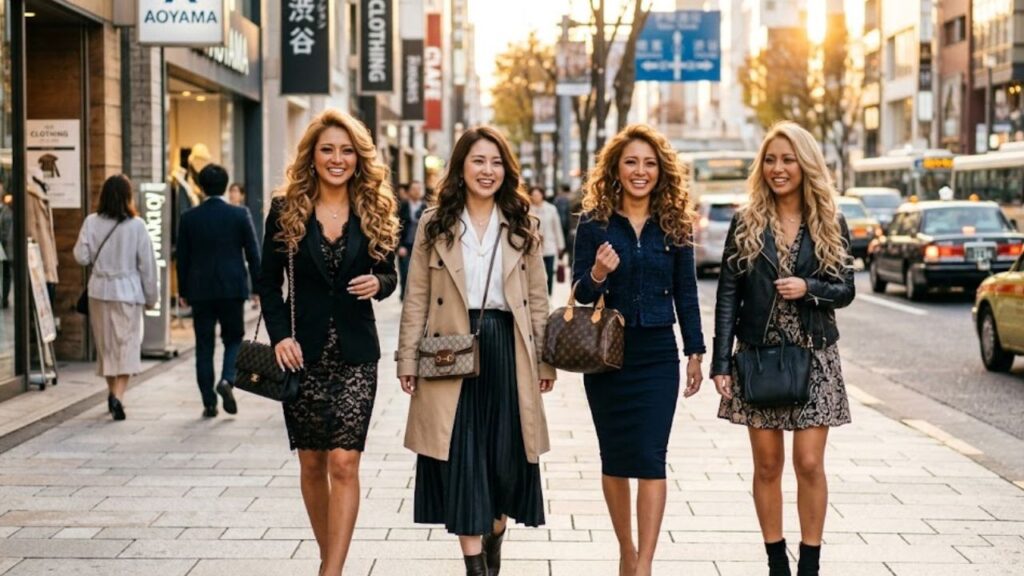
Today, gyaru hairstyles are being reinterpreted outside Japan, especially in the USA and online beauty communities. Instead of copying the exact 2000s structure, people are mixing elements: soft curls with gyaru-inspired makeup, blonde highlights with minimal volume, or casual “everyday gyaru” looks.
The interesting part is that modern gyaru is less about rules and more about mood. That flexibility is why it’s resurfacing.
Types of Gyaru Hairstyles Across Substyles
Gyaru Subculture Explained Each gyaru substyle has its own interpretation of hair, and this is where things get more nuanced than most guides explain.
Hime Gyaru, for example, treats hair almost like luxury. Think long curls, carefully shaped volume, and often blonde or light brown tones. It’s structured and elegant, almost like a “princess” aesthetic but still distinctly gyaru because of its exaggeration.
Ganguro, on the other hand, focuses less on hair precision and more on contrast. The tanned skin and bold makeup take center stage, while hair tends to be lighter and more playful, sometimes messy in a deliberate way.
Agejo Gyaru connects closely with nightlife fashion. Hairstyles here are more glamorous and styled for attention—big curls, glossy finishes, and often long extensions that move well in social settings.
Gyaru Subculture Explained Onee Gyaru feels more mature. The hair is softer, more controlled, and closer to what you might see in high-fashion street style today. It’s still styled, just not as exaggerated.
Kogal style is younger and more school-inspired, often simpler but still intentionally styled with slight volume or texture.
What’s important to understand is that gyaru hairstyles aren’t random variations—they reflect personality roles within the subculture.
How Gyaru Hairstyles Are Actually Created
If you’ve ever wondered why gyaru hair looks so structured, the answer is technique, not just products.
Gyaru Subculture Explained Most gyaru hairstyles start with preparation rather than curling. Stylists often build texture first using layering and light teasing at the roots. Extensions are then added to create length and density. Only after that does curling or shaping happen.
The mistake beginners often make is starting with curls and expecting volume to appear naturally. In gyaru styling, volume is constructed first, then shaped.
Another overlooked detail is direction control. Curls in gyaru hairstyles are rarely uniform. They’re layered in different directions to create movement, not symmetry. That’s what gives the hair its “alive” appearance instead of a flat salon curl look.
In modern styling, especially outside Japan, people simplify this process. Heatless curls, clip-in extensions, and lighter teasing are used to achieve a softer version of the same effect.
Gyaru Hairstyles in Modern Fashion Culture
Gyaru Subculture Explained Outside Japan, gyaru has blended into alternative fashion scenes rather than existing as a strict subculture. In the USA especially, it overlaps with cosplay, e-girl aesthetics, and vintage Japanese fashion appreciation.
TikTok played a huge role in this shift. Short-form videos made it easier to experiment with bold looks without committing to the full traditional gyaru lifestyle. That’s why you’ll often see partial gyaru styling—like hair and makeup without the full outfit commitment.
There’s also a noticeable trend among younger creators using gyaru hairstyles as a form of identity experimentation. Instead of signaling membership in a subculture, it becomes a styling choice for specific moods or content themes.
Gyaru Subculture Explained Interestingly, this modern adaptation has made gyaru more accessible but also more diluted compared to its original form. Whether that’s a loss or evolution depends on perspective.
Common Mistakes People Make With Gyaru Hair
One of the most common misunderstandings is thinking gyaru hair is just “big curls.” That reduces a highly structured styling approach into something generic.
Another mistake is ignoring proportion. Gyaru hairstyles are balanced against makeup intensity and outfit volume. If the hair is too heavy without matching styling elsewhere, the look feels unfinished rather than intentional.
People also tend to over-simplify the maintenance side. Gyaru hair, especially in its classic form, requires upkeep—extensions, product layering, and restyling. It’s not a one-step process, even if social media makes it look easy.
The Cultural Meaning Behind Gyaru Hairstyles
Gyaru Subculture Explained Beyond aesthetics, gyaru hair has always been about visibility. In a culture where subtlety is often valued, gyaru created space for loudness. The hairstyles reflect that philosophy directly.
What’s often missed in online discussions is that gyaru wasn’t trying to “look different for attention” in a shallow sense. It was more about building a visible identity among peers who shared similar frustrations with mainstream beauty expectations.
Gyaru Subculture Explained That’s why even today, when people adopt gyaru hairstyles, they’re usually drawn to the expressive freedom it represents rather than just the visual style itself.
FAQ
Are gyaru hairstyles still popular today?
Yes, but not in the same strict form. They’ve evolved into softer, more flexible versions influenced by social media and global fashion trends.
Can you do gyaru hairstyles with short hair?
Gyaru Subculture Explained You can, but most classic gyaru looks rely on extensions for volume and length. Short hair versions focus more on texture and styling direction.
What makes a hairstyle “gyaru”?
Volume, deliberate styling, and expressive structure. It’s less about one specific haircut and more about how the hair is shaped and presented.
Is gyaru fashion still alive in Japan?
It’s not mainstream anymore, but it still exists in niche communities and continues to influence modern street fashion.
What products are used for gyaru hair?
Typically strong-hold sprays, curling irons, teasing combs, and hair extensions are common tools.