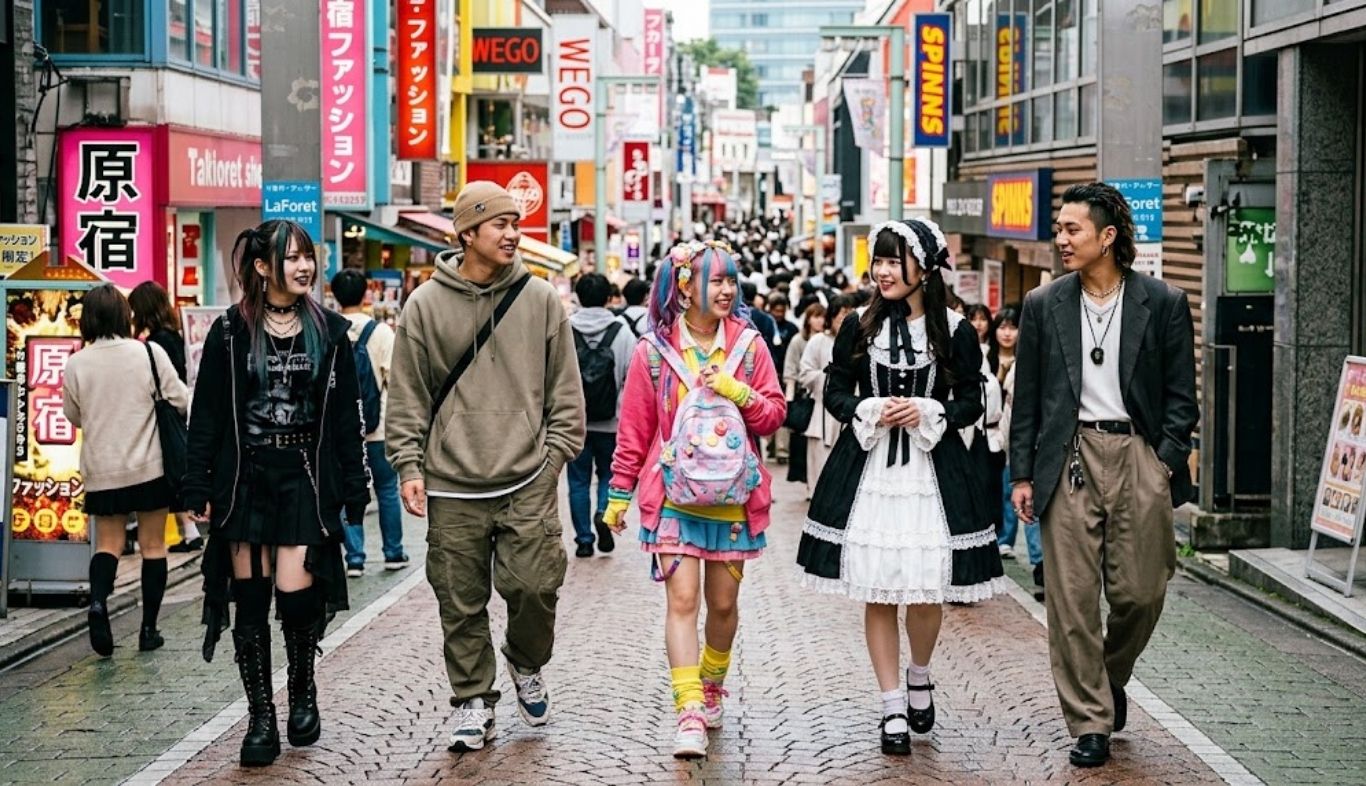
Japanese Fashion Styles are known around the world for their creativity, individuality, and ability to blend tradition with modern culture. From colorful Harajuku outfits to refined minimalist clothing, Japanese fashion offers an enormous range of aesthetics. What makes these styles especially interesting is that they aren’t simply clothing trends. Many Japanese fashion movements developed around music, youth culture, art, subcultures, and local communities. As a result, an outfit can communicate personality just as strongly as it communicates taste.
Tokyo’s streets have played a major role in spreading these aesthetics internationally. Areas such as Harajuku, Shibuya, and Shimokitazawa became associated with distinctive ways of dressing, while Japanese designers and fashion magazines helped bring those ideas to wider audiences. The good news is that you don’t need to copy an entire subculture to enjoy Japanese-inspired fashion. You can borrow individual elements—such as oversized silhouettes, layered clothing, statement accessories, pleated skirts, platform shoes, or muted natural colors—and make them your own. This guide explores some of the most influential Japanese Fashion Styles and explains what makes each one distinctive.
Understanding Japanese Fashion Styles
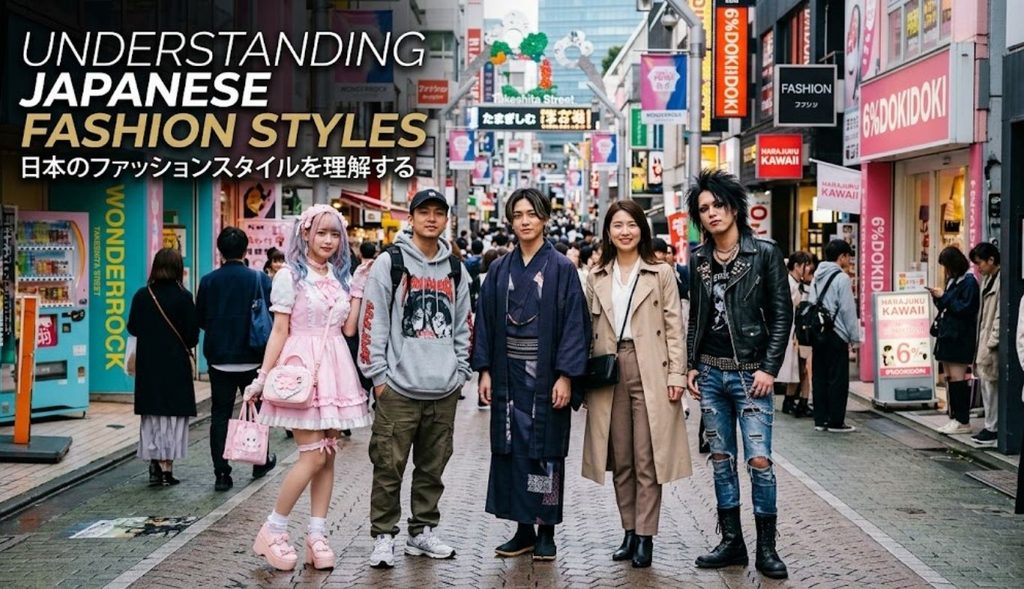
Japanese fashion has developed through a fascinating combination of historical clothing, Western influences, pop culture, and youth-led experimentation. After World War II, Japan experienced rapid economic and cultural changes. Western clothing became increasingly common, but Japanese consumers and designers didn’t simply reproduce Western trends. They adapted them and eventually created new aesthetics with distinctly Japanese identities.
Youth culture became particularly influential from the late twentieth century onward. Fashion-conscious communities gathered in shopping districts and developed recognizable looks. Some styles emphasized cuteness, while others focused on rebellion, elegance, minimalism, or theatrical expression. One important characteristic is subcultural identity. A fashion style can represent membership in a community rather than simply being an outfit choice.
Major Characteristics
| Feature | Description |
|---|---|
| Layering | Combining multiple garments and textures |
| Individuality | Using clothing to express personality |
| Accessories | Bags, jewelry, hair pieces, and shoes complete outfits |
| Silhouette | Oversized and structured shapes are both common |
| Color | Ranges from soft neutrals to highly saturated palettes |
| Tradition | Kimono-inspired elements influence contemporary clothing |
| Experimentation | Mixing unexpected garments is widely accepted |
Japanese fashion also demonstrates that trends don’t have to follow a single direction. One person might wear a carefully coordinated Lolita outfit, while another prefers understated neutral clothing. That variety is precisely what makes the country’s fashion culture so influential.
Harajuku Fashion
Harajuku is one of the most recognizable names associated with Japanese street fashion. The area became famous for young people experimenting with clothing, hairstyles, accessories, and unusual combinations.
Rather than having one strict uniform, Harajuku fashion is better understood as an environment of creativity. Outfits can incorporate vintage clothing, handmade pieces, punk details, kawaii accessories, oversized garments, or bold colors.
A typical Harajuku-inspired look might combine several seemingly unrelated pieces. For example, a graphic shirt could be worn under a colorful jacket with a pleated skirt, platform shoes, and playful accessories.
Why Harajuku Style Stands Out
- Strong emphasis on individuality
- Creative layering
- Vintage and contemporary combinations
- Statement accessories
- Unusual color combinations
- Experimental hairstyles
The most important lesson from Harajuku isn’t to reproduce someone else’s outfit exactly. Instead, it’s to treat clothing as a form of creative expression. If you like experimenting, start with one statement item and build the rest of your outfit around it.
Lolita Fashion
Lolita fashion is among the most recognizable Japanese fashion subcultures. It draws inspiration from Victorian and Rococo clothing, particularly through elaborate silhouettes, decorative details, and elegant accessories.
The classic Lolita silhouette usually includes a fitted bodice and a full skirt supported by layers underneath. Lace, ribbons, bows, decorative socks, and coordinated shoes are also common. There are several major branches.
Classic Lolita
Classic Lolita generally uses sophisticated colors and historical-inspired details. Cream, burgundy, navy, brown, and black are popular choices.
Sweet Lolita
Sweet Lolita emphasizes pastel colors, bows, cute prints, and playful motifs. It’s closely connected with the broader kawaii aesthetic.
Gothic Lolita
Gothic Lolita combines the structured Lolita silhouette with darker colors and gothic influences. The key to wearing Lolita successfully is coordination. Because the style contains many details, randomly combining pieces can make an outfit look unfinished. A balanced outfit usually considers the dress, blouse, socks, shoes, headwear, bag, and accessories as one complete composition.
Gyaru Fashion
Gyaru is a bold Japanese fashion movement associated with glamorous styling, dramatic makeup, carefully styled hair, and eye-catching clothing. The aesthetic has changed considerably over time. Different generations and communities have developed their own interpretations, including styles such as Hime Gyaru, Manba, and other variations.
Traditional Gyaru-inspired outfits often emphasize:
- Trend-focused clothing
- Statement footwear
- Carefully styled hair
- Decorative accessories
- Glamorous makeup
- Confident presentation
Modern interpretations can be much more subtle. Someone might incorporate Gyaru-inspired hair or accessories into an otherwise contemporary outfit. The biggest strength of Gyaru is its confidence. It doesn’t try to disappear into the crowd.
Visual Kei
Visual Kei developed closely alongside Japanese rock music and is recognized for dramatic clothing, elaborate hairstyles, and theatrical makeup.
The style isn’t defined by one particular color palette. Black is common, but outfits can include metallic finishes, vivid colors, leather, lace, and elaborate accessories.
Visual Kei frequently uses:
- Dramatic silhouettes
- Layered clothing
- Boots
- Jewelry
- Dark or contrasting colors
- Elaborate hairstyles
- Makeup as part of the overall aesthetic
Music is central to understanding the style. Clothing, hair, stage performance, and visual identity work together. For everyday wear, you don’t have to recreate a full stage outfit. A pair of statement boots, a structured jacket, dark accessories, or dramatic jewelry can provide a subtle Visual Kei influence.
Decora Fashion
Decora is one of the most colorful Japanese street fashion aesthetics. Its defining characteristic is an abundance of accessories. Instead of asking whether an outfit has enough accessories, Decora styling often asks how far the concept can be pushed. Hair clips, bracelets, necklaces, colorful bags, plush accessories, badges, and decorative objects can all become part of the look.
Decora Styling Formula
Base outfit + colorful layers + accessories + playful details = Decora-inspired look The style works particularly well for people who enjoy visual creativity. However, accessories should still create some sense of intentionality. Try choosing a central color family before adding multiple decorative elements. That simple step can keep an extremely busy outfit from looking completely random.
Mori Kei
Mori Kei offers a dramatic contrast to Decora. Instead of bright colors and abundant accessories, it draws inspiration from forests, nature, and relaxed rural imagery.
Typical Mori Kei outfits feature:
- Earthy colors
- Loose silhouettes
- Natural-looking fabrics
- Layered dresses and skirts
- Knitwear
- Comfortable footwear
- Vintage-inspired details
Cream, beige, brown, olive, and muted gray often form the foundation. The style is particularly useful for anyone who wants a softer and more relaxed wardrobe. You can also incorporate Mori Kei ideas without adopting the complete aesthetic. For example, pair a loose linen-style dress with a knitted cardigan and simple boots for an understated nature-inspired outfit.
Kawaii Fashion
“Kawaii” translates roughly to “cute,” but its influence on Japanese culture extends far beyond clothing. Kawaii fashion often incorporates playful shapes, pastel colors, cute prints, bows, character-inspired accessories, and youthful styling. However, kawaii doesn’t necessarily mean childish. Modern fashion can use subtle kawaii details while maintaining a sophisticated appearance.
Easy Ways to Add Kawaii Details
- Choose a pastel handbag.
- Add a small character accessory.
- Wear a bow or decorative hair clip.
- Try a cute printed top.
- Pair a simple outfit with playful shoes.
The secret is balance. One or two kawaii elements can transform a basic outfit without overwhelming it.
Y2K Japanese Fashion
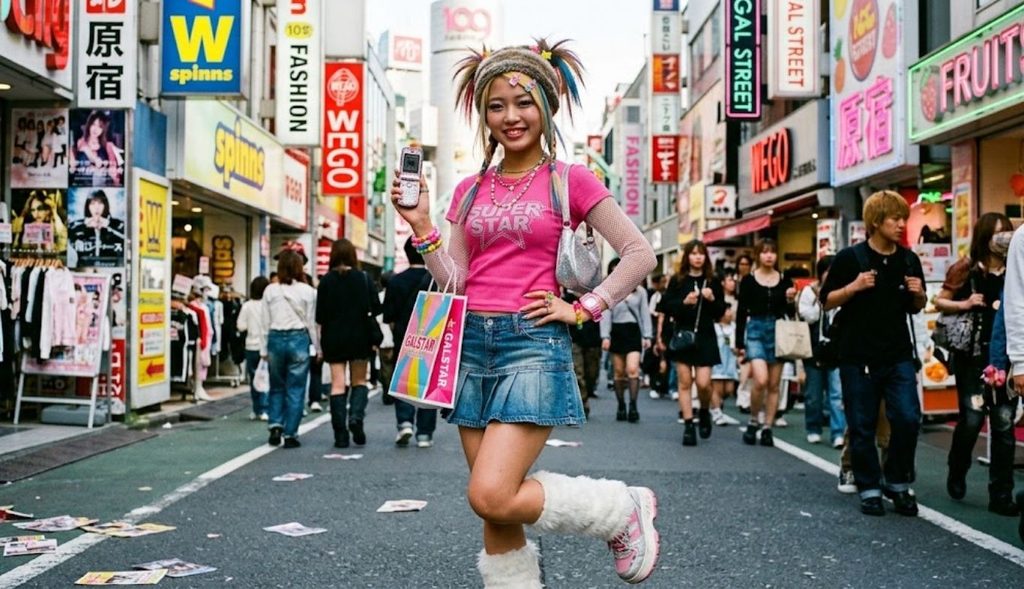
Y2K fashion has experienced renewed popularity among younger fashion audiences, and Japanese interpretations bring their own distinctive perspective. Japanese Y2K-inspired outfits can include fitted tops, mini skirts, platform footwear, small handbags, denim, decorative accessories, and nostalgic graphics. The style is especially effective when vintage-inspired pieces are combined with modern basics.
For example: Fitted top + low-rise or relaxed denim + platform shoes + compact shoulder bag You can also create a less literal version with modern wide-leg pants and a nostalgic graphic top. The goal isn’t to reproduce the early 2000s perfectly. Instead, take the era’s visual language and reinterpret it for today’s wardrobe.
Minimalist Japanese Fashion
Japanese fashion isn’t always colorful or experimental. Minimalism is another major influence. Japanese minimalist clothing often focuses on excellent proportions, clean lines, neutral colors, and practical garments. Black, white, gray, beige, navy, and muted earth tones frequently appear in minimalist wardrobes.
Core Principles
- Buy versatile pieces.
- Prioritize fit.
- Choose quality over excessive quantity.
- Use neutral colors as foundations.
- Experiment with proportions.
- Keep accessories intentional.
Minimalism is arguably one of the easiest Japanese-inspired aesthetics to incorporate into everyday clothing. A simple oversized shirt, straight-leg trousers, clean sneakers, and a structured bag can create a polished look without requiring elaborate styling.
Kimono-Inspired Modern Fashion
Traditional Japanese clothing continues to influence modern designers and streetwear. The kimono is particularly important because its wrap construction, wide sleeves, layered appearance, and distinctive proportions offer many possibilities for contemporary design.
Modern clothing may borrow:
- Wrap-front construction
- Wide sleeves
- Obi-inspired belts
- Japanese textile patterns
- Layered silhouettes
- Traditional motifs
You don’t need to wear an actual kimono to appreciate these influences. A wrap jacket or wide-sleeved top can provide a contemporary interpretation.
This approach also demonstrates how traditional clothing can remain culturally relevant without becoming frozen in history.
Techwear and Japanese Streetwear
Modern Japanese streetwear frequently combines functionality with distinctive silhouettes. Techwear-inspired clothing can include utility pockets, technical fabrics, adjustable straps, waterproof materials, and modular layers.
Japanese streetwear also often experiments with proportions. Oversized outerwear may be combined with narrower trousers, while cropped jackets can be balanced with wide-leg pants.
Building a Streetwear Look
Start with a neutral foundation:
- Oversized jacket
- Basic T-shirt
- Wide-leg trousers
- Functional sneakers
- Compact crossbody bag
Then add one or two technical accessories. The result feels contemporary without becoming overly complicated.
Gender-Fluid Japanese Fashion
Japanese fashion has long provided space for experimentation with silhouettes, styling, and presentation. Many contemporary outfits aren’t strongly tied to traditional gender categories. Oversized shirts, wide trousers, skirts, tailored jackets, platform shoes, and accessories can be combined according to personal preference.
This flexibility is valuable because fashion doesn’t have to fit into a narrow formula. Instead of asking whether an item is traditionally “for men” or “for women,” consider:
Does the silhouette work for me?
That question opens up far more possibilities.
How to Build a Japanese-Inspired Wardrobe
You don’t need to buy an entirely new wardrobe. Start by identifying the Japanese fashion elements you enjoy most.
Step 1: Choose an Aesthetic
Pick one starting point:
- Harajuku
- Lolita
- Gyaru
- Mori Kei
- Decora
- Minimalist
- Streetwear
- Y2K
Step 2: Create a Foundation
Choose versatile basics that work with multiple outfits.
Step 3: Add Statement Pieces
A statement jacket, skirt, bag, shoe, or accessory can establish the aesthetic quickly.
Step 4: Learn Layering
Layering is one of the easiest ways to make a basic outfit more visually interesting.
Step 5: Pay Attention to Proportion
Don’t focus only on color. The relationship between oversized and fitted pieces can dramatically change an outfit.
Step 6: Finish With Accessories
Shoes, bags, jewelry, hair accessories, and hats can completely alter the impression of the same clothing.
Japanese Fashion Styles Comparison
| Style | Main Mood | Common Colors | Key Elements |
|---|---|---|---|
| Harajuku | Creative | Any | Layering, statement pieces |
| Lolita | Elegant | Pastels/dark tones | Full skirts, lace, bows |
| Gyaru | Glamorous | Bright/neutral | Hair, makeup, fitted fashion |
| Visual Kei | Dramatic | Dark/mixed | Boots, jewelry, theatrical styling |
| Decora | Playful | Bright | Heavy accessories |
| Mori Kei | Natural | Earth tones | Loose layers, knitwear |
| Kawaii | Cute | Pastels | Playful details |
| Y2K | Nostalgic | Mixed | Denim, platforms, fitted tops |
| Minimalist | Refined | Neutrals | Clean lines |
| Streetwear | Urban | Neutral/bold | Oversized silhouettes, sneakers |
Common Styling Mistakes
Even creative fashion benefits from some structure.
Copying Without Understanding
Taking an outfit directly from social media may produce a costume-like appearance. Instead, understand the principles behind the aesthetic.
Overloading Every Element
If everything is a statement, nothing stands out. Give your outfit a visual focal point.
Ignoring Fit
Even expensive clothing can look poor when the proportions aren’t right.
Forgetting Comfort
Fashion should work with your lifestyle. If you can’t comfortably move, walk, or sit, the outfit probably needs adjustment.
Mixing Too Many Aesthetics
Experimentation is encouraged, but combining five unrelated aesthetics at once can make an outfit visually confusing. Start with two influences and build from there.
FAQs
1. What are the most popular Japanese Fashion Styles?
Popular examples include Harajuku, Lolita, Gyaru, Visual Kei, Decora, Mori Kei, Kawaii, Japanese streetwear, Y2K-inspired fashion, and minimalist Japanese fashion.
2. What makes Japanese fashion different?
Japanese fashion is notable for its strong connection to subcultures, individuality, layering, creative styling, and the combination of traditional and contemporary influences.
3. Is Japanese street fashion expensive?
It doesn’t have to be. You can recreate many Japanese-inspired looks using affordable basics and secondhand clothing. Styling and coordination often matter more than the price of individual pieces.
4. Can I wear Japanese-inspired fashion every day?
Absolutely. Minimalist Japanese fashion, streetwear, Mori Kei, and subtle Kawaii styling can be especially easy to incorporate into everyday outfits.
5. What is Harajuku fashion?
Harajuku fashion refers broadly to creative street styles associated with Tokyo’s Harajuku district. It includes many different aesthetics rather than one fixed clothing formula.
6. What is the difference between Lolita and Kawaii fashion?
Lolita is a specific fashion subculture with a recognizable historical-inspired silhouette, while kawaii is a much broader concept centered around cuteness and playful visual expression.
7. How can beginners try Japanese fashion?
Start with one aesthetic and introduce a few signature pieces. For example, try wide-leg trousers and an oversized jacket for streetwear, or a pastel accessory for a subtle kawaii look.
8. Where can I learn more about Japanese fashion?
Fashion museums, Japanese fashion publications, designer archives, and reputable cultural resources can provide useful historical context. The Victoria and Albert Museum’s fashion collection is also a helpful resource for studying clothing history and design.
Conclusion
Japanese Fashion Styles offer far more than a collection of attractive outfits. They demonstrate how clothing can communicate creativity, community, history, music, personality, and cultural influence. From the colorful energy of Decora and Harajuku to the elegance of Lolita and the simplicity of Japanese minimalism, there’s an aesthetic for almost every personality.
The best approach isn’t to copy a style perfectly. Instead, learn its defining characteristics and adapt the elements that genuinely appeal to you. Start small. Choose one silhouette, color palette, accessory, or styling technique. Then experiment until the look feels natural. After all, the most important principle shared by many Japanese fashion movements is simple: fashion should give you room to express yourself.