
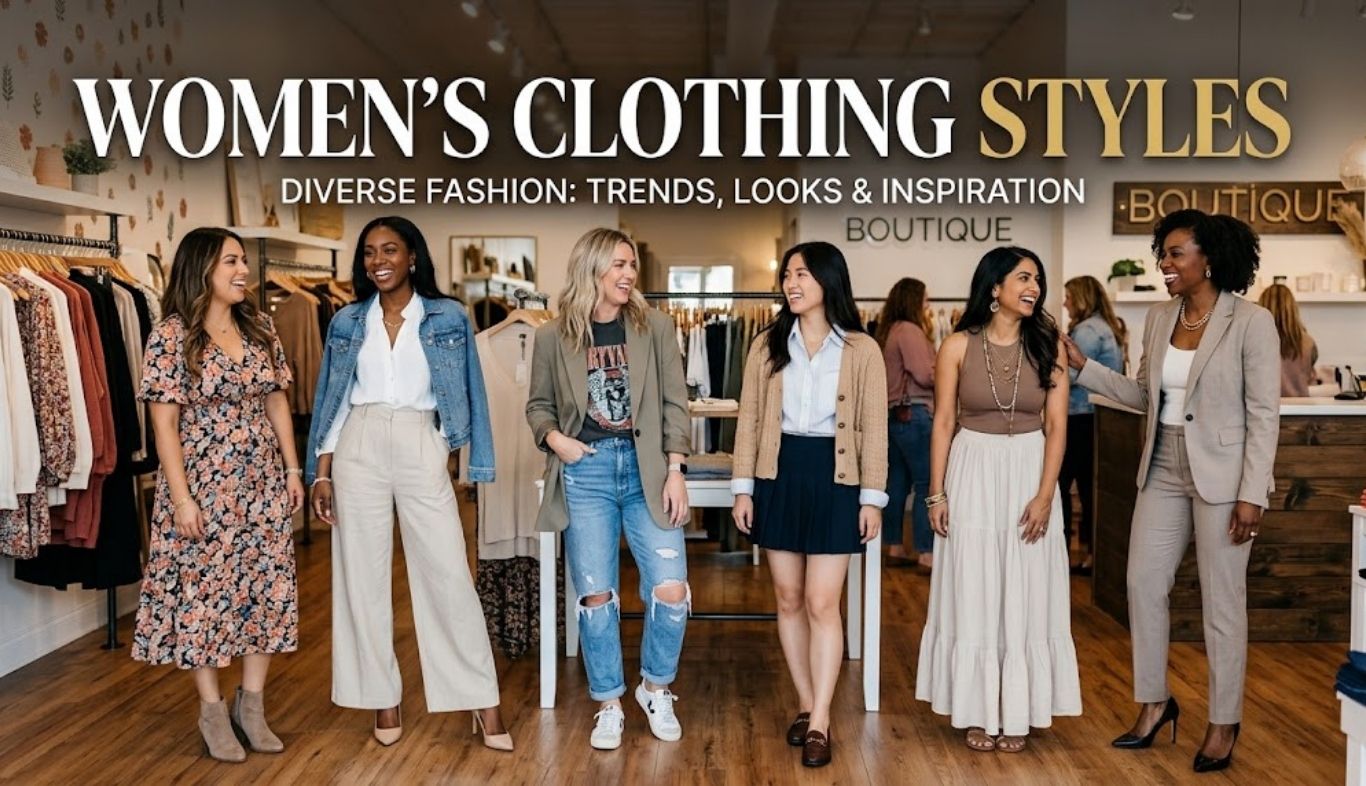
Women’s Clothing Styles have changed dramatically over the years, but one thing has remained constant: clothing is a powerful way to express personality. The right outfit can communicate confidence, creativity, professionalism, elegance, or a relaxed attitude before you even say a word. Today, women have more choices than ever. You can combine classic tailoring with sneakers, pair vintage denim with modern accessories, or mix traditional clothing with contemporary silhouettes. There isn’t one correct way to dress.
Fashion is also becoming more flexible. Current runway and street-style coverage shows a broad mix of sporty pieces, bold colors, relaxed silhouettes, feminine details, and practical wardrobe staples. The goal, therefore, isn’t to copy every trend. Instead, it’s to understand different aesthetics and discover which pieces work for your lifestyle, body proportions, comfort level, climate, and personality.
Why Women’s Clothing Styles Matter
Personal style is more than following fashion trends. It’s the process of choosing clothes that make you feel comfortable and confident. A useful wardrobe normally contains a combination of basic pieces, statement items, seasonal clothing, and occasion-specific outfits. Classic staples such as jeans, button-down shirts, blazers, simple tops, and versatile shoes can create the foundation for dozens of outfits. Vogue’s current wardrobe guidance similarly emphasizes timeless basics alongside newer fashion pieces. Your style can also change depending on your daily activities. Someone who works in an office may need tailored trousers and blazers, while a university student may prefer jeans, oversized shirts, and sneakers.
Factors That Influence Personal Style
Several factors can shape your clothing choices:
- Lifestyle and daily routine
- Climate and local weather
- Workplace requirements
- Cultural traditions
- Budget
- Comfort preferences
- Favorite colors
- Body proportions
- Age and personal confidence
- Social occasions
There’s no need to force yourself into a category. Think of fashion styles as a toolbox. You can borrow elements from several categories and create something that feels uniquely yours.
17 Powerful Women’s Clothing Styles to Try
1. Classic Clothing Style
Classic fashion focuses on timeless pieces that don’t depend heavily on short-lived trends. Think of a crisp white shirt, straight-leg trousers, a well-fitted blazer, a simple midi dress, loafers, and a structured handbag. These pieces can easily move from one season to another.
Classic style is especially useful when you want a polished appearance without spending too much time deciding what to wear.
Key Pieces
- White button-down shirt
- Straight-leg trousers
- Dark denim
- Tailored blazer
- Simple pumps or loafers
- Neutral handbag
- Minimal jewelry
The biggest advantage is versatility. A blazer can be worn with jeans for a smart-casual outfit or with matching trousers for a professional look.
2. Casual Clothing Style
Casual fashion prioritizes comfort without completely sacrificing appearance. Jeans, cotton T-shirts, relaxed shirts, sneakers, knitwear, and casual dresses are common choices. However, casual doesn’t have to mean careless.
For example, combine straight-leg jeans with a tucked-in shirt, clean sneakers, and a small shoulder bag. The outfit is comfortable but still looks intentional.
Easy Casual Formula
Basic top + comfortable bottom + clean shoes + simple accessory This formula works because it keeps the outfit balanced.
3. Business Casual Style
Business casual sits between traditional formalwear and relaxed clothing. Typical pieces include tailored trousers, blouses, knit tops, midi skirts, loafers, flats, cardigans, and structured blazers.
The trick is maintaining a professional appearance while allowing some personality. A colorful blouse can make a neutral trouser outfit more interesting. Similarly, a simple dress can become office appropriate when paired with a tailored blazer.
4. Formal Clothing Style
Formal clothing is designed for events where elegance and presentation matter.
Depending on the occasion, formal fashion may include:
- Evening gowns
- Cocktail dresses
- Tailored suits
- Elegant jumpsuits
- Dressy separates
- Heels or refined flats
- Statement jewelry
Formal clothing should also match the dress code. A black-tie event requires a different approach from a business dinner or wedding reception. When choosing a formal outfit, consider the venue, time of day, season, and expected level of formality.
5. Boho Clothing Style
Bohemian fashion is relaxed, artistic, and often inspired by natural textures and flowing shapes. Common elements include maxi skirts, loose blouses, embroidery, crochet, fringe, earthy colors, woven bags, and layered jewelry. Boho style works particularly well when you enjoy expressive outfits that don’t feel overly structured.
Boho Outfit Idea
Try a flowing maxi skirt with a fitted tank top, woven sandals, layered necklaces, and a lightweight cardigan. The contrast between relaxed and fitted pieces keeps the outfit from looking overwhelming.
6. Minimalist Clothing Style
Minimalist fashion focuses on simplicity, clean silhouettes, and thoughtful color combinations. Black, white, beige, gray, navy, brown, and muted tones are often associated with minimalist wardrobes. However, minimalism isn’t simply about wearing neutral colors. It’s about reducing unnecessary visual clutter. A minimalist outfit might consist of wide-leg trousers, a fitted knit top, sleek flats, and one understated handbag.
Why Minimalism Works
Fewer complicated pieces can make getting dressed easier. It also allows you to focus on:
- Fit
- Fabric
- Proportion
- Texture
- Quality
- Function
A well-built minimalist wardrobe can be remarkably versatile.
7. Streetwear Style
Streetwear brings together casual clothing, sportswear, sneakers, denim, and oversized silhouettes. Popular combinations include oversized T-shirts, cargo trousers, hoodies, bomber jackets, sneakers, and baseball caps. Modern streetwear can also be surprisingly sophisticated. For instance, an oversized jacket can be paired with tailored trousers and sleek accessories for a balanced high-low look. Athletic influences have become deeply embedded in mainstream fashion, with runway collections continuing to reinterpret sporty clothing for everyday dressing.
8. Romantic Clothing Style
Romantic fashion emphasizes softness and feminine details. Think floral prints, flowing skirts, lace, delicate blouses, puff sleeves, ribbons, soft colors, and elegant dresses. You don’t need to wear a head-to-toe romantic outfit. A lace blouse with straight-leg jeans can provide a modern interpretation. Similarly, a floral midi dress can be paired with simple sneakers instead of heels for a more relaxed appearance.
9. Vintage Clothing Style
Vintage-inspired fashion takes inspiration from earlier decades.
Depending on the era, you might see:
- 1950s-inspired dresses
- 1960s mini skirts
- 1970s flared trousers
- 1980s power shoulders
- 1990s slip dresses
- 2000s low-rise denim
The key is to borrow inspiration rather than recreate an entire historical costume. For example, combine vintage-style jeans with a contemporary tank top and modern sneakers. This creates a retro feeling without looking dated.
10. Athleisure Style
Athleisure combines athletic clothing with everyday fashion. Leggings, joggers, sweatshirts, sneakers, track jackets, and sporty tops can all become part of an everyday wardrobe.
The secret is balance. Instead of wearing only athletic pieces, add something structured. A blazer over a fitted athletic top can instantly create a more polished outfit. This style is particularly useful for busy days when comfort is important.
11. Preppy Clothing Style
Preppy fashion is associated with polished, collegiate-inspired clothing.
Typical items include:
- Pleated skirts
- Polo shirts
- Cardigans
- Loafers
- Button-down shirts
- Tailored trousers
- Sweater vests
- Headbands
Traditional preppy style often uses navy, white, cream, burgundy, green, and other classic shades. For a modern version, try a pleated skirt with a simple fitted T-shirt and sneakers.
12. Cottagecore Clothing Style
Cottagecore draws inspiration from rural life, gardens, traditional crafts, and romantic countryside aesthetics. Floral dresses, puff sleeves, linen, gingham, knitted cardigans, straw accessories, and soft colors are common. It’s an especially attractive choice for people who enjoy feminine outfits with a relaxed and nostalgic feeling. For everyday wear, you can tone it down by pairing a floral blouse with straight jeans.
13. Edgy Clothing Style
Edgy fashion uses stronger shapes, darker colors, bold accessories, and unconventional combinations. Leather jackets, chunky boots, ripped denim, metallic jewelry, graphic shirts, and oversized outerwear are common examples. You don’t have to dress dramatically to embrace this style. A black leather jacket over a simple white T-shirt can add an instant edge to an otherwise basic outfit.
14. Coastal and Resort Style
Coastal fashion is light, relaxed, and inspired by warm-weather dressing. Linen shirts, wide-leg trousers, striped tops, flowing dresses, woven accessories, sandals, and natural fabrics are typical choices. White, cream, blue, tan, and soft green work particularly well. This style is also practical because breathable fabrics are useful in hot weather.
15. Y2K-Inspired Style
Y2K fashion takes inspiration from late-1990s and early-2000s clothing.
Popular elements include:
- Baby tees
- Low-rise jeans
- Mini skirts
- Cropped tops
- Small handbags
- Metallic details
- Denim-on-denim outfits
- Colorful accessories
Modern interpretations don’t need to copy the past exactly. One Y2K-inspired item can be enough to give a basic outfit a nostalgic twist.
16. Ethnic and Cultural Clothing Style
Traditional and cultural clothing remains an important part of women’s fashion worldwide. Depending on culture and region, this may include saris, salwar suits, lehengas, kurtas, kaftans, embroidered dresses, woven textiles, and traditional accessories. Modern fashion increasingly combines heritage craftsmanship with contemporary cuts. Current Vogue India coverage, for example, highlights everything from handwoven saris and embroidered anarkalis to contemporary fusion outfits. The best approach is to respect the cultural meaning of traditional garments while choosing styling combinations that suit the occasion.
17. Modern Feminine Style
Modern feminine fashion combines traditional feminine details with contemporary silhouettes. A satin skirt with a simple T-shirt, a structured dress with sneakers, or a fitted blouse with relaxed trousers can all create this effect. The style doesn’t need to be overly delicate. The goal is to combine elegance, confidence, and practicality.
How to Choose the Right Women’s Clothing Styles
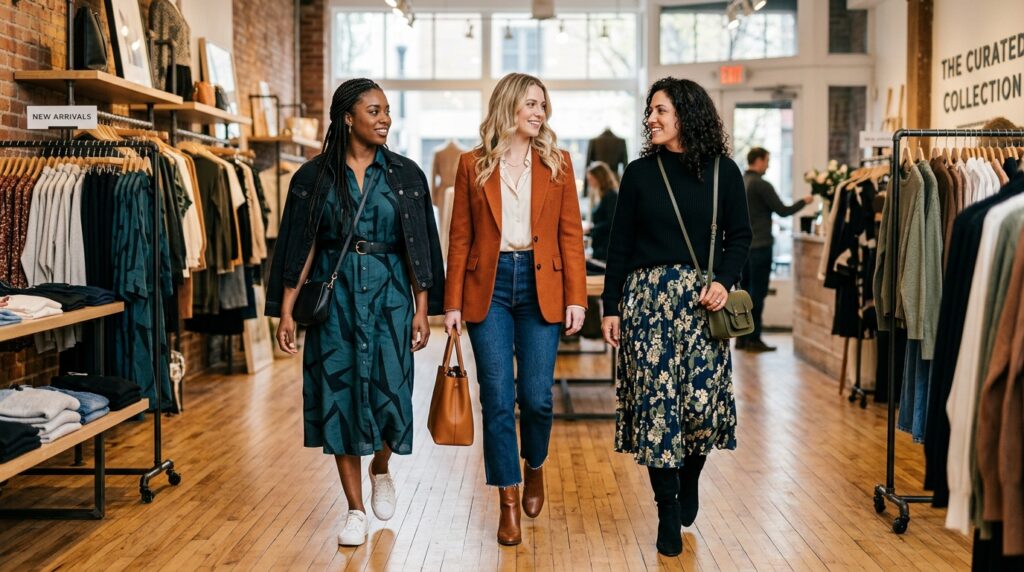
Finding your personal style becomes easier when you stop trying to follow every trend. Start by examining the clothes you already wear.
Ask Yourself:
- Which outfits make me feel confident?
- Which clothes do I wear repeatedly?
- Which colors do I naturally prefer?
- Do I prefer fitted or relaxed silhouettes?
- What activities make up most of my week?
- Which clothing pieces rarely leave my closet?
- What outfits make me uncomfortable?
Your answers can reveal patterns. For example, if you repeatedly choose straight-leg jeans, simple tops, loafers, and blazers, you may naturally lean toward classic or minimalist fashion. If you constantly reach for oversized shirts, sneakers, and cargo pants, streetwear may be closer to your personal style.
Consider Fit Before Trends
A fashionable garment isn’t automatically a good garment for you. Fit matters because clothing should work with your proportions rather than fight against them.
Pay attention to:
- Shoulder placement
- Sleeve length
- Waist position
- Trouser length
- Rise
- Fabric drape
- Overall proportion
Even inexpensive clothing can look polished when it fits well. British Vogue’s recent capsule wardrobe guidance similarly emphasizes fit as a foundation for making everyday pieces more useful.
How to Build a Versatile Women’s Wardrobe
A practical wardrobe doesn’t need hundreds of items. Instead, focus on pieces that can be combined in multiple ways.
| Category | Useful Examples |
|---|---|
| Tops | White T-shirt, blouse, button-down |
| Bottoms | Jeans, tailored trousers, midi skirt |
| Dresses | Casual midi, simple black dress |
| Outerwear | Blazer, trench, cardigan |
| Shoes | Sneakers, loafers, sandals |
| Accessories | Belt, handbag, simple jewelry |
| Seasonal | Sweater, coat, lightweight jacket |
Use the Three-Outfit Rule
Before buying something new, try to imagine at least three outfits using pieces you already own.
For example, a new blouse could work with:
- Jeans + sneakers
- Tailored trousers + loafers
- Midi skirt + sandals
If you can’t create several combinations, the item may not provide enough wardrobe value.
Styling Tips That Make Outfits Look Better
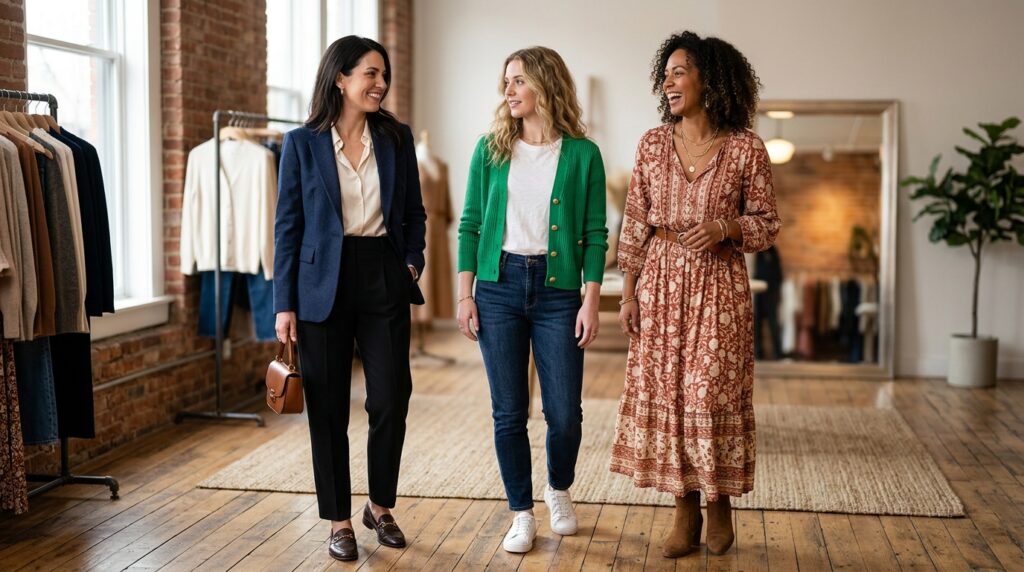
Small adjustments can make a major difference.
Balance Proportions
If you’re wearing an oversized top, consider a more streamlined bottom. If you’re wearing wide-leg trousers, try a fitted or tucked-in top. This isn’t a strict rule, but contrast often creates visual balance.
Add One Statement Piece
A statement bag, necklace, jacket, scarf, or pair of shoes can make a simple outfit memorable. You don’t need five statement pieces at once. One is often enough.
Mix Textures
Combining different textures adds depth. For example: Cotton + denim + leather or Knitwear + satin + suede The clothing doesn’t need to be complicated when the textures are doing the visual work.
Use Accessories Intentionally
Accessories can completely change an outfit. A simple black dress can feel casual with sneakers and a tote, polished with loafers and a structured bag, or elegant with heels and jewelry. That makes accessories one of the easiest ways to extend your wardrobe.
Common Mistakes to Avoid
Even stylish wardrobes can become difficult when they’re built around trends rather than actual needs.
Buying Every Trend
Trends come and go. Buy selectively. Current fashion coverage shows how quickly silhouettes and aesthetics can shift, from sporty pieces to nostalgic denim and expressive accessories.
Ignoring Comfort
If you can’t walk, sit, work, or move comfortably in something, you probably won’t wear it often.
Choosing the Wrong Size
Don’t focus too heavily on the number printed on a clothing label. Sizes vary between brands. Focus on actual fit.
Over-Accessorizing
Accessories should enhance an outfit rather than compete with it.
Having No Basics
Statement pieces are fun, but basics make them wearable. A strong wardrobe needs both.
FAQs
1. What are the most popular Women’s Clothing Styles?
Some popular categories include casual, classic, minimalist, streetwear, business casual, boho, romantic, vintage, preppy, athleisure, and formal fashion. Most women combine several styles rather than following only one.
2. How do I find my personal clothing style?
Start by reviewing the clothes you wear most often. Identify your favorite colors, silhouettes, fabrics, and outfit combinations. Then choose two or three style categories that match those preferences.
3. What is the most versatile women’s clothing style?
Classic and minimalist styles are among the most versatile because their neutral colors and simple silhouettes can be combined with trend-focused accessories and statement pieces.
4. How can I look stylish without buying expensive clothes?
Focus on fit, coordination, grooming, layering, and accessories. A well-fitting basic outfit can look more polished than an expensive outfit with poor proportions.
5. How many clothing styles should a woman have?
There is no required number. Many people naturally combine two or more aesthetics. For example, you might wear minimalist clothing during the week and boho or romantic pieces on weekends.
6. What are good basic clothes for a woman’s wardrobe?
Useful basics include a white T-shirt, dark jeans, tailored trousers, a button-down shirt, versatile dress, blazer, cardigan, comfortable sneakers, loafers, and a neutral handbag.
7. Are clothing trends important?
Trends can provide inspiration, but they aren’t mandatory. Choose trends that complement your existing wardrobe and personal taste.
8. How can I make casual clothes look more elegant?
Improve the outfit through fit, structured accessories, clean footwear, simple jewelry, and thoughtful color coordination. A blazer can also instantly make casual pieces look more polished.
9. What women’s clothing styles work well for summer?
Lightweight casual, coastal, minimalist, resort, and relaxed boho styles can work especially well in warm weather. Breathable fabrics such as linen and cotton can improve comfort.
10. Where can I learn more about current women’s fashion trends?
For regularly updated fashion coverage, you can explore Vogue India’s women’s fashion guide or Vogue’s fashion trends guide.
Conclusion
Women’s Clothing Styles offer countless ways to express personality, confidence, creativity, and lifestyle. From timeless classic outfits to streetwear, boho looks, romantic dresses, traditional clothing, and modern minimalist wardrobes, there’s no single definition of great style. The most successful wardrobe is one that works for you.
Start with versatile basics, pay attention to fit, experiment with different aesthetics, and add trends selectively. You don’t need to completely replace your closet every season. A few thoughtful changes can transform pieces you already own. Most importantly, remember that fashion should be enjoyable. Trends can inspire you, but personal style is what makes an outfit yours.