

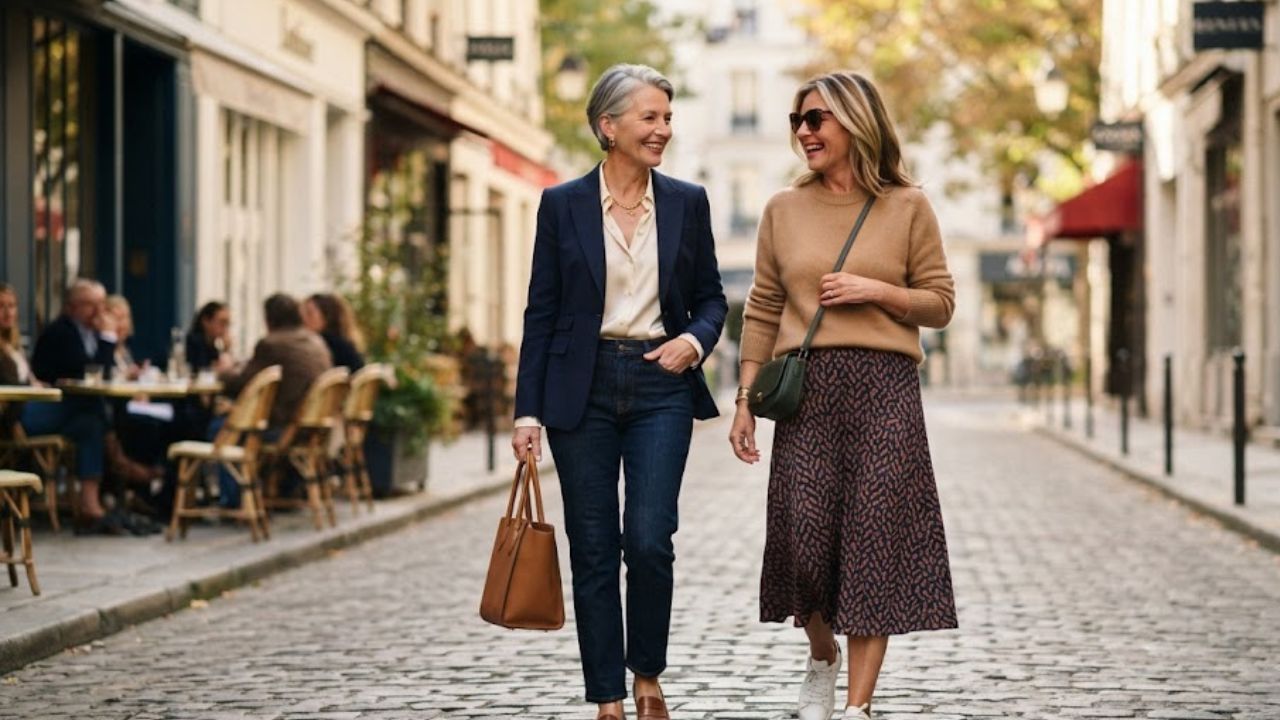
Smart casual outfits have become the answer to one of fashion’s most common questions: how do you look polished without feeling overdressed? The challenge isn’t finding stylish clothes—it’s knowing how to combine them so they feel effortless rather than forced. A blazer with the wrong jeans can look awkward, while a simple knit paired with tailored trousers can appear surprisingly refined.
The beauty of smart casual clothing is its flexibility. It works for office days, weekend lunches, casual business meetings, dinner dates, gallery visits, and even travel. Instead of chasing trends, the smartest wardrobes rely on versatile pieces that mix easily and suit different occasions.
Smart Casual Outfits Many people assume smart casual requires expensive brands or a closet full of designer pieces. In reality, fit, balance, and thoughtful styling matter far more than labels. Once you understand a few simple principles, creating fashionable smart casual women’s outfits becomes much easier, regardless of your budget.
What Makes a Smart Casual Outfit Work?
Smart Casual Outfits sits comfortably between relaxed everyday clothing and traditional business attire. It combines structured pieces with comfortable basics, creating an appearance that’s polished without feeling formal.
One mistake people often make is treating smart casual as a strict dress code with fixed rules. Fashion rarely works that way. Context matters. A creative office might welcome white leather sneakers with tailored trousers, while a business lunch may call for loafers instead. The goal is to look intentional rather than accidental.
Another overlooked detail is balance. Every successful smart casual outfit usually combines structured and relaxed elements. For example, dark straight-leg jeans become much smarter when paired with a fitted blazer and loafers. Likewise, a flowing midi skirt feels grounded with a simple knit sweater instead of an embellished top.
Smart Casual Outfits The fabrics you choose also influence the overall look. Linen, cotton, wool blends, silk, cashmere, and quality denim naturally elevate an outfit. Even simple clothing appears more sophisticated when the materials hold their shape well.
Smart Casual vs. Business Casual

People often use these terms interchangeably, but they aren’t quite the same.
| Style | Best For | Typical Clothing |
| Smart Casual | Brunch, dinners, travel, casual offices, social events | Dark jeans, blazers, knitwear, loafers, dresses, clean sneakers |
| Business Casual | Offices, meetings, interviews | Tailored trousers, button-down shirts, blazers, loafers, pencil skirts, dress shoes |
Smart Casual Outfits Business casual generally follows more predictable workplace standards. Smart casual gives you greater freedom to express your personality while still looking well put together.
Imagine attending a client lunch. A navy blazer, white T-shirt, tailored trousers, and leather sneakers might feel perfectly appropriate in a creative industry. Swap the sneakers for loafers and replace the T-shirt with an Oxford shirt, and the same outfit shifts closer to business casual.
That’s why understanding the occasion matters more than memorising clothing rules.
Building a Wardrobe That Makes Getting Dressed Easier
Many wardrobes are filled with individual items that looked attractive in a shop but rarely work together at home. Experienced stylists usually recommend buying clothing that creates multiple outfits instead of relying on statement pieces worn once or twice a year.
Smart Casual Outfits A practical smart casual wardrobe doesn’t need dozens of garments. It needs reliable essentials that coordinate naturally.
Some of the most useful pieces include:
- A well-fitted blazer in navy, black, or beige
- Straight-leg or wide-leg tailored trousers
- Dark-wash jeans without heavy distressing
- Crisp white and light-blue shirts
- Fine-knit sweaters and cardigans
- Neutral T-shirts with quality fabric
- Midi dresses that can be dressed up or down
- Loafers, ankle boots, white leather sneakers, and classic flats
- A structured handbag and minimal jewellery
Smart Casual Outfits These staples create countless combinations because the colours and silhouettes complement one another. Before buying something new, ask yourself whether it works with at least three existing pieces. If the answer is no, it may not deserve space in your wardrobe.
This approach also supports a capsule wardrobe, reducing unnecessary purchases while making daily outfit choices much simpler.
Outfit Formulas That Rarely Fail
Fashion magazines often showcase dramatic looks, but most people need outfits they can wear repeatedly with small adjustments. That’s where outfit formulas become valuable. They’re easy to remember and adaptable to different lifestyles.
Smart Casual Outfits One reliable combination pairs a fitted blazer with a plain knit top, tailored trousers, and loafers. It’s polished enough for work while remaining comfortable throughout the day.
Another favourite is straight-leg jeans with a tucked-in button-down shirt and ankle boots. Add a leather belt and structured tote bag, and the outfit immediately looks more intentional.
For warmer months, a linen midi dress layered with a lightweight cardigan creates an elegant smart casual look suitable for brunches, vacations, or outdoor dinners. In cooler weather, replace the cardigan with a tailored trench coat and ankle boots.
Smart Casual Outfits Matching colours also makes a noticeable difference. Neutral shades such as cream, camel, navy, charcoal, olive, and white naturally create a refined appearance. Brighter colours can certainly work, but they’re often most effective as accents through scarves, handbags, or shoes rather than dominating an outfit.
Stylists frequently mention the “third piece” principle. Beyond your top and bottoms, adding one extra element—a blazer, cardigan, lightweight jacket, or scarf—often transforms an outfit from basic to polished. It’s a small adjustment that competitors rarely explain, yet it consistently improves smart casual styling.
Smart Casual Outfits for Different Occasions
One reason smart casual wear remains so popular is its versatility. The same wardrobe can adapt to different events with only a few thoughtful changes.
For office environments, tailored trousers paired with a soft knit and loafers create a professional yet approachable appearance. If your workplace is more relaxed, dark jeans and a structured blazer often strike the right balance.
Smart Casual Outfits Weekend plans usually allow for slightly more relaxed styling. Straight-leg jeans, a striped cotton top, white sneakers, and a lightweight trench coat feel comfortable without looking careless. This combination works equally well for shopping trips, coffee dates, or museum visits.
Evening dinners benefit from richer textures rather than excessive accessories. A satin midi skirt with a fitted sweater and heeled ankle boots looks sophisticated while remaining true to smart casual principles. Instead of adding bold statement jewellery, consider one elegant watch or a delicate necklace. Small details often have a stronger impact than oversized accessories.
Travel presents another opportunity to use smart casual clothing effectively. Comfortable wide-leg trousers, breathable knitwear, clean leather sneakers, and a wrinkle-resistant blazer offer both practicality and style. You stay comfortable during long journeys while arriving looking ready for meetings or dinner without needing a complete Smart Casual Outfits change.
Dressing for the Seasons Without Buying a New Wardrobe

A smart casual wardrobe should evolve with the weather, not be replaced every few months. The strongest wardrobes rely on adaptable layers and timeless fabrics rather than chasing seasonal trends.
Smart Casual Outfits Spring is the perfect time for lightweight blazers, cotton shirts, cropped trousers, and loafers. Soft shades such as sage green, light blue, beige, and ivory create a fresh look without feeling overly bright. As temperatures rise, breathable fabrics become more important than adding extra colour.
Summer smart casual outfits work best when they feel light but still polished. Linen trousers, sleeveless knit tops, midi dresses, and leather sandals offer comfort while maintaining structure. Natural fabrics wrinkle more easily, but that’s part of their charm. A lightly creased linen shirt often looks more authentic than one made from a synthetic blend.
Smart Casual Outfits Autumn brings opportunities for layering. A fine-knit sweater worn over a collared shirt, paired with dark denim and Chelsea boots, creates an outfit that feels relaxed yet refined. Earth tones such as camel, olive, rust, and chocolate brown complement the season while remaining easy to mix together.
Winter doesn’t mean sacrificing style for warmth. A tailored wool coat instantly elevates simple basics, while cashmere sweaters, straight-leg trousers, leather boots, and a quality scarf create polished outfits that handle colder weather comfortably. Rather than wearing several bulky layers, choose fewer pieces with better fabrics and cleaner lines.
Fashionable Smart Casual Women’s Outfits That Feel Modern
Fashion trends change every season, but some styling habits consistently make outfits look current. One of the biggest shifts in recent years has been moving away from overly fitted clothing towards balanced proportions.
Smart Casual Outfits For example, wide-leg trousers paired with a fitted knit create a flattering silhouette because each piece complements the other. Similarly, an oversized blazer works best when worn over slim trousers or a fitted dress rather than loose clothing from head to toe.
Monochrome dressing is another technique worth adopting. Wearing different shades of one colour—such as cream, beige, and camel—creates depth without requiring complicated styling. Navy works equally well, especially when mixed with lighter blue tones or crisp white.
Accessories should support an outfit rather than dominate it. A structured leather handbag, understated jewellery, and a classic watch often make a stronger impression than several bold accessories competing for attention.
Many fashionable smart casual women’s outfits also rely on texture rather than pattern. Combining denim, knitwear, leather, wool, and cotton creates visual interest even when the colour palette remains simple. That’s one reason minimalist wardrobes often appear more expensive than they actually are.
Smart Casual Outfits for Women Over 50
Style becomes more personal with experience, and that often leads to better wardrobe choices. The goal isn’t dressing younger or older—it’s choosing clothing that feels comfortable, flattering, and appropriate for your lifestyle.
Smart casual outfits for 50 year old women tend to work best when they prioritise quality over quantity. Well-tailored trousers, elegant blouses, midi dresses, soft knitwear, and structured blazers create outfits that feel timeless without appearing dated.
Fit deserves more attention than fashion trends. Clothing that skims the body usually looks more refined than garments that are either excessively tight or noticeably oversized. A blazer with well-positioned shoulders or trousers hemmed to the correct length can dramatically improve an outfit’s overall appearance.
Colour also plays an important role. Rich neutrals such as navy, camel, charcoal, forest green, and burgundy add sophistication while remaining versatile. Rather than avoiding prints altogether, choose subtle stripes, understated florals, or classic checks that won’t dominate the outfit.
Comfort shouldn’t be treated as a compromise. Modern loafers, supportive ankle boots, and premium leather sneakers allow you to stay comfortable throughout the day while maintaining a polished appearance.
Small Details That Separate Good Outfits from Great Ones
Smart Casual Outfits People often focus on clothing first, but experienced stylists usually notice something else: finishing touches. These subtle details communicate care and confidence.
Shoes deserve particular attention because they anchor the entire outfit. Clean white sneakers can look surprisingly elegant when paired with tailored pieces, but worn or heavily scuffed footwear quickly undermines an otherwise polished appearance. Loafers remain one of the most versatile smart casual options because they transition easily between work and social settings.
Belts, handbags, and jewellery should work together rather than compete. Matching every accessory perfectly isn’t necessary, yet maintaining a similar level of formality creates harmony. A structured tote bag paired with athletic trainers can feel disconnected, while the same bag with leather loafers appears intentional.
Smart Casual Outfits Another expert habit is paying attention to clothing maintenance. Freshly pressed shirts, brushed coats, polished shoes, and knitwear free from pilling often make a larger difference than purchasing new clothes. A modest wardrobe that’s well cared for usually looks better than an expensive wardrobe that’s neglected.
Perhaps the most overlooked styling principle is confidence. When clothes fit properly and suit the occasion, people naturally carry themselves differently. That ease is difficult to imitate with trends alone.
Expert Advice for Building a Wardrobe That Lasts

One observation shared by many professional stylists is that fashionable people rarely own dramatically more clothing than everyone else. Instead, they own clothing that works together consistently.
Before buying anything new, consider three questions:
- Can I wear this in at least three different outfits?
- Does it match the colours already dominating my wardrobe?
- Will I still enjoy wearing it next year?
If the answer to each question is yes, it’s likely a worthwhile purchase.
It’s also worth resisting the temptation to replace your wardrobe every season. Building personal style is gradual. Each carefully chosen blazer, pair of tailored trousers, or quality knit contributes to a wardrobe that’s easier to wear and far less wasteful.
The smartest dressers also understand that style isn’t about copying every runway trend. They adapt ideas to suit their lifestyle, body shape, workplace, and personality. That’s why their outfits feel authentic instead of overly styled.
Conclusion
Creating stylish smart casual outfits doesn’t require a designer wardrobe or an endless budget. It starts with understanding balance, investing in versatile essentials, and paying attention to fit, fabric, and thoughtful styling. A handful of well-chosen pieces can produce dozens of outfit combinations that work across seasons and occasions.
Rather than chasing every new trend, focus on clothing you’ll enjoy wearing repeatedly. A wardrobe built around timeless staples, quality accessories, and simple outfit formulas will always feel more polished than one filled with impulse purchases. Smart casual style isn’t about dressing perfectly—it’s about looking confident, comfortable, and intentionally put together.
Frequently Asked Questions
Can jeans be part of a smart casual outfit?
Yes. Dark-wash or black jeans with a clean finish work particularly well. Pair them with a blazer, knitwear, loafers, or ankle boots to create a polished appearance.
Are white sneakers considered smart casual?
They can be. Choose minimalist leather sneakers in excellent condition and pair them with tailored trousers, midi skirts, or structured blazers instead of athletic clothing.
What’s the biggest mistake people make with smart casual clothing?
Many people lean too far in one direction. Wearing only casual pieces can appear untidy, while combining too many formal items may feel stiff. The best outfits balance structure with comfort.
How many pieces do I need for a smart casual wardrobe?
Around 15–20 versatile essentials—including blazers, trousers, jeans, knitwear, shirts, dresses, and quality shoes—are enough to create dozens of outfit combinations without overcrowding your wardrobe.
What colours work best for smart casual outfits?
Neutral shades such as navy, black, white, beige, camel, olive, grey, and cream provide the most flexibility. They mix easily, look sophisticated, and create a cohesive wardrobe that works throughout the year.