


Few dress codes cause as much uncertainty as Smart Casual for Women. One invitation says “smart casual,” a company handbook mentions it for office days, and a restaurant recommends it for dinner. Yet ask ten people what it means, and you’ll probably hear ten different answers.
The confusion comes from treating smart casual as a fixed uniform when it’s really about balance. The most successful outfits combine polished pieces with relaxed ones, creating a look that’s put together without feeling overly formal. A blazer with dark jeans, a knit top with tailored trousers, or a midi dress paired with sleek trainers can all fit the brief when styled thoughtfully.
Rather than chasing trends, focus on building outfits that suit your lifestyle, workplace, and personal taste. Once you understand the principles behind smart casual for women, getting dressed becomes much easier, and your wardrobe starts working harder instead of simply becoming larger.
What Smart Casual Really Means for Women
Smart Casual for Women The biggest misconception about smart casual is that it’s somewhere between casual and formal. While that’s technically true, it doesn’t explain how to dress successfully. A better way to think about it is intentional dressing. Every piece should look like it belongs, even if the outfit itself feels effortless.
Smart Casual for Women combines structure with comfort. Tailored trousers soften when paired with a fine-knit jumper. Crisp shirts become more approachable with straight-leg jeans. White leather trainers can work surprisingly well alongside an elegant midi dress because the contrast feels modern rather than careless.
Context matters too. Smart casual at a creative agency may include dark denim and minimalist trainers, while the same dress code at a law firm often leans closer to business casual with tailored separates and polished shoes. Reading the environment is part of dressing well.
One habit that separates stylish dressers from everyone else isn’t buying expensive clothing—it’s paying attention to fit. A reasonably Smart Casual for Women priced blazer that fits beautifully will almost always look better than a designer jacket that’s too large or too tight. Small adjustments from a tailor often make a greater difference than purchasing another new outfit.
Smart Casual vs Business Casual: Knowing the Difference
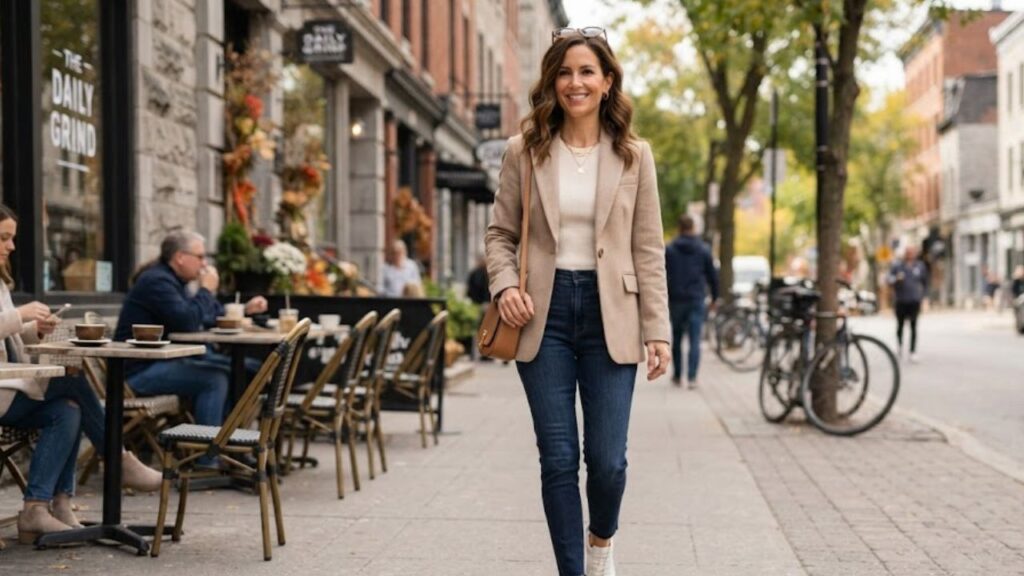
Smart Casual for Women Many wardrobes become more versatile once this distinction is clear. Business casual is designed primarily for professional settings. Smart casual offers greater flexibility while still appearing polished.
| Dress Code | Typical Style | Best For |
| Smart Casual | Relaxed yet polished, mixing tailored and casual pieces | Brunch, dinner, creative offices, travel, networking events |
| Business Casual | Professional, structured clothing with minimal casual elements | Offices, meetings, presentations, interviews |
Business casual generally relies on tailored trousers, blouses, blazers, loafers, and modest dresses. Jeans, even dark ones, may not always be appropriate.
Smart Casual for Women welcomes carefully selected denim, premium knitwear, elegant trainers, and more relaxed layering. The overall impression should still be refined rather than overly casual.
A useful question to ask before leaving home is this: if someone unexpectedly invited you into an important meeting, would you feel appropriately dressed? If the answer is yes, you’ve probably found the right balance.
Building a Smart Casual Wardrobe That Actually Gets Worn
Many wardrobes are full of individual pieces that looked appealing in the shop but rarely come together into complete outfits. Smart casual dressing works best when each item complements several others.
Instead of buying clothing for single occasions, invest in versatile staples that can be mixed repeatedly. Neutral colours such as navy, white, beige, black, camel, and grey make this process much easier because they naturally coordinate with one another. Adding personality through accessories or a seasonal colour is often more effective than filling a wardrobe with statement pieces that only work once or twice.
A practical smart casual wardrobe doesn’t need dozens of items. It needs reliable ones.
Essential pieces include:
- A tailored blazer in navy, black, or beige
- White button-down shirt
- Silk or satin blouse
- Fine-knit sweater
- Straight-leg dark jeans
- Tailored trousers
- Midi dress
- Midi skirt
- White leather trainers
- Loafers or ballet flats
- Ankle boots
- Structured tote bag
Smart Casual for Women These basics create dozens of combinations without making your wardrobe feel repetitive.
Fabric also deserves more attention than it usually receives. Natural fibres such as cotton, wool, linen blends, and cashmere generally hold their shape better and develop character over time. Even when shopping on a budget, choosing higher-quality fabric often has a greater impact than chasing labels.
Accessories complete the look but shouldn’t compete with it. A leather belt, simple jewellery, and a structured handbag usually add enough polish without overwhelming the outfit. Smart casual rarely depends on bold accessories; instead, it benefits from restraint.
Perhaps the most overlooked element is clothing maintenance. Freshly pressed shirts, clean trainers, polished loafers, and lint-free knitwear instantly elevate an outfit. These details are subtle, yet they shape how polished the entire look appears.
Creating Smart Casual Outfits for Different Occasions
The beauty of smart casual lies in its flexibility. Instead of owning separate wardrobes for work, weekends, and social events, you can adapt the same core pieces by changing one or two elements. A blazer worn with tailored trousers during the day can be paired with dark jeans for dinner. Likewise, a midi dress that works at the office can feel more relaxed with white leather sneakers and a crossbody bag on the weekend.
Smart Casual for Women For work, choose structured pieces that feel comfortable enough to wear all day. Tailored trousers, a knit top, loafers, and a well-fitted blazer create a polished appearance without looking overly formal. If your workplace has a relaxed dress code, dark-wash straight-leg jeans with a crisp button-down shirt can also work well.
Social occasions allow for more personality. A satin blouse tucked into wide-leg trousers, paired with elegant ankle boots or ballet flats, strikes the right balance for brunch, dinner, or networking events. For evening plans, subtle jewellery and a structured handbag can elevate the outfit without making it feel overdressed.
Smart Casual for Women Travel is another situation where smart casual shines. Comfortable fabrics, wrinkle-resistant trousers, and lightweight layers help you stay comfortable while still looking put together. A cardigan or trench coat adds versatility without taking up much luggage space.
Dressing Smart Casual Throughout the Year

Seasonal changes shouldn’t require a completely new wardrobe. Instead, build around timeless staples and adjust fabrics, colours, and layers as the weather changes.
Spring is ideal for lightweight blazers, cotton shirts, cropped trousers, and soft neutral colours. As temperatures rise in summer, breathable fabrics such as linen blends and lightweight cotton become essential. Sleeveless blouses, midi dresses, and loafers or clean leather sneakers offer comfort while maintaining a polished appearance.
Autumn introduces richer textures and deeper colour palettes. Camel coats, knit sweaters, dark denim, and ankle boots create effortless combinations that feel appropriate for both work and weekends. Layering becomes especially useful during this season, allowing outfits to adapt throughout the day.
Smart Casual for Women Winter calls for warmth without sacrificing style. Wool coats, fine-knit turtlenecks, tailored trousers, and leather boots work well together because each piece serves a practical purpose while contributing to a refined look. Rather than adding multiple bulky layers, choose fewer, higher-quality garments that fit comfortably under outerwear.
One styling habit many fashion professionals rely on is repeating a consistent colour palette across seasons. Keeping most of your wardrobe in complementary shades makes mixing and matching significantly easier while reducing unnecessary purchases.
Common Smart Casual Mistakes and How to Avoid Them
Most smart casual mistakes don’t happen because someone owns the wrong clothing. They happen because the outfit lacks balance.
Smart Casual for Women One common example is pairing several casual items together. Trainers, distressed jeans, an oversized hoodie, and a baseball cap may each work individually, but together they shift the look firmly into casual territory. Introducing a tailored blazer or structured coat immediately creates more contrast and sophistication.
The opposite problem is overdressing. Wearing formal business attire to a relaxed gathering can feel just as out of place as wearing athletic clothing to a professional lunch. Smart casual works best when it appears effortless rather than overly planned.
Fit deserves another mention because it affects every outfit. Oversized doesn’t always mean fashionable, and overly tight clothing rarely looks polished. Clothes should skim the body comfortably, allowing movement while maintaining clean lines.
Footwear also deserves careful consideration. Even the most stylish outfit loses its impact if shoes appear worn or neglected. Clean leather sneakers, polished loafers, and well-maintained ankle boots instantly improve an outfit’s overall appearance.
Smart Casual for Women Perhaps the most valuable lesson is resisting the urge to follow every trend. Trends change quickly, but quality basics remain useful for years. Building around timeless pieces gives you far more styling options than constantly replacing your wardrobe.
Expert Styling Advice for a More Polished Look
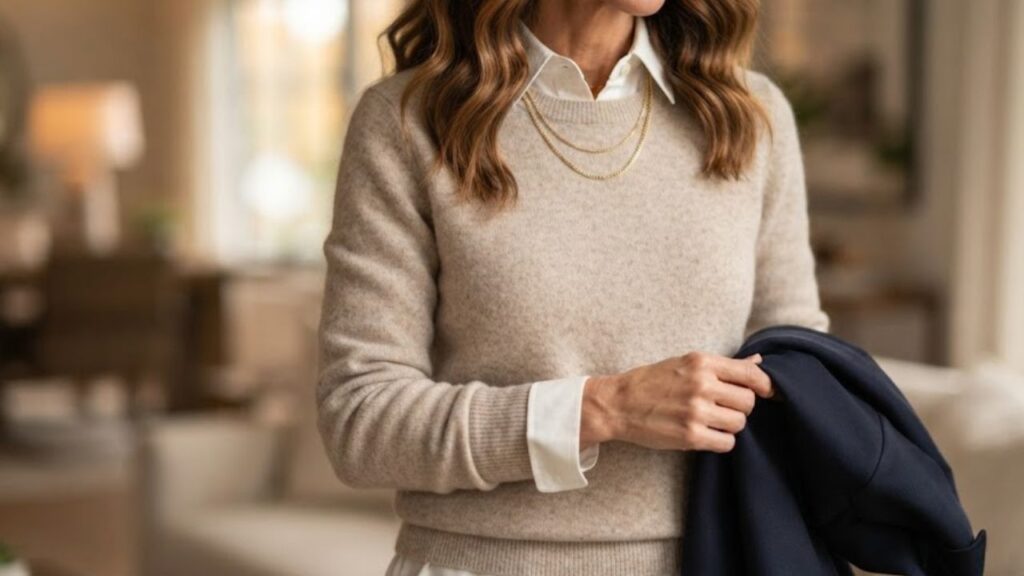
Professional stylists often focus less on buying new clothes and more on improving how existing pieces work together. One simple technique is creating contrast through proportions. If you’re wearing wide-leg trousers, balance them with a more fitted knit top. An oversized blazer works particularly well with slim trousers or a streamlined midi dress because the silhouette feels intentional.
Smart Casual for Women Texture also plays a significant role. Combining wool, cotton, leather, silk, or knit fabrics adds visual interest even when wearing mostly neutral colours. This approach creates sophisticated outfits without relying on bold prints or bright colours.
Another useful habit is planning outfits around one key piece instead of trying to make every item stand out. If your blazer is the statement piece, let the remaining clothing support it. If you’re wearing an elegant printed skirt, keep the blouse and accessories understated. This creates harmony and prevents the outfit from looking overly busy.
Finally, remember that confidence comes from familiarity. The women who always seem well dressed usually aren’t wearing complicated outfits. They’ve simply identified combinations that suit their lifestyle, body shape, and personal taste, then repeated those formulas with small variations.
Conclusion
Smart Casual for Women isn’t about following strict fashion rules or buying an entirely new wardrobe. It’s about choosing clothing with intention, balancing comfort with polish, and understanding which combinations suit different occasions.
A handful of well-made essentials can produce far more outfits than a wardrobe full of impulse purchases. Focus on fit, quality, and versatility first. As your confidence grows, you’ll naturally develop a personal style that feels authentic rather than forced. That’s ultimately what makes smart casual so appealing—it leaves room for individuality while ensuring you always look appropriately dressed.
Frequently Asked Questions
Can women wear jeans for smart casual?
Smart Casual for Women Yes. Dark-wash, straight-leg, or slim-fit jeans without heavy distressing work well when paired with polished pieces such as blazers, loafers, or elegant knitwear.
Are white sneakers considered smart casual?
Clean, minimalist leather sneakers are widely accepted in many smart casual settings, particularly for creative workplaces, travel, and weekend outings. Avoid heavily worn athletic trainers.
What’s the difference between smart casual and business casual?
Business casual is generally more formal and workplace-focused. Smart casual allows greater flexibility by combining tailored clothing with carefully selected casual pieces.
Is a blazer essential for smart casual?
No, but it’s one of the most versatile items you can own. A cardigan, structured jacket, or elegant knit can provide a similar polished effect depending on the occasion.
How can I build a smart casual wardrobe on a budget?
Start with versatile basics in neutral colours, invest in quality footwear, and choose clothing that mixes easily with pieces you already own. A smaller wardrobe of well-fitting staples often provides more outfit options than buying inexpensive trend-driven items.