

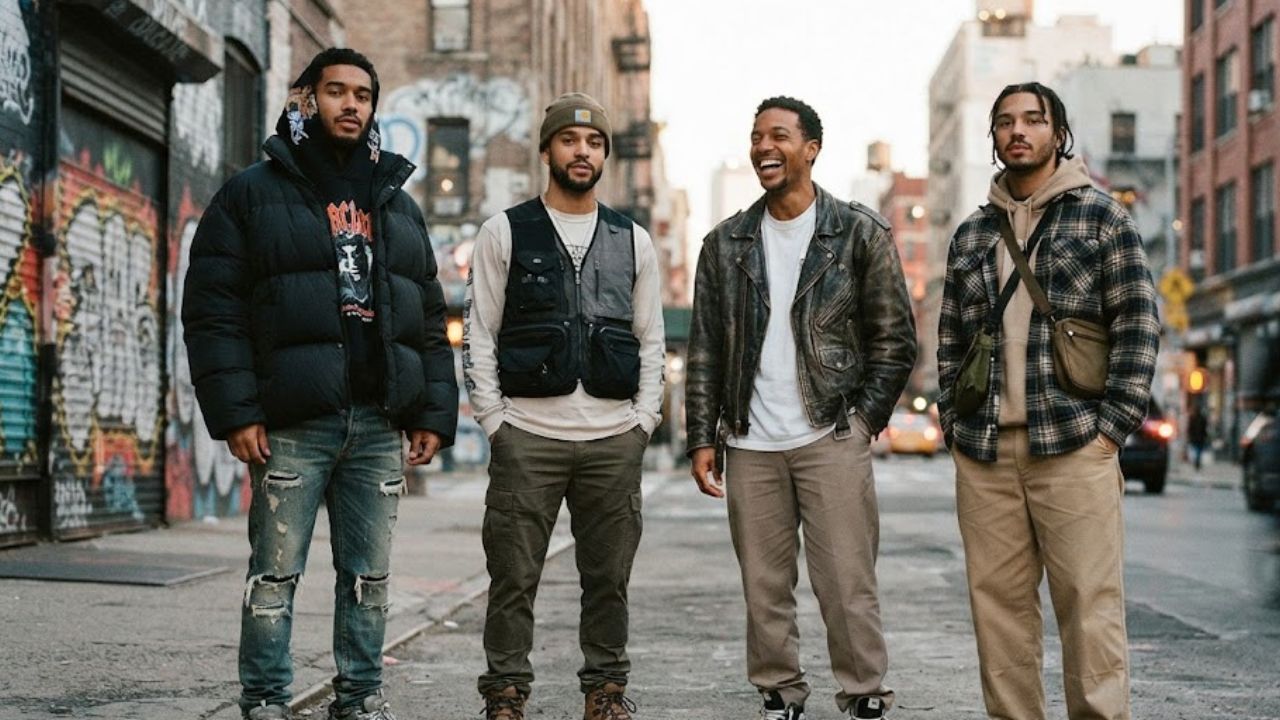
Men’s streetwear has changed dramatically over the past two decades. What started as a niche style shaped by skateboarding, hip-hop, and youth culture has become one of the biggest influences on modern menswear. You’ll see its impact everywhere—from luxury fashion runways to everyday wardrobes, where oversized hoodies, relaxed denim, cargo trousers, and statement trainers have become staples rather than trends.
The appeal of streetwear isn’t about chasing the latest logo or buying expensive limited-edition pieces. At its best, it’s a way of dressing that combines comfort, personality, and practicality. A well-built streetwear wardrobe works because each item complements the others, allowing you to create outfits that feel effortless instead of overstyled.
Men’s Streetwear Many people assume streetwear has a strict set of rules. The reality is quite the opposite. The strongest outfits usually come from understanding proportions, choosing quality basics, and adding just enough personality to make the look your own. Once you understand those principles, building outfits becomes much easier than copying whatever happens to be trending on social media.
What Makes Streetwear Different?
Streetwear sits somewhere between casual clothing and fashion-forward styling. It borrows ideas from skate culture, basketball, music, workwear, and vintage fashion, blending them into outfits that prioritise comfort without looking careless.
Men’s Streetwear One mistake many newcomers make is believing that buying popular brands automatically creates a great outfit. Experienced stylists know the opposite is often true. Fit, balance, and colour coordination have a much bigger impact than the logo on your hoodie.
Take a simple outfit as an example: an oversized heavyweight T-shirt, relaxed cargo trousers, clean white trainers, and a crossbody bag. None of those pieces need to be expensive. What makes the outfit work is the relationship between the garments. The loose top balances the wider trousers, while clean footwear keeps everything looking intentional rather than sloppy.
Another overlooked aspect of streetwear is fabric. Heavy cotton T-shirts, structured hoodies, quality denim, and durable twill trousers age far better than thinner, cheaper alternatives. Better materials drape naturally, maintain their shape after washing, and make even simple outfits look more refined.
Building a Streetwear Wardrobe That Actually Works
Men’s Streetwear Many wardrobes become cluttered because people buy individual pieces instead of thinking in terms of complete outfits. A graphic hoodie might look great on its own, but if it doesn’t work with your jeans, trainers, or jackets, it ends up sitting unworn.
A stronger approach is to build around versatile essentials first.
Your foundation should include:
- Heavyweight oversized T-shirts in neutral colours
- A quality hoodie
- Relaxed-fit jeans
- Cargo trousers
- White trainers
- A darker pair of everyday trainers
- A lightweight jacket
- A bomber or varsity jacket
- Plain socks and understated accessories
- One or two graphic pieces that reflect your personal style
Men’s Streetwear Notice what’s missing from that list: loud prints, oversized logos, and trendy statement items. Those pieces can certainly work, but they’re far easier to style once you’ve established a reliable foundation.
A useful rule many professional stylists follow is the “80/20 wardrobe.” Roughly eighty percent of your clothing should be timeless basics, while twenty percent adds personality through graphics, colours, collaborations, or seasonal trends. That balance keeps your wardrobe feeling current without becoming outdated every year.
Understanding Streetwear Fit
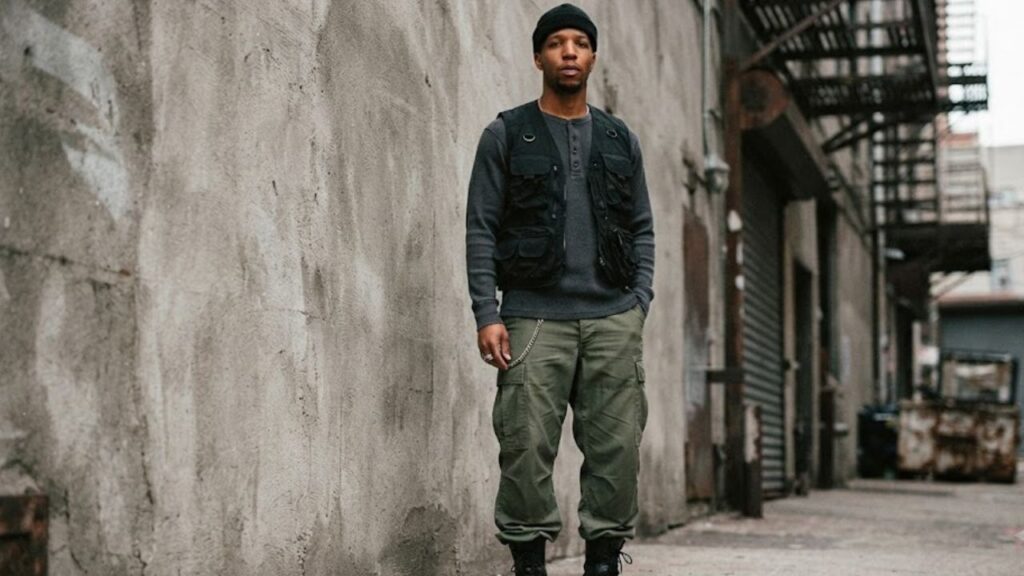
Fit is where most streetwear outfits succeed or fail.
Oversized doesn’t mean buying clothes several sizes too large. Proper oversized clothing is designed with wider shoulders, longer sleeves, room through the body, and carefully considered proportions. Simply wearing an XXL shirt when you normally wear a medium often creates an untidy silhouette instead of a fashionable one.
The best streetwear outfits usually balance volume. If your hoodie has a relaxed, oversized cut, pairing it with slightly tapered cargo trousers creates visual structure. On the other hand, wearing extremely oversized garments from head to toe can overwhelm your frame unless you’re intentionally creating a dramatic fashion look.
Men’s Streetwear Height also plays a role. Taller men often carry longer outerwear comfortably, while shorter men generally benefit from cropped jackets and trousers that break cleanly above the shoe. These small adjustments make a noticeable difference but rarely receive enough attention in online style advice.
Footwear is another factor that influences proportions. Chunkier trainers naturally complement relaxed trousers because they visually support the wider silhouette. Slim trainers often work better with narrower jeans or cleaner minimalist outfits.
Choosing the Right Colours
Men’s Streetwear doesn’t rely on bright colours as much as many people assume. In fact, the strongest wardrobes often revolve around a fairly restrained palette.
Black, white, grey, navy, olive, beige, cream, and brown form the backbone of countless outfits because they pair easily with one another. Once those basics are in place, adding a brighter hoodie, colourful trainers, or a patterned overshirt becomes much easier.
A practical approach is to let one item become the focal point. If you’re wearing bold trainers, keep the rest of the outfit relatively understated. If your jacket features striking graphics, choose plain trousers and simple footwear.
Men’s Streetwear Monochrome outfits also deserve more attention. Wearing different shades of grey, cream, or black creates depth through texture rather than colour. Combining heavyweight cotton, washed denim, nylon outerwear, and suede trainers gives the outfit visual interest without appearing busy.
Many experienced dressers spend more time considering texture than colour. That’s often the difference between an outfit that looks expensive and one that feels flat.
Streetwear Brands Worth Considering
Men’s Streetwear The conversation around streetwear often focuses on hype, but popularity doesn’t always equal quality. Some of the most reliable wardrobes are built from brands known for consistency rather than limited releases.
Affordable labels frequently offer excellent value for basics, while mid-range brands tend to improve fabric quality, construction, and fit. Premium labels often introduce distinctive silhouettes and craftsmanship, though higher prices don’t automatically guarantee better style.
Instead of chasing every new collaboration, think about what each purchase adds to your wardrobe. A heavyweight hoodie you’ll wear twice a week for several years offers far more value than a limited-edition piece that rarely leaves the wardrobe because it’s difficult to style.
Experienced collectors often recommend investing first in everyday essentials and only then exploring statement pieces. That approach leads to a wardrobe that’s worn regularly rather than admired from the hanger.
Streetwear Outfit Formulas That Never Feel Overdone
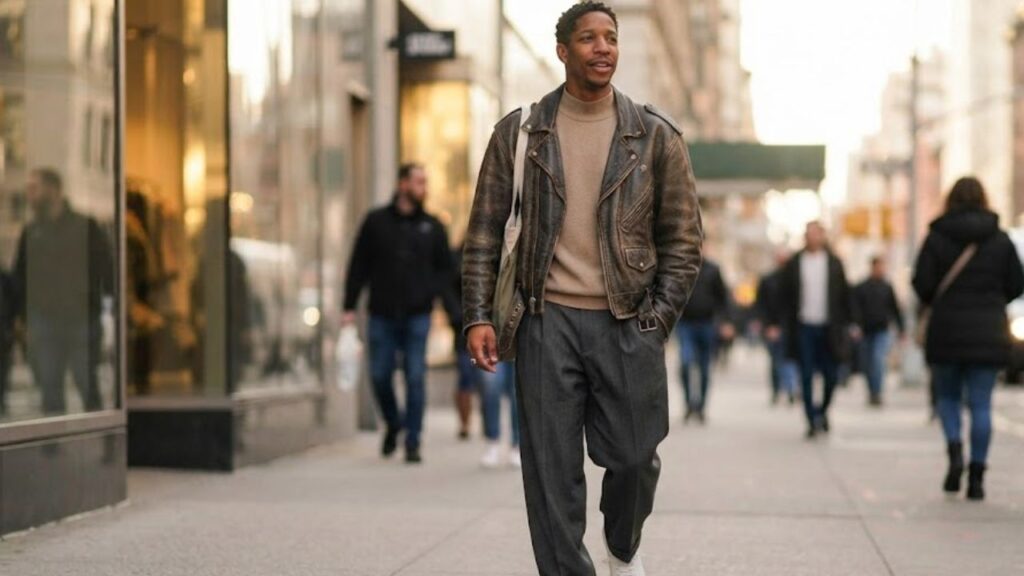
Men’s Streetwear One of the easiest ways to simplify getting dressed is to think in outfit formulas rather than individual garments. Experienced stylists often rely on repeatable combinations because they know the proportions already work. Instead of reinventing your wardrobe every morning, you can rotate colours, fabrics, and accessories while keeping the overall structure consistent.
A few combinations consistently deliver strong results:
| Occasion | Outfit Formula |
| Everyday | Oversized T-shirt + relaxed jeans + clean white trainers |
| Weekend | Hoodie + cargo trousers + basketball-inspired trainers |
| Cooler weather | Heavyweight sweatshirt + straight-leg denim + bomber jacket |
| Summer | Boxy tee + tailored shorts + low-top trainers |
| Smart casual | Plain hoodie + overshirt + dark trousers + minimalist trainers |
Men’s Streetwear These formulas aren’t strict rules. They’re starting points. A washed denim jacket can replace the bomber, or a pair of neutral cargo trousers can swap places with relaxed jeans. The goal is consistency rather than repetition. When the proportions stay balanced, small changes make the wardrobe feel fresh without requiring dozens of new purchases.
Layering deserves special attention because it’s one of the details that separates average outfits from memorable ones. A longer T-shirt under a cropped hoodie, an overshirt worn open over a heavyweight tee, or a lightweight jacket over a sweatshirt creates visual depth. Good layering isn’t about wearing more clothing; it’s about giving each piece enough room to contribute without competing for attention.
Avoiding the Mistakes That Make Streetwear Look Forced
Men’s Streetwear Many styling problems come from trying too hard. Social media often rewards the loudest outfits, but clothing that looks great in a photograph doesn’t always translate to everyday life.
A common mistake is buying every trending item at once. Wide-leg trousers, oversized hoodies, graphic tees, statement trainers, technical vests, and bold accessories can all work individually, but wearing them together often creates visual clutter. Allow one element to stand out while the others provide balance.
Ignoring garment quality is another expensive mistake. Two hoodies may look nearly identical online, yet one will keep its shape after dozens of washes while the other begins to fade, twist, or shrink. Paying attention to fabric weight, stitching, and construction usually provides better long-term value than simply choosing the cheapest option.
Fit remains the biggest differentiator. Oversized clothing should still look intentional. Sleeves shouldn’t completely hide your hands, trousers shouldn’t drag heavily across the ground, and hoodies should drape naturally instead of appearing several sizes too large. Streetwear celebrates relaxed silhouettes, but relaxed is not the same as careless.
Another overlooked habit is neglecting footwear. Trainers often receive the most attention, yet keeping them clean matters just as much as choosing the right pair. Fresh-looking shoes instantly make the rest of an outfit appear more polished.
Shopping Smarter Instead of Buying More
Men’s Streetwear Building an impressive wardrobe doesn’t require purchasing everything in a single season. In fact, most well-dressed people develop their collection gradually, replacing weaker items with better ones over time.
Before buying anything new, ask yourself three simple questions. Will it work with at least three outfits you already own? Does it fill a genuine gap in your wardrobe? Can you imagine wearing it regularly six months from now? If the answer to any of those questions is “no,” it’s worth reconsidering the purchase.
Shopping during end-of-season sales can also stretch your budget considerably. High-quality jackets, denim, and hoodies often receive substantial discounts once retailers make room for new collections. Buying timeless pieces rather than trend-driven designs means those savings continue to pay off for years.
Men’s Streetwear It’s also worth exploring second-hand platforms and vintage stores. Many classic workwear jackets, heavyweight sweatshirts, and premium denim pieces develop character with age. Vintage shopping takes patience, but it often rewards buyers with unique garments that stand apart from mass-produced fashion.
Finally, don’t underestimate the value of wardrobe maintenance. Washing garments according to their care labels, avoiding excessive tumble drying, and storing shoes properly will extend the life of your clothing and keep outfits looking sharper.
Developing Your Own Style
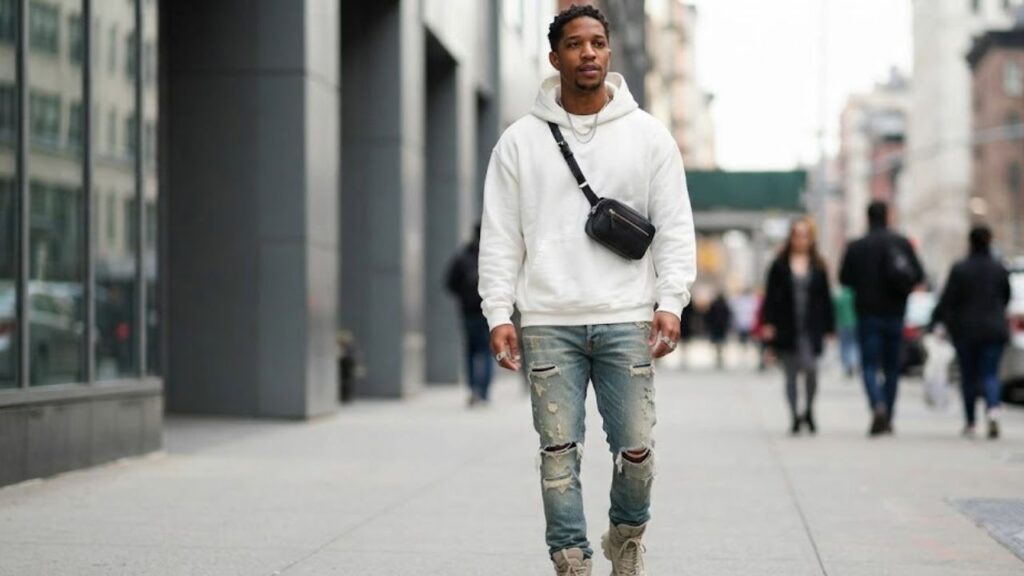
Streetwear has always rewarded individuality more than imitation. Looking at outfit inspiration is useful, but copying someone else’s wardrobe piece for piece rarely feels authentic. The most interesting dressers borrow ideas, adapt them to their lifestyle, and gradually create a signature look.
Pay attention to what you naturally reach for each week. If neutral colours dominate your wardrobe, lean into that aesthetic instead of forcing bright graphics because they’re trending. If you spend most of your time walking around the city, comfortable trainers will probably serve you better than collecting limited-edition pairs that rarely leave the box.
Style also changes with experience. Many people begin with bold logos and graphic prints before gradually appreciating cleaner silhouettes, better fabrics, and stronger construction. That’s a normal progression. Personal taste develops through wearing clothes, not simply buying them.
A thoughtfully built streetwear wardrobe doesn’t need to be the biggest or the most expensive. It simply needs to reflect your personality while remaining practical enough to wear regularly. When comfort, quality, and confidence work together, the result feels effortless rather than manufactured.
Frequently Asked Questions
What are the essential pieces for a men’s streetwear wardrobe?
Men’s Streetwear Start with heavyweight T-shirts, a quality hoodie, relaxed-fit jeans, cargo trousers, versatile trainers, and one lightweight jacket. These basics create the foundation for dozens of outfits.
Should streetwear always be oversized?
No. Relaxed proportions are common, but balance matters more than size. Combining one oversized piece with more structured garments usually creates a cleaner silhouette.
Are expensive streetwear brands worth the money?
Men’s Streetwear Premium brands often offer better fabrics and construction, but price alone doesn’t guarantee great style. Well-fitting, high-quality basics usually deliver better value than chasing limited-edition releases.
Can streetwear work for older men?
Absolutely. Choosing cleaner colours, subtle graphics, and well-made essentials creates a modern look that works across age groups without feeling like you’re dressing for someone else’s lifestyle.
How many outfits can I build from a basic streetwear wardrobe?
A carefully chosen capsule wardrobe of around 15 to 20 versatile pieces can comfortably create dozens of outfit combinations by rotating layers, footwear, and accessories.
Conclusion
Great streetwear isn’t defined by logos, resale prices, or whatever happens to be trending this month. It’s built on thoughtful proportions, dependable basics, quality materials, and the confidence to wear clothing that suits your lifestyle. Invest in versatile essentials first, learn how different fits work together, and let your wardrobe evolve naturally. The result won’t just look better—it will also be easier to wear every day, season after season.