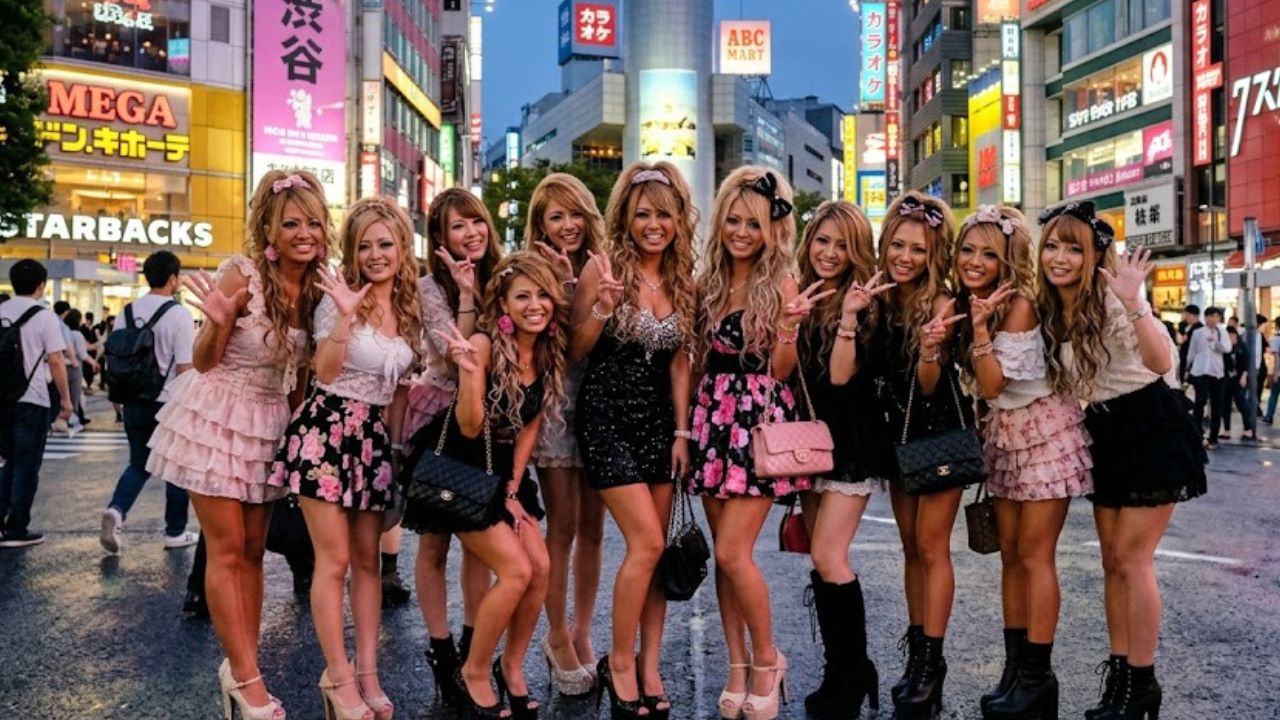
Is Gyaru Still Popular? For people who first discovered Gyaru through old photos of Shibuya, fashion magazines, or dramatic Ganguro makeup, the answer to “Is Gyaru still popular?” can seem confusing. Some claim the subculture disappeared years ago. Others point to thriving online communities and a growing number of creators embracing the aesthetic.
The reality sits somewhere in the middle.
Is Gyaru Still Popular? Gyaru no longer dominates Japanese youth fashion the way it did during its peak in the late 1990s and 2000s. You won’t find the same level of mainstream visibility that once made Gyaru one of Japan’s most recognizable fashion movements. Yet describing it as dead would be inaccurate. Like many influential subcultures, Gyaru evolved rather than vanished.
Its influence can still be seen in modern street fashion, social media communities, beauty trends, and the renewed interest in Y2K aesthetics. Younger fashion enthusiasts are discovering Gyaru for the first time, while longtime followers continue adapting the style to fit contemporary tastes. What exists today isn’t a copy of classic Gyaru—it is a modern interpretation shaped by changing fashion preferences and digital culture.
Understanding What Made Gyaru Different
Is Gyaru Still Popular? One reason Gyaru remains fascinating is that it was never just about clothing.
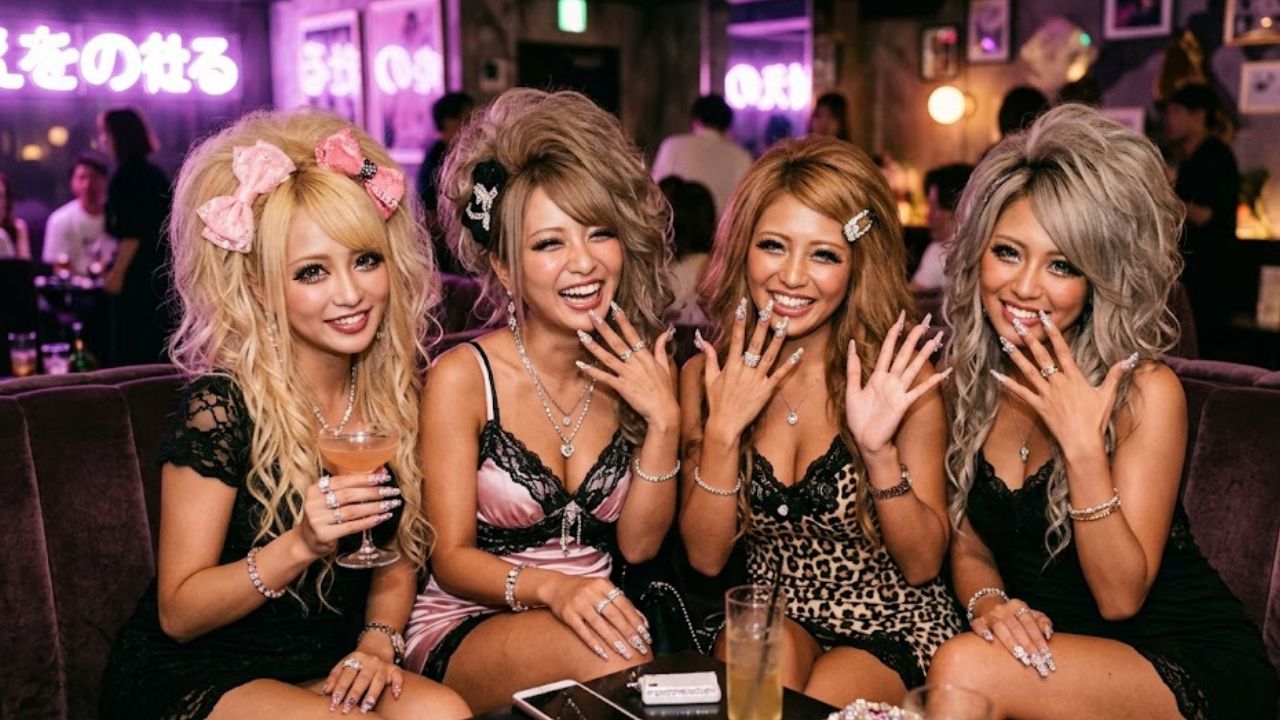
At its core, Gyaru represented individuality and resistance to traditional expectations. During its rise in Japan, many young women used the style to challenge conventional beauty standards and social norms. The exaggerated makeup, dyed hair, decorated nails, and bold fashion choices were visual statements as much as style decisions.
This deeper cultural aspect often gets overlooked in discussions about popularity. People sometimes focus exclusively on the appearance while forgetting the mindset behind it. The confidence, self-expression, and willingness to stand apart from mainstream expectations were just as important as the makeup and fashion.
That philosophy helps explain why Gyaru continues attracting followers long after its commercial peak. Trends come and go, but the desire for self-expression rarely disappears.
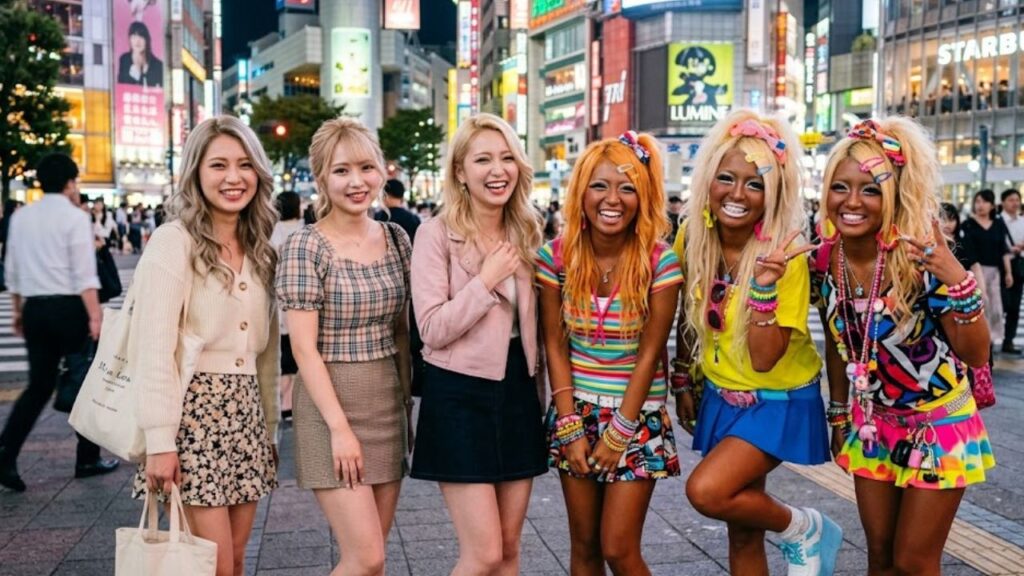
Is Gyaru Still Popular? The movement also developed numerous substyles over time. Hime Gyaru embraced princess-inspired elegance. Agejo Gyaru leaned toward glamorous and mature fashion. Kogal became associated with modified school-uniform aesthetics. Ganguro pushed boundaries through dramatic tanning and bold makeup techniques.
Each variation attracted different personalities, which gave the subculture remarkable staying power.
Why Gyaru Lost Mainstream Popularity
Is Gyaru Still Popular? When people ask whether Gyaru is still popular, they’re often comparing today’s scene to the subculture’s golden era.
During the early 2000s, Gyaru was impossible to ignore. Fashion magazines such as Egg and Popteen helped shape trends, while districts like Shibuya became global symbols of Japanese street fashion. The movement influenced everything from cosmetics to music and youth culture.
Several factors contributed to its decline as a mainstream trend.
Fashion naturally moves in cycles. As Gyaru matured, new aesthetics emerged and captured the attention of younger generations. Minimalist beauty trends became increasingly popular, replacing the dramatic makeup and highly styled appearance associated with traditional Gyaru.
The decline of print magazines also played a significant role. Much of Gyaru culture depended on fashion publications that showcased trends, models, and styling inspiration. When magazine readership declined, the infrastructure supporting the community weakened as well.
Is Gyaru Still Popular? Economic changes mattered too. Some classic Gyaru looks required substantial investments in clothing, hair treatments, accessories, and beauty products. Simpler styles became more practical and accessible for many consumers.
Yet popularity and relevance aren’t always the same thing. While Gyaru lost its dominant position, it never completely disappeared.
The Modern Gyaru Revival
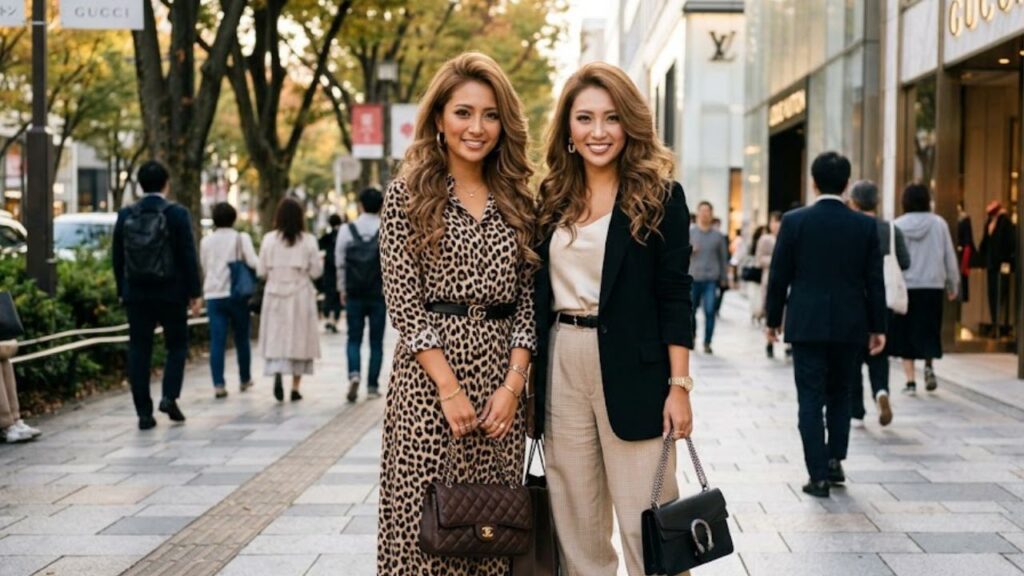
What many competitors miss is that Gyaru’s survival has less to do with fashion and more to do with community.
Social media changed the way subcultures operate. In the past, local communities and magazines determined whether a style could survive. Today, enthusiasts can connect globally through TikTok, Instagram, YouTube, and niche online groups.
Is Gyaru Still Popular? This shift benefits specialized fashion movements like Gyaru.
Instead of needing millions of followers to remain visible, modern Gyaru communities can thrive with smaller but highly engaged audiences. A creator in California can exchange styling ideas with someone in Tokyo. Makeup tutorials can reach viewers worldwide within hours.
The recent Y2K revival has also created favorable conditions for Gyaru’s return. Many younger fashion enthusiasts are exploring styles inspired by the late 1990s and early 2000s. During that process, they inevitably encounter Gyaru, which was one of the defining aesthetics of that era.
Interestingly, many newcomers aren’t recreating traditional Gyaru exactly as it existed twenty years ago. They’re borrowing elements and adapting them for modern tastes. Softer makeup, updated silhouettes, and contemporary accessories often replace the more extreme characteristics associated with classic looks.
That’s why the question isn’t really whether Gyaru survived unchanged. It didn’t.
The more interesting question is how effectively it adapted.
Which Types of Gyaru Are Still Popular?
Is Gyaru Still Popular? Not all Gyaru styles experienced the same level of revival.
Some substyles transitioned into modern fashion much more successfully than others.
Hime Gyaru remains one of the most recognizable forms because its feminine, romantic aesthetic continues appealing to fashion enthusiasts who enjoy elegant and decorative clothing. The princess-inspired look aligns naturally with several modern fashion trends.
Agejo Gyaru also retains a loyal following. Its glamorous appearance, sophisticated styling, and emphasis on luxury-inspired fashion allow it to blend more easily with contemporary beauty standards.
Onee Gyaru has arguably adapted best to modern fashion. Because it already emphasized a more mature and refined appearance, many of its characteristics fit comfortably within current trends. Some people wear outfits influenced by Onee Gyaru without even realizing the connection.
Is Gyaru Still Popular? Ganguro occupies a different position. It remains culturally significant and influential, but its extreme visual characteristics make it less common than softer modern variations. Most contemporary enthusiasts appreciate Ganguro’s historical importance while choosing more wearable interpretations for everyday life.
The rise of Neo-Gyaru demonstrates how fashion subcultures evolve. Rather than preserving every detail from the past, newer followers reinterpret core ideas through a contemporary lens.
Is Gyaru Popular Outside Japan?
One of the strongest signs of Gyaru’s continued relevance is its international reach.
Is Gyaru Still Popular? During its peak years, the subculture influenced fashion enthusiasts worldwide, but access to information remained relatively limited. Today, geographic barriers matter far less.
The United States has become one of the largest international audiences for Japanese street fashion. Anime, manga, gaming culture, and social media have introduced millions of people to Japanese aesthetics that once felt inaccessible.
American Gyaru communities continue organizing online events, sharing styling advice, creating content, and supporting newcomers. These communities may not receive mainstream media attention, but they demonstrate that interest remains active.
The same pattern appears throughout Europe, Southeast Asia, and Latin America. Dedicated enthusiasts continue celebrating the fashion, teaching newcomers, and preserving knowledge about various Gyaru substyles.
This global perspective changes the conversation entirely.
If popularity is measured solely by visibility in Japanese mainstream culture, Gyaru is clearly smaller than it once was. If popularity includes worldwide participation and online engagement, the picture becomes far more positive.
Fashion subcultures no longer depend exclusively on local popularity to survive.
Modern Gyaru Versus Traditional Gyaru
Is Gyaru Still Popular? The biggest mistake people make when evaluating Gyaru’s popularity is expecting modern followers to dress exactly like participants from twenty years ago.
Fashion rarely works that way.
| Traditional Gyaru | Modern Gyaru |
| Magazine-driven trends | Social media-driven trends |
| Heavy makeup emphasis | More adaptable makeup styles |
| Local community focus | Global online communities |
| Strict style categories | Flexible interpretations |
| Regional influence | International influence |
Modern enthusiasts often focus on the spirit of Gyaru rather than strict historical accuracy. They embrace confidence, creativity, and individuality while adapting styling choices to contemporary fashion.
Some longtime followers criticize these changes, arguing that modern versions lack authenticity. Others view adaptation as necessary for survival.
From a fashion history perspective, evolution is usually a sign of health rather than decline. Styles that refuse to change often disappear completely. Styles that adapt can remain relevant across generations.
Gyaru appears to fall into the second category.
What the Future Holds for Gyaru
Fashion trends rarely return in exactly the same form, and Gyaru is unlikely to reclaim the dominant cultural position it held during its peak years.
That doesn’t mean its future is uncertain.
The factors supporting modern Gyaru are surprisingly strong. Social media enables global community building. The ongoing popularity of Y2K aesthetics introduces new audiences to the style. Growing interest in alternative fashion creates opportunities for niche subcultures to thrive.
Perhaps most importantly, the values behind Gyaru remain relevant. Self-expression, creativity, confidence, and individuality continue resonating with younger generations searching for alternatives to mainstream fashion.
The future of Gyaru probably won’t be defined by massive commercial success or widespread mainstream adoption. Instead, it will likely remain what many successful subcultures eventually become: a dedicated, evolving community with a lasting influence that extends far beyond its size.
FAQ
Is Gyaru still popular in Japan?
Yes, although it is significantly smaller than during its peak years. Dedicated communities, fashion enthusiasts, and creators continue supporting the style, particularly through social media.
Is Gyaru making a comeback?
Many fashion observers believe Gyaru is experiencing a revival due to the popularity of Y2K fashion, nostalgia-driven trends, and increased exposure through TikTok and Instagram.
Which Gyaru style is most popular today?
Onee Gyaru, Hime Gyaru, and modern Neo-Gyaru variations tend to be more popular because they adapt easily to contemporary fashion preferences.
Is Ganguro still popular?
Ganguro remains influential and respected within the Gyaru community, but it is less common than softer modern interpretations due to its highly distinctive appearance.
Can someone become Gyaru today?
Absolutely. Many newcomers enter the community through online resources, social media creators, makeup tutorials, and fashion inspiration shared by existing Gyaru enthusiasts.
Gyaru is no longer the dominant force it once was, but popularity isn’t measured only by mainstream visibility. The subculture continues attracting new followers, inspiring fashion trends, and evolving alongside changing tastes. What survives today is not a museum piece from the early 2000s. It’s a living fashion movement that has adapted to a different era while preserving the confidence and individuality that made it memorable in the first place.