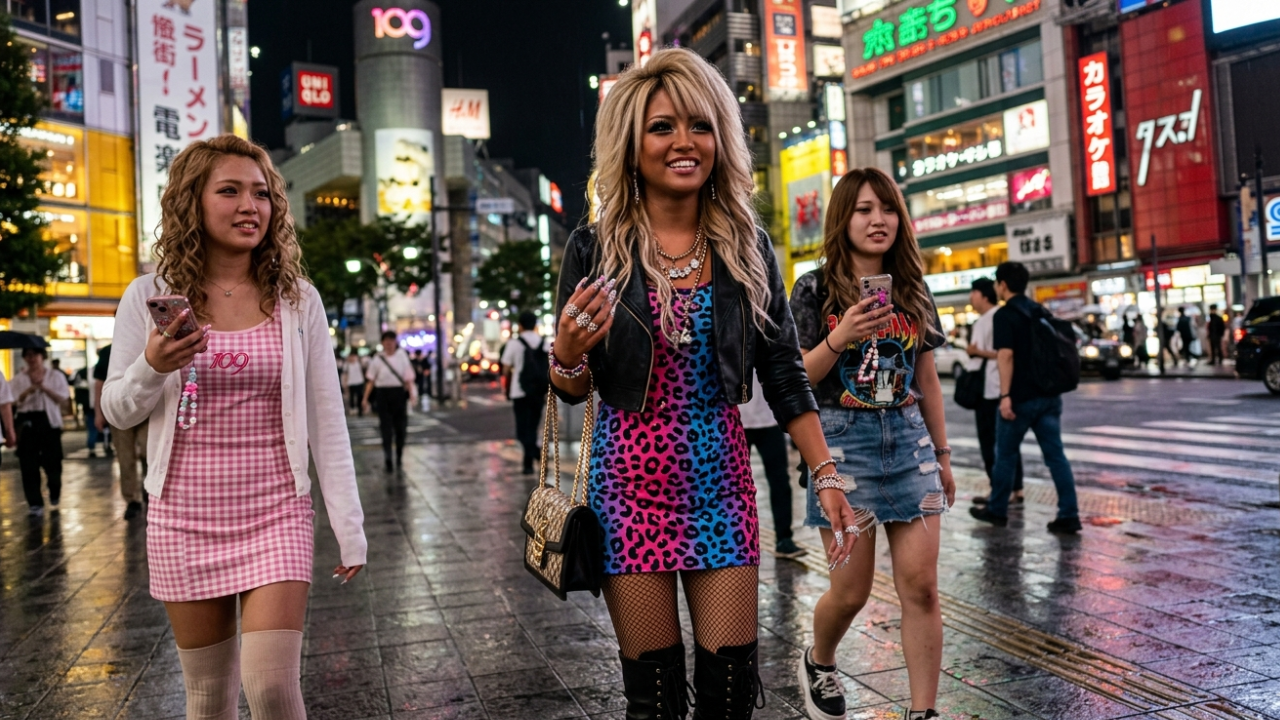
Japanese Gyaru Fashion has produced countless trends over the decades, but few have been as influential, misunderstood, and visually striking as Gyaru fashion. At first glance, many people notice the dramatic makeup, bold hairstyles, and glamorous outfits. What they often miss is the attitude behind it. Gyaru was never just about clothes. It emerged as a form of self-expression and, in many ways, a rejection of traditional expectations placed on young women in Japan.
What makes Gyaru fascinating is its ability to evolve. The style that dominated Japanese streets in the late 1990s isn’t exactly the same style you’ll find today. Modern Gyaru has adapted to new fashion trends, social media culture, and global influences while still maintaining its rebellious spirit. If you’re curious about Japanese Gyaru fashion, understanding both its visual elements and cultural roots will help you appreciate why it remains relevant decades after its peak popularity.
Understanding the Origins of Gyaru Fashion
Japanese Gyaru Fashion The word “Gyaru” comes from the English word “girl,” but the culture surrounding it developed into something uniquely Japanese. During the 1970s and 1980s, young women began challenging traditional beauty standards that emphasized modesty, natural appearance, and conformity. By the 1990s, this movement had evolved into a recognizable fashion subculture.
Japanese Gyaru Fashion One detail many competitors overlook is that Gyaru wasn’t originally intended to create a specific aesthetic. It was more about standing out. The dramatic hairstyles, tanned skin, flashy accessories, and bold makeup were visual symbols of independence. Young women used fashion as a way to separate themselves from societal expectations.
Japanese magazines played a significant role in shaping the movement. Publications such as Egg Magazine and Popteen showcased emerging trends and introduced readers to new interpretations of Gyaru style. These magazines became cultural hubs where fashion ideas spread rapidly throughout Japan.
As internet culture expanded, Gyaru moved beyond Tokyo and eventually attracted attention from fashion enthusiasts worldwide. Today, you’ll find communities dedicated to the style across the United States, Europe, and other parts of Asia.
The Different Types of Gyaru Fashion
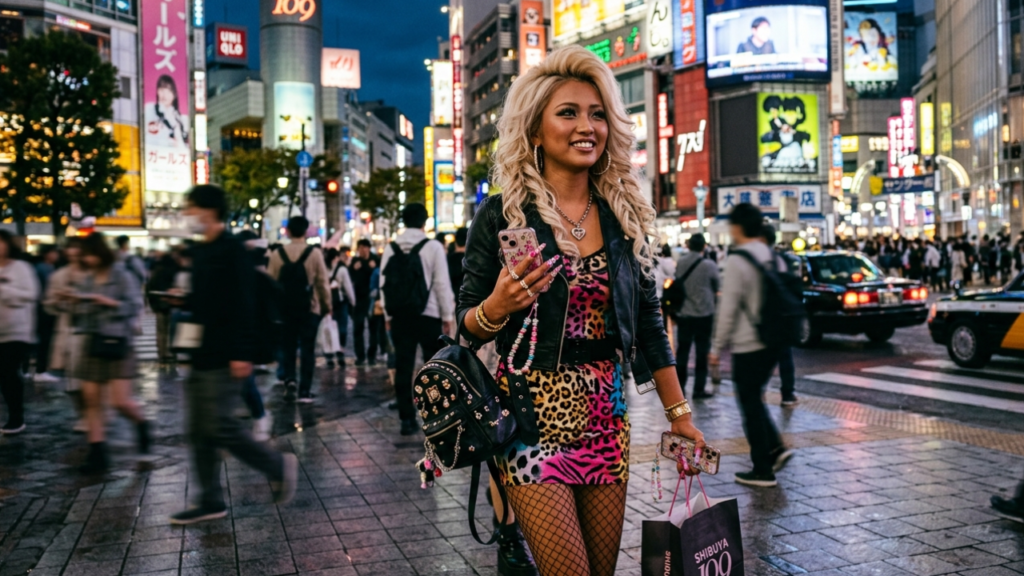
One of the biggest mistakes newcomers make is assuming all Gyaru styles look the same. In reality, Gyaru includes several distinct substyles, each with its own identity.
| Style | Key Characteristics |
| Kogal | School-inspired fashion with trendy accessories |
| Ganguro | Deep tans, dramatic makeup, bleached hair |
| Hime Gyaru | Princess-inspired dresses, curls, and luxury aesthetics |
| Agejo | Glamorous nightlife fashion with elegant styling |
| Onee Gyaru | Sophisticated and mature interpretation of Gyaru |
| Roma Gyaru | Romantic, feminine outfits with vintage influences |
Hime Gyaru remains one of the most recognizable styles because of its princess-like appearance. Lace dresses, oversized bows, pearls, and elaborate hairstyles define the look. Fashion brands such as Liz Lisa helped popularize this aesthetic among younger audiences.
Ganguro, on the other hand, became famous for its dramatic contrast to conventional beauty standards. Deep tanning, white makeup accents, and bright clothing created a bold appearance that challenged traditional ideals of beauty in Japan.
Japanese Gyaru Fashion Modern enthusiasts often mix elements from multiple substyles. Rather than strictly following one category, many create personalized versions that fit their lifestyles and preferences.
Building a Gyaru Wardrobe
A common misconception is that creating a Gyaru wardrobe requires purchasing expensive imported clothing. While authentic Japanese brands can certainly help achieve a traditional look, they’re not essential.
Japanese Gyaru Fashion The real secret lies in understanding silhouettes, styling choices, and overall presentation. Experienced Gyaru enthusiasts focus more on coordination than individual items. A relatively simple outfit can appear authentically Gyaru when paired with the right accessories, hairstyle, and makeup.
Key wardrobe pieces often include:
- Statement tops with feminine details
- Mini skirts or fitted dresses
- Platform shoes or high heels
- Decorative handbags
- Layered jewelry and accessories
Color selection varies depending on the chosen substyle. Hime Gyaru frequently uses pinks, whites, and pastel shades, while Agejo fashion incorporates black, gold, and luxurious textures. Onee Gyaru tends to favor neutral colors and more sophisticated silhouettes.
Another expert tip often overlooked is that fit matters more than brand labels. Clothing that flatters your body shape and supports the overall aesthetic will usually look better than expensive pieces worn without thoughtful styling.
Mastering Gyaru Makeup
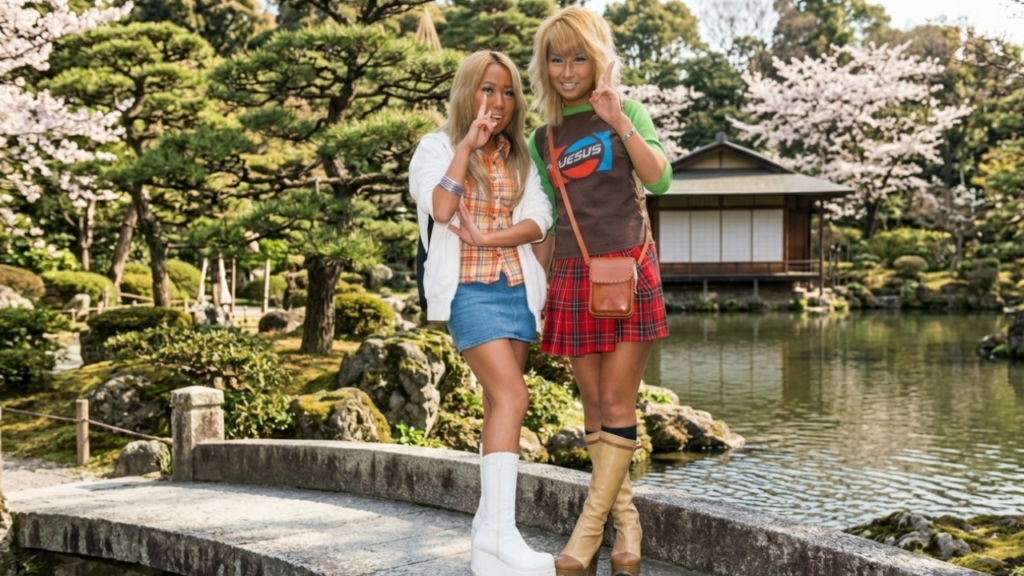
Ask long-time members of the Gyaru community what defines the style, and many will point to makeup before clothing. While outfits can vary dramatically between substyles, makeup often serves as the visual foundation of the entire look.
Japanese Gyaru Fashion The goal isn’t simply to wear more makeup. Instead, it’s about creating larger, more expressive eyes and enhancing facial features in a way that appears glamorous and striking. This approach helped distinguish Gyaru from mainstream Japanese beauty trends.
Several techniques are commonly associated with Gyaru makeup:
- Dramatic eyeliner to enlarge the eyes
- False eyelashes on upper and lower lash lines
- Circle lenses to create a bigger eye appearance
- Highlighting and contouring for facial definition
- Soft gradient lip colors
Beginners frequently focus too much on copying individual makeup products rather than understanding facial balance. Experienced Gyaru stylists know that makeup should complement face shape, eye structure, and overall styling choices.
One reason modern Gyaru remains accessible is that contemporary beauty products make achieving these effects much easier than they were twenty years ago. Today’s tutorials, cosmetic innovations, and online communities allow newcomers to learn techniques that once required significant experimentation.
Hairstyles, Accessories, and the Details That Matter
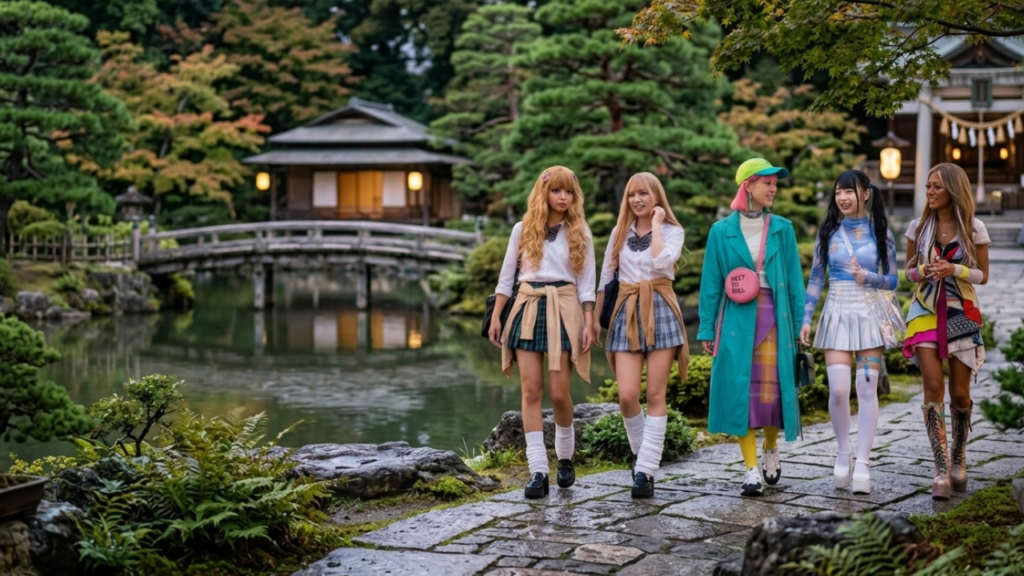
Clothing and makeup attract attention, but the finer details often determine whether a Gyaru look feels authentic. Hair, accessories, nails, and overall presentation contribute significantly to the final result.
Historically, big hair was a defining feature. Voluminous curls, teased styles, and bleached shades became closely associated with many Gyaru subcultures. While modern interpretations are often less extreme, styled hair remains an important component.
Japanese Gyaru Fashion Accessories should feel intentional rather than excessive. Large sunglasses, statement jewelry, decorative phone charms, bows, and embellished handbags have all played important roles within different Gyaru communities.
Nail art deserves special mention because it became an extension of personal expression within the culture. Long decorated nails featuring rhinestones, pearls, and elaborate designs helped complete the glamorous image many Gyaru enthusiasts sought to achieve.
Something experienced fashion observers often notice is that successful Gyaru styling creates consistency. Hair, makeup, clothing, and accessories work together to tell a cohesive story. When one element feels disconnected, the overall aesthetic becomes less convincing.
Gyaru Fashion Today and Its Global Influence
Japanese Gyaru Fashion The peak years of Gyaru culture may have passed, but describing the style as dead would be inaccurate. Instead, it has transformed. Social media platforms have introduced the fashion to entirely new audiences, many of whom discovered it years after its original popularity in Japan.
Modern Japanese Gyaru Fashion often incorporates contemporary streetwear, Korean beauty influences, and Western fashion trends. This flexibility has helped the style remain relevant. Rather than preserving every tradition exactly as it existed in the early 2000s, today’s enthusiasts adapt the aesthetic to modern tastes.
In the United States, interest in Japanese street fashion continues to grow. Fashion creators on platforms such as YouTube, TikTok, and Instagram regularly share tutorials, outfit inspiration, and styling advice. Online communities also provide valuable support for beginners who may not have local Gyaru groups nearby.
Perhaps the most important lesson from Japanese Gyaru Fashion history is that the style was never solely about appearance. At its core, it encouraged individuality. That message resonates just as strongly today as it did decades ago. Trends may change, makeup techniques may evolve, and substyles may come and go, but the desire to express personal identity through fashion remains timeless.
Final Thoughts
Gyaru fashion is often remembered for its dramatic visuals, but reducing it to makeup and clothing misses the bigger picture. The movement grew from a desire to challenge expectations and create space for individuality. Understanding that cultural context makes the fashion far more interesting than simply copying an outfit from a photograph.
For beginners, starting small is usually the smartest approach. Experiment with makeup, learn about different substyles, and gradually build a wardrobe that reflects your personality. The most authentic Gyaru looks aren’t necessarily the most expensive or extreme—they’re the ones worn with confidence and a clear sense of self.
Frequently Asked Questions
Is Gyaru fashion still popular?
Yes. While it is no longer at its early-2000s peak, Gyaru remains active through online communities, fashion events, and social media platforms around the world.
Which Japanese Gyaru Fashion is best for beginners?
Onee Gyaru and modern Neo Gyaru are often easier starting points because they incorporate wearable everyday fashion while maintaining recognizable Gyaru elements.
Do you need expensive Japanese brands to dress Gyaru?
No. Understanding styling, makeup, and coordination is more important than purchasing specific brands. Many enthusiasts successfully build outfits using affordable alternatives.
What makes Gyaru different from Kawaii fashion?
Japanese Gyaru Fashion Kawaii fashion generally emphasizes cuteness and innocence, while Gyaru focuses more on glamour, confidence, individuality, and standing out from traditional beauty standards.
Can Japanese Gyaru Fashion be worn every day?
Absolutely. Many modern enthusiasts adapt Gyaru elements into casual daily outfits rather than wearing full dramatic looks at all times.