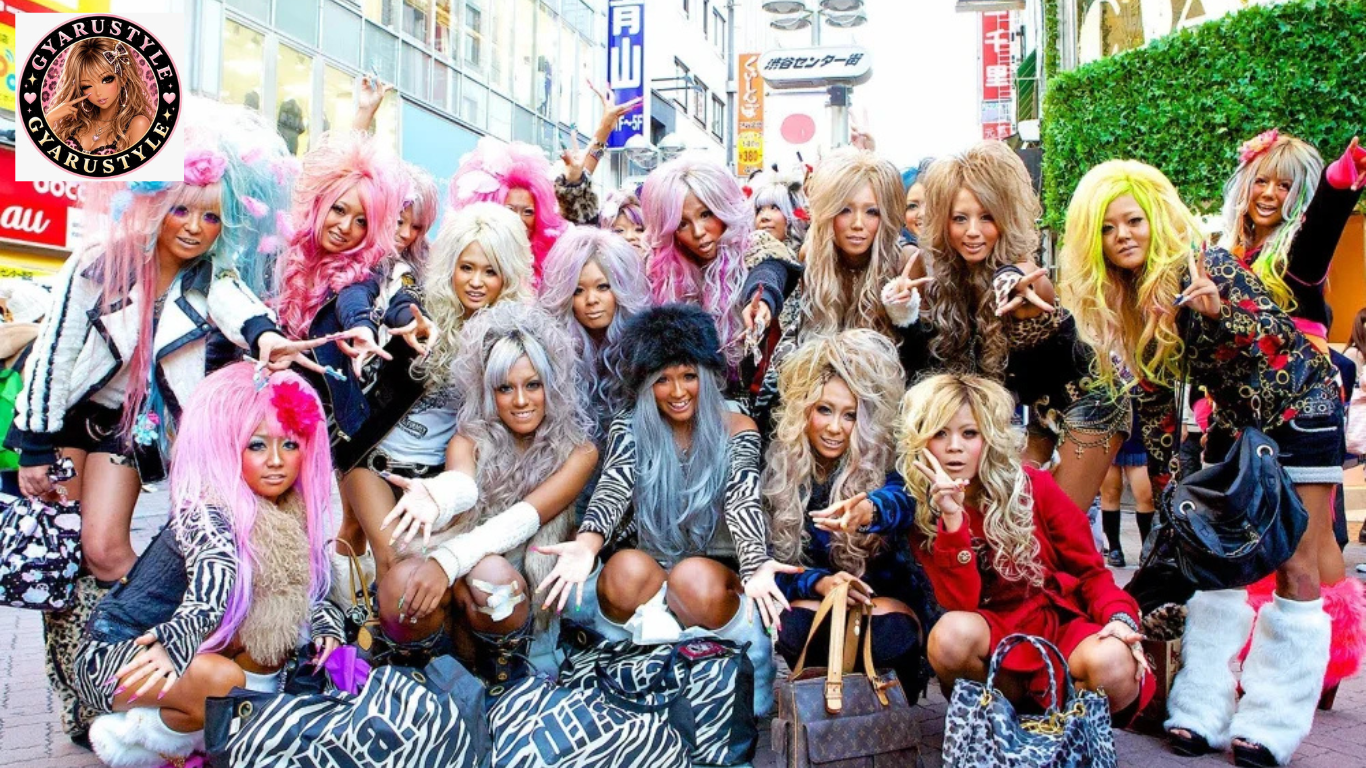
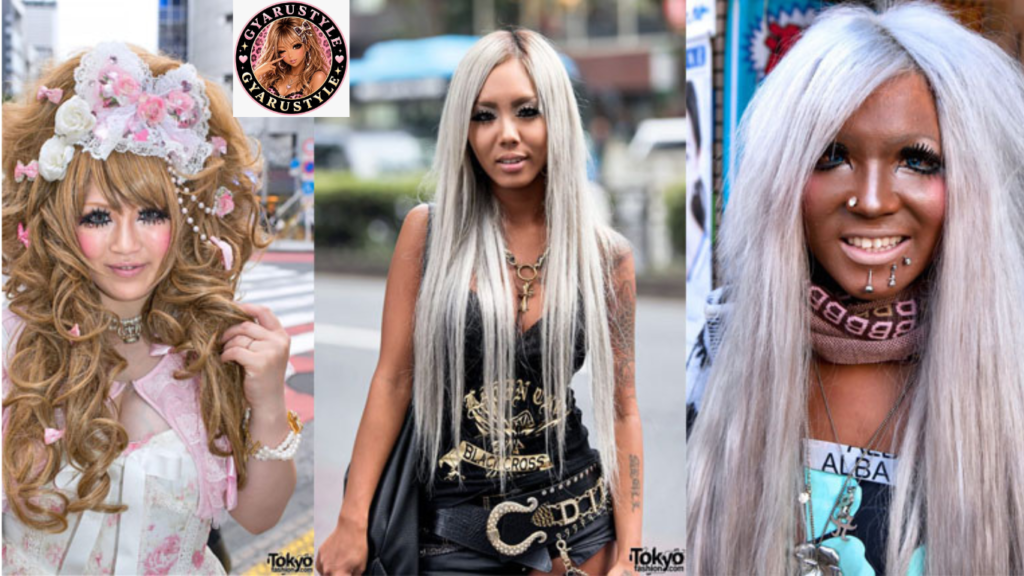
Gyaru Fashion Explained: At first glance, gyaru fashion can seem difficult to define because the style encompasses so many different looks. A Hime Gyaru enthusiast dressed in lace and pearls may appear worlds apart from a Ganguro fashion lover with dramatic tanning and bold makeup. Yet beneath these visual differences are a set of core characteristics that have remained remarkably consistent throughout the evolution of the subculture.
The first and perhaps most important characteristic is intentional transformation. Gyaru has never been about appearing effortless. Whether someone spends thirty minutes on makeup or several hours styling their hair and outfit, the goal is to create a distinct aesthetic identity. This emphasis on transformation separates gyaru from many mainstream fashion trends that prioritize minimalism or natural beauty. In gyaru culture, fashion is often viewed as a creative project rather than a simple choice of clothing.
Makeup plays a central role in achieving this transformation. Enlarged eyes, dramatic lashes, carefully placed contouring, and specific eyeliner techniques have long been considered hallmarks of the style. While makeup trends within the community have changed over time, the focus on creating a striking visual effect remains constant. Hair follows a similar philosophy. Bleached tones, rich browns, dramatic curls, extensions, and volume are frequently used to create a polished appearance that complements the makeup.
Another defining characteristic is confidence. Longtime members of the gyaru community often describe the style as an attitude before it becomes a fashion choice. The willingness to stand out, experiment, and challenge expectations has always been part of the culture. This mindset explains why gyaru continues to attract people from different backgrounds and countries. The style encourages individuality while still providing a strong sense of community.
Gyaru Fashion Explained: The Art Behind the Aesthetic
For many enthusiasts, makeup is the true foundation of gyaru fashion. Clothing can vary significantly between substyles, but makeup often serves as the element that immediately identifies a look as gyaru. Understanding the role of makeup is therefore essential for anyone hoping to appreciate or participate in the culture.
The purpose of gyaru makeup is not simply to enhance natural features. Instead, it is designed to create an entirely different visual impression. Eye makeup is particularly important because larger, more expressive eyes have historically been one of the defining features of the style. Techniques such as lower lash emphasis, carefully shaped eyeliner, false eyelashes, and circle lenses help create this effect.
Modern beginners are often surprised to discover that successful gyaru makeup relies more on balance than exaggeration. While social media tends to showcase dramatic transformations, experienced practitioners understand that every element must work together harmoniously. Heavy lashes without proper eyeliner placement can appear incomplete. Dramatic contouring without balanced eye makeup can feel disconnected. The strongest looks are usually those that demonstrate technical precision rather than sheer intensity.
A beginner-friendly gyaru makeup routine typically includes a smooth base, enlarged eye design, soft contouring, and lashes that enhance rather than overwhelm the face. As skills improve, additional techniques such as nose contouring, aegyo-sal enhancement, and advanced lash placement can be incorporated. This gradual approach allows newcomers to develop confidence while avoiding the frustration that often comes from attempting highly advanced looks immediately.
How to Dress Gyaru: Building an Authentic Look
One of the most common questions asked by newcomers is how to start dressing gyaru without spending a fortune. The answer often surprises people because experienced community members rarely recommend buying an entirely new wardrobe. Instead, they encourage beginners to first identify which substyle resonates with them most strongly.
Someone drawn to Hime Gyaru, for example, will naturally prioritize different clothing pieces than someone interested in Amekaji or Rokku Gyaru. Understanding these differences helps prevent unnecessary purchases and creates a more cohesive style journey. Rather than collecting random items labeled as gyaru, successful enthusiasts build wardrobes around a specific aesthetic direction.
The importance of coordination cannot be overstated. In gyaru fashion, individual pieces rarely create the overall effect on their own. A beautiful dress paired with the wrong hairstyle or makeup may not read as gyaru at all. Conversely, relatively simple clothing can become unmistakably gyaru when combined with the appropriate hair, accessories, and makeup. This holistic approach is one reason the fashion remains so visually distinctive despite constant evolution.
Many modern gyaru enthusiasts rely heavily on secondhand marketplaces and vintage fashion. Platforms such as Depop, Mercari, and Japanese resale sites have become valuable resources for locating iconic pieces from brands associated with the movement. Thrifting can also be surprisingly effective because many early-2000s trends overlap with elements commonly found in gyaru fashion. Patience, styling knowledge, and creativity often matter far more than budget.
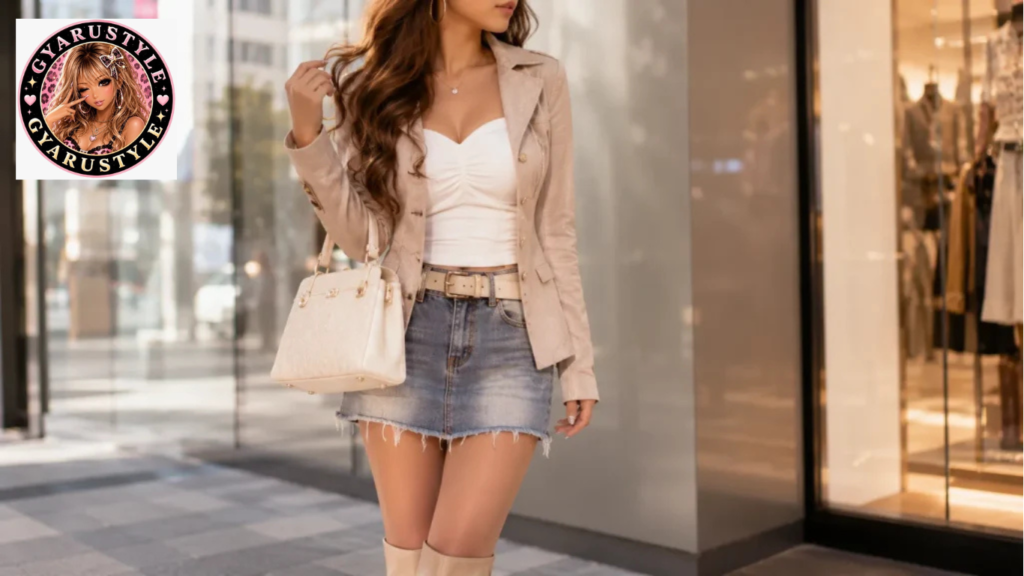
Iconic Gyaru Brands and Their Influence
Fashion brands played a critical role in shaping the visual identity of gyaru culture. During the peak years of the movement, specific labels became closely associated with particular substyles, helping consumers communicate their preferred aesthetic through their clothing choices.
Among the most influential brands was Liz Lisa, which became synonymous with feminine and romantic styling. The brand’s focus on lace details, soft colors, and delicate silhouettes made it a natural fit for Hime Gyaru enthusiasts. Its influence remains visible today, particularly among those interested in princess-inspired fashion.
D.I.A. occupied a very different position within the community. Known for bold designs, dramatic details, and a more rebellious attitude, the brand appealed to those drawn toward stronger and more assertive interpretations of gyaru. Similarly, Alba Rosa became iconic through its distinctive patterns and beach-inspired aesthetic, helping define certain trends during the movement’s golden years.
What makes these brands significant is not simply their popularity but their role in documenting fashion history. Many garments from these labels are now considered highly collectible because they represent specific moments in the evolution of Japanese street fashion. Modern enthusiasts often seek vintage pieces not only for their appearance but also for their cultural significance.
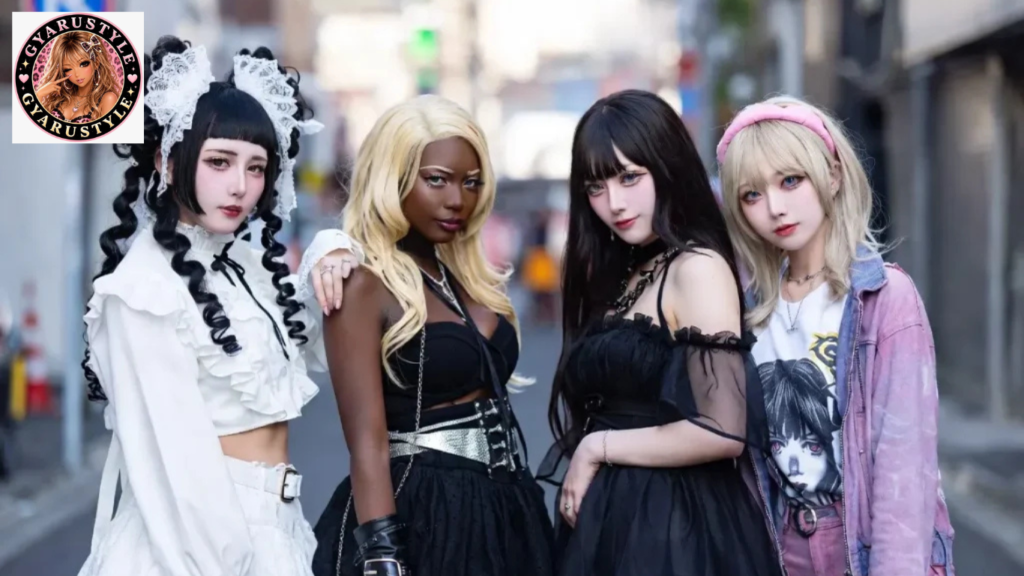
Gyaru Fashion Today: Revival, Influence, and Global Appeal
Although gyaru no longer dominates Japanese youth culture in the way it once did, declaring the style dead would be inaccurate. Instead, the movement has entered a new phase characterized by adaptation, international growth, and digital community building.
The resurgence of Y2K fashion has introduced many younger consumers to gyaru aesthetics for the first time. Social media platforms have accelerated this process by making archival images, tutorials, and historical resources more accessible than ever before. As a result, new audiences are discovering the style through TikTok, Instagram, YouTube, and online fashion communities.
This revival differs from previous eras in one important respect. Modern gyaru communities are significantly more global. Enthusiasts from the United States, Europe, Southeast Asia, and Latin America regularly share styling techniques, outfit inspiration, and historical knowledge. These international perspectives have contributed to the development of new interpretations while maintaining respect for the movement’s Japanese origins.
The future of gyaru appears promising precisely because it has proven capable of evolving. While specific trends may come and go, the underlying values of creativity, confidence, and self-expression remain highly relevant. In a fashion landscape increasingly driven by personal identity and niche communities, gyaru continues to offer a compelling alternative to mainstream trends.
Frequently Asked Questions About Gyaru Fashion
What is gyaru fashion?
Gyaru fashion is a Japanese street fashion subculture that emerged during the late twentieth century as a response to traditional beauty standards and social expectations. Rather than focusing solely on clothing, gyaru combines fashion, makeup, hairstyling, accessories, and attitude to create a distinctive aesthetic identity. The style emphasizes self-expression, confidence, and individuality.
Over the years, gyaru has evolved into multiple substyles, including Hime Gyaru, Ganguro, Agejo Gyaru, Kogal, Amekaji Gyaru, and Tsuyome Gyaru. While each style looks different, they all share a common philosophy of standing out and embracing personal style. Today, gyaru remains one of the most influential Japanese fashion movements and continues to inspire fashion communities around the world.
Is gyaru fashion still popular today?
Yes, gyaru fashion is still popular, although it no longer dominates Japanese youth culture in the same way it did during the late 1990s and early 2000s. In recent years, interest in gyaru has grown again thanks to social media platforms, the Y2K fashion revival, and increased global interest in Japanese street fashion.
Modern gyaru communities exist both inside and outside Japan. Enthusiasts share makeup tutorials, outfit inspiration, historical information, and styling advice through platforms such as TikTok, Instagram, YouTube, and Discord communities. While the fashion has evolved, its emphasis on confidence, creativity, and self-expression remains unchanged.
What are the main types of gyaru?
Gyaru includes a wide variety of substyles, each with its own aesthetic direction. Some of the most well-known styles include:
| Style | Description |
| Hime Gyaru | Princess-inspired fashion with lace, bows, curls, and elegant details |
| Ganguro | Deep tanning, dramatic makeup, and bold styling |
| Agejo Gyaru | Glamorous nightlife-inspired fashion |
| Kogal | School-uniform-inspired fashion with youthful influences |
| Amekaji Gyaru | Casual American-inspired styling |
| Tsuyome Gyaru | Strong, mature, and edgy fashion aesthetic |
| Rokku Gyaru | Rock-inspired gyaru fashion |
Choosing a substyle usually depends on personal preferences, lifestyle, and fashion goals rather than strict rules.
Do you need makeup to be gyaru?
Makeup has traditionally been considered one of the defining elements of gyaru fashion. While clothing plays an important role, makeup often creates the visual transformation that distinguishes gyaru from other fashion styles.
That said, modern gyaru communities are generally more flexible than in the past. Many beginners start by experimenting with fashion before mastering advanced makeup techniques. As they become more comfortable with the style, they gradually incorporate lashes, eyeliner techniques, contouring, circle lenses, and other signature elements.
Most experienced gyaru enthusiasts recommend viewing makeup as a skill that develops over time rather than something that must be perfected immediately.
Where can I buy gyaru fashion in the USA?
Finding gyaru fashion in the United States has become much easier than it was a decade ago. While some original Japanese brands are no longer widely available, enthusiasts regularly purchase clothing through secondhand marketplaces and international retailers.
Popular options include:
- Depop
- Mercari
- eBay
- Etsy
- Japanese resale sites
- Rakuten
- Yahoo Japan Auctions (through proxy services)
Many gyaru-inspired outfits can also be created through strategic thrifting. Since fashion trends from the early 2000s are currently experiencing a revival, it is often possible to find suitable pieces at vintage stores and online secondhand marketplaces.
Is gyaru the same as Y2K fashion?
No, although there is significant overlap between the two styles. Y2K fashion refers broadly to trends popular during the late 1990s and early 2000s, while gyaru is a specific Japanese fashion subculture with its own history, beauty standards, community traditions, and cultural significance.
Many modern Y2K trends draw inspiration from gyaru aesthetics, including platform shoes, statement accessories, glamorous makeup, and bold hairstyles. However, gyaru remains a distinct cultural movement with deeper roots in Japanese youth culture and self-expression.
Conclusion
Gyaru fashion is far more than a collection of trendy outfits or dramatic makeup techniques. It is a cultural movement that emerged from a desire for individuality, confidence, and creative self-expression. From its origins in Tokyo’s vibrant fashion districts to its modern revival across social media platforms, gyaru has continually evolved while remaining true to its core philosophy of standing out rather than blending in.
What makes the style particularly fascinating is its diversity. Whether someone is drawn to the romantic elegance of Hime Gyaru, the bold energy of Ganguro, the glamour of Agejo Gyaru, or the casual appeal of Amekaji Gyaru, there is room within the community for different interpretations and personal creativity. This flexibility has helped gyaru remain relevant even as fashion trends have changed over the decades.
For beginners, the most important lesson is that authentic gyaru fashion is not about copying a look perfectly. It is about understanding the culture, appreciating its history, developing styling skills, and using fashion as a form of self-expression. Makeup, clothing, hair, and accessories all contribute to the aesthetic, but confidence is ultimately what brings the look to life.
As interest in Japanese street fashion continues to grow worldwide, gyaru remains one of the most influential and recognizable subcultures ever to emerge from Japan. Its legacy can be seen in modern beauty trends, Y2K fashion revivals, and countless online communities that continue to celebrate the style today.
Ready to Start Your Gyaru Journey?
Whether you’re exploring gyaru fashion for the first time or looking to refine your existing style, begin by choosing a substyle that resonates with you, learning the fundamentals of gyaru makeup, and gradually building a wardrobe that reflects your personality.
Fashion trends come and go, but confidence, creativity, and self-expression never go out of style—and that is the true spirit of gyaru.