

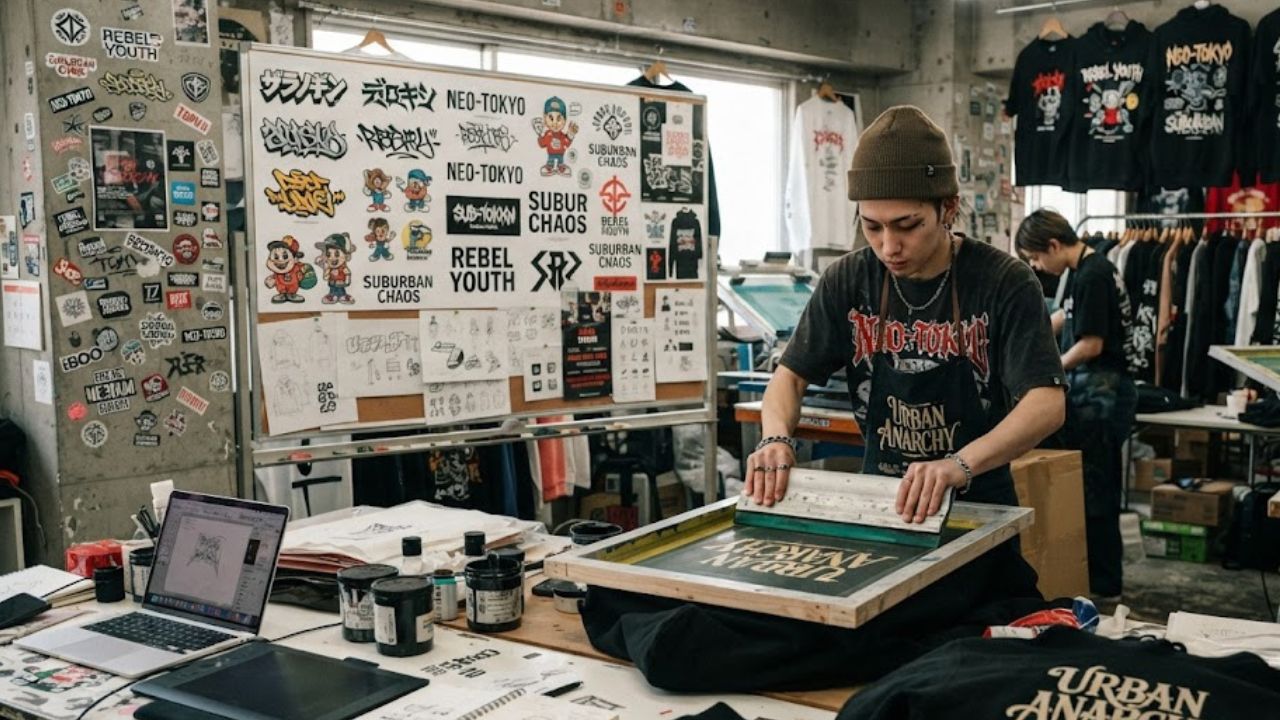
Streetwear Graphics & Design Walk through any city known for its streetwear culture, and you’ll notice something interesting. People often recognize a brand before they read its name. A distinctive logo on a hoodie sleeve, bold typography across a T-shirt, or a simple graphic on a cap instantly communicates identity. That’s the power of great streetwear graphics and design.
Unlike many fashion categories where fabric and tailoring dominate purchasing decisions, streetwear relies heavily on visual storytelling. Graphics, typography, illustrations, symbols, and logos are often the first elements customers notice. They communicate personality, values, exclusivity, and creativity long before someone experiences the product itself.
Whether you’re launching a new clothing label, redesigning an existing collection, or simply interested in how iconic brands build memorable identities, understanding streetwear graphic design is essential. Effective branding isn’t about following every trend—it involves creating a visual language that people remember and genuinely connect with.
Streetwear Graphics & Design This guide explores every aspect of streetwear graphics, from logo creation and typography to colour psychology, graphic composition, printing methods, and long-term brand identity. You’ll also learn practical techniques used by successful fashion labels to create apparel that stands out in an increasingly competitive market.
What Is Streetwear Graphic Design?
Streetwear graphic design is the process of creating the visual elements that define a streetwear brand. It includes logos, typography, illustrations, symbols, artwork, graphics, patterns, colour palettes, packaging, labels, and digital assets that appear across clothing collections and marketing materials.
Streetwear Graphics & Design Unlike traditional fashion branding, which often prioritises luxury aesthetics or seasonal trends, streetwear graphics frequently draw inspiration from youth culture, skateboarding, music, art, architecture, gaming, photography, graffiti, sports, and contemporary design.
A strong streetwear graphic system should achieve four objectives:
- Create instant brand recognition.
- Reflect the brand’s personality and values.
- Appeal to a specific audience.
- Maintain consistency across every product and platform.
Every successful clothing label develops a visual identity that customers can identify even without seeing the full brand name.
The Difference Between Fashion Graphics and Streetwear Graphics
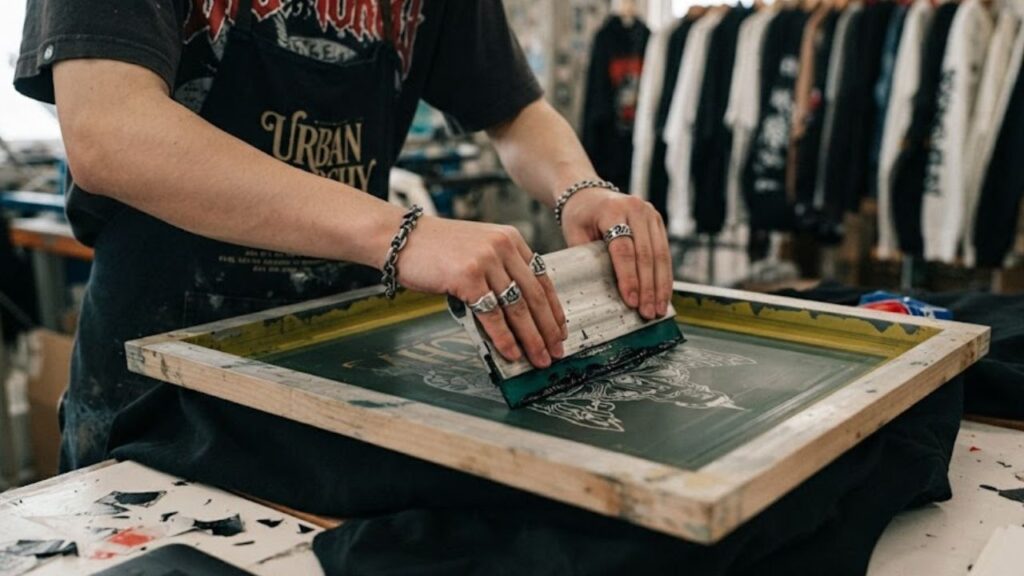
Many new designers assume fashion graphics and streetwear graphics are the same. While they overlap, their goals differ significantly.
Streetwear Graphics & Design Traditional fashion branding often focuses on elegance, luxury, and timeless design. Streetwear branding places greater emphasis on cultural relevance, originality, bold visual communication, and community.
For example, a luxury fashion house may rely on subtle branding and premium materials, whereas a streetwear brand often turns the graphic itself into the product’s main attraction. Oversized back prints, bold typography, and statement artwork become central features rather than supporting details.
This difference explains why graphic design plays such a significant role in streetwear’s commercial success.
Why Graphics Matter More Than Ever
Consumers have thousands of clothing options available online. In crowded marketplaces, visual identity becomes one of the strongest competitive advantages.
Streetwear Graphics & Design Strong graphics help brands:
- Build customer recognition.
- Increase perceived value.
- Differentiate themselves from competitors.
- Strengthen social media presence.
- Encourage repeat purchases.
- Create memorable limited-edition collections.
Many successful streetwear brands release products with relatively simple silhouettes. Instead of relying on garment construction alone, they use compelling artwork and branding to create demand.
The Evolution of Streetwear Graphics
Streetwear Graphics & Design Understanding the history of streetwear helps explain why today’s graphic styles continue to evolve.
Skateboarding Culture
During the late twentieth century, skate brands introduced bold graphics that reflected rebellion, independence, and creativity. Deck artwork, stickers, graffiti, and hand-drawn illustrations heavily influenced clothing design.
Large back prints and distinctive logos became common because they were instantly recognisable within skate communities.
Hip-Hop’s Influence
Streetwear Graphics & Design Hip-hop culture transformed typography and branding. Artists popularised oversized logos, expressive lettering, bold colour combinations, and statement graphics.
Music merchandise also demonstrated how clothing could become an extension of personal identity rather than simply functional apparel.
Japanese Innovation
Japanese designers introduced meticulous attention to detail, combining vintage Americana, military influences, pop culture, and artistic experimentation.
Their approach showed that streetwear could balance bold graphics with exceptional craftsmanship.
The Rise of Minimal Branding
Streetwear Graphics & Design Over time, many brands shifted towards cleaner visual identities. Instead of filling garments with multiple graphics, designers began focusing on one memorable logo or carefully positioned artwork.
Minimalism demonstrated that restraint can often create stronger recognition than excessive complexity.
Digital Design Revolution
Modern designers now combine traditional illustration with digital tools, 3D software, artificial intelligence, photography, and motion graphics.
Today’s creative workflow allows faster experimentation while maintaining high production quality. However, the most successful brands still prioritise originality over technology.
Understanding Streetwear Brand Identity
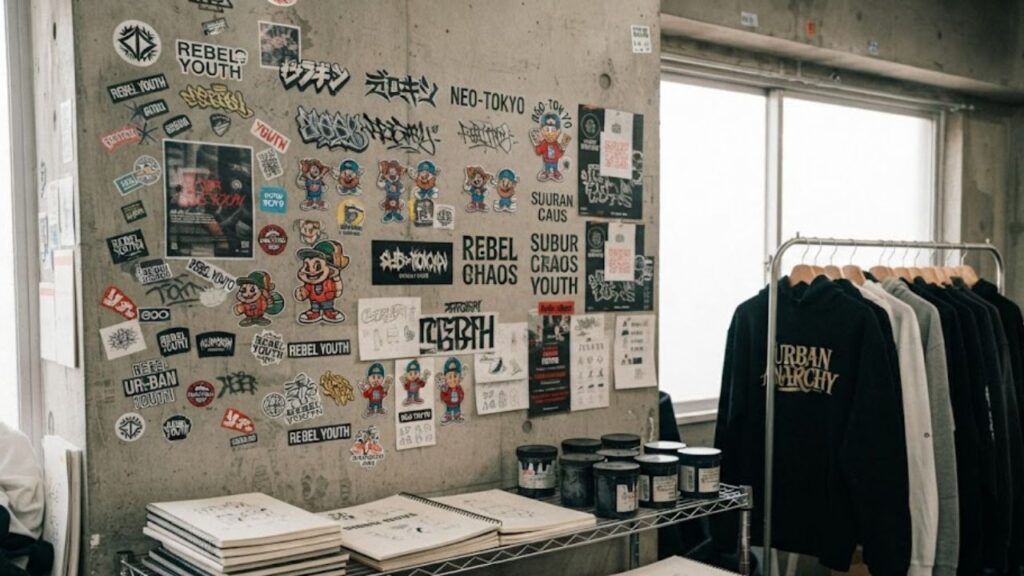
Graphics alone do not create a successful brand. They are one component of a broader visual identity.
Streetwear Graphics & Design Brand identity encompasses every visual experience customers have with a company—from product packaging to social media posts and website design.
Consistency across these touchpoints strengthens trust and recognition.
The Five Pillars of Brand Identity
Logo
A memorable logo acts as the visual signature of the brand.
Typography
Streetwear Graphics & Design Fonts establish personality. Bold geometric lettering creates a different emotional response than handwritten scripts or vintage-inspired typefaces.
Colour Palette
Colours influence perception and emotional connection.
Graphic Language
Illustrations, symbols, textures, photography, and recurring visual motifs create consistency across collections.
Brand Voice
Although not visual, messaging should complement the brand’s overall aesthetic.
When these elements work together, customers quickly recognise products regardless of where they encounter them.
Why Consistency Builds Recognition
Streetwear Graphics & Design Imagine seeing a hoodie on social media, a shopping bag in a retail store, and an Instagram post from the same company. If every element shares similar colours, typography, layout, and design style, recognition develops naturally.
This consistency builds familiarity, which often leads to trust.
Many emerging brands frequently redesign their logos, colours, or typography every few months. While experimentation is valuable during development, constant changes can confuse customers and weaken long-term recognition.
Strong brands evolve gradually while preserving their core visual identity.
Streetwear Logos Explained
Streetwear Graphics & Design A logo is often the first visual element people associate with a clothing brand. It appears on garments, websites, packaging, labels, marketing campaigns, and social media profiles.
An effective streetwear logo should remain recognisable whether it’s embroidered on a cap, printed on a hoodie, or displayed as a small profile image online.
Characteristics of Great Streetwear Logos
Successful logos generally share several qualities:
Simplicity
Simple designs are easier to recognise, reproduce, and remember.
Versatility
A logo should work equally well in black and white, colour, embroidery, screen printing, and digital media.
Originality
Avoid following short-lived trends too closely. Timeless concepts generally outperform designs that depend entirely on current aesthetics.
Scalability
Whether printed as a small neck label or a large back graphic, the logo should remain clear and legible.
Memorability
Customers should recognise the brand after only a few encounters.
Common Types of Streetwear Logos
Wordmark Logos
These rely entirely on typography.
Advantages include:
- Easy recognition
- Clean appearance
- Strong brand consistency
- Excellent for apparel printing
Well-designed wordmarks often become instantly associated with a brand without requiring additional symbols.
Lettermark Logos
Lettermarks simplify longer brand names into initials.
They work particularly well when the full company name is difficult to display on smaller garments or accessories.
Symbol Logos
Symbols use icons rather than text.
A distinctive symbol can eventually become recognisable without displaying the company name, although this usually requires significant brand awareness.
Combination Logos
These combine typography with a symbol.
Combination logos offer flexibility because brands can use the full version in marketing materials while displaying only the icon or wordmark where space is limited.
Emblems
Emblems integrate typography inside a graphic shape.
Although visually striking, highly detailed emblems may lose clarity when reduced in size, making them less suitable for small apparel applications.
Common Logo Mistakes to Avoid
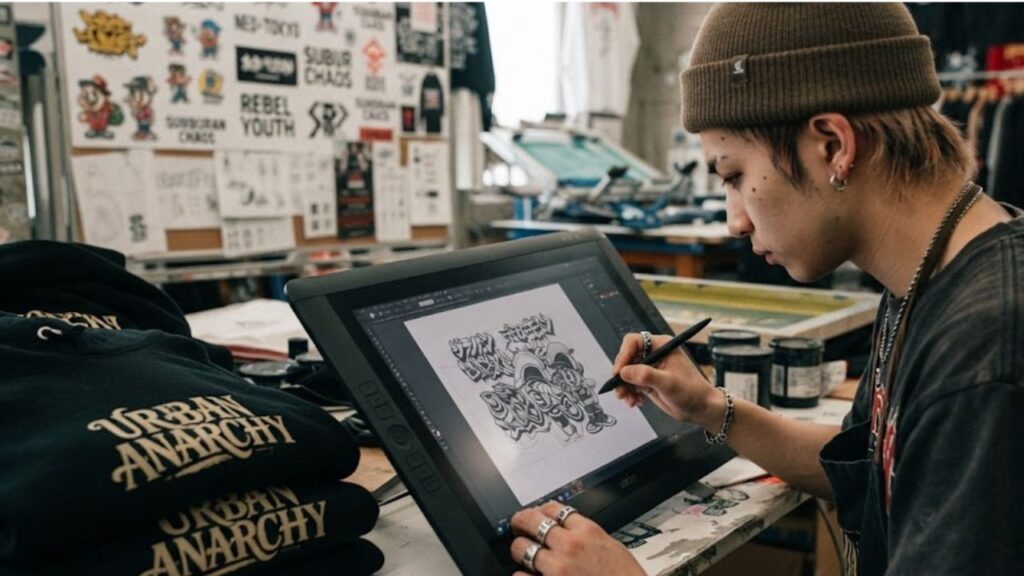
Many beginner designers unintentionally create logos that look impressive on a computer screen but perform poorly on clothing.
Some of the most common mistakes include:
- Using too many fonts.
- Overcomplicating illustrations.
- Following trends without originality.
- Ignoring embroidery limitations.
- Choosing colours with poor contrast.
- Designing only for digital use.
- Creating logos that become unreadable when scaled down.
- Copying established fashion brands.
Testing a logo across multiple product types before launching helps identify these issues early.
Designing with Longevity in Mind
Fashion trends change rapidly, but iconic branding often lasts for decades. Rather than redesigning your visual identity every season, create a flexible design system that allows new graphics to evolve while preserving core brand recognition.
A timeless logo paired with adaptable typography and consistent visual principles provides a stronger foundation than constantly chasing viral aesthetics.
The most successful streetwear brands rarely depend on a single graphic. Instead, they develop cohesive design systems that remain recognisable across multiple collections, collaborations, and product categories.