

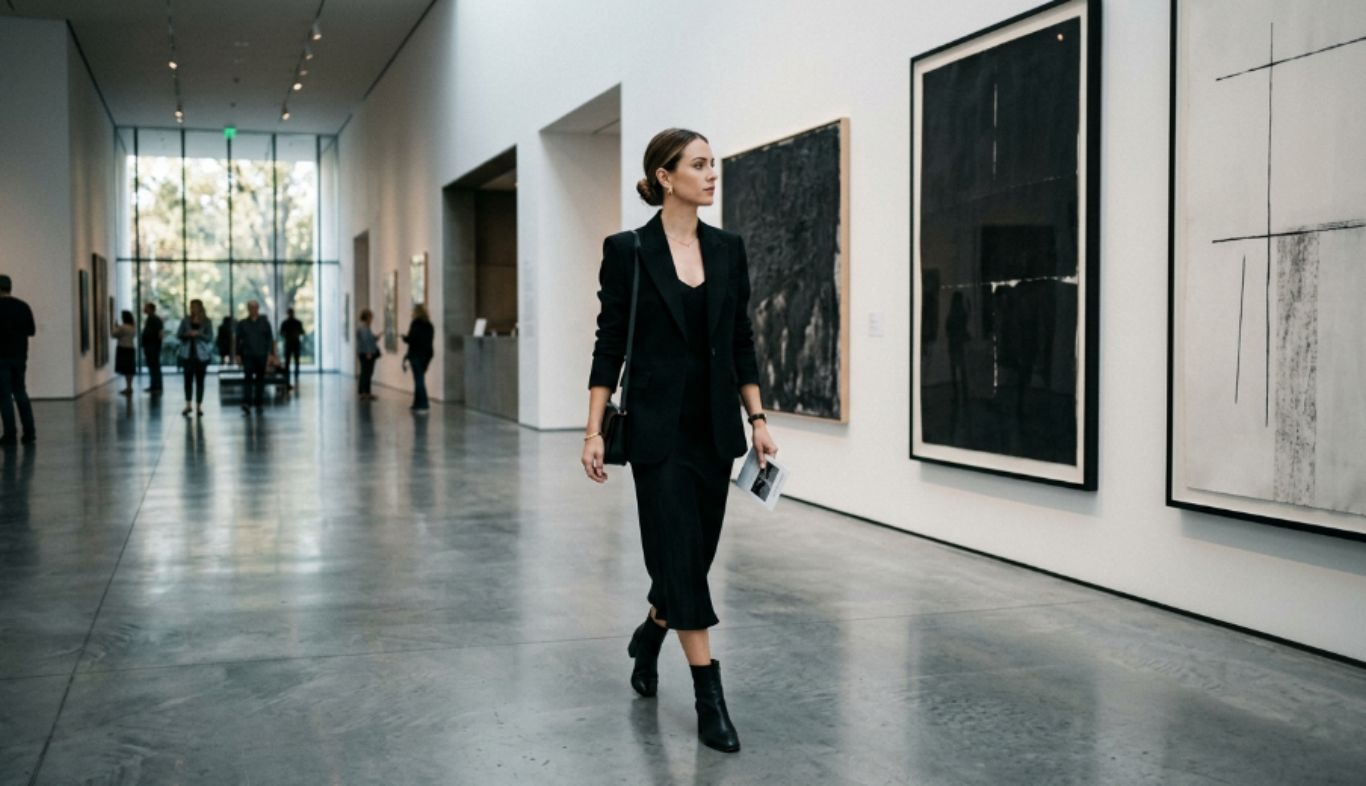
Minimalist Fashion Trends continue to influence modern wardrobes because they offer something that fast-moving fashion often struggles to provide: simplicity that lasts. Instead of filling a closet with pieces that may only work for one season, minimalist dressing focuses on versatile clothing, clean silhouettes, thoughtful colors, and quality materials. The minimalist approach doesn’t mean wearing boring clothes or owning only a handful of items. Rather, it’s about making intentional choices. A simple white shirt can become the foundation for several outfits. A well-tailored black blazer can work for the office, dinner, travel, or a casual weekend look. When every piece has a purpose, getting dressed becomes easier.
Today’s minimalist fashion also combines style with practicality. People are increasingly interested in comfortable fabrics, relaxed tailoring, neutral palettes, capsule wardrobes, sustainable clothing, and timeless essentials. These ideas make minimalist dressing especially useful for people who want an organized wardrobe without sacrificing personality. This guide explores the most important minimalist style trends, explains how to wear them, and shows how you can create polished outfits without constantly buying new clothes.
What Are Minimalist Fashion Trends?
Minimalist fashion trends are clothing and styling movements built around simplicity, functionality, versatility, and visual balance. They typically avoid excessive decoration and instead emphasize strong silhouettes, subtle details, quality construction, and cohesive colors.
Classic minimalist style often includes neutral clothing such as black trousers, white shirts, beige coats, gray knitwear, and simple denim. However, modern minimalism isn’t limited to neutral colors. Deep navy, olive, chocolate brown, burgundy, muted blue, and other understated shades can also work beautifully. The main goal is to make each item useful and easy to combine.
A minimalist wardrobe might include:
- A crisp white shirt
- Straight-leg trousers
- A tailored blazer
- A neutral knit sweater
- Simple jeans
- A structured coat
- A versatile dress
- Clean sneakers
- Loafers or simple boots
- A practical everyday bag
The beauty of this approach is that these pieces can be mixed and matched repeatedly.
Why Minimalist Fashion Is Becoming Popular
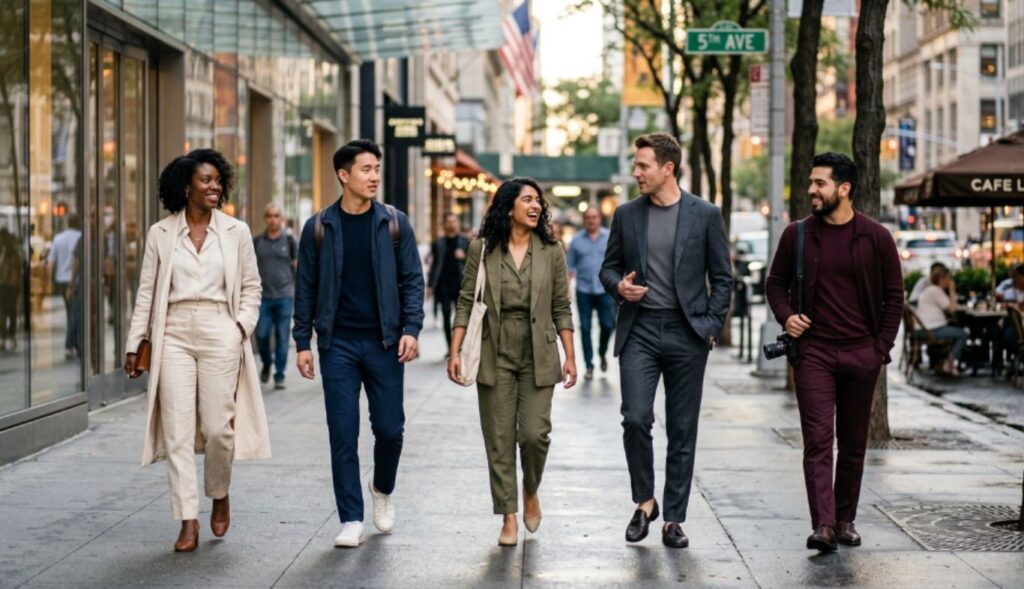
One reason minimalist fashion has become so influential is its practicality. Many people don’t want to spend excessive time deciding what to wear every morning. A wardrobe filled with coordinated basics makes outfit planning much simpler. Minimalism can also help reduce unnecessary shopping. Instead of buying something because it’s temporarily popular, shoppers can ask whether the item works with their existing wardrobe and whether they’ll still want to wear it months from now.
Another advantage is versatility. A neutral blazer can be worn with jeans for a casual outfit or paired with trousers for a professional appearance. Similarly, a simple black dress can be styled differently with sneakers, flats, boots, or heels. Minimalist fashion can also complement sustainable fashion goals. Buying fewer, more useful garments may encourage consumers to think more carefully about quality, durability, repair, and long-term wear.
11 Minimalist Fashion Trends Defining Modern Style
Minimalism keeps evolving. Although its foundation remains simple, modern designers and everyday dressers continue to experiment with proportions, fabrics, layering, and subtle color. Here are 11 powerful minimalist fashion trends worth knowing.
1. Neutral Color Dressing
Neutral colors remain one of the strongest foundations of minimalist wardrobes. Black, white, cream, beige, gray, navy, taupe, and brown are easy to combine. Because these shades don’t compete heavily with one another, you can create many outfits from a relatively small number of garments.
For example, try:
- Beige trousers with a white shirt
- Black jeans with a gray sweater
- Navy trousers with a cream knit
- Brown trousers with a white tank top
- Black blazer with straight-leg denim
Neutral doesn’t have to mean dull. Texture can create visual interest even when the colors remain simple. Pair wool with cotton, leather with knitwear, or linen with denim to create depth.
2. Relaxed and Oversized Silhouettes
Modern minimalism has moved beyond extremely fitted clothing. Relaxed tailoring and oversized silhouettes are now important parts of contemporary minimalist style. An oversized blazer, wide-leg trouser, relaxed shirt, or loose coat can create an effortlessly sophisticated appearance.
However, proportion matters. If you’re wearing an oversized top, consider pairing it with a cleaner or more structured bottom. Alternatively, wide trousers can be balanced with a relatively fitted shirt or cropped jacket. The goal isn’t to make every piece oversized. Instead, use volume intentionally.
3. Tailored Wardrobe Essentials
Tailoring brings structure to minimalist outfits. A well-fitting blazer, straight-leg trouser, tailored coat, or structured vest can instantly make a simple outfit look polished. You don’t need elaborate patterns when the cut of the garment already creates visual interest.
Pay attention to:
- Shoulder placement
- Sleeve length
- Trouser break
- Waist position
- Jacket length
- Fabric drape
Good tailoring can make inexpensive styling combinations appear much more refined.
4. Monochrome Outfits
Monochrome dressing involves wearing different shades of the same color family. An all-black outfit is the obvious example, but monochrome styling can go much further. Try combining cream, beige, and camel. You can also build outfits around gray, navy, brown, or olive.
For example: Cream knit + beige trousers + camel coat + tan shoes The colors remain closely related, while differences in shade and texture keep the outfit interesting. Monochrome dressing is particularly effective when you want an elegant appearance without complicated styling.
5. Quality Basics
A minimalist wardrobe depends heavily on reliable basics. Instead of purchasing ten trendy tops, you might invest in two or three excellent shirts that fit well and coordinate with most of your wardrobe.
Look for:
- Durable stitching
- Comfortable fabrics
- Strong seams
- Good-quality zippers and buttons
- Consistent construction
- Appropriate fabric weight
Quality doesn’t always mean expensive. A higher price doesn’t automatically guarantee better construction. Learn to inspect garments rather than relying only on brand names.
6. Capsule Wardrobes
Capsule wardrobes and minimalist fashion naturally complement each other. A capsule wardrobe contains a limited selection of clothing designed to work together. The exact number of pieces doesn’t matter as much as their versatility.
A simple capsule might contain:
| Category | Suggested Pieces |
|---|---|
| Tops | White shirt, neutral T-shirts, knit sweater |
| Bottoms | Straight jeans, tailored trousers, casual trousers |
| Outerwear | Blazer, neutral coat |
| Shoes | Sneakers, loafers, boots |
| Accessories | Belt, simple bag, understated jewelry |
The key is coordination. Each piece should ideally work with several others.
7. Minimalist Accessories
Accessories can either strengthen minimalist outfits or overwhelm them. Simple leather belts, understated watches, structured bags, small earrings, delicate necklaces, and clean sunglasses are excellent choices. You don’t need to eliminate accessories entirely. Instead, select pieces that support the outfit.
A simple black outfit can look completely different with a structured brown bag and minimal gold jewelry. The clothing remains uncomplicated, but the accessories add personality.
8. Clean Sneakers and Simple Footwear
Footwear is an important part of minimalist styling. Clean white or black sneakers, loafers, ballet flats, simple ankle boots, and understated sandals can complement many outfits.
The best minimalist shoes aren’t necessarily the most basic-looking shoes. Their value comes from versatility. A simple leather loafer, for example, can work with tailored trousers, jeans, dresses, or midi skirts.
9. Long Coats and Structured Outerwear
Outerwear often becomes the focal point of a minimalist winter outfit. Long wool coats, trench coats, simple puffers, and structured jackets can add sophistication without requiring complicated layering.
Neutral outerwear is especially versatile. A camel coat, charcoal coat, navy trench, or black jacket can work across numerous outfits. When purchasing outerwear, prioritize fit and fabric because these garments tend to be worn repeatedly.
10. Elevated Everyday Basics
Minimalist fashion isn’t only about formal clothing. Everyday basics can also look elevated. A plain T-shirt becomes more polished when paired with tailored trousers and quality shoes. Straight-leg jeans can look sophisticated with a structured blazer and simple knitwear. This trend focuses on making ordinary pieces feel intentional.
Think: Simple clothing + strong fit + thoughtful proportions + quality accessories. That’s often enough.
11. Subtle Texture and Layering
Minimalist outfits can sometimes look flat if every item has the same texture. Texture solves this problem.
Try combining:
- Ribbed knitwear with smooth trousers
- Denim with wool
- Cotton with leather
- Linen with structured accessories
- Satin with matte knitwear
Layering can also create depth. A shirt under a sweater, a blazer over a T-shirt, or a coat over a knit can make a simple outfit considerably more interesting.
How to Build a Modern Minimalist Wardrobe
Creating a minimalist wardrobe doesn’t require throwing everything away overnight. In fact, a gradual approach is usually more practical.
Start With a Wardrobe Audit
Take everything out and categorize your clothing.
Create four groups:
- Wear regularly
- Wear occasionally
- Rarely wear
- Never wear
Look for patterns. Perhaps you own too many similar tops but lack versatile trousers. Maybe you have plenty of formal clothing but very few casual basics. This process helps identify genuine wardrobe gaps.
Choose a Consistent Color Palette
Select a few foundation colors.
For example:
- Black
- White
- Beige
- Gray
- Navy
Then add one or two accent colors if you want more personality. A consistent palette makes mixing and matching much easier.
Invest in Versatile Pieces
Before buying something, ask:
Can I create at least three different outfits with this item? If the answer is no, think twice. A versatile garment generally offers more long-term value than a highly specific piece that only works with one outfit.
Prioritize Fit
Fit can transform simple clothing. A basic T-shirt that fits correctly can look better than a designer shirt that doesn’t suit your proportions. Pay attention to shoulders, waist, sleeve length, trouser length, and overall balance. If necessary, consider professional alterations. Small adjustments can make a major difference.
Build Around Your Lifestyle
There’s no universal minimalist wardrobe. Someone working in an office may need several tailored pieces. Someone working from home may need comfortable knitwear and relaxed trousers. Someone living in a warm climate may rely heavily on linen, cotton, and lightweight dresses. Your wardrobe should reflect your real life rather than an imaginary lifestyle.
Minimalist Fashion Trends for Different Seasons
Minimalism works throughout the year because its core principles aren’t dependent on a particular season.
Spring Minimalist Fashion
Spring is ideal for lightweight layering.
Try:
- Cotton shirts
- Lightweight trousers
- Trench coats
- Loafers
- Neutral knitwear
- Simple midi skirts
Soft beige, white, light gray, and muted blue can create a fresh seasonal palette.
Summer Minimalist Fashion
Summer minimalism focuses on breathable materials. Linen shirts, cotton dresses, relaxed trousers, simple tanks, and clean sandals are useful choices. Light colors can also help create a visually cool appearance, while natural fabrics provide texture.
Fall Minimalist Fashion
Fall offers excellent opportunities for layering. Combine sweaters, straight-leg jeans, tailored trousers, wool coats, loafers, and ankle boots. Earth tones such as brown, olive, camel, charcoal, and cream work particularly well.
Winter Minimalist Fashion
Winter minimalism is about smart layering and strong outerwear.
A practical winter wardrobe may include:
- Wool coat
- Knit sweater
- Turtleneck
- Tailored trousers
- Dark denim
- Boots
- Simple scarf
- Structured bag
Rather than adding lots of layers, focus on a few high-quality pieces that work together.
Sustainable Minimalist Fashion
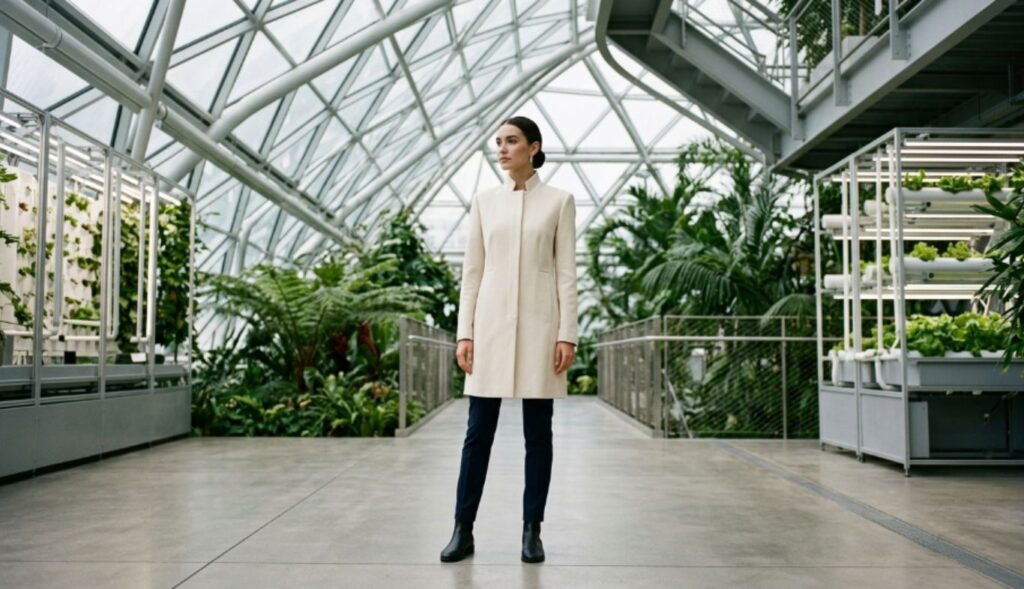
Minimalist fashion and sustainable fashion can overlap, although they’re not exactly the same thing. Minimalism encourages intentional purchasing, while sustainability considers broader environmental and social impacts.
You can make more responsible choices by:
- Buying fewer unnecessary garments
- Choosing durable materials
- Repairing damaged clothing
- Shopping secondhand
- Avoiding impulse purchases
- Rewearing outfits
- Donating responsibly
- Selecting versatile pieces
However, don’t assume that every minimalist-looking product is automatically sustainable. Research materials, manufacturing practices, garment durability, and company policies when these factors matter to you. The most sustainable garment in your closet is often one you already own and continue wearing.
Common Minimalist Fashion Mistakes
Minimalist dressing sounds simple, but there are several common mistakes.
Mistake 1: Thinking Minimalism Means Only Black and White
Black and white are classic, but minimalist style can include many colors. Cream, brown, navy, olive, gray, burgundy, and muted pastels can all work.
Mistake 2: Buying Too Many Basics
A minimalist wardrobe doesn’t require ten versions of the same white T-shirt. Buy according to actual use.
Mistake 3: Ignoring Fit
Even expensive clothing can look unpolished when it doesn’t fit properly.
Mistake 4: Removing All Personality
Minimalism shouldn’t erase individuality. Use accessories, subtle colors, interesting textures, or distinctive silhouettes to make your style personal.
Mistake 5: Following Every Trend
Ironically, constantly chasing minimalist trends can create an overly large wardrobe. Choose trends that genuinely suit your lifestyle and personal taste.
How to Style Minimalist Outfits
The easiest way to style minimalist outfits is to start with one foundation piece. For example, begin with black trousers.
Then add:
Casual: White T-shirt + sneakers + simple bag
Office: White shirt + blazer + loafers
Evening: Satin top + structured jacket + minimal jewelry
Weekend: Oversized sweater + sneakers
The same trousers become four different outfits. This demonstrates the real strength of minimalist dressing: versatility.
Another useful technique is the three-layer approach:
- Base layer
- Structured middle layer
- Outer layer
For example: White T-shirt → blazer → wool coat This creates depth while keeping the visual appearance clean.
Frequently Asked Questions
What are the main minimalist fashion trends?
The main minimalist fashion trends include neutral color palettes, relaxed tailoring, monochrome outfits, quality basics, capsule wardrobes, simple accessories, clean footwear, structured outerwear, elevated basics, and subtle texture.
Is minimalist fashion still trendy?
Yes. Minimalist style continues to influence contemporary fashion because its focus on versatility, clean design, and timeless pieces works across seasons. While specific silhouettes change, the underlying principles remain useful.
What colors are best for minimalist fashion?
Black, white, cream, beige, gray, navy, brown, and muted earth tones are popular choices. However, minimalist fashion isn’t restricted to neutrals.
How many clothes should a minimalist wardrobe have?
There’s no universal number. The ideal wardrobe depends on your lifestyle, climate, work requirements, and personal preferences. A better goal is to own useful pieces that can be combined easily.
Can minimalist fashion be colorful?
Absolutely. Minimalism is more about simplicity and intention than a strict color rule. A wardrobe can include muted blue, burgundy, olive, green, or other carefully selected colors.
Is minimalist fashion expensive?
It doesn’t have to be. Minimalism encourages thoughtful purchasing rather than expensive shopping. You can build a minimalist wardrobe using affordable basics, secondhand clothing, and carefully selected quality pieces.
How do I start a minimalist wardrobe?
Start by auditing your existing clothing. Remove items you don’t use, identify gaps, choose a consistent color palette, and gradually add versatile pieces that work with what you already own.
Can minimalist fashion work for every body type?
Yes. Minimalist style is highly adaptable. The key is choosing silhouettes, proportions, and fits that make you feel comfortable and confident.
What is the difference between minimalist fashion and capsule fashion?
Minimalist fashion is a broader style philosophy focused on simplicity and intentionality. A capsule wardrobe is a practical wardrobe system using a limited selection of coordinated clothing. They often work well together but aren’t identical.
Conclusion
Minimalist Fashion Trends show that great style doesn’t always require more clothing. In many cases, the opposite is true. A thoughtful wardrobe built around versatile pieces, flattering proportions, cohesive colors, and quality materials can make everyday dressing easier and more enjoyable. The strongest minimalist wardrobes aren’t necessarily the smallest. They’re the ones where each garment has a clear purpose. Start with what you already own.
Identify your most-used pieces, remove unnecessary duplicates, establish a practical color palette, and invest gradually in clothing that fits your lifestyle. Most importantly, don’t treat minimalism as a rigid set of rules. Use it as a framework for developing your own style. When simplicity, functionality, and personality come together, minimalist fashion becomes more than a trend. It becomes a practical approach to dressing well for the long term.