

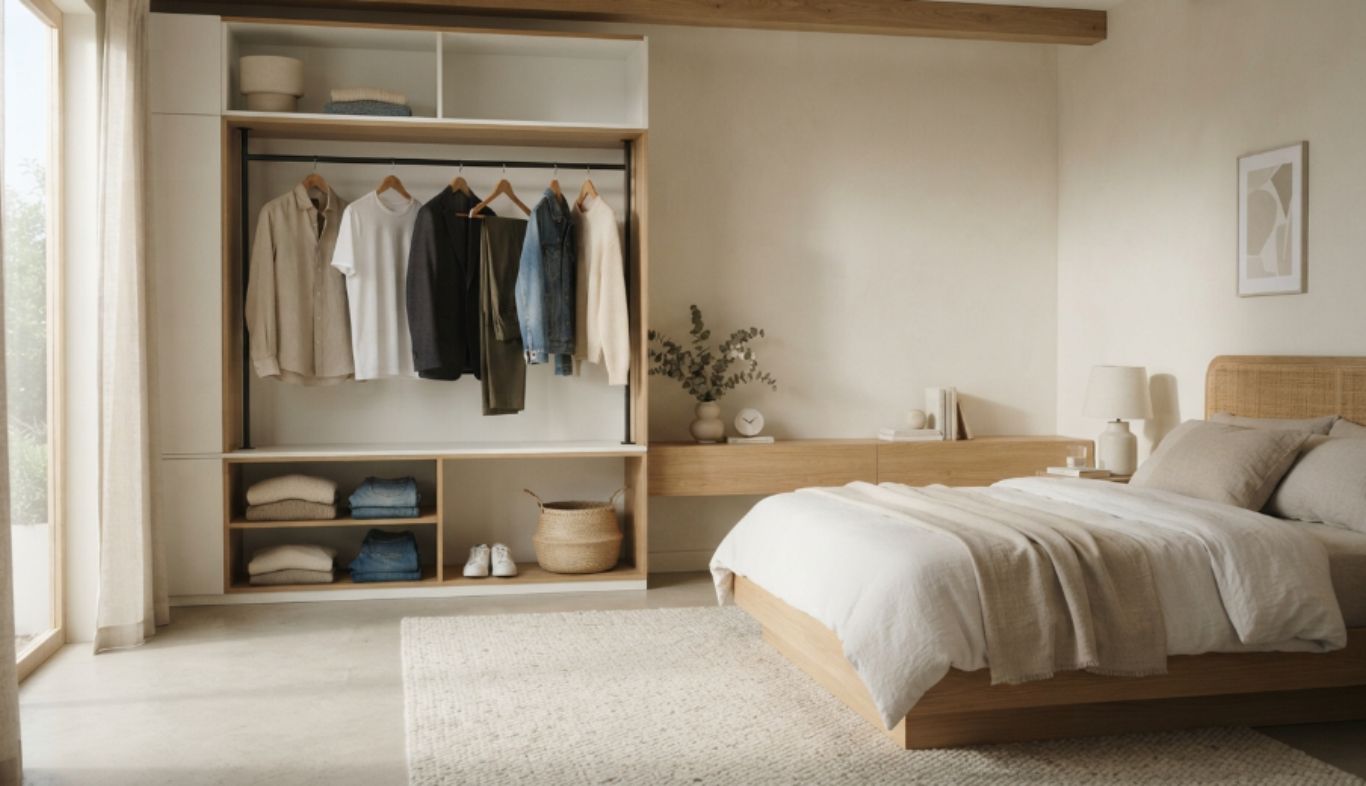
A minimalist wardrobe is all about owning fewer clothes while making every piece count. Instead of filling your closet with items you rarely wear, minimalist fashion focuses on versatile, high-quality essentials that work together effortlessly. A Minimalist Wardrobe & Capsule Wardrobe takes this idea a step further by creating a carefully selected collection of clothing that can be mixed and matched to create numerous outfits.
What Is a Minimalist Wardrobe

A minimalist wardrobe is a thoughtfully organized collection of clothing designed around simplicity, versatility, and personal style. The goal isn’t necessarily to own a specific number of garments. Instead, it’s about removing unnecessary pieces and keeping clothing that you genuinely wear and enjoy. A minimalist closet may include neutral basics, timeless silhouettes, comfortable shoes, practical outerwear, and a few carefully chosen statement pieces. The result is a wardrobe that’s easier to maintain and easier to wear.
What Is a Capsule Wardrobe?
A capsule wardrobe is a small, coordinated collection of clothing designed to create multiple outfits from a limited number of pieces.
For example, a capsule might contain:
- 3–5 tops
- 2–4 bottoms
- 1–2 dresses
- 1–2 jackets or coats
- 2–3 pairs of shoes
- A few accessories
The exact number isn’t important. What matters is that the pieces complement one another.
Minimalist Wardrobe & Capsule Wardrobe
Although the terms are often used interchangeably, they’re slightly different.
| Minimalist Wardrobe | Capsule Wardrobe |
|---|---|
| Focuses on owning less | Focuses on coordinated pieces |
| Can contain many categories | Usually has a limited selection |
| Often built around personal lifestyle | Often organized around a season or purpose |
| Emphasizes intentional consumption | Emphasizes mix-and-match outfits |
| No strict item count | Often follows a defined wardrobe size |
A capsule wardrobe can therefore be part of a broader minimalist wardrobe.
9 Powerful Secrets for Building a Minimalist Capsule Wardrobe
1. Start With Your Real Lifestyle
Before buying anything, consider how you actually spend your time. Do you work in an office? Work from home? Attend university? Travel frequently? Spend most weekends casually dressed?
Your wardrobe should reflect your daily life rather than an imaginary lifestyle. If you spend most of your week in casual clothing, buying several formal outfits simply because they look attractive isn’t practical.
2. Choose a Consistent Color Palette
A cohesive color palette makes mixing and matching much easier.
Start with a few dependable neutral shades such as:
- Black
- White
- Cream
- Beige
- Gray
- Navy
- Brown
Then introduce one or two accent colors that complement your personality. You don’t need an entirely neutral wardrobe. The key is choosing colors that work well together.
3. Invest in Versatile Basics
Basics form the foundation of a minimalist wardrobe.
Useful essentials can include:
- Plain T-shirts
- Button-down shirts
- Well-fitting jeans
- Tailored trousers
- Simple sweaters
- A versatile blazer
- A neutral jacket
- Comfortable sneakers
- Classic flats or loafers
Choose pieces that can be styled in multiple ways rather than garments that only work with one outfit.
4. Prioritize Fit Over Trends
A simple garment that fits beautifully can look more polished than an expensive trend piece that doesn’t suit your body.
Pay attention to:
- Shoulder fit
- Sleeve length
- Trouser length
- Waist placement
- Overall proportions
- Comfort and movement
If necessary, consider tailoring. Small alterations can make inexpensive clothing look significantly more refined.
5. Follow the One-Item, Multiple-Outfit Rule
Before adding something to your wardrobe, think about how many outfits it can create.
For example, a neutral blazer might work with:
- Jeans and a T-shirt
- Tailored trousers and a blouse
- A simple dress
- A skirt and knit top
- Casual sneakers or polished loafers
The more combinations a garment offers, the more valuable it becomes in a capsule wardrobe.
6. Avoid Buying Duplicates You Don’t Need
Minimalism doesn’t mean avoiding all shopping. It means shopping intentionally. Before purchasing another black sweater, white shirt, or pair of jeans, check whether you already own something that performs the same function.
Ask yourself: “Does this add something genuinely useful to my wardrobe?” If the answer is no, leave it behind.
7. Choose Quality Where It Matters
You don’t need to buy designer clothing to build a good minimalist wardrobe. Instead, pay particular attention to durability in pieces you wear frequently.
Look at:
- Fabric quality
- Stitching
- Zippers and buttons
- Construction
- Care requirements
- Comfort
- Expected lifespan
A well-made everyday item can provide more value than several cheaply made alternatives.
8. Create Seasonal Capsules
You don’t have to keep every item in your closet accessible throughout the year. Consider creating seasonal capsule wardrobes. A spring capsule might focus on lightweight shirts, trousers, skirts, dresses, and sneakers. A winter capsule could prioritize sweaters, coats, boots, and layering pieces. Store out-of-season clothing properly and rotate it when the weather changes.
9. Leave Room for Personality
Minimalism shouldn’t make your wardrobe boring.
Add personality through:
- Jewelry
- Bags
- Scarves
- Belts
- Watches
- Shoes
- Prints
- Accent colors
- Statement jackets
A minimalist wardrobe should simplify your choices without eliminating your individuality.
Essential Minimalist Wardrobe Checklist
A practical starting wardrobe might include:
Tops
- 2–3 neutral T-shirts
- 1–2 button-down shirts
- 1 blouse or elevated top
- 1–2 sweaters
- 1 lightweight layering piece
Bottoms
- 1 pair of versatile jeans
- 1 pair of tailored trousers
- 1 casual pair of trousers
- 1 skirt or alternative bottom
Outerwear
- 1 versatile jacket
- 1 blazer
- 1 seasonal coat
Dresses
- 1 casual dress
- 1 versatile dress for dressier occasions
Shoes
- Everyday sneakers
- Loafers or flats
- Boots or seasonal footwear
- Optional dress shoes
Accessories
- Everyday bag
- Belt
- Minimal jewelry
- Scarf
- Sunglasses
You can adjust this list according to your climate, profession, budget, and lifestyle.
How to Declutter Your Wardrobe
Decluttering is one of the most important steps toward creating a minimalist wardrobe. Take everything out of your closet and evaluate each item individually.
Ask:
- Do I wear this regularly?
- Does it fit properly?
- Is it comfortable?
- Does it suit my current lifestyle?
- Can I style it with several other pieces?
- Would I buy it again today?
- Is it in good condition?
If an item consistently fails these questions, consider donating, selling, recycling, or responsibly disposing of it.
The 30-Wear Test
Before buying something new, ask whether you realistically expect to wear it at least 30 times. This simple rule encourages more thoughtful purchasing.
A trendy item that works for only one occasion may not provide much value. A classic shirt that you can wear weekly may become one of the most useful pieces in your closet.
How to Build a Capsule Wardrobe on a Budget
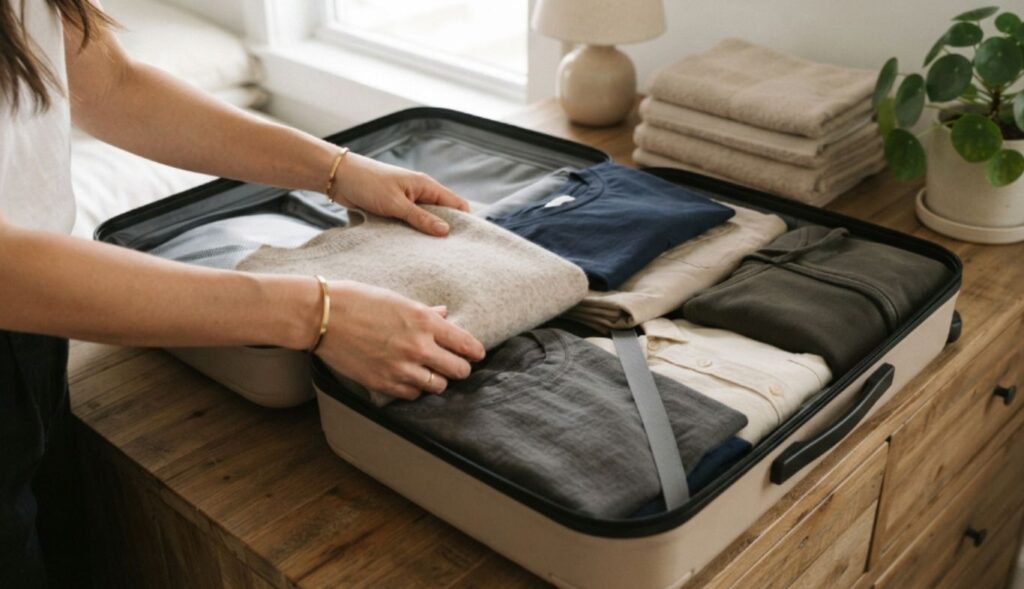
You don’t need a large budget to create a minimalist wardrobe. Start with what you already own.
Step 1: Shop Your Closet
Before purchasing anything, rediscover pieces you already have. You may find forgotten clothing that works perfectly with your current wardrobe.
Step 2: Identify Gaps
After organizing your clothing, make a list of genuine gaps. For example, you might discover that you have plenty of tops but no versatile trousers. Buy according to the list rather than shopping impulsively.
Step 3: Buy Slowly
A capsule wardrobe doesn’t need to be completed in one shopping trip. Build it gradually. This gives you time to understand which pieces you actually need.
Step 4: Consider Secondhand Clothing
Thrift stores, resale platforms, vintage shops, and clothing swaps can provide affordable ways to find quality garments. Secondhand shopping can also help reduce unnecessary consumption.
Minimalist Wardrobe Mistakes to Avoid
Mistake 1: Following Someone Else’s Capsule
A wardrobe that works for someone else may not work for you. Your clothing should match your lifestyle, climate, body, preferences, and activities.
Mistake 2: Buying Only Neutrals
Neutral colors are useful, but you don’t have to eliminate color. If bright colors make you happy, include them.
Mistake 3: Treating a Capsule as a Strict Number
There is no universal perfect number of clothes. A 20-piece wardrobe may work for one person while another needs 50 or more pieces. Function matters more than an arbitrary number.
Mistake 4: Replacing Everything at Once
Minimalism isn’t about throwing away your entire wardrobe and buying a new one. That can create unnecessary waste and expense. Instead, make gradual changes.
Mistake 5: Confusing Minimalism With Boring Style
Simple clothing can still be creative. Experiment with proportions, textures, accessories, layering, and color combinations.
How to Maintain a Minimalist Wardrobe
Once you’ve created your capsule wardrobe, maintaining it becomes much easier.
Use a simple system: Buy less → wear more → repair when possible → replace intentionally. When something wears out, replace it only if you still need that function.
For example, if your favorite everyday sneakers finally become unusable, replacing them makes sense. Buying three additional pairs simply because they’re on sale doesn’t.
Frequently Asked Questions
How many clothes should be in a minimalist wardrobe?
There’s no universal number. A minimalist wardrobe can contain whatever number of garments you genuinely need. Focus on usefulness, versatility, and frequency of wear rather than reaching a specific number.
What is the difference between a capsule wardrobe and minimalism?
Minimalism is a broader philosophy centered on intentional ownership and reducing excess. A capsule wardrobe is a practical clothing system built around a limited collection of coordinated pieces.
Can a minimalist wardrobe include colorful clothing?
Absolutely. Minimalism is about intentional choices, not eliminating color. You can create a colorful minimalist wardrobe as long as the pieces reflect your style and work well together.
Is a capsule wardrobe cheaper?
It can be cheaper over time because you may make fewer unnecessary purchases. However, building a capsule entirely with expensive clothing isn’t automatically economical. Start with your existing wardrobe and purchase strategically.
How often should I change my capsule wardrobe?
Many people rotate their capsule wardrobe seasonally, but there’s no fixed schedule. Change it when your weather, lifestyle, or clothing needs change.
Can I have a minimalist wardrobe if I love fashion trends?
Yes. Minimalism doesn’t require avoiding trends completely. You can incorporate trends selectively while maintaining a strong foundation of versatile basics.
Final Thoughts
A minimalist wardrobe and capsule wardrobe can make getting dressed simpler, faster, and more intentional. The goal isn’t to own as little clothing as possible. It’s to own clothing that genuinely serves your lifestyle. Start by decluttering what you don’t wear, identify your most useful basics, establish a flexible color palette, and gradually add pieces that offer real value. Most importantly, don’t treat minimalism as a rigid set of rules. Your ideal wardrobe is the one that makes you feel comfortable, confident, and ready for your everyday life.