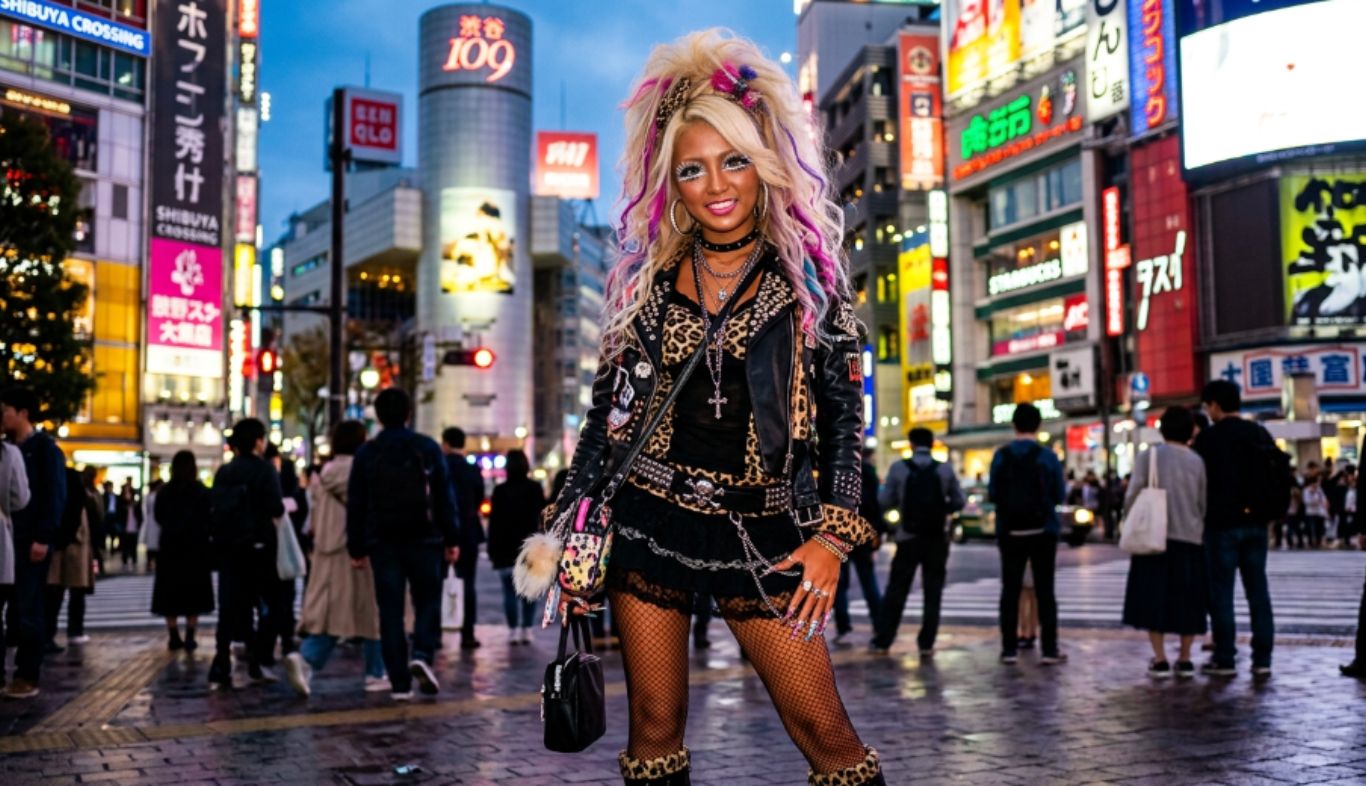
Tsuyome Gyaru is one of the bolder directions within Japanese gyaru fashion. The Japanese term is associated with being strong or strong-looking. In fashion discussions, it generally describes a gyaru appearance that feels powerful, dramatic, sexy, cool, and highly confident. Unlike a soft or princess-inspired gyaru aesthetic, Tsuyome Gyaru doesn’t shy away from intensity. Darker eyeliner, dramatic lashes, sculpted makeup, voluminous hair, animal prints, statement accessories, and confident silhouettes are frequently associated with the look. However, there’s an important point to understand: Tsuyome isn’t a rigid uniform.
That flexibility is part of what makes the style appealing. Gyaru itself is a broad Japanese fashion subculture associated with expressive makeup, dyed or styled hair, eye-catching clothing, and a willingness to challenge conventional beauty expectations. Its development accelerated during the 1990s and 2000s, with several recognizable substyles emerging over time.
Tsuyome takes some of that established gyaru drama and pushes it toward a stronger, more mature, and sometimes edgier presentation. Think of it this way: if traditional gyaru says, “Look at me,” Tsuyome often says, “You definitely can’t ignore me.”
Why Tsuyome Gyaru Still Matters
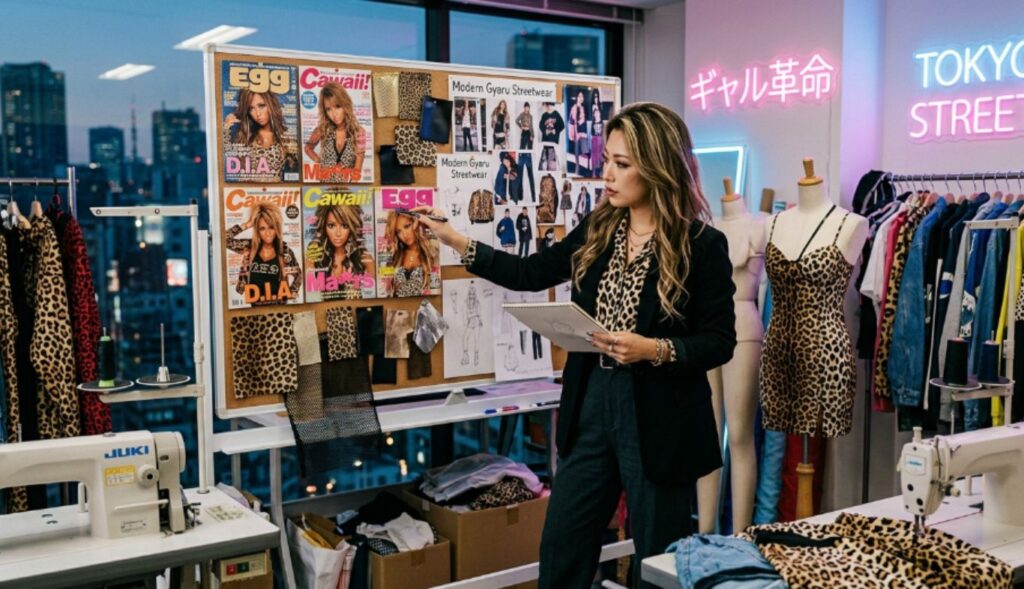
The aesthetic remains interesting because it combines several visual ideas at once. It’s glamorous without necessarily being delicate, sexy without having to be formal, and dramatic without requiring every piece of clothing to be extravagant.
Modern gyaru communities also tend to treat substyles as flexible guides rather than strict rules. Community discussions frequently emphasize mixing elements according to personal taste rather than forcing every outfit into a single historical category. That makes Tsuyome particularly approachable for people who like bold fashion but don’t want to recreate one exact outfit from the past.
1. The Powerful Identity Behind Tsuyome Gyaru
At its heart, Tsuyome Gyaru is about visual strength. The word “strong” doesn’t mean aggressive or unfriendly. Instead, it describes an aesthetic that looks deliberate, confident, glamorous, and noticeable. Makeup has stronger contrast. Hair has more volume or movement. Clothing often has a sharper silhouette. Accessories are rarely an afterthought. The result is a look with presence.
A Stronger Side of Gyaru
Gyaru has always contained multiple personalities. Kogal can emphasize school-inspired styling, Hime Gyaru leans heavily into princess-like femininity, Agejo emphasizes glamorous nightlife-inspired fashion, while Onee Gyaru can feel more sophisticated and mature. Tsuyome occupies a particularly powerful space between glamour, sexiness, street fashion, and bold beauty. It can include elements associated with older gyaru aesthetics while giving them a tougher edge.
For example:
- Dramatic lashes can make the eyes look larger and stronger.
- Dark eyeliner can add definition.
- Big curls can create a glamorous silhouette.
- Animal print can introduce visual energy.
- Platform footwear can add height and attitude.
- Gold jewelry can make a simple outfit feel luxurious.
- A fitted jacket can turn a casual look into something commanding.
None of these elements has to appear simultaneously. The important part is balance.
Tsuyome and the Broader Gyaru Movement
Gyaru’s history is important because Tsuyome didn’t appear in isolation. Earlier gyaru styles established many of the beauty techniques that later became recognizable across the subculture. Japan’s government-published Highlighting Japan has also documented gyaru’s influence on Japanese beauty culture. Its coverage of 1990s gyaru, for example, describes sun-kissed skin, bleached hair, and bold eye-enhancing makeup as prominent features of the period.
Nail art is another good example. Japanese nail culture became particularly influential in the late 1990s and early 2000s, when gyaru and other street-fashion movements helped make decorative nails an important part of fashionable presentation. This matters because Tsuyome isn’t only about clothing. It’s a full styling system involving the face, hair, hands, accessories, outfit, and overall attitude.
Tsuyome Compared With Banba and Manba
Tsuyome is sometimes discussed alongside Banba and Manba because of shared visual intensity. However, they’re not identical. Manba and related styles historically pushed tanning, hair color, eye makeup, and decorative details to especially extreme levels. Tsuyome generally uses a more flexible and often more moderate approach to those elements.
Some Tsuyome looks can include a tan, but tanning isn’t mandatory. Similarly, blonde or heavily styled hair is common in references to the aesthetic, but modern wearers can interpret the look using many hair colors. This is why calling Tsuyome simply “dark gyaru” isn’t quite accurate. It isn’t defined only by color. It’s defined by strength of presentation.
Tsuyome Compared With Agejo
Agejo and Tsuyome can overlap because both may use glamorous hair, dramatic lashes, fitted clothing, and a sexy overall impression. The difference is often in the mood.
Agejo can feel polished, romantic, luxurious, and nightlife-oriented. Tsuyome tends to introduce more toughness, coolness, street influence, or visual aggression.
A useful shortcut is:
| Style | General Impression |
|---|---|
| Hime Gyaru | Princess-like and ultra-feminine |
| Agejo | Glamorous and seductive |
| Onee Gyaru | Mature and sophisticated |
| Manba | Extreme and highly colorful |
| Banba | Bold but somewhat softer than Manba |
| Tsuyome Gyaru | Strong, sexy, cool, and dramatic |
These categories overlap, and individual outfits don’t always fit neatly into one box.
2. How to Create the Tsuyome Gyaru Look
The easiest way to understand Tsuyome Gyaru is to break the aesthetic into its major components: makeup, hair, clothing, accessories, nails, and attitude. You don’t need an enormous wardrobe to begin. In fact, starting with a few strong pieces is often more effective than buying everything at once.
Tsuyome Gyaru Makeup
Makeup is usually the first thing people notice. The eyes are particularly important. Strong eyeliner, layered lashes, defined lower-eye makeup, and carefully placed highlights can create the large, dramatic eye effect associated with gyaru beauty.
A basic approach might include:
- Prepare the skin with a smooth, comfortable base.
- Define the brows without making them look overly harsh.
- Add a neutral or smoky eyeshadow.
- Use eyeliner to create a clear eye shape.
- Apply dramatic upper lashes.
- Add lower lashes or carefully placed liner.
- Highlight the inner eye and selected facial points.
- Add subtle contour and blush.
- Finish with a defined but balanced lip.
The goal isn’t simply to use as much makeup as possible. Placement matters more than quantity.
Eyes Are the Centerpiece
Traditional gyaru makeup often places considerable emphasis on the eyes, and Tsuyome takes that principle in a stronger direction. A 2016 Japanese gyaru makeup tutorial similarly highlighted eyeliner and false lashes as major components of the look.
For Tsuyome styling, the eyes can appear:
- Larger
- More elongated
- More defined
- More dramatic
- More glamorous
- Slightly smoky
Black eyeliner is a classic choice, but dark brown can produce a softer modern result.
Lashes and Lower-Lash Definition
False lashes can dramatically change the proportions of the face. For a stronger Tsuyome effect, choose lashes with visible density and length. You can also layer different lash styles or combine upper lashes with lower-lash accents.
However, don’t let the lashes completely hide your eye shape. The best result comes when the lashes frame the eye instead of becoming the only thing people notice.
Brows, Contour, and Skin
Brows should support the eye makeup. Depending on the era and personal interpretation, they may be relatively thin, arched, straight, or softly defined. Modern Tsuyome doesn’t need to copy one historical brow shape.
Contour can help create a more sculpted appearance, while a controlled highlight can emphasize the nose, cheekbones, and inner-eye area. Skin tone is flexible too.
Although tanning appears in many historical and community references to Tsuyome, you don’t need to change your natural skin tone to participate in the style. The aesthetic can be adapted to different complexions while keeping its defining makeup intensity.
Tsuyome Gyaru Hair
Hair is the second major pillar.
Historically inspired Tsuyome looks often feature:
- Bleached blonde hair
- Dark roots
- Large curls
- Loose waves
- Teased volume
- Extensions
- High ponytails
- Layered styling
- Dramatic side volume
The objective is to create a hairstyle that looks intentional. Flat, untouched hair can sometimes make a dramatic outfit feel disconnected. Even a simple blowout or large waves can bring the entire appearance together.
Clothing and Silhouette
Tsuyome clothing tends to favor confidence over delicacy.
Common inspiration includes:
- Mini skirts
- Denim shorts
- Fitted tops
- Crop tops
- Body-skimming dresses
- Leather-inspired jackets
- Faux-fur accents
- Platform shoes
- Knee-high boots
- Statement belts
Animal print, especially leopard or cheetah-inspired patterns, frequently appears in Tsuyome references. Black, brown, beige, denim, white, and metallic accents are also easy colors to incorporate. Still, you don’t need to dress head-to-toe in leopard print. In fact, one statement piece is often enough.
Accessories Complete the Outfit
Accessories help transform a basic outfit into gyaru styling.
Consider:
- Large hoop earrings
- Layered necklaces
- Gold bracelets
- Statement rings
- Decorative belts
- Oversized sunglasses
- Small shoulder bags
- Hair accessories
- Platform shoes
Gold hardware works especially well because it adds warmth and glamour. The key is coordination. If your clothing is already highly patterned, keep some accessories simpler. If your outfit is mostly black, jewelry and a statement bag can provide the visual interest.
Nails Are Part of the Story
Decorated nails fit naturally into Tsuyome because the aesthetic values detail. Longer nails with rhinestones, metallic elements, patterns, charms, or glossy finishes can complement the look. Japanese nail culture’s relationship with gyaru helps explain why elaborate nail styling became such a recognizable part of the wider aesthetic.
But practical nails can work, too. Shorter nails with chrome polish, black accents, animal print, or a glossy neutral finish can still communicate Tsuyome energy.
3. Building a Modern Tsuyome Gyaru Wardrobe
The best modern approach isn’t to recreate the past piece for piece. Instead, take the visual principles of Tsuyome and translate them into clothing you genuinely enjoy wearing.
The Beginner Outfit Formula
A simple starter outfit could be: Fitted black top + denim mini skirt + statement belt + platform boots + gold jewelry + dramatic gyaru makeup. That’s enough.
For another version, try: Animal-print top + black jeans + hoop earrings + platform shoes + voluminous waves.
For a more relaxed outfit: Oversized jacket + fitted crop top + denim + statement bag + dramatic eye makeup. The makeup and hair can carry much of the gyaru identity even when the clothing is relatively simple.
How to Use Animal Print
Animal print is one of the easiest ways to create a Tsuyome mood. But there’s a fine line between intentional and overwhelming.
Try one of these:
- Leopard-print bag
- Cheetah-print belt
- Animal-print mini skirt
- Printed scarf
- Animal-print shoes
- Small printed accessory
If you love maximalism, you can certainly go further. But beginners often get better results by choosing one focal point.
Choosing Colors
A useful Tsuyome palette includes:
| Color | Best Use |
|---|---|
| Black | Base clothing, boots, eyeliner |
| Brown | Warm outfits and animal prints |
| Beige | Softer neutral balance |
| White | Contrast and clean highlights |
| Gold | Jewelry and hardware |
| Denim Blue | Casual streetwear |
| Red | Strong accent color |
| Leopard/Cheetah | Statement print |
Black and gold are particularly effective when you want an instantly dramatic effect.
Shoes Matter More Than You Think
Shoes can change the entire silhouette. Platform boots, wedges, chunky sandals, and other elevated footwear can create the strong proportions associated with many Tsuyome-inspired outfits.
If you prefer comfort, however, don’t force yourself into uncomfortable shoes. A confident outfit that you can actually walk in is better than an impressive outfit that leaves you miserable after twenty minutes. That’s not just practical advice. It’s good styling.
Creating a Tsuyome Look on a Budget
You don’t need rare vintage pieces. Start with clothing you already own.
Look for:
- A black fitted top
- Denim
- A mini skirt or fitted trousers
- A statement belt
- Gold accessories
- Platform shoes
- An animal-print item
- A large pair of earrings
Then invest more heavily in the areas that matter most to you. If you’re passionate about makeup, prioritize lashes and eyeliner. If hair is your favorite part, invest in extensions, styling tools, or salon services. If fashion is your focus, build a stronger wardrobe. This approach keeps the style personal rather than turning it into an expensive costume.
Modern Tsuyome Is Flexible
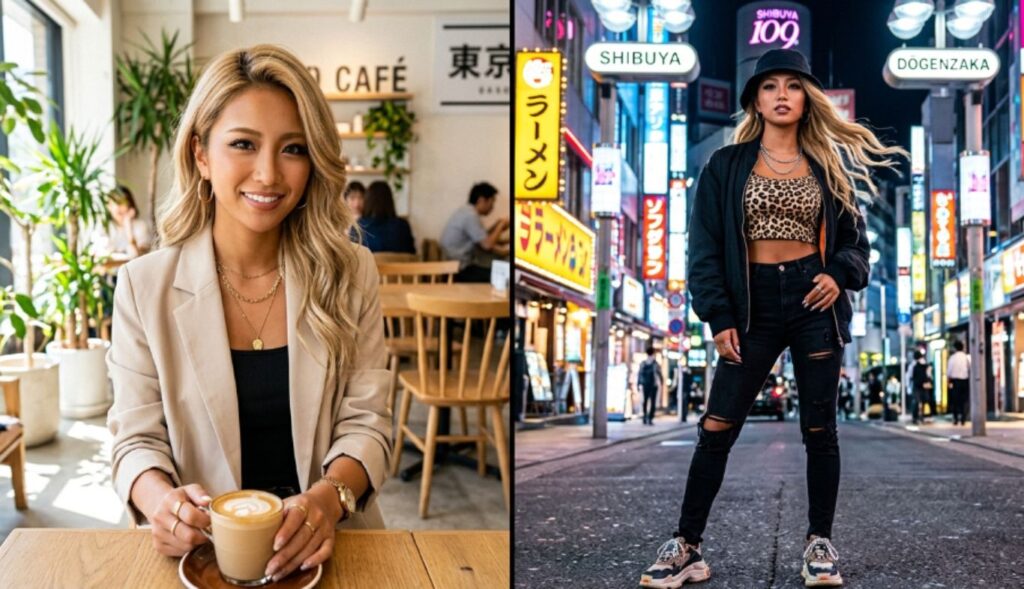
One of the biggest misunderstandings about gyaru is the idea that there is one perfect checklist. There isn’t. Community discussions today often encourage people to experiment with different gyaru elements rather than treating substyles as unbreakable categories.
That means a modern Tsuyome outfit could borrow from:
- Y2K fashion
- Onee Gyaru
- Agejo
- Streetwear
- Rock-inspired fashion
- Vintage Japanese fashion
- Contemporary makeup trends
The foundation remains the same: strong gyaru beauty combined with confident styling.
Common Mistakes to Avoid
The most common mistake is focusing on only one element. For example, someone might wear a leopard-print mini skirt but use completely natural makeup, flat hair, minimal accessories, and ordinary sneakers. The outfit may look fashionable, but the overall Tsuyome effect could be weak.
Another mistake is believing that more is always better. It isn’t. A powerful outfit needs hierarchy. Choose one or two major focal points and let everything else support them. Also avoid copying another person’s appearance so closely that you lose your own identity. Fashion works best when inspiration becomes interpretation.
A Simple Step-by-Step Starter Plan
If you’re new to Tsuyome Gyaru, try this progression:
Step 1: Learn basic gyaru eye makeup.
Step 2: Practice lashes and eyeliner until they feel comfortable.
Step 3: Add volume or waves to your hair.
Step 4: Build one black-and-denim outfit.
Step 5: Add gold jewelry.
Step 6: Introduce one animal-print item.
Step 7: Experiment with stronger nails.
Step 8: Adjust the balance according to your personality. This gradual approach is much easier than trying to master everything in one afternoon.
Seasonal Adaptations
Tsuyome can work year-round.
Spring: Try denim, fitted tops, lighter neutrals, and gold accessories.
Summer: Use shorts, crop tops, platform sandals, sunglasses, and lighter fabrics.
Autumn: Add leather-inspired jackets, boots, dark denim, and warm browns.
Winter: Use faux-fur textures, tall boots, oversized coats, and layered jewelry. The aesthetic changes with the weather without losing its identity.
Frequently Asked Questions
What does Tsuyome Gyaru mean?
Tsuyome Gyaru roughly refers to a “strong” or “strong-looking” gyaru aesthetic. It emphasizes bold makeup, dramatic eyes, styled hair, confident clothing, and a powerful overall presentation.
Is Tsuyome Gyaru the same as Manba?
No. They can share certain elements, particularly dramatic makeup and a strong visual impact, but Manba historically uses a much more extreme approach to tanning, makeup, and colorful styling. Tsuyome is generally more flexible and can be interpreted through darker, glamorous, sexy, or street-inspired clothing.
Do you need to tan to dress Tsuyome?
No. Tanning appears frequently in historical Tsuyome references, but it isn’t a requirement. The style can be adapted to any natural skin tone. Makeup placement, hair, clothing, and overall styling are more important to the aesthetic than changing your complexion.
Does Tsuyome Gyaru require blonde hair?
Not at all. Blonde hair is strongly associated with some classic interpretations, but modern Tsuyome can work with brown, black, red, or other colors. Volume, styling, curls, and intentional presentation are often more important than the exact shade.
Can Tsuyome Gyaru be modest?
Yes. The traditional aesthetic often includes fitted or revealing pieces, but you can adapt the silhouette to your comfort level. Try fitted trousers, long skirts, oversized jackets, high-neck tops, or layered outfits while keeping the dramatic makeup and accessories.
Is Tsuyome Gyaru still popular?
Gyaru has experienced renewed interest among younger and international fashion communities, particularly through social media. Contemporary enthusiasts also tend to mix historical substyle elements rather than treating them as strict categories.
What makeup should beginners start with?
Start with eyeliner, false lashes, mascara, neutral eyeshadow, and a clean base. Once you’re comfortable, experiment with lower-lash definition, stronger contour, highlights, and more dramatic eye shapes.
Can I create Tsuyome Gyaru with clothes I already own?
Absolutely. Start with black, denim, fitted silhouettes, statement jewelry, boots, and one bold print. Then let your hair and makeup establish the stronger gyaru identity.
Is Tsuyome Gyaru a costume?
No. Gyaru is a fashion subculture, not simply a costume category. Like other fashion movements, it can be practiced casually, adapted to everyday life, and personalized according to the wearer’s taste.
What makes an outfit look truly Tsuyome?
Consistency. When your makeup, hair, clothing, accessories, nails, and overall styling communicate the same strong mood, the result feels much more convincing. You don’t need every traditional element. You need a clear visual direction.
Conclusion
Tsuyome Gyaru stands out because it transforms confidence into a visual language. Its dramatic eyes, voluminous hair, bold accessories, statement prints, and powerful silhouettes create a look that feels unmistakable. Yet its greatest strength may be its flexibility. You don’t have to follow an exact historical formula. You can start with dramatic gyaru makeup and a simple black outfit. You can add animal print later. You can experiment with blonde hair, dark hair, extensions, curls, or sleek styling. You can wear platforms or choose comfortable shoes. You can embrace a tan or keep your natural complexion.
The point is to create a look that feels strong, glamorous, expressive, and unmistakably yours. That’s why Tsuyome Gyaru remains such an appealing part of the wider gyaru world. It doesn’t ask you to disappear into the crowd. It encourages you to turn the volume up. And, frankly, sometimes that’s exactly what fashion is supposed to do.