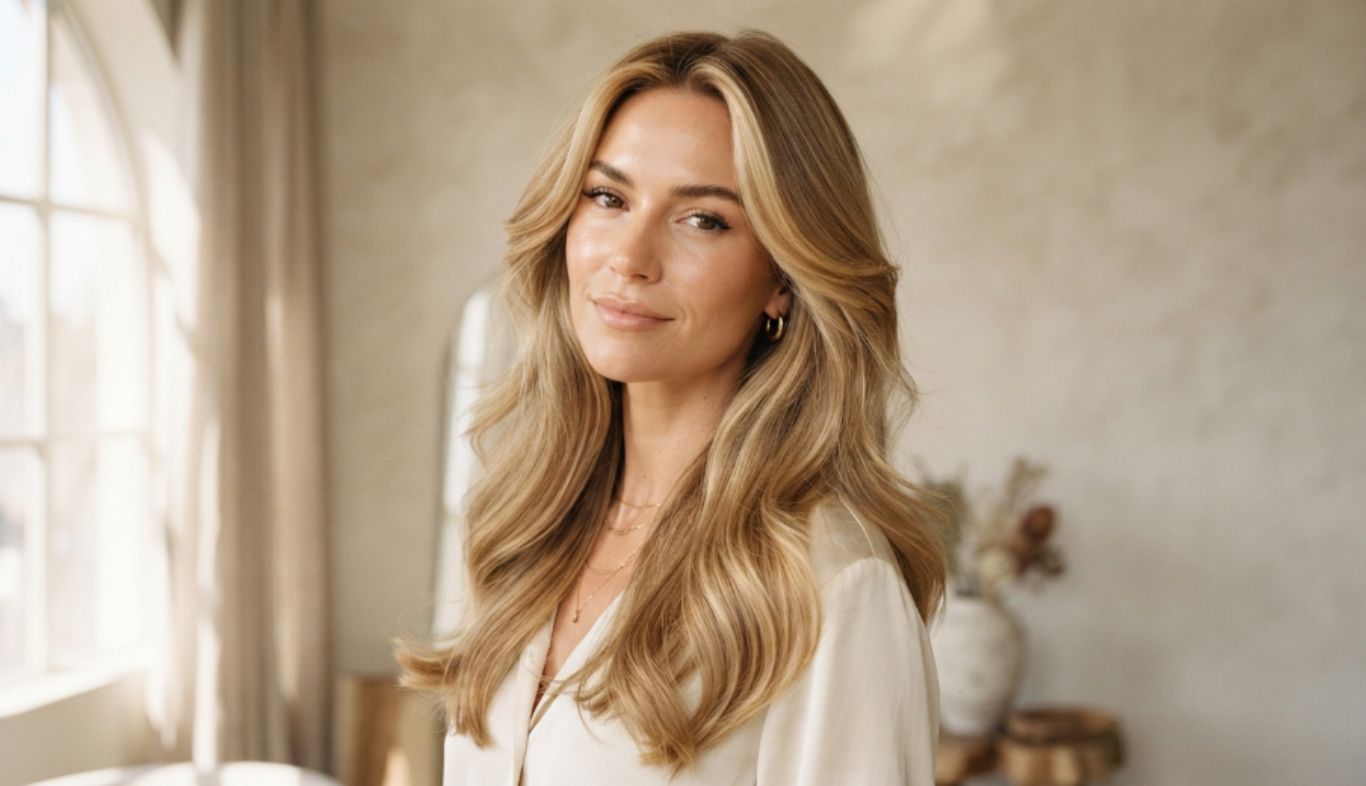
Long layered blonde hair is one of those hairstyles that never really goes out of fashion. It combines length, movement, brightness, and versatility in a way that works for casual days, professional settings, and special occasions alike. Whether your blonde is icy platinum, warm honey, soft beige, or golden balayage, adding layers can make long hair look lighter and more dynamic.
The beauty of this style is that you don’t need to sacrifice length to create shape. Strategic layers can remove excess weight, frame the face, enhance natural texture, and make styling much easier. Plus, with the right blonde shade and haircut, the result can look polished without appearing overly done.
Why Long Layered Blonde Hair Remains So Popular
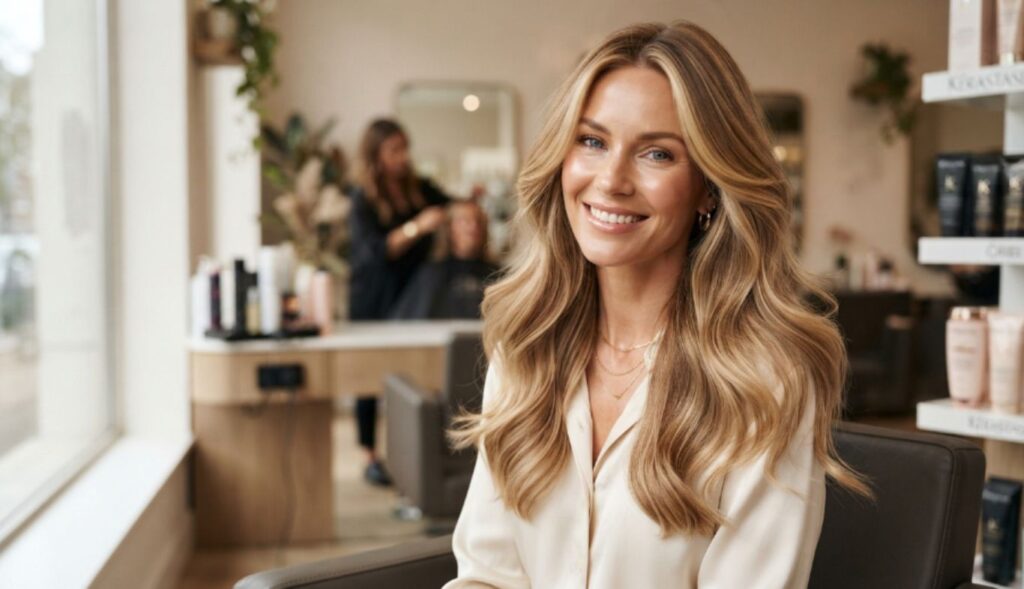
Long layered blonde hair has a special advantage: it creates visual movement while keeping the overall silhouette long. Instead of allowing the hair to hang in one heavy shape, layers give the strands different lengths and positions.
That movement can make thick hair feel more manageable. At the same time, carefully placed layers can make fine hair appear fuller because they create lift around the crown and sides.
Another reason this haircut works so well is its adaptability. You can wear it straight, wavy, curly, braided, or pulled into a ponytail. A few minutes with a round brush can create a glamorous blowout, while air-drying with a lightweight styling product can produce a relaxed, beachy finish.
The blonde color also adds another dimension. Highlights and lowlights catch the light differently across layered sections, making the haircut appear even more dimensional.
In other words, the haircut and color can work as a team.
The Balance Between Length and Movement
The goal isn’t simply to add as many layers as possible. Good layering depends on balance.
If the layers begin too high, long hair can lose its fullness at the ends. If they’re too subtle, the haircut may not have enough movement to make a noticeable difference.
A skilled stylist usually considers hair density, texture, face shape, and styling habits before deciding where each layer should begin.
Why Layers Work Especially Well With Blonde Hair
Blonde hair naturally reflects a significant amount of light, particularly when multiple tones are blended together. Layers create different surfaces for that light to hit.
For example, a honey-blonde balayage can appear brighter around the face, while slightly deeper blonde tones underneath create contrast. When the hair moves, the different tones become more visible.
This is why a layered blonde haircut can look noticeably different in motion compared with a blunt haircut.
Understanding the Layered Haircut
Before choosing a specific style, it’s helpful to understand what “layers” actually mean.
Layers are sections of hair cut at different lengths to create shape and movement. They can be subtle or dramatic, depending on the desired result.
Long Layers vs. Short Layers
Long layers typically begin lower down the hair shaft. They’re ideal if you want movement without dramatically changing your overall length.
Shorter layers create more lift and texture. They can be particularly useful for creating volume around the crown or emphasizing curls and waves.
A useful rule of thumb is simple: the shorter the layer, the more noticeable the movement tends to be.
However, hair texture changes the final result. A short layer on straight hair may look completely different from the same layer on naturally curly hair.
Face-Framing Layers
Face-framing layers are cut around the front of the hairstyle to emphasize facial features.
They can begin around the cheekbones, jawline, or chin, depending on the desired effect. Softer face-framing pieces can create an understated look, while stronger pieces can give the haircut a more noticeable shape.
They’re also an excellent way to refresh long hair without losing much length.
Choosing the Right Blonde Shade
The best blonde isn’t necessarily the lightest blonde. The right shade should complement your natural coloring, maintenance preferences, and overall style.
Cool Blonde Shades
Cool blondes include platinum, ash, pearl, and icy tones.
These shades can create a crisp, modern appearance. They’re especially striking with sleek layers and polished styling.
However, very light cool blonde colors can require more maintenance because lightening the hair significantly may affect its condition and require regular toning.
Warm Blonde Shades
Warm blondes include honey, caramel, golden, and buttery tones.
These shades tend to look soft and radiant. They’re particularly attractive when paired with loose waves because the different golden tones catch the light beautifully.
Warm blonde balayage is also a popular option for people who want dimension without maintaining a single uniform color.
Neutral Blonde Shades
Neutral beige and sandy blondes sit between distinctly warm and cool tones.
They’re versatile and can look sophisticated without appearing overly yellow or overly ashy. For many people, a neutral blonde is an excellent middle ground.
If you’re unsure which blonde direction to choose, asking a professional colorist to assess your natural hair and desired maintenance level is a sensible starting point.
17 Powerful Styling Ideas for Long Layered Blonde Hair
There are countless ways to style this haircut. Here are 17 ideas worth considering.
1. Classic Soft Layers
Soft, long layers are the timeless option.
The ends remain relatively full, while subtle layers create movement throughout the length. This is a great choice if you want an elegant haircut that doesn’t look heavily layered.
It also transitions easily between straight and wavy styling.
2. Curtain-Inspired Face-Framing Layers
Face-framing pieces that open around the cheekbones can give the haircut a relaxed, modern feel.
These layers work particularly well with a center or slightly off-center part. Add a round-brush blowout, and you’ve got a polished style with plenty of movement.
3. Butterfly-Inspired Layers
Butterfly-inspired layering uses shorter pieces around the face and longer layers underneath.
The result is dramatic movement without necessarily removing the appearance of length.
This approach is especially effective when you want volume around the crown and face.
4. Beachy Blonde Waves
Long layers and beachy waves are practically made for each other.
Use a curling wand or styling technique that creates loose bends rather than tight curls. Finish with a lightweight texture spray and gently separate the waves with your fingers.
The goal is relaxed rather than perfect.
5. Sleek Straight Layers
Don’t assume layers have to be wavy.
Straightening long layered blonde hair can highlight the haircut’s shape and create a sleek, modern appearance. Use a heat protectant before applying hot tools, and avoid repeatedly passing over the same section.
A smooth finish can make blonde tones appear particularly glossy.
6. The Voluminous Blowout
For maximum glamour, try a classic round-brush blowout.
Dry the roots upward to encourage lift, then use a round brush to shape the mid-lengths and ends. Once the hair cools, gently brush through it.
The result is bouncy, polished, and full of movement.
7. Wispy Ends
Wispy ends create a lighter, more casual finish.
They’re particularly appealing if you want your haircut to feel airy rather than heavy. However, very fine hair may require careful cutting so the ends don’t appear overly thin.
8. Blonde Balayage With Layers
Balayage and layers make a strong combination because the dimensional color follows the movement of the haircut.
Instead of one flat blonde shade, multiple tones can create depth. As the layers move, lighter pieces appear and disappear naturally.
This can make the hairstyle look vibrant without requiring all-over lightening.
9. Face-Framing “Money Piece” Highlights
Brighter pieces around the face can instantly emphasize layered sections.
The contrast can be subtle or bold. If you prefer a natural effect, ask for a blended transition rather than a sharp stripe.
10. Boho Texture
For a relaxed look, enhance your natural texture instead of trying to make every strand perfect.
Apply a lightweight mousse or wave-enhancing product, scrunch the hair, and allow it to dry naturally when possible.
A little imperfection can actually make the hairstyle more attractive.
11. High Ponytail
A high ponytail can show off the different lengths in the haircut.
Pull the hair upward while leaving a few face-framing strands loose. For extra polish, wrap a small section of hair around the elastic.
12. Loose Braid
A loose three-strand braid is simple but effective.
The layers create small pieces that naturally fall around the braid, producing a soft, effortless appearance. This works especially well for casual days or warm weather.
13. Half-Up Hairstyle
A half-up style allows you to showcase both the length and layers.
Pull the upper section into a small ponytail, bun, or clip. Leave the lower layers loose for contrast.
It’s a quick option when you want something more interesting than wearing your hair completely down.
14. Romantic Loose Curls
Long layers can make large, loose curls look lighter and more dynamic.
Instead of curling every section in exactly the same direction, alternate directions for a softer, more natural result. Brush through the curls after they cool.
15. Bright Face-Framing Blonde
If you want the haircut to emphasize your facial features, place slightly lighter blonde pieces around the front.
This technique can draw attention toward the eyes and cheekbones while keeping the rest of the color more dimensional.
16. Dimensional Root Blend
A slightly deeper root transitioning into lighter blonde lengths can create depth and reduce the appearance of regrowth.
This approach is particularly useful for people who don’t want frequent all-over touch-ups.
17. Low-Maintenance Long Layers
Finally, keep the haircut simple.
A long, softly layered cut combined with natural-looking highlights can look beautiful even when it’s not freshly styled. This is a practical choice if your schedule doesn’t allow frequent salon appointments.
Best Layers for Different Face Shapes
Face shape shouldn’t be treated as a strict rulebook. Personal preference matters more. Still, certain placements can help create the visual balance you’re looking for.
| Face Shape | Layering Idea |
| Oval | Most layer placements can work well |
| Round | Longer face-framing layers can create length |
| Square | Soft layers can soften strong angles |
| Heart | Layers around the jaw can add balance |
| Long | Layers around the cheeks can add width |
| Diamond | Face-framing layers can emphasize balanced proportions |
The most important consideration is where you want the hairstyle to create volume.
For example, if you don’t want additional width around the cheeks, your stylist may recommend keeping the shortest layers lower. If you want more fullness around the face, shorter face-framing pieces may be appropriate.
Styling Products and Tools That Help
You don’t need a cabinet full of products to style long layered hair effectively.
A basic routine can include:
- Heat protectant for hot-tool styling
- Lightweight shampoo and conditioner
- Volumizing mousse for lift
- Texture spray for waves
- Smoothing serum for frizz
- Flexible-hold hairspray
- Wide-tooth comb for gentle detangling
- Round brush for blowouts
When choosing products, think about your hair’s actual needs. Fine hair can become weighed down by heavy oils and creams, while thick or coarse hair may benefit from richer conditioning products.
Heat styling should also be approached thoughtfully. The American Academy of Dermatology Association offers general guidance on minimizing hair damage and caring for healthy hair.
How to Care for Long Layered Blonde Hair
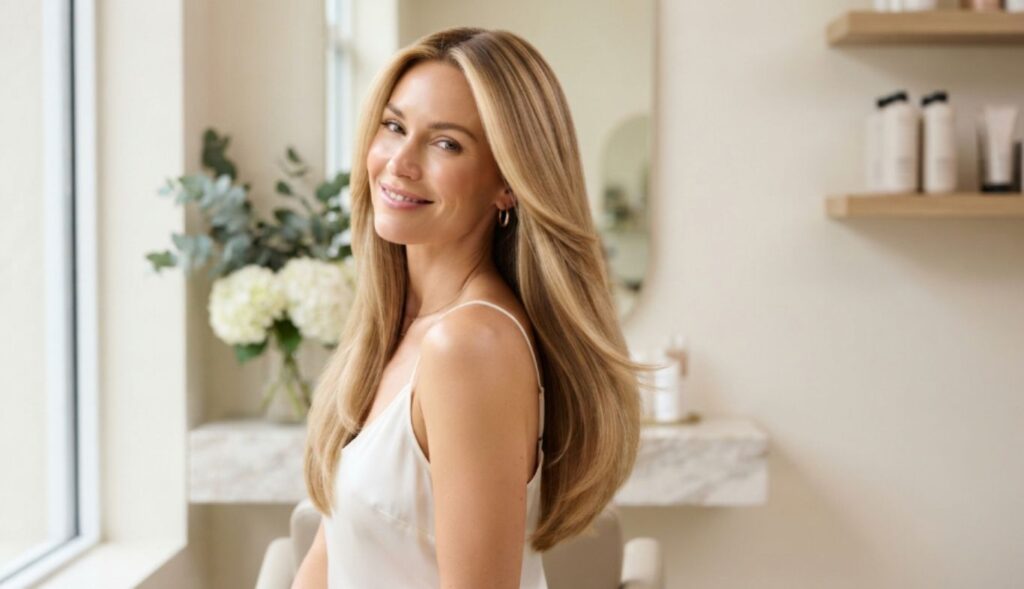
Blonde color and long lengths can require thoughtful maintenance because the ends are older and may be more vulnerable to dryness or breakage.
Start with gentle washing. You don’t necessarily need to shampoo every day. Your ideal schedule depends on your scalp, hair texture, activity level, and styling routine.
Condition the mid-lengths and ends regularly. Avoid aggressively rubbing wet hair with a towel, as wet strands are more fragile.
When brushing, start at the ends and gradually work upward. This reduces unnecessary pulling.
If your blonde has been chemically lightened, talk with your stylist about an appropriate toning and conditioning routine. Overusing purple or toning products can sometimes make the color appear dull or overly cool, so moderation matters.
Common Mistakes to Avoid
Even a beautiful haircut can become difficult to manage when the layering or color doesn’t match the wearer’s needs.
Cutting Too Many Layers
More layers don’t automatically mean more volume.
If too much weight is removed, the ends can appear thin, particularly on fine hair.
Ignoring Natural Texture
Hair behaves differently when it’s straight, wavy, curly, or coily.
A haircut that looks excellent on a blow-dried model may behave differently when air-dried. Tell your stylist how you actually wear your hair most days.
Choosing Blonde Based Only on Trends
A trendy shade isn’t necessarily the easiest shade for you to maintain.
Consider your natural color, desired brightness, budget, and willingness to schedule touch-ups.
Overusing Heat
Frequent high-heat styling can contribute to dryness and breakage.
Use heat protection, choose appropriate temperatures, and give your hair regular breaks from hot tools.
Forgetting the Ends
Long hair can look healthy at the roots while the ends become dry.
Regular trims can help maintain the shape of the haircut and prevent the style from looking uneven.
Maintenance and Salon Schedule
Your maintenance schedule depends on both the haircut and the color.
For a simple long-layered haircut, a trim every several weeks may help preserve the shape. Exact timing varies according to growth rate, texture, and how precise you want the haircut to remain.
Color maintenance varies even more.
A root-to-tip platinum blonde typically requires more upkeep than a dimensional balayage with a natural root. That’s one reason blended color can be appealing for people who want a lower-maintenance style.
Before a major color transformation, ask your stylist about:
- Expected maintenance frequency
- Approximate number of appointments
- At-home care
- Potential color changes over time
- Whether your hair needs conditioning or strengthening treatments
A professional consultation is especially valuable when moving significantly lighter.
How to Ask Your Stylist for the Look
Clear communication can make a huge difference.
Instead of simply saying, “I want long layers,” explain how you want your hair to behave.
For example, mention whether you want:
- Maximum volume
- Subtle movement
- Face-framing pieces
- A dramatic layered effect
- Full-looking ends
- Low-maintenance styling
- A center part
- Curtain-style framing
- Beachy texture
- A sleek finish
Bring several reference photos from different angles. It’s also helpful to show your stylist a photo of your hair on an ordinary day, not only a professionally styled image.
Most importantly, explain how much time you’re willing to spend styling your hair.
The best haircut isn’t simply the one that looks great in the salon chair. It’s the one you can realistically maintain at home.
Long Layered Blonde Hair for Different Occasions
One of the strongest advantages of this haircut is versatility.
For work, wear it straight or with a soft blowout. The layers add polish without requiring an elaborate hairstyle.
For weekends, embrace natural waves or a loose ponytail.
For weddings, parties, and formal events, large curls or a sophisticated half-up style can create a glamorous finish.
For travel, braids and low ponytails are practical options that still show off the haircut’s movement.
That’s the beauty of a flexible haircut: you don’t have to reinvent your entire appearance every morning.
Frequently Asked Questions
Is long layered blonde hair good for thin hair?
Yes, but the layering needs to be strategic. Too many short layers can make fine hair look thinner at the ends. Long, carefully placed layers can create movement while preserving density.
Are layers good for thick blonde hair?
Absolutely. Layers can remove some visual weight and make thick hair easier to style. However, the amount of weight removed should depend on the hair’s natural density and texture.
Does layered hair make blonde hair look thicker?
It can create the appearance of more movement and dimension, particularly when combined with highlights, balayage, or multiple blonde tones. However, layering doesn’t physically increase hair density.
What blonde shade looks best with long layers?
There isn’t one universally best shade. Honey, beige, golden, ash, platinum, and dimensional blondes can all work. The most flattering choice depends on your natural coloring, desired contrast, and maintenance preferences.
Are long layers low maintenance?
They can be. Soft long layers usually grow out more naturally than highly structured short layers. Pairing them with dimensional color or a blended root can make the overall style even easier to maintain.
How often should long layered hair be trimmed?
The ideal schedule varies by hair condition, growth rate, and haircut shape. Regular trims help preserve the silhouette and keep the ends looking neat, especially when the hair is long.
Can I have layers if I have curly hair?
Yes. Curly hair can look fantastic with layers because they can help distribute weight and encourage curl movement. The cutting technique should be adapted to the curl pattern and how you normally wear your hair.
Can I style long layers without heat?
Definitely. Braids, twists, rollers, overnight styling methods, mousse, and curl-enhancing products can all create texture without hot tools. Air-drying is also an option when it works with your natural texture.
Is balayage better than all-over blonde for long layers?
It depends on your goals. Balayage can provide dimension and a softer grow-out, while all-over blonde creates a more uniform and dramatic result. Your preferred maintenance level is an important factor.
How do I prevent blonde layered hair from looking dry?
Use gentle cleansing, regular conditioning, heat protection, careful detangling, and professional advice for chemically treated hair. Avoid excessive heat and aggressive brushing, especially when the hair is wet.
Final Thoughts
Long layered blonde hair offers an impressive combination of elegance, movement, and versatility. Whether you prefer soft honey tones, bright platinum, neutral beige, or dimensional balayage, the right layers can make the color appear more dynamic and the overall haircut more personalized.
The secret is balance. Choose layers that suit your natural texture, a blonde shade that fits your desired maintenance level, and styling methods that work with your everyday routine.
You don’t need the most dramatic haircut to make an impact. Sometimes, a few well-placed layers, a flattering blonde blend, and healthy-looking ends are all it takes.
With thoughtful cutting, suitable color placement, and consistent care, long layered blonde hair can remain polished, modern, and effortlessly wearable for years to come.