

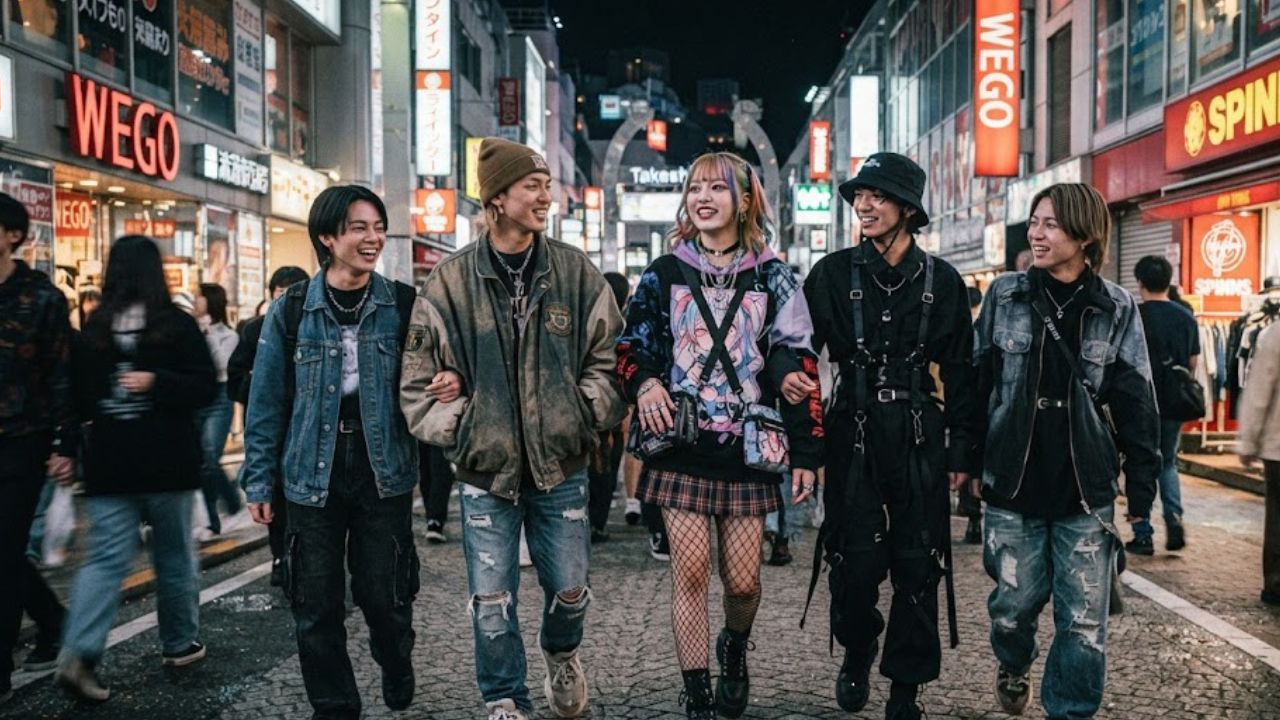
Japanese & Asian Streetwear has always reflected the places where it grew. In Japan, it absorbed influences from skateboarding, music, vintage Americana, and luxury fashion, creating something that felt both rebellious and carefully considered. South Korea approached streetwear from a different angle, blending minimalist design with oversized silhouettes and contemporary tailoring. China has entered the conversation more recently, producing brands that confidently combine local culture with international trends.
For fashion enthusiasts in the United States, these styles offer far more than eye-catching outfits. They represent different ways of thinking about personal expression. Japanese streetwear often rewards creativity and individuality, while Korean streetwear leans towards clean, wearable looks that suit everyday life. Chinese streetwear continues to evolve rapidly, introducing fresh ideas and bold experimentation. Understanding the differences between these fashion movements makes it much easier to build a wardrobe that feels authentic rather than simply following trends.
What Makes Japanese Streetwear Different?
Japanese & Asian Streetwear Japanese streetwear has never been about copying what is popular elsewhere. Instead, designers have a habit of taking familiar ideas and refining them until they become something entirely new. That philosophy explains why Tokyo remains one of the world’s most influential fashion capitals decades after its streetwear culture first gained international attention.
Walk through districts such as Harajuku or Shibuya and you’ll notice an incredible variety of styles existing side by side. One person may wear vintage military jackets with premium denim, while another mixes oversized hoodies, graphic tees and handcrafted accessories. The common thread is attention to detail. Fabric quality, stitching, layering and proportions often receive more consideration than obvious logos or expensive branding.
Japanese & Asian Streetwear Many newcomers assume Japanese streetwear means wearing oversized clothing from head to toe. In reality, balance matters much more than size. A relaxed jacket paired with fitted trousers creates a different impression from an oversized outfit worn without structure. Designers understand how proportions influence the overall silhouette, which explains why even simple outfits often appear carefully composed.
Another characteristic that separates Japanese fashion from many Western trends is longevity. Rather than producing clothing designed for a single season, numerous Japanese brands create garments intended to age well. Premium denim develops unique fades over time, heavyweight cotton becomes softer through regular wear, and quality outerwear often lasts for many years. That focus on craftsmanship encourages buying fewer pieces while expecting them to perform better.
Harajuku Streetwear: More Than Bright Colours and Bold Fashion
Harajuku has become almost synonymous with Japanese streetwear, yet its reputation is frequently misunderstood outside Japan. Many people associate the district exclusively with colourful costumes and extravagant fashion, but Harajuku represents a much broader culture built around experimentation and personal identity.
Japanese & Asian Streetwear One street can feature highly expressive styles inspired by punk, gothic fashion or anime culture, while nearby cafés and boutiques showcase understated minimalist clothing. This diversity is exactly what makes Harajuku influential. There has never been a single way to dress there, and that openness continues to inspire designers across the globe.
The district also played a major role in bringing independent fashion labels to international audiences. Small local brands gained loyal followings because shoppers appreciated originality rather than mass production. That independent spirit remains visible today, even as global retailers have established stores nearby.
Several design principles continue to define Harajuku streetwear:
- Creative layering that combines different textures and lengths.
- Vintage garments mixed with contemporary pieces.
- Accessories used as statement items rather than afterthoughts.
- Bold colour combinations balanced with carefully chosen neutral pieces.
- Individual styling that reflects personality instead of chasing short-lived trends.
Japanese & Asian Streetwear One lesson many American shoppers can learn from Harajuku fashion is that confidence matters more than following strict style rules. Clothing feels convincing when the wearer enjoys it rather than simply trying to imitate someone else.
Korean Streetwear: Simplicity With Modern Appeal
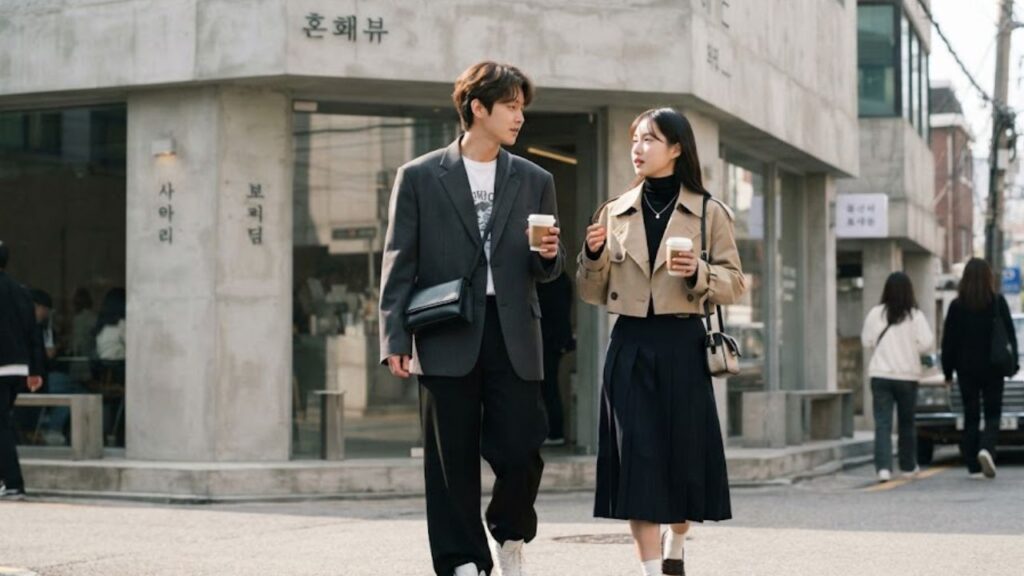
Korean streetwear has grown rapidly over the past decade, helped by the worldwide popularity of Korean music, television dramas and social media influencers. While entertainment introduced many international audiences to Korean fashion, the clothing itself has remained popular because it fits naturally into everyday wardrobes.
Japanese & Asian Streetwear Compared with Japanese streetwear, Korean fashion often feels cleaner and more restrained. Neutral colours, oversized outerwear and relaxed tailoring dominate many collections, creating outfits that appear effortless without looking unfinished. The oversized trend is especially noticeable, although successful Korean styling usually maintains visual balance through proportion and layering rather than excessive volume.
Japanese & Asian Streetwear Another reason Korean streetwear appeals to American consumers is its accessibility. Many outfits can transition easily between casual workplaces, weekends and social events. A structured oversized blazer worn over a simple T-shirt with wide-leg trousers creates a modern silhouette without appearing overly dramatic. That versatility makes Korean fashion practical for people who want distinctive clothing without stepping too far outside their comfort zone.
Korean streetwear brands have also embraced collaborations with artists, musicians and sneaker companies, helping them gain recognition far beyond South Korea. Social media platforms have accelerated this growth by allowing smaller independent labels to reach global audiences without relying solely on traditional fashion magazines or department stores.
Japanese & Asian Streetwear Perhaps the biggest misconception about Korean streetwear is that it revolves entirely around celebrity influence. Entertainment certainly plays a role, but many successful Korean designers focus just as heavily on fabric quality, clean construction and timeless colour palettes. Those characteristics help explain why many garments remain stylish long after seasonal trends have faded.
Chinese Streetwear Is Creating Its Own Identity
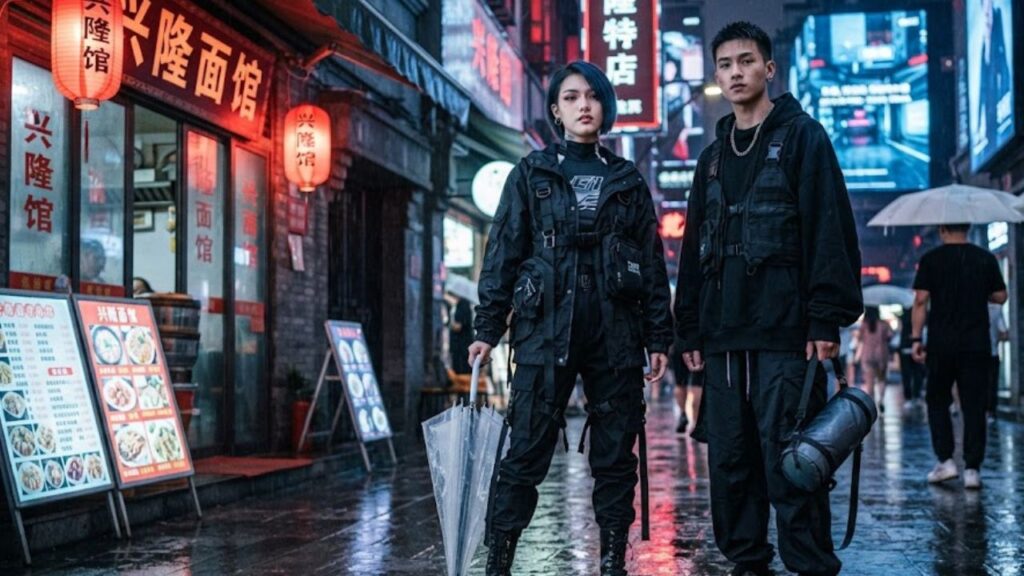
Chinese streetwear has experienced remarkable growth in recent years, yet it often receives less attention than Japanese or Korean fashion. That imbalance is changing quickly. Designers from Shanghai, Beijing and other creative centres are building brands that confidently blend traditional cultural influences with contemporary street fashion.
Rather than imitating established Japanese labels, many Chinese designers are introducing original graphics, architectural silhouettes and storytelling inspired by local history. This approach gives their collections a distinctive identity while still appealing to international audiences who appreciate modern streetwear.
Japanese & Asian Streetwear China’s fashion industry has also benefited from advanced manufacturing capabilities. Many emerging labels can experiment with innovative fabrics, technical materials and premium construction while remaining competitively priced compared with established luxury brands. For American shoppers, this creates opportunities to discover high-quality clothing before certain labels become widely recognised.
The growing popularity of Chinese streetwear reflects a broader shift within global fashion. Creativity is no longer concentrated in a handful of traditional fashion capitals. Consumers increasingly value originality wherever it appears, allowing talented designers from across Asia to shape international trends instead of simply following them.
Japanese, Korean and Chinese Streetwear Compared
Japanese & Asian Streetwear Although these three fashion scenes are often grouped together, each has developed its own identity. Understanding those differences helps you invest in clothing that genuinely suits your taste rather than buying pieces simply because they’re trending.
| Style Element | Japanese Streetwear | Korean Streetwear | Chinese Streetwear |
| Overall aesthetic | Creative, layered and experimental | Clean, modern and minimalist | Bold, graphic and contemporary |
| Typical fit | Relaxed with varied proportions | Oversized but balanced | Oversized with statement pieces |
| Colour palette | Earth tones mixed with standout accents | Neutral shades with subtle contrasts | Black, white and vibrant graphics |
| Design focus | Craftsmanship and individuality | Everyday versatility | Innovation and cultural storytelling |
| Best suited for | Fashion enthusiasts who enjoy experimenting | Those wanting wearable everyday outfits | People looking for emerging trends |
Japanese & Asian Streetwear These distinctions aren’t strict rules. Fashion constantly evolves, and many designers borrow ideas from neighbouring countries. The most interesting wardrobes often combine influences rather than staying loyal to a single aesthetic. A Japanese denim jacket, Korean wide-leg trousers and minimalist trainers can work together surprisingly well when proportions are balanced.
Building an Asian Streetwear Wardrobe That Lasts
Many people make the mistake of buying statement pieces before building a solid foundation. That approach usually leads to a wardrobe full of exciting clothing with very little that works together. Experienced stylists often recommend starting with versatile essentials before adding more expressive items.
Focus first on quality basics. A heavyweight oversized T-shirt, relaxed cargo trousers, straight-leg denim, a versatile hoodie and a lightweight jacket provide countless outfit combinations. Neutral colours such as black, grey, olive, navy and cream make mixing pieces much easier while allowing accessories to create personality.
Footwear deserves equal attention. Trainers remain central to Asian streetwear, but the goal isn’t simply owning the latest release. A clean silhouette that complements your clothing will usually look better than a limited-edition pair chosen only for hype. Comfort also matters. Clothing that feels good tends to be worn more often, making it a better investment over time.
Japanese & Asian Streetwear Accessories complete the look without overwhelming it. A crossbody bag, simple jewellery, a cap or bucket hat and understated sunglasses can add visual interest while keeping the outfit balanced. Rather than wearing every accessory at once, choose one or two pieces that naturally complement the rest of your clothing.
Choosing the Right Brands and Shopping Safely
Japanese & Asian Streetwear The growing popularity of Japanese streetwear, Harajuku streetwear and Korean streetwear brands has also led to an increase in counterfeit products. Attractive prices can be tempting, but poor-quality copies rarely deliver the fit, fabric or construction that made the originals desirable.
Buying directly from official brand websites remains the safest option whenever international shipping is available. Many respected retailers in the United States also stock authentic Asian streetwear, making returns and sizing exchanges much easier. If you’re shopping through resale platforms, always examine photographs carefully, request proof of authenticity and compare garment details with official product images.
Price alone shouldn’t determine value. Some independent Japanese and Korean labels produce exceptional garments at mid-range prices because they focus on materials rather than celebrity marketing. At the same time, certain premium brands justify higher prices through exceptional craftsmanship, limited production runs and durable fabrics designed to improve with age.
Japanese & Asian Streetwear Another practical consideration is sizing. Asian clothing often fits differently from standard American sizing, though the difference varies between brands. Instead of relying on labels such as medium or large, compare the garment’s actual chest, shoulder and length measurements with clothing you already own. That simple habit dramatically reduces the chances of ordering the wrong size.
Why Asian Streetwear Continues to Shape Global Fashion
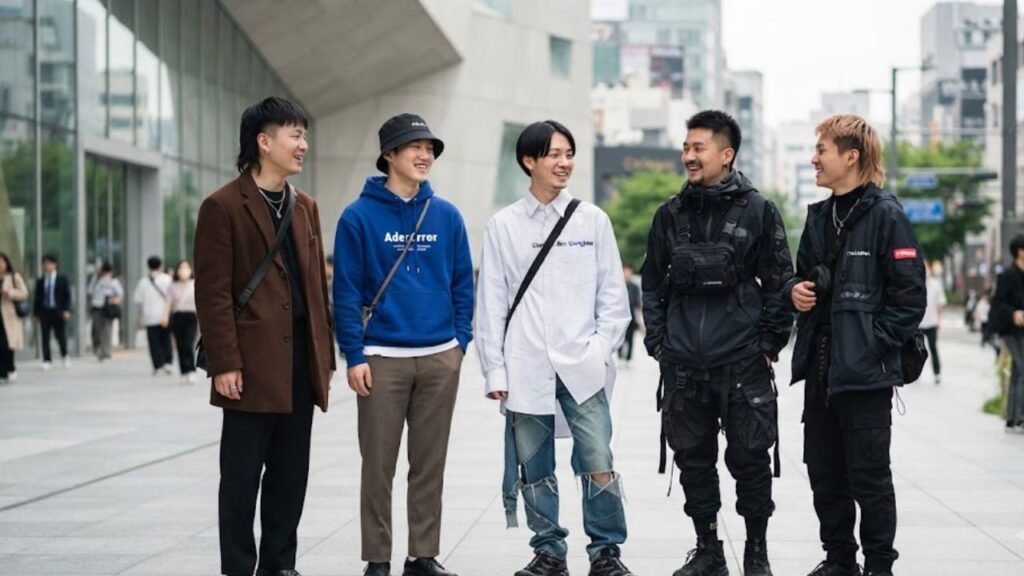
The influence of Asian streetwear extends well beyond clothing. Designers from Tokyo, Seoul and Shanghai increasingly shape conversations about sustainability, craftsmanship, gender-neutral fashion and creative self-expression. International luxury houses now collaborate with streetwear labels more frequently than ever, recognising that younger consumers value authenticity as much as heritage.
Social media has accelerated this exchange of ideas, but it hasn’t replaced originality. The most respected designers still succeed because they offer distinctive perspectives rather than chasing algorithms. Japanese brands continue refining craftsmanship, Korean labels keep perfecting everyday wearability, and Chinese designers are introducing fresh creative voices that challenge long-standing expectations.
Japanese & Asian Streetwear Fashion also appears to be moving towards slower, more thoughtful purchasing decisions. Consumers increasingly look for garments that combine quality with versatility instead of constantly replacing their wardrobes. That philosophy has long been central to many Japanese brands, making their approach especially relevant as buying habits continue to evolve.
Rather than asking which country produces the “best” streetwear, a better question is which style reflects your own personality. The answer will be different for everyone, and that’s exactly what makes Asian streetwear such an exciting part of modern fashion.
Frequently Asked Questions
What is Japanese streetwear?
Japanese & Asian Streetwear combines influences from youth culture, vintage fashion, skateboarding, music and premium craftsmanship. It places strong emphasis on individuality, quality fabrics and thoughtful layering rather than simply following seasonal trends.
How is Harajuku streetwear different from Japanese streetwear?
Harajuku is a fashion district in Tokyo known for its wide variety of creative styles. Harajuku streetwear represents one influential part of Japanese fashion culture, but Japanese streetwear also includes minimalist, heritage-inspired and contemporary styles found throughout the country.
Why are Korean streetwear brands so popular?
Korean brands have gained international attention because they blend oversized silhouettes, clean design and practical everyday wear. Their popularity has also grown alongside Korean music, television and digital culture, introducing global audiences to modern Korean fashion.
Where can people in the USA buy authentic Asian streetwear?
Official brand websites, authorised fashion retailers and trusted resale platforms remain the safest options. Checking size charts carefully and avoiding unusually low prices helps reduce the risk of purchasing counterfeit products.
Final Thoughts
Japanese, Korean and Chinese streetwear each tell a different story about creativity, craftsmanship and personal expression. Learning how those styles developed—and what makes each one unique—allows you to build a wardrobe with purpose instead of chasing every passing trend. Start with well-made essentials, experiment with different influences and let your clothing reflect your personality. The strongest streetwear outfits rarely follow strict rules; they succeed because they feel genuine to the person wearing them.